Korea Med Tour in South Korea
Dental Implants for Foreigners in Korea are a safe and advanced tooth replacement solution using 3D digital planning, high-quality implant systems, and internationally trained specialists. Most patients require two short visits over 3–4 months, with costs often 40–60% lower than in Western countries.
Dental implants for foreigners in Korea are a safe, technologically advanced, and internationally accessible solution for replacing missing teeth, with shorter treatment timelines and globally competitive costs when compared to the U.S., Canada, Australia, and parts of Europe. Korea combines board-certified prosthodontists and oral surgeons, digital 3D diagnostics, and high-precision implant systems in a streamlined medical tourism environment—particularly in cities such as Seoul and Busan.
For international patients seeking permanent tooth replacement, Korea offers predictable success rates (typically 95–98% for healthy individuals), transparent treatment planning, and strong infection-control standards. This guide explains how the process works, who qualifies, risks to consider, cost structure, and how foreigners can plan treatment efficiently in 2026.
Table of Contents

What Are Dental Implants?
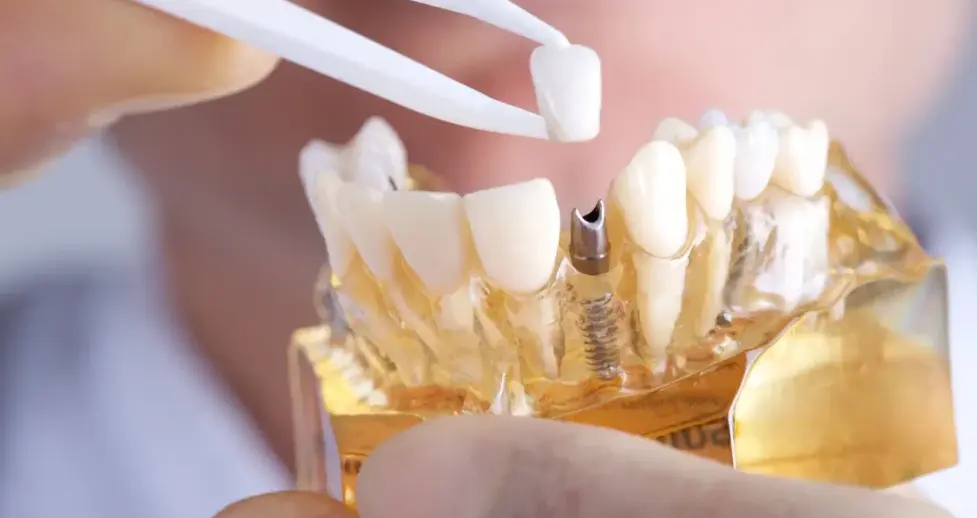
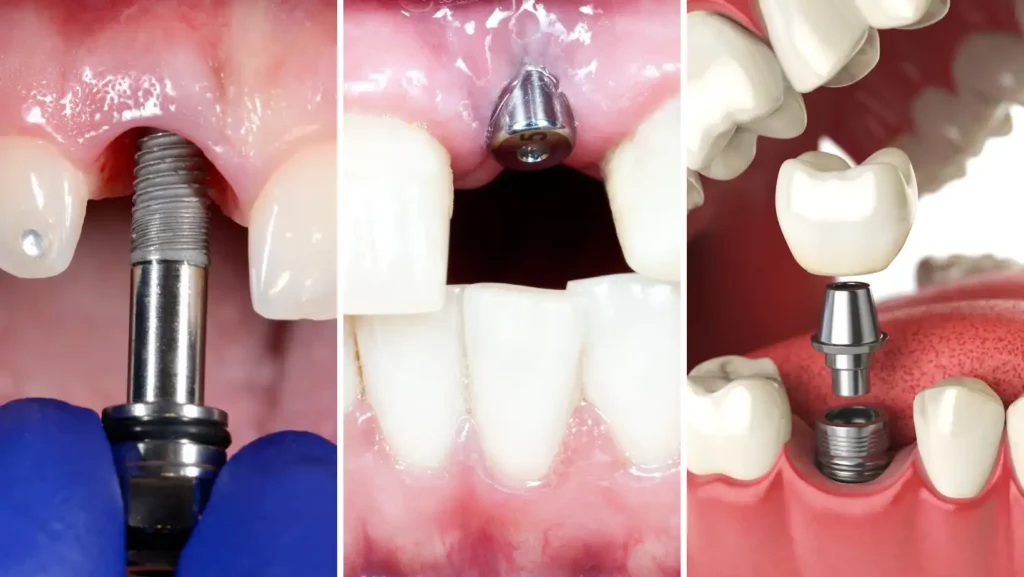
A dental implant is a biocompatible titanium or zirconia post surgically placed into the jawbone to replace a missing tooth root. After healing and osseointegration (fusion between bone and implant), a custom-made crown is attached.
Core Components
- Implant fixture – surgically inserted into the jawbone
- Abutment – connector between implant and crown
- Crown (prosthesis) – visible tooth replacement
Unlike removable dentures, implants preserve jawbone density and restore chewing force close to natural teeth.
Why Foreigners Choose Korea for Dental Implants
International patients travel to Korea for four main reasons:
1. Advanced Digital Dentistry
Clinics widely use:
- Cone Beam CT (CBCT) 3D imaging
- Digital intraoral scanning
- CAD/CAM same-day crown fabrication
- Guided implant surgery with surgical templates
These technologies increase placement accuracy and reduce complications.
2. Highly Specialized Dental Training
Korean dentists undergo extensive postgraduate training in:
- Oral and maxillofacial surgery
- Prosthodontics
- Periodontology
Many are affiliated with top institutions such as Seoul National University Dental Hospital and Yonsei University Dental Hospital.
3. Cost Transparency Compared to Western Countries
While prices vary by clinic and complexity:
| Country | Average Cost per Implant (USD) |
|---|---|
| United States | $3,000–$5,000 |
| Australia | $3,000–$6,000 |
| UK | $2,500–$4,500 |
| Korea | $1,200–$2,500 |
Costs depend on bone grafting, sinus lift procedures, and implant brand.
4. Streamlined Medical Tourism Infrastructure
Korea has a structured medical tourism system supported by the Korea Health Industry Development Institute, offering:
- Multilingual coordinators
- Airport pick-up arrangements
- Clear pre-treatment consultations online
Step-by-Step: How Dental Implant Treatment Works for Foreigners
Step 1: Online Consultation & Evaluation
Patients submit:
- Panoramic X-ray or CBCT scan (if available)
- Medical history
- Photos of teeth
A treatment plan and estimated cost are provided before travel.
Step 2: In-Person Examination in Korea
Upon arrival:
- 3D CBCT imaging
- Periodontal evaluation
- Bone density assessment
Treatment suitability is confirmed.
Step 3: Implant Placement Surgery
Procedure duration: 30–90 minutes per implant
Anesthesia: Local anesthesia (sedation optional)
Modern guided surgery minimizes:
- Surgical trauma
- Postoperative swelling
- Healing time
Step 4: Osseointegration (Healing Phase)
Healing time:
- 2–3 months (lower jaw)
- 3–4 months (upper jaw)
Temporary crowns may be provided in selected cases.
Step 5: Final Crown Placement
After bone integration:
- Digital impressions
- Custom crown fabrication
- Final fitting and bite adjustment
How Long Must Foreigners Stay in Korea?
Standard Protocol
- First Visit: 5–7 days (consultation + surgery)
- Second Visit: 5–7 days (final crown placement)
Immediate Implant Protocol (Selected Cases)
Some clinics offer immediate loading if:
- Bone density is sufficient
- No infection is present
- Occlusion is stable
This may reduce visits but requires strict case selection.
Who Is a Good Candidate?
Suitable Candidates
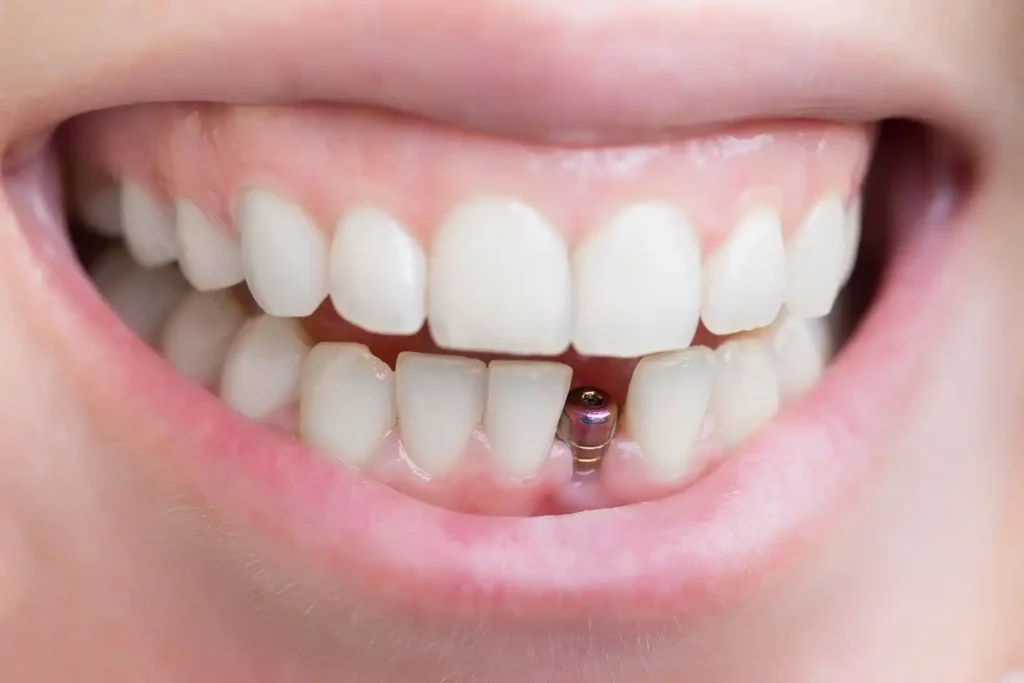
- Missing one or more teeth
- Adequate bone volume
- Good oral hygiene
- Controlled systemic conditions
Caution Required For:
- Uncontrolled diabetes
- Heavy smokers
- Severe periodontal disease
- Osteoporosis under bisphosphonate therapy
Each case requires individualized risk assessment.
Risks and Complications
Although implant dentistry is highly predictable, risks include:
- Infection (peri-implantitis)
- Nerve injury (rare with 3D planning)
- Implant failure (2–5% cases)
- Sinus complications (upper molar region)
Clinics in Korea follow sterilization protocols aligned with international infection-control standards.
Bone Grafting & Sinus Lift for Foreigners
When jawbone volume is insufficient:
Bone Graft
- Autogenous (patient’s own bone)
- Xenograft or synthetic graft
Sinus Lift
Performed when upper jaw bone height is limited.
Healing period extends 4–6 months before implant placement.
Implant Brands Commonly Used in Korea
Korea manufactures globally recognized implant systems:
- Osstem Implant
- Dentium
- Megagen
These brands are exported worldwide and supported by clinical research.
Success Rates and Long-Term Outcomes
Clinical data from international journals indicate:
- 10-year survival rate: ~90–95%
- Short-term survival rate (5 years): 95–98%
Success depends on:
- Oral hygiene
- Regular professional cleaning
- Smoking status
- Systemic health
Implants can last 20+ years with proper maintenance.
Practical Scenario: Real-World Treatment Example
Case Example:
A 52-year-old patient from Australia missing a lower molar.
- Online consultation completed before travel.
- Arrived in Seoul for 6 days.
- Underwent guided implant placement on Day 2.
- Returned home after 1 week.
- Came back 3 months later for final zirconia crown.
Total treatment time across two visits: approximately 4 months.
Cost Breakdown for Foreign Patients (2026)
Typical package may include:
- Consultation & CBCT
- Implant surgery
- Abutment
- Zirconia crown
- Follow-up check
Estimated total: $1,500–$2,500 per implant
Additional procedures:
- Bone graft: $300–$800
- Sinus lift: $800–$1,500
Prices vary by clinic expertise and materials.
Aftercare & Maintenance
To maintain implant longevity:
- Brush twice daily
- Use interdental brushes or water flossers
- Professional cleaning every 6 months
- Avoid smoking
Foreign patients should arrange maintenance with a local dentist after returning home.
Travel Planning for Dental Implant Patients
Best Cities
- Seoul – Most specialized clinics
- Busan – Coastal medical tourism hub
Visa Considerations
Many countries have visa-free entry for short stays (check embassy guidelines).
Final Expert Summary
Dental implants for foreigners in Korea represent a clinically reliable, technologically advanced, and cost-effective solution for permanent tooth replacement in 2026. With high survival rates, globally exported implant systems, and structured medical tourism support, Korea remains one of the most trusted destinations for implant dentistry in Asia.
For international patients, the key to success lies in:
- Pre-travel consultation
- Proper case selection
- Realistic treatment timeline planning
- Long-term maintenance after returning home
When these factors are managed correctly, dental implants placed in Korea can provide durable, functional, and aesthetic outcomes comparable to leading Western dental centers.

FAQs
Are Dental Implants for Foreigners in Korea safe?
Yes. Dental Implants for Foreigners in Korea are performed using 3D CBCT imaging, sterile surgical protocols, and globally recognized implant systems. Korean dental tourism clinics follow international safety standards, resulting in success rates typically above 95% in healthy patients.
What is the Korea dental implant cost for foreigners?
The Korea dental implant cost for foreigners generally ranges from $1,200 to $2,500 per implant, depending on bone grafting, sinus lift procedures, and implant brand. Even with travel expenses, costs are often significantly lower than in the US or UK.
How long does dental tourism Korea implants treatment take?
Dental tourism Korea implants treatment typically requires two visits: the first for implant placement (5–7 days stay) and the second for crown placement after 2–4 months of healing. Some cases qualify for immediate loading protocols.
Which is the best dental clinic in Korea for foreigners?
The best dental clinic in Korea for foreigners offers multilingual coordination, digital guided surgery, transparent pricing, and internationally trained implant specialists. Patients should verify credentials, implant brand, and postoperative support before booking treatment.
Who is a good candidate for Dental Implants for Foreigners in Korea?
Ideal candidates for Dental Implants for Foreigners in Korea have sufficient jawbone density, controlled medical conditions, and good oral hygiene. Smokers and patients with uncontrolled diabetes may require additional evaluation before implant surgery.

Korea Med Tour – Trusted Blog for Medical Tourism in Korea
Your Trusted Guide to Medical Tourism in Korea
Korea Med Tour is a leading medical tourism blog dedicated to providing accurate, up-to-date, and trustworthy information for international patients seeking healthcare services in South Korea. Our mission is to help travelers make informed decisions about their medical care while exploring the benefits of Korea’s world-class healthcare system.
With a focus on transparency, reliability, and expert-backed content, Korea Med Tour covers a wide range of medical fields including dermatology, plastic surgery, dental care, health checkups, and wellness services. We aim to empower readers with clear guidance on treatment options, clinic selection, cost expectations, and travel logistics.
What We Offer
- Clinic & Hospital Reviews – In-depth articles and reviews of Korea’s top medical facilities.
- Procedure Guides – Step-by-step explanations of popular medical treatments and aesthetic procedures.
- Patient Stories & Testimonials – Real experiences from international patients visiting Korea.
- Medical Travel Tips – Advice on planning your trip, accommodations, language support, and insurance.
- Health & Wellness Insights – Information on preventive care, checkups, and holistic treatments.
Why Choose Korea Med Tour
- Trusted Information – All content is based on verified sources, expert insights, and up-to-date research.
- Patient-Centered Guidance – We prioritize clarity, safety, and realistic expectations for all readers.
- International-Friendly Resources – Content is tailored for global patients, with practical tips for navigating Korea’s healthcare system.
Explore Korea Med Tour: https://KoreaMedTour.com
Your guide to safe, informed, and seamless medical travel in Korea.