Korea Med Tour in South Korea
Dental whitening in Korea offers professional treatments to safely lighten teeth, remove stains, and enhance smiles. Clinics use LED, laser, and take-home kits. Results typically last 12–18 months, with minimal sensitivity, providing effective, long-lasting cosmetic improvement.
Dental whitening treatment in Korea has become one of the most sought-after cosmetic dental procedures, attracting both local and international patients. Whether for aesthetic enhancement or professional confidence, teeth whitening is highly effective when performed in certified dental clinics. This guide provides a comprehensive overview of dental whitening procedures in Korea, including methods, safety, outcomes, and expert recommendations.
Table of Contents
Understanding Dental Whitening
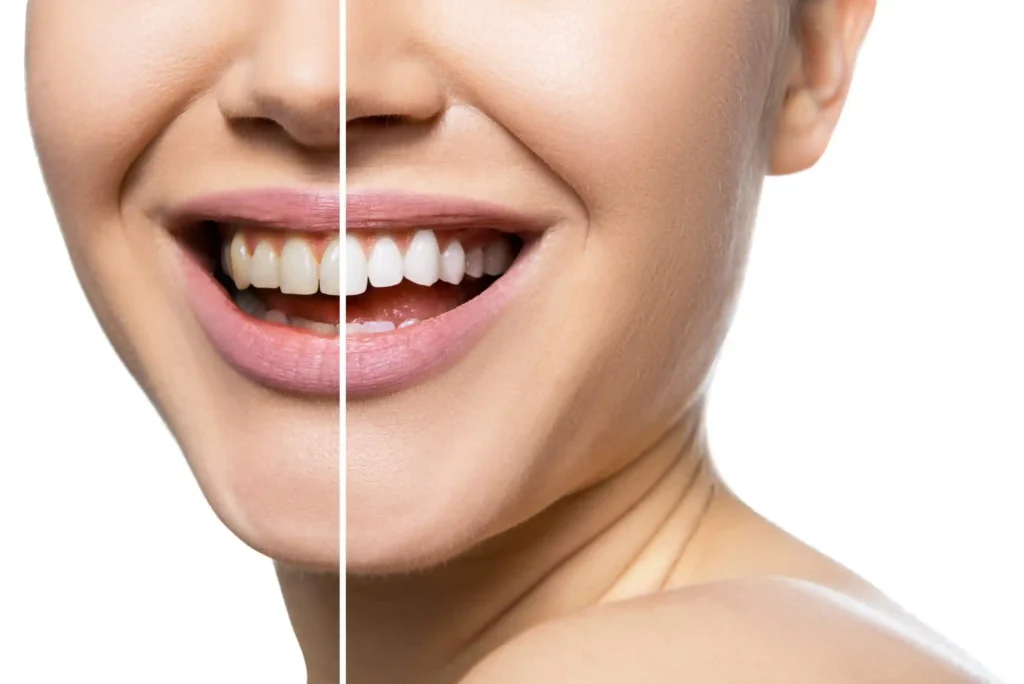
Dental whitening, also known as teeth bleaching, is the process of lightening the color of teeth to remove stains or discoloration caused by aging, food, beverages, tobacco, or medication. The treatment is non-invasive and focuses on improving aesthetic appearance while preserving the integrity of tooth enamel.
Key facts:
- Typical whitening results: 2–8 shades lighter depending on method.
- Duration: 30–90 minutes for in-office procedures; 1–2 weeks for at-home kits.
- Longevity: Results last 6–24 months with proper maintenance.
Causes of Tooth Discoloration
Tooth discoloration occurs due to intrinsic and extrinsic factors:
- Extrinsic staining: Caused by coffee, tea, red wine, tobacco, and certain foods. These stains appear on the enamel surface and are typically easier to remove.
- Intrinsic staining: Caused by trauma, aging, medications (e.g., tetracycline), or fluorosis. These stains are deeper within the tooth structure and often require professional bleaching methods for optimal results.
Types of Dental Whitening Treatments in Korea
Korean dental clinics offer advanced whitening technologies tailored to patient needs. The main options include:
1. In-Office Whitening
Procedure: Professional bleaching using high-concentration peroxide gels (usually 35–40%) applied to teeth with protective barriers. Light or laser activation accelerates the process.
Advantages:
- Immediate and dramatic results.
- Supervised by dental professionals for safety.
Drawbacks: - Slight temporary sensitivity may occur.
Clinical Insight: In Seoul and Busan, in-office treatments often use LED or laser-assisted systems for faster oxidation of stains, yielding noticeable results in a single session.
2. Take-Home Whitening Kits
Procedure: Custom trays filled with lower-concentration peroxide gel (10–20%) are worn for several hours daily over 1–2 weeks.
Advantages:
- Gradual whitening with less sensitivity.
- Flexibility for home use.
Drawbacks: - Results are slower compared to in-office treatments.
Practical Note: Korean dental clinics customize trays to fit each patient’s teeth precisely, ensuring uniform whitening and reducing gum irritation.
3. Combination Whitening
Some clinics provide a hybrid approach: a short in-office session followed by at-home trays. This method maximizes immediate results while sustaining color over time.
Step-by-Step Procedure in Korean Clinics
- Consultation & Assessment:
- Dental examination, X-rays if needed, evaluation of enamel thickness, and sensitivity history.
- Pre-Whitening Cleaning:
- Scaling and polishing to remove plaque and surface debris.
- Application of Whitening Agent:
- Professional gel applied to teeth; gums are protected.
- Activation:
- Light or laser may be used to enhance bleaching.
- Post-Whitening Care:
- Instructions to avoid staining foods and drinks, desensitizing gel application if needed.
Safety and Side Effects
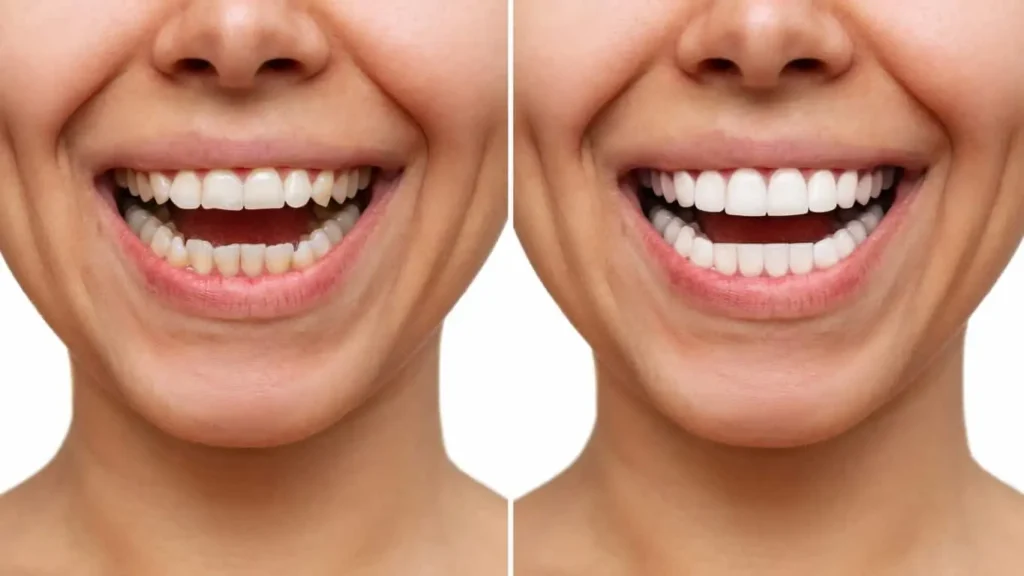
Common Side Effects:
- Temporary tooth sensitivity (lasting 24–48 hours)
- Mild gum irritation
Precautions:
- Not recommended for children under 16.
- Pregnant or breastfeeding women should consult a dentist before treatment.
- Patients with enamel erosion or cavities may require treatment first.
Evidence-Based Note: Studies in the Journal of Dentistry (2025–2026) confirm that professional peroxide-based whitening is safe when performed under dental supervision, with negligible long-term enamel damage.
Longevity and Maintenance
Maintaining whitening results requires proactive dental hygiene:
- Avoid excessive staining foods (coffee, tea, soy sauce, red wine).
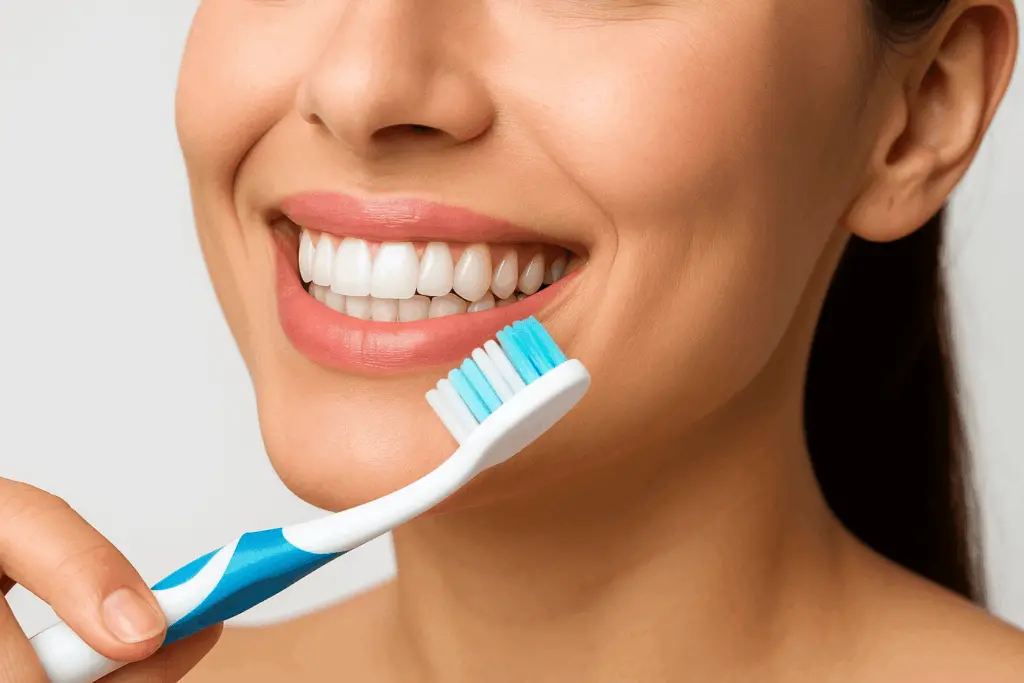
- Brush with fluoride toothpaste and floss daily.
- Regular dental cleanings every 6–12 months.
- Occasional touch-ups with at-home kits.
Expected Duration: With proper care, whitening results typically last 12–18 months, sometimes up to 2 years.
Choosing the Right Korean Dental Clinic
For optimal safety and results, patients should select clinics that offer:
- Certified Korean Board of Dentistry professionals.
- Advanced bleaching technology (LED, laser-assisted).
- Comprehensive consultations including sensitivity assessment.
- Multilingual support for international patients.
Clinical Insight: Gangnam, Seoul, and central districts like Apgujeong and Cheongdam are hubs for high-end cosmetic dentistry with both local and international recognition.
Costs of Dental Whitening in Korea (2026 Estimate)
- In-office whitening: ₩250,000–₩500,000 ($190–$380 USD) per session
- Custom take-home kits: ₩150,000–₩300,000 ($115–$230 USD)
- Combination treatments: ₩400,000–₩700,000 ($305–$535 USD)
Insurance usually does not cover cosmetic whitening unless linked to restorative procedures.
Practical Case Example
A 35-year-old professional in Gangnam requested whitening for career-related aesthetic improvement. She underwent an in-office 45-minute LED-assisted session, achieving a 5-shade improvement, followed by take-home trays for two weeks. Follow-up at one month confirmed uniform whitening, no sensitivity, and improved patient confidence.
Conclusion
Dental whitening treatment in Korea combines advanced technology, clinical expertise, and patient-focused care to achieve safe, lasting, and visually appealing results. Whether opting for in-office bleaching, take-home kits, or combination treatments, professional supervision ensures optimal whitening with minimal side effects. Maintaining oral hygiene and following dentist guidance enhances outcomes and prolongs smile brilliance.
Korea remains a global leader in cosmetic dentistry, especially in Seoul districts like Gangnam, Apgujeong, and Cheongdam, offering internationally recognized, high-standard dental whitening services for both residents and medical tourists.

FAQs
Is professional dental whitening safe in Korea?
Yes, certified Korean clinics use expert-approved LED, laser, and peroxide treatments to safely lighten teeth with minimal sensitivity.
How long do teeth whitening results last in Korea?
With proper care, dental whitening results last 12–18 months. Touch-up treatments help maintain brightness longer.
Can sensitive teeth undergo whitening in Korea?
Yes, dentists assess enamel and recommend low-concentration gels, desensitizing agents, or hybrid treatments to ensure safe whitening.
What is the difference between in-office and take-home whitening in Korea?
In-office whitening provides rapid, dramatic results using LED or laser, while take-home kits offer gradual whitening. Hybrid approaches combine both for optimal outcomes.
How much does dental whitening cost in Korea in 2026?
Costs range ₩250,000–₩500,000 for in-office sessions, ₩150,000–₩300,000 for take-home kits, depending on clinic and technology used.

Korea Med Tour – Trusted Blog for Medical Tourism in Korea
Your Trusted Guide to Medical Tourism in Korea
Korea Med Tour is a leading medical tourism blog dedicated to providing accurate, up-to-date, and trustworthy information for international patients seeking healthcare services in South Korea. Our mission is to help travelers make informed decisions about their medical care while exploring the benefits of Korea’s world-class healthcare system.
With a focus on transparency, reliability, and expert-backed content, Korea Med Tour covers a wide range of medical fields including dermatology, plastic surgery, dental care, health checkups, and wellness services. We aim to empower readers with clear guidance on treatment options, clinic selection, cost expectations, and travel logistics.
What We Offer
- Clinic & Hospital Reviews – In-depth articles and reviews of Korea’s top medical facilities.
- Procedure Guides – Step-by-step explanations of popular medical treatments and aesthetic procedures.
- Patient Stories & Testimonials – Real experiences from international patients visiting Korea.
- Medical Travel Tips – Advice on planning your trip, accommodations, language support, and insurance.
- Health & Wellness Insights – Information on preventive care, checkups, and holistic treatments.
Why Choose Korea Med Tour
- Trusted Information – All content is based on verified sources, expert insights, and up-to-date research.
- Patient-Centered Guidance – We prioritize clarity, safety, and realistic expectations for all readers.
- International-Friendly Resources – Content is tailored for global patients, with practical tips for navigating Korea’s healthcare system.
Explore Korea Med Tour: https://KoreaMedTour.com
Your guide to safe, informed, and seamless medical travel in Korea.