Korea Med Tour in South Korea
Short-Term Orthodontic Treatment for foreigners in Korea corrects mild tooth misalignment within 3–9 months using digital planning, clear aligners, or limited braces. It is ideal for cosmetic improvement or orthodontic adjunctive treatment before implants or veneers, provided proper specialist diagnosis confirms suitability.
Short-term orthodontic treatment in Korea refers to accelerated or limited orthodontic procedures designed to correct mild to moderate dental misalignment within approximately 3–9 months, rather than the traditional 18–24 months required for comprehensive braces. For foreigners visiting or temporarily residing in Korea, this approach can be appropriate when the goal is cosmetic alignment of the front teeth, pre-prosthetic preparation (such as before veneers or implants), or minor bite correction.
Korea is internationally recognized for advanced digital dentistry, 3D imaging diagnostics, and minimally invasive techniques. For suitable candidates, short-term orthodontics can be completed within a structured treatment timeline that accommodates international travel schedules, remote monitoring, and coordinated care planning.
However, not every case qualifies. Proper diagnosis by a board-certified orthodontist is essential to determine whether limited treatment is biologically safe and functionally stable.
Table of Contents
Definition: Short-Term Orthodontics
Short-term orthodontics is a focused orthodontic approach that:
- Targets primarily anterior (front) teeth alignment
- Addresses mild crowding, spacing, or minor rotations
- Prioritizes cosmetic improvement over full bite reconstruction
- Uses accelerated techniques and digital planning
- Usually lasts between 3–9 months
It does not replace comprehensive orthodontic treatment for severe skeletal discrepancies, major malocclusion, or jaw asymmetry.
Why Foreign Patients Choose Korea for Short-Term Orthodontics
Foreigners typically seek orthodontic treatment in Korea for four primary reasons:
- Advanced digital workflow (3D CT, intraoral scanning, AI simulation)
- Coordinated multidisciplinary care (prosthodontics, implants, veneers)
- Shorter treatment cycles compared to conventional timelines
- Strong expertise in cosmetic-driven dental correction
Major metropolitan areas such as Seoul, particularly districts like Gangnam, have high concentrations of English-speaking dental specialists and clinics experienced in treating international patients.
Clinical Indications: Who Is a Good Candidate?
Short-term orthodontic treatment may be appropriate when:
1. Mild Anterior Crowding (1–4 mm)
Small overlapping of front teeth without major bite issues.
2. Minor Spacing or Gaps
Small diastema closure without skeletal discrepancy.
3. Pre-Prosthetic Alignment
Before:
- Dental veneers
- Crowns
- Dental implants
- Smile makeover cases
4. Orthodontic Adjunctive Treatment
When limited tooth movement is needed before restorative work.
What Is Orthodontic Adjunctive Treatment?
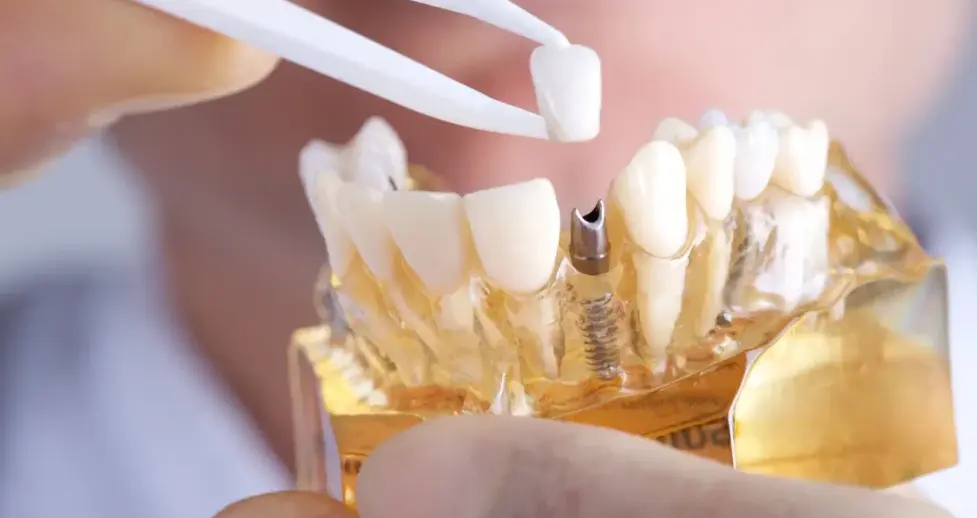
Orthodontic adjunctive treatment refers to limited orthodontic tooth movement performed to improve the outcome of another dental procedure.
Common examples include:
- Uprighting a tilted molar before implant placement
- Creating space for a missing tooth implant
- Intruding over-erupted teeth before crown restoration
- Correcting minor rotations before veneers
In experienced clinics, orthodontists collaborate closely with prosthodontists and oral surgeons to create a staged treatment plan.
How Treatment Is Performed in Korea (Step-by-Step)

Foreign patients benefit from Korea’s standardized digital diagnostic workflow.
Step 1: Comprehensive Diagnosis
Includes:
- 3D Cone Beam CT (CBCT)
- Intraoral digital scan
- Facial analysis
- Occlusion evaluation
- Periodontal health assessment
This stage determines whether short-term orthodontics is biologically safe.
Step 2: Digital Treatment Simulation
Using 3D orthodontic planning software, clinicians simulate:
- Tooth movement sequence
- Final cosmetic alignment
- Estimated duration
- Risk analysis
Patients can visually preview outcomes before starting treatment.
Step 3: Appliance Selection
Depending on the case, options may include:
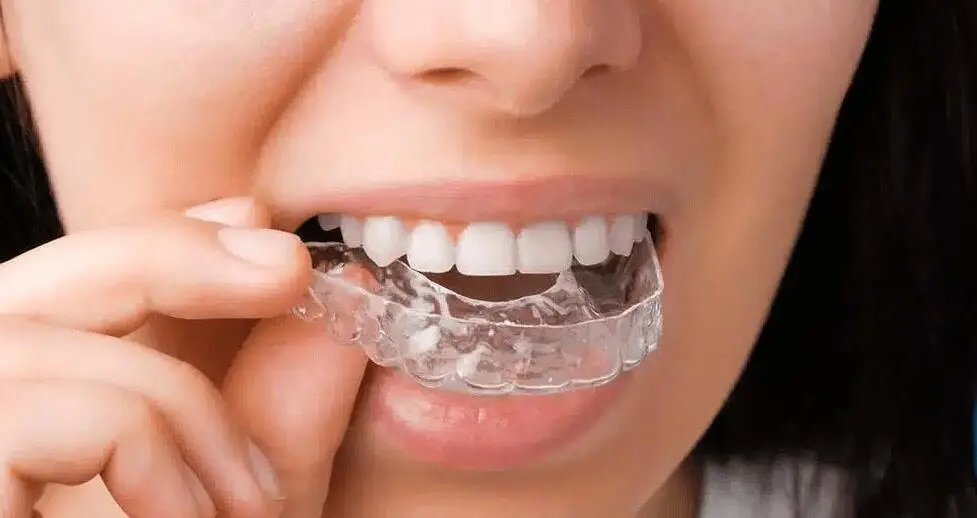
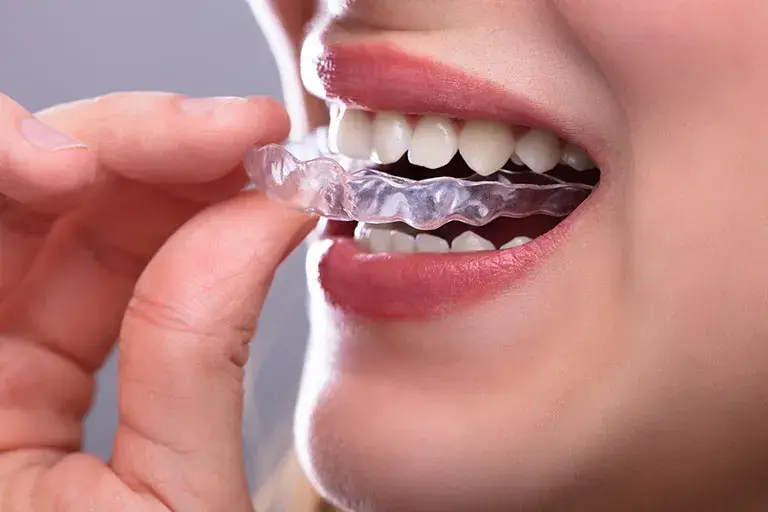
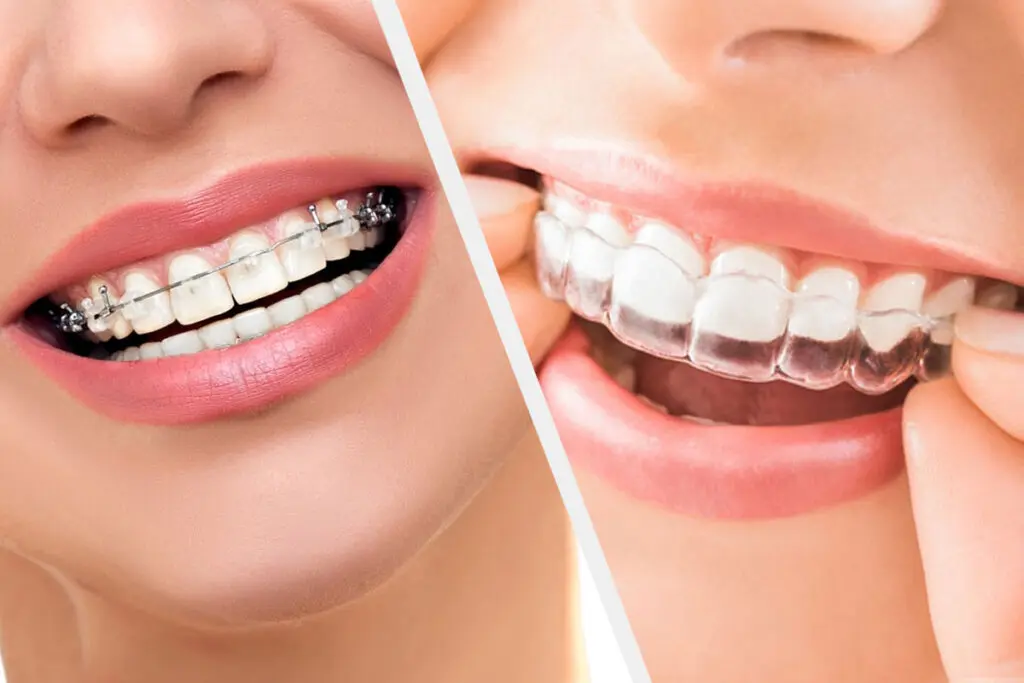
Clear Aligners
Best for mild cosmetic alignment.
Removable and discreet.
Limited Braces (Partial Braces)
Brackets placed only on selected teeth.
Micro-implant Assisted Orthodontics
Temporary anchorage devices (TADs) to accelerate movement.
Step 4: Active Treatment Phase (3–9 Months)
Appointments are usually scheduled every 4–6 weeks.
For foreigners, clinics often:
- Consolidate visits
- Provide remote monitoring options
- Coordinate travel timelines
Step 5: Retention Phase
After alignment:
- Clear retainers or fixed retainers are provided.
- Long-term stability depends on retention compliance.
How Long Does It Really Take?
Typical treatment durations:
| Condition | Estimated Duration |
|---|---|
| Mild anterior crowding | 3–6 months |
| Spacing correction | 4–8 months |
| Adjunctive implant preparation | 4–9 months |
Complex bite correction requires full orthodontic treatment (18–24 months).
Biological Mechanism: How Accelerated Tooth Movement Works
Tooth movement occurs through controlled remodeling of alveolar bone.
Orthodontic force causes:
- Compression side bone resorption
- Tension side bone formation
In short-term cases:
- Limited movement reduces biological stress
- Focused force application shortens treatment time
However, excessive force can increase risks such as root resorption. Therefore, proper case selection is critical.
Risks and Limitations
Short-term orthodontics is safe when appropriately indicated, but risks include:
- Root resorption
- Gum recession in thin biotypes
- Relapse without proper retention
- Incomplete bite correction
- Temporomandibular joint (TMJ) strain if improperly planned
Clinically experienced orthodontists avoid over-promising cosmetic-only corrections that compromise long-term function.
Cost Considerations for Foreigners (2026 Estimate)
Costs vary depending on complexity and appliance type.
Approximate ranges in Korea:
- Clear aligner short course: $2,000–$4,500 USD
- Limited braces: $1,500–$3,500 USD
- Adjunctive orthodontics (implant prep): Case-dependent
Compared to many Western countries, Korea remains cost-competitive while maintaining high digital standards.
Foreign patients should request:
- Transparent written treatment plan
- Full cost breakdown
- English consent forms
Practical Case Example (Real-World Scenario)
Case: 34-year-old international patient planning dental implants.
Issue:
- Missing lower molar
- Adjacent tooth tipped into space
Plan:
- 5 months orthodontic uprighting
- Implant placement
- Crown restoration
Outcome:
- Proper implant positioning
- Improved bite distribution
- Reduced long-term implant stress
This demonstrates how adjunctive orthodontics enhances restorative success.
Advantages for International Patients
- High density of specialist orthodontists
- Advanced digital imaging
- English-speaking coordinators in major clinics
- Efficient scheduling
- Strong cosmetic dentistry integration
Korea’s dental infrastructure allows multidisciplinary planning under one roof.
Evidence-Based Foundations
Short-term orthodontic approaches align with contemporary orthodontic principles supported by:
- Controlled light-force biomechanics
- Periodontal health preservation
- Digital orthodontic planning
- Interdisciplinary restorative coordination
Modern orthodontics prioritizes:
- Biological safety
- Long-term occlusal stability
- Functional improvement, not cosmetic-only changes
Final Clinical Perspective (2026)
Short-term orthodontic and adjunctive orthodontic treatment in Korea can be an excellent option for foreigners seeking efficient cosmetic alignment or pre-restorative preparation—provided that the case is properly diagnosed and biologically suitable.
It is not a shortcut for complex malocclusion.
When performed by a trained orthodontic specialist using digital diagnostics and interdisciplinary planning, outcomes are predictable, stable, and safe.
Foreign patients should prioritize:
- Board-certified orthodontists
- Comprehensive diagnostic evaluation
- Clear documentation
- Long-term retention planning
With these safeguards in place, Korea offers a highly structured and technologically advanced environment for modern orthodontic care.

FAQs
What is Short-Term Orthodontic Treatment for Foreigners in Korea?
Short-Term Orthodontic Treatment for Foreigners in Korea is a limited orthodontic approach that corrects mild crowding or spacing within 3–9 months. It often uses clear aligners or partial braces and may include orthodontic adjunctive treatment Korea for implant or veneer preparation.
Who qualifies for Short-Term Orthodontic Treatment for Foreigners in Korea?
Candidates for Short-Term Orthodontic Treatment for Foreigners in Korea typically have mild anterior misalignment without major bite problems. Patients needing orthodontic adjunctive treatment Korea before implants or cosmetic dentistry are also suitable after proper specialist evaluation.
How much does short-term braces Korea cost for foreigners?
The short-term braces Korea cost varies depending on complexity and appliance type. Clear aligners generally range from $2,000–$4,500 USD, while limited braces may cost less. Exact pricing requires digital diagnostic evaluation and treatment planning.
Is accelerated braces for foreigners Korea safe?
Accelerated braces for foreigners Korea are safe when performed by a qualified orthodontist using controlled biomechanics and digital treatment planning. Proper case selection is essential to prevent root resorption, gum recession, or relapse.
Can orthodontic adjunctive treatment Korea be completed during short visits?
Yes, orthodontic adjunctive treatment Korea can often be structured around international travel schedules. Digital monitoring, staged appointments, and coordinated implant planning make Short-Term Orthodontic Treatment for Foreigners in Korea feasible for overseas patients.

Korea Med Tour – Trusted Blog for Medical Tourism in Korea
Your Trusted Guide to Medical Tourism in Korea
Korea Med Tour is a leading medical tourism blog dedicated to providing accurate, up-to-date, and trustworthy information for international patients seeking healthcare services in South Korea. Our mission is to help travelers make informed decisions about their medical care while exploring the benefits of Korea’s world-class healthcare system.
With a focus on transparency, reliability, and expert-backed content, Korea Med Tour covers a wide range of medical fields including dermatology, plastic surgery, dental care, health checkups, and wellness services. We aim to empower readers with clear guidance on treatment options, clinic selection, cost expectations, and travel logistics.
What We Offer
- Clinic & Hospital Reviews – In-depth articles and reviews of Korea’s top medical facilities.
- Procedure Guides – Step-by-step explanations of popular medical treatments and aesthetic procedures.
- Patient Stories & Testimonials – Real experiences from international patients visiting Korea.
- Medical Travel Tips – Advice on planning your trip, accommodations, language support, and insurance.
- Health & Wellness Insights – Information on preventive care, checkups, and holistic treatments.
Why Choose Korea Med Tour
- Trusted Information – All content is based on verified sources, expert insights, and up-to-date research.
- Patient-Centered Guidance – We prioritize clarity, safety, and realistic expectations for all readers.
- International-Friendly Resources – Content is tailored for global patients, with practical tips for navigating Korea’s healthcare system.
Explore Korea Med Tour: https://KoreaMedTour.com
Your guide to safe, informed, and seamless medical travel in Korea.