
Korea Med Tour in South Korea
Foreigners visiting Korea for a health checkup should follow fasting instructions, manage medications, bring prior medical records, and choose an accredited clinic with multilingual support. Proper preparation ensures accurate lab results, smooth procedures, and a safe, efficient medical screening experience in 2026.
For international patients, preparing for a health checkup in Korea is crucial to achieve accurate results and a stress-free experience. This 2026 guide explains key steps for foreigners, including fasting, dietary adjustments, medication management, required documents, and selecting certified clinics in Seoul or Gangnam. By following these preparations, patients can maximize the efficiency and effectiveness of preventive health screenings and enjoy a seamless medical journey.
For international patients planning a health checkup in South Korea, proper preparation is essential to ensure accurate results, a smooth experience, and maximized benefits from advanced medical facilities. South Korea has become a leading destination for preventive healthcare due to its cutting-edge technology, highly trained specialists, and comprehensive wellness programs. This guide provides a complete overview of how foreigners should prepare for a health checkup in Korea, including pre-visit requirements, procedural expectations, dietary and medication considerations, and practical travel tips.
Table of Contents
Why Foreigner Preparations Matter
Health checkups in Korea, often called “comprehensive medical exams” or health screening programs, are thorough and typically include blood tests, imaging, cardiovascular assessments, and cancer screenings. For foreigners, failing to prepare properly can result in delayed results, inaccurate readings, or missed procedures. By following a structured preparation plan, international patients can:
- Ensure lab results are accurate
- Reduce discomfort or procedural complications
- Optimize the efficiency of one-day or multi-day screening packages
- Maximize the value of travel and investment in preventive care
Step 1: Selecting the Right Clinic
When choosing a clinic in Korea, foreigners should consider:
- International Accreditation: Look for hospitals or clinics certified by Joint Commission International (JCI) or recognized Korean standards.
- English/Multilingual Support: Many clinics in Seoul and Busan, especially in Gangnam, provide multilingual coordinators to guide foreigners.
- Package Options: Clinics offer tiered health checkup programs—basic, advanced, and premium—covering general wellness to full-body diagnostic scans.
- Specialty Testing: Check whether the clinic provides tests specific to your needs, such as cardiovascular risk assessment, liver function panels, or cancer markers.
Pro Tip: Gangnam, Seoul, is the hub for international health screening with many clinics offering concierge services, private consultation rooms, and digital report delivery in multiple languages.
Step 2: Scheduling Your Appointment
- Advance Booking: Foreign patients should book at least 2–4 weeks in advance, particularly for specialized packages.
- Time of Day: Many comprehensive health checkups are scheduled in the morning for fasting blood tests.
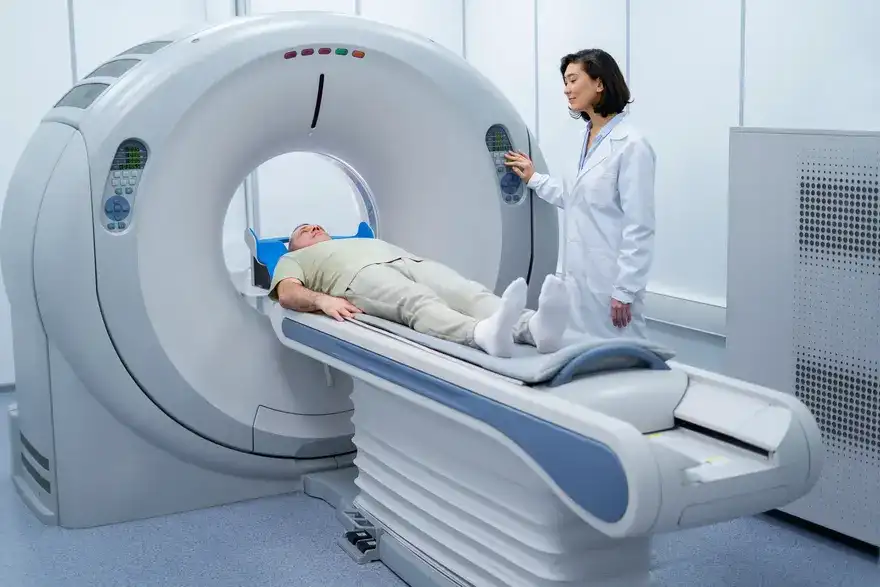
- Travel Coordination: Allow extra time for transportation and rest, particularly after imaging studies like CT or MRI scans.
Practical Example: A patient traveling from Europe may schedule a 2–3 day itinerary, combining pre-visit consultation, overnight stay, and same-day or next-day screening packages to accommodate jet lag and fasting requirements.
Step 3: Pre-Visit Preparations
Fasting and Dietary Instructions
- Fasting: Most blood tests require 8–12 hours of fasting, including water-only intake in the morning.
- Avoid Alcohol & Caffeine: At least 24–48 hours prior to your appointment to prevent inaccurate liver function or metabolic readings.
- Avoid High-Fat Meals: The day before the checkup to ensure lipid panel accuracy.
Medication and Supplement Management
- Bring a complete list of medications, supplements, and doses.
- Some medications may need temporary adjustment, particularly blood thinners, insulin, or thyroid medications.
- Discuss with your clinic coordinator or physician about which medications to continue before testing.
Personal Health Documents
- Passport and visa information
- Previous medical records, lab results, or imaging reports
- Vaccination history if relevant (especially for immunological tests or travel health checks)
Step 4: Day of the Health Checkup
Typical Procedures for Foreign Patients
- Registration & Consultation: Verify personal information and discuss health concerns.
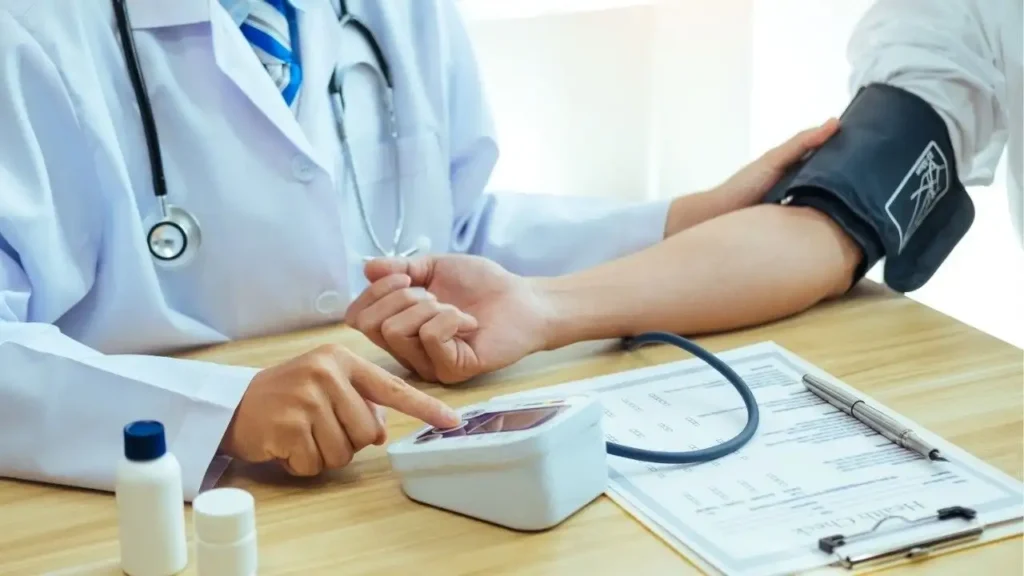
- Vital Signs & Anthropometry: Height, weight, BMI, blood pressure, and pulse measurements.
- Laboratory Tests: Blood, urine, stool samples, and specialized hormone or tumor marker panels.
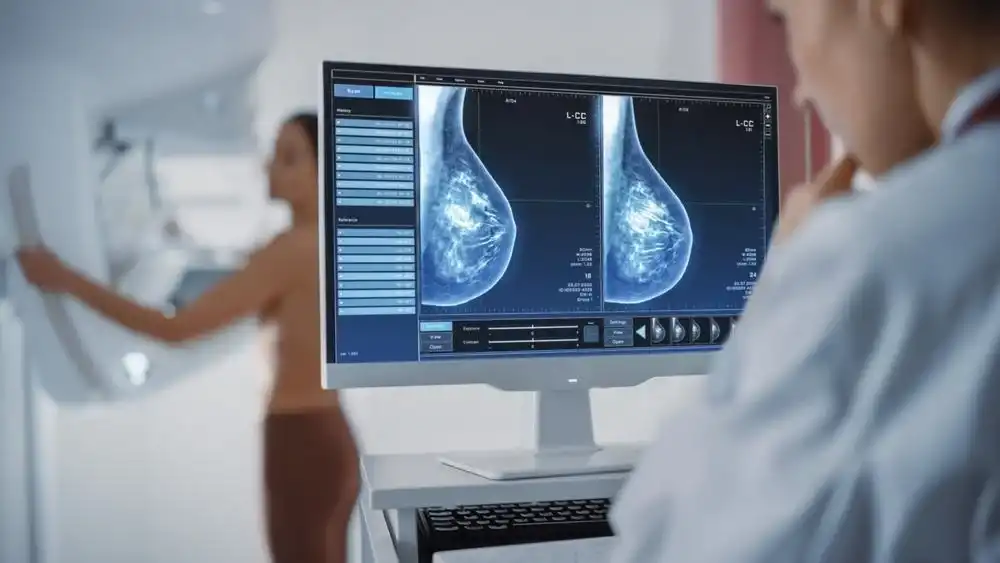
- Imaging Studies: Chest X-ray, abdominal ultrasound, CT, MRI, or bone density scan, depending on package level.
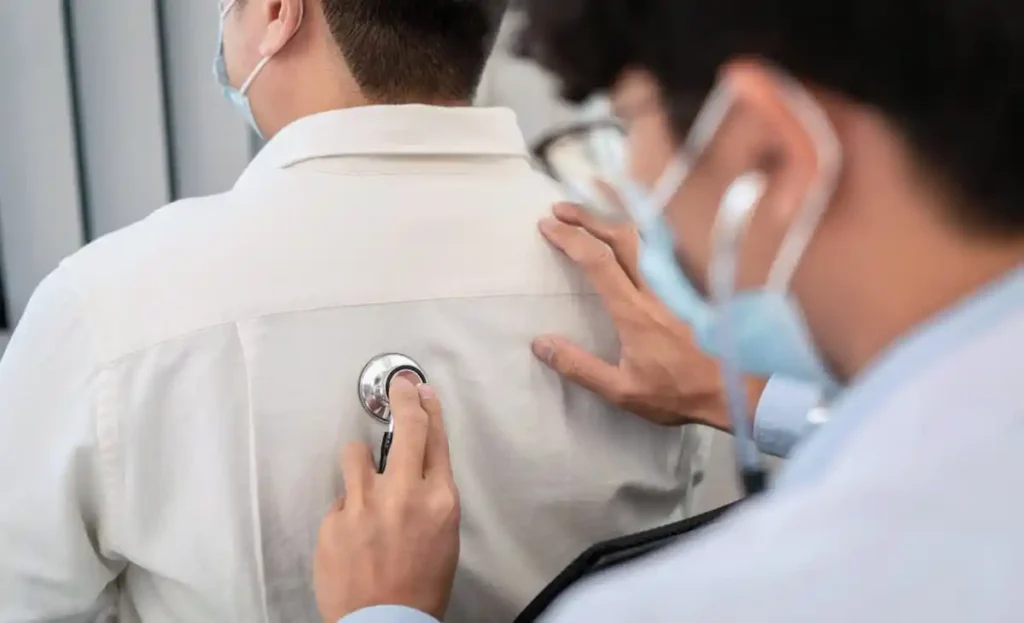
- Cardiovascular Tests: Electrocardiogram (ECG), echocardiogram, or treadmill stress tests if indicated.
- Specialty Assessments: Endoscopy, colonoscopy, or cancer screening as requested.
- Physician Consultation: Review findings, discuss abnormal results, and recommend follow-up plans.
Pro Tip: Many international clinics provide English-language reports within 3–5 business days, sometimes accompanied by a digital PDF or patient portal access.
Step 5: Post-Checkup Care and Follow-Up
- Review results with your physician or teleconsultation if returning to your home country.
- Follow any lifestyle, dietary, or medication recommendations provided by the clinic.
- Schedule follow-up screenings if tests reveal abnormalities.
Example: A patient with elevated liver enzymes may receive a personalized diet and liver function monitoring plan before leaving Korea, ensuring continuity of care abroad.
Step 6: Travel and Accommodation Tips
- Hotel Proximity: Book hotels near the clinic to reduce stress and travel time.
- Transportation: Consider taxi or shuttle services provided by the clinic.
- Cultural & Language Support: Clinics often provide translators or patient coordinators who help with appointments, procedures, and prescription instructions.
Special Considerations for Foreign Patients

- Insurance & Payment: Most clinics accept international credit cards, and some offer direct billing for travel insurance.
- Legal & Privacy Compliance: Clinics in Korea adhere to HIPAA-like standards for patient privacy, ensuring secure handling of medical data.
- Vaccination & COVID-19 Guidelines: Keep updated with current South Korean travel health regulations.
Common Challenges and How to Address Them
| Challenge | Solution |
|---|---|
| Language barriers | Use clinics with multilingual coordinators or translation services |
| Jet lag affecting fasting | Adjust travel schedule, plan overnight stay before morning checkup |
| Special dietary needs | Notify clinic in advance for accommodation of allergies or restrictions |
| Missing medical history | Bring translated medical records or prior lab results |
| Insurance confusion | Confirm coverage or self-pay details before appointment |
Real-World Patient Scenario
Case Study:
A 45-year-old male patient from Germany visited Seoul for a comprehensive health checkup. By following pre-visit fasting, medication guidance, and bringing prior lab reports, he completed a full-body scan, cardiac evaluation, and digestive screening in one day. He received an English report within 3 days, enabling him to consult with his local physician immediately. This demonstrates the efficiency and patient-centered approach of Korea Med Tour clinics in Gangnam.
Key Takeaways
- Proper preparation ensures accurate lab results and smooth experience for foreign patients.
- Fasting, dietary restrictions, and medication management are essential.
- Choosing a certified, internationally accredited clinic with multilingual support enhances convenience and safety.
- Pre-visit planning, travel coordination, and post-checkup follow-up maximize the benefits of preventive healthcare in Korea.
FAQs
What should foreigners prepare before a health checkup in Korea?
Foreigners should follow fasting instructions, adjust medications if needed, bring prior medical records, and choose a certified clinic with multilingual support for accurate results and smooth procedures.
How do I choose the right clinic for a health checkup in Korea?
Select clinics accredited by JCI or Korean medical authorities, with English or multilingual coordinators, comprehensive packages, and experience in preventive health screenings for international patients.
Are there dietary restrictions before a Korean health checkup?
Yes, most labs require 8–12 hours fasting, avoid alcohol, caffeine, and high-fat meals 24–48 hours before tests to ensure accurate blood and metabolic results.
How long does a typical health checkup for foreigners in Korea take?
Depending on the package, comprehensive screenings take 1–2 days, including blood tests, imaging, cardiovascular evaluation, and specialty consultations with results delivered digitally within a few days.
Can foreigners receive post-checkup consultations after leaving Korea?
Yes, many clinics offer telemedicine consultations, detailed English reports, and follow-up guidance, ensuring continuity of care for international patients after returning home.

Korea Med Tour – Trusted Blog for Medical Tourism in Korea
Your Trusted Guide to Medical Tourism in Korea
Korea Med Tour is a leading medical tourism blog dedicated to providing accurate, up-to-date, and trustworthy information for international patients seeking healthcare services in South Korea. Our mission is to help travelers make informed decisions about their medical care while exploring the benefits of Korea’s world-class healthcare system.
With a focus on transparency, reliability, and expert-backed content, Korea Med Tour covers a wide range of medical fields including dermatology, plastic surgery, dental care, health checkups, and wellness services. We aim to empower readers with clear guidance on treatment options, clinic selection, cost expectations, and travel logistics.
What We Offer
- Clinic & Hospital Reviews – In-depth articles and reviews of Korea’s top medical facilities.
- Procedure Guides – Step-by-step explanations of popular medical treatments and aesthetic procedures.
- Patient Stories & Testimonials – Real experiences from international patients visiting Korea.
- Medical Travel Tips – Advice on planning your trip, accommodations, language support, and insurance.
- Health & Wellness Insights – Information on preventive care, checkups, and holistic treatments.
Why Choose Korea Med Tour
- Trusted Information – All content is based on verified sources, expert insights, and up-to-date research.
- Patient-Centered Guidance – We prioritize clarity, safety, and realistic expectations for all readers.
- International-Friendly Resources – Content is tailored for global patients, with practical tips for navigating Korea’s healthcare system.
Explore Korea Med Tour: https://KoreaMedTour.com
Your guide to safe, informed, and seamless medical travel in Korea.