Korea Med Tour in South Korea
A health check-up in Korea is worth it for foreigners seeking fast, comprehensive preventive screening with advanced diagnostics and competitive pricing. Most executive health screening Korea programs allow same-day testing. However, value depends on individual risk factors, insurance coverage, and clear follow-up plans after returning home.
For many foreigners, a health check-up in Korea is worth it—especially for those seeking comprehensive preventive screening, fast results, advanced imaging access, and competitive pricing compared to the U.S., Canada, or parts of Europe. However, value depends on individual risk factors, follow-up planning, insurance coverage, and realistic expectations about what screening can and cannot detect.
Korea is internationally recognized for structured executive health screening programs, same-day diagnostics, and high patient throughput. But whether it is “worth it” requires a balanced evaluation of medical benefit, cost transparency, and continuity of care after you return home.
Table of Contents
What Is a Health Check-Up in Korea?
In Korea, a health check-up (also called a comprehensive medical screening or executive health exam) is a preventive evaluation designed to detect early-stage disease before symptoms appear.
Typical programs may include:
- Blood and urine laboratory tests
- Liver and kidney function panels
- Lipid and glucose screening
- Thyroid function tests
- Chest X-ray
- Electrocardiogram (ECG)
- Abdominal ultrasound
- Gastrointestinal endoscopy (optional)
- Cancer screening tests
- CT, MRI, or low-dose lung CT (premium packages)
Unlike basic annual physicals in some Western systems, Korean health screening centers often bundle multi-organ testing into one coordinated visit.
Why Foreigners Consider Health Screening in Korea
Foreign patients usually fall into three categories:
- Medical tourists combining travel with preventive care
- Expats living in Asia
- Patients facing long wait times in their home country
The appeal is based on three main factors:
- Efficiency (same-day testing)
- Access to advanced diagnostics
- Structured preventive packages
Key Advantages of Health Check-Ups in Korea
1. Efficiency and Time Savings
One of Korea’s strongest advantages is workflow efficiency.
In many major hospitals such as Severance Hospital and Seoul National University Hospital, patients can complete:
- Laboratory testing
- Imaging
- Endoscopy
- Specialist consultation
within one or two days.
In countries with longer public system wait times, advanced imaging may require weeks or months.
For business travelers or short-term visitors, this efficiency is often the primary reason screening is considered worthwhile.
2. Comprehensive Cancer Screening Access
Korea has one of the highest participation rates in national cancer screening programs globally. Screening infrastructure is robust, and early detection is culturally emphasized.
Available options may include:
- Gastroscopy and colonoscopy
- Low-dose CT for lung cancer
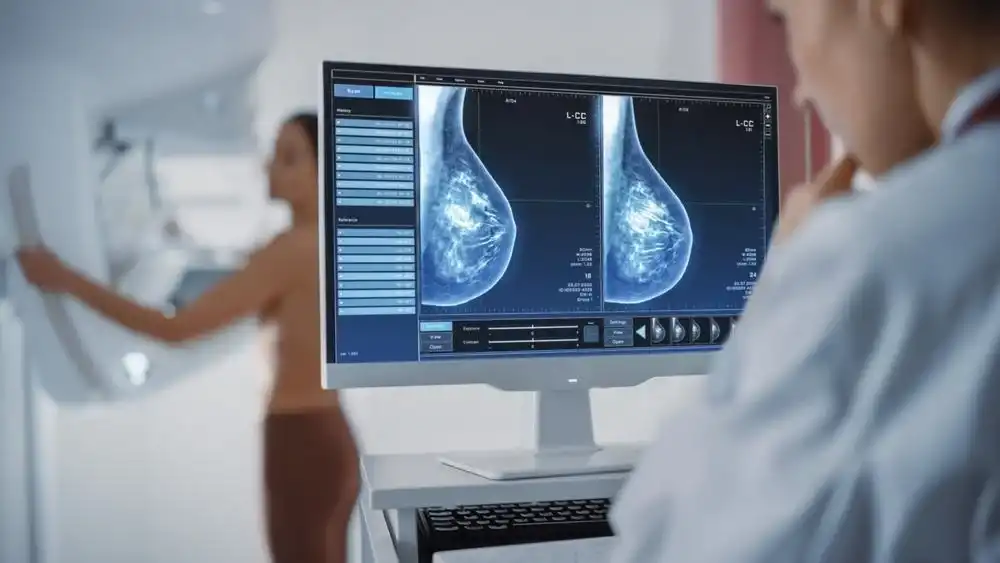
- Breast ultrasound or mammography
- Thyroid ultrasound
- PSA testing
However, it is important to note that screening should be risk-based. Not every patient benefits from high-intensity imaging.
3. Competitive Pricing (Relative to Some Western Countries)
Health screening packages in Korea are often priced lower than equivalent executive check-ups in the United States.
That said, “worth it” does not mean “cheap.” Premium packages with MRI and full-body imaging can still be substantial investments.
The value proposition depends on:
- What is included
- Whether imaging is medically justified
- Whether follow-up is available in your home country
4. Advanced Diagnostic Technology
Korean tertiary hospitals frequently use:
- High-resolution MRI
- 128-slice or higher CT scanners
- AI-assisted radiology interpretation
- Digital pathology integration
This technological infrastructure supports rapid and accurate interpretation.
Limitations Foreign Patients Must Consider
1. Over-Screening Risk
One concern in preventive medicine globally is over-testing.
Excessive imaging may:
- Detect incidental findings
- Trigger unnecessary biopsies
- Increase patient anxiety
Evidence-based guidelines from organizations such as the U.S. Preventive Services Task Force emphasize risk-based screening rather than universal full-body scanning.
A health check-up is worth it only when testing aligns with age, family history, and risk factors.
2. Continuity of Care After You Return Home
If an abnormal result is detected:
- Who will manage follow-up?
- Will your home physician accept external imaging?
- Is translation provided?
This is often overlooked.
A screening is not complete unless follow-up pathways are clear.
3. Insurance Coverage
Many international insurance policies:
- Do not fully reimburse elective preventive packages
- Cover only medically indicated tests
Patients should verify policy details before scheduling.
4. Travel-Related Considerations
Screening often requires:
- Fasting
- Bowel preparation (for colonoscopy)
- Sedation recovery time
Combining intensive screening with tourism may not be ideal.
Who Benefits Most?

Health check-ups in Korea are particularly worthwhile for:
- Individuals over 40
- Patients with family history of cancer
- Smokers or former smokers
- Corporate executives needing fast clearance
- Expats without strong local preventive systems
Less beneficial for:
- Young, low-risk individuals without symptoms
- Patients already undergoing structured annual screening at home
Realistic Outcome Expectations
A comprehensive health check-up can:
- Detect early-stage cancer
- Identify metabolic syndrome
- Reveal fatty liver disease
- Diagnose thyroid nodules
- Uncover asymptomatic cardiovascular risk
However, it cannot:
- Guarantee future disease prevention
- Replace healthy lifestyle habits
- Eliminate need for regular follow-up
Typical Timeline of a Korean Health Check-Up
Day 1:
- Blood tests
- Imaging
- Endoscopy (if scheduled)
Day 2–7:
- Report compilation
- Specialist review
Some centers offer same-week consultations; others provide digital reports for international patients.
Suggested Visual Aids for Better Understanding
- Flowchart of screening process
- Risk-based screening table by age group
- Comparison chart: Korea vs U.S. executive check-up workflow
- Diagram of cancer screening pathways
These improve clarity for international readers.
Is It Safe?
Yes—when conducted in accredited hospitals and supervised by licensed specialists.
Korea maintains strict sterilization protocols, particularly for endoscopic procedures.
Patients should confirm:
- Hospital accreditation
- Board-certified physicians
- Transparent consent forms
- English-language documentation
Cost vs Value: A Balanced View
A health check-up in Korea is worth it when:
- You need comprehensive screening quickly
- You lack timely access in your home country
- You have moderate or high health risk
- You plan follow-up responsibly
It may not be necessary if:
- You are already receiving structured preventive care
- You are low risk and under 30
- You expect screening to replace primary care
Final Answer
A health check-up in Korea is worth it for foreigners who want fast, comprehensive preventive screening with advanced imaging and structured packages. It offers efficiency and competitive pricing, especially for moderate-risk adults. However, value depends on appropriate test selection, insurance coverage, and clear follow-up plans after returning home.
Preventive medicine is most effective when screening is personalized, not excessive. When approached thoughtfully, Korea’s health screening system can provide meaningful early detection—provided patients plan responsibly and prioritize evidence-based care over convenience alone.

FAQs
Is a health check-up in Korea worth it for foreigners compared to the US or Europe?
A health check-up in Korea worth it for foreigners often depends on access and timing. Executive health screening Korea programs provide faster scheduling and bundled diagnostics compared to some Western systems, but long-term follow-up should be arranged in your home country.
What is included in a medical check-up in Korea for foreigners?
A medical check-up in Korea for foreigners typically includes blood tests, imaging (X-ray or ultrasound), ECG, and optional endoscopy or MRI. Executive health screening Korea packages may add cancer screening and advanced diagnostic tests.
How long does a Korea medical tourism health check take?
Most Korea medical tourism health check programs are completed in one day, with results reviewed within several days. Premium executive health screening Korea packages may require two days for comprehensive imaging.
Is executive health screening Korea safe and accurate?
Yes. Executive health screening Korea programs in accredited hospitals use advanced imaging and laboratory systems. Accuracy depends on evidence-based test selection and interpretation by licensed specialists.
Who benefits most from a health check-up in Korea worth it for foreigners?
A health check-up in Korea worth it for foreigners is most beneficial for individuals over 40, those with family history of cancer, business travelers needing rapid evaluation, and expats seeking structured preventive care.

Korea Med Tour – Trusted Blog for Medical Tourism in Korea
Your Trusted Guide to Medical Tourism in Korea
Korea Med Tour is a leading medical tourism blog dedicated to providing accurate, up-to-date, and trustworthy information for international patients seeking healthcare services in South Korea. Our mission is to help travelers make informed decisions about their medical care while exploring the benefits of Korea’s world-class healthcare system.
With a focus on transparency, reliability, and expert-backed content, Korea Med Tour covers a wide range of medical fields including dermatology, plastic surgery, dental care, health checkups, and wellness services. We aim to empower readers with clear guidance on treatment options, clinic selection, cost expectations, and travel logistics.
What We Offer
- Clinic & Hospital Reviews – In-depth articles and reviews of Korea’s top medical facilities.
- Procedure Guides – Step-by-step explanations of popular medical treatments and aesthetic procedures.
- Patient Stories & Testimonials – Real experiences from international patients visiting Korea.
- Medical Travel Tips – Advice on planning your trip, accommodations, language support, and insurance.
- Health & Wellness Insights – Information on preventive care, checkups, and holistic treatments.
Why Choose Korea Med Tour
- Trusted Information – All content is based on verified sources, expert insights, and up-to-date research.
- Patient-Centered Guidance – We prioritize clarity, safety, and realistic expectations for all readers.
- International-Friendly Resources – Content is tailored for global patients, with practical tips for navigating Korea’s healthcare system.
Explore Korea Med Tour: https://KoreaMedTour.com
Your guide to safe, informed, and seamless medical travel in Korea.