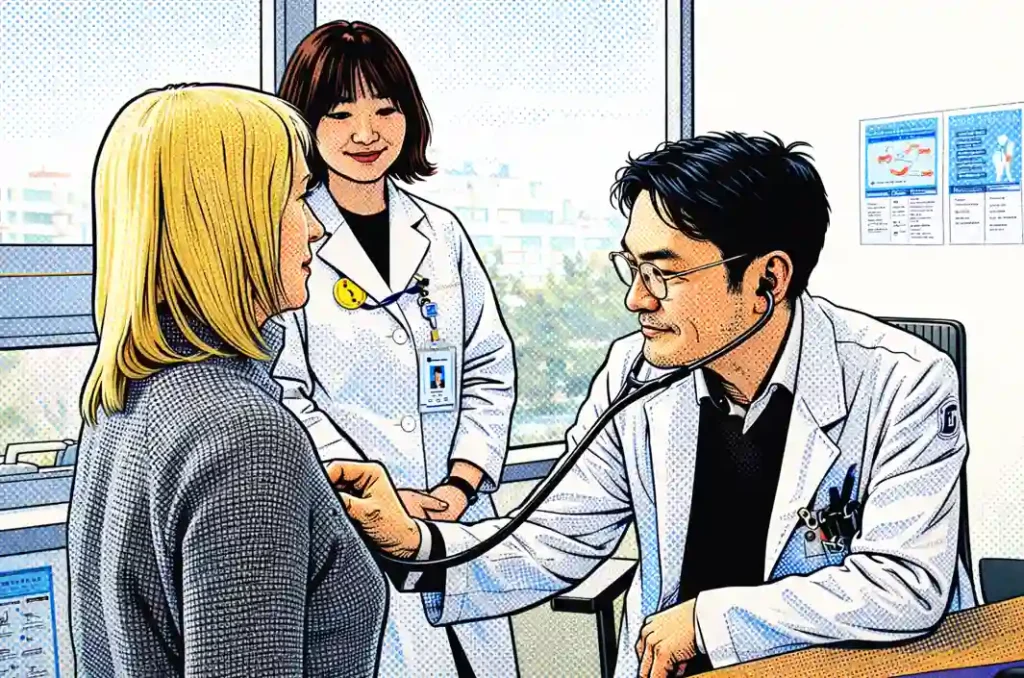

What are the advantages of medical treatment in Korea? The advantages of medical treatment in Korea include advanced medical technology, highly skilled specialists, fast access to care, and affordable costs. Patients also benefit from modern hospitals, comprehensive health screenings, and efficient, patient-centered services, making Korea a leading medical tourism destination in 2026.
KoreaMedTour.com
Quick Summary
Medical treatment in South Korea offers a strong balance of affordability, advanced technology, and high-quality care, typically costing 30–70% less than in many Western countries while maintaining excellent safety standards and clinical outcomes.
Key Insights:
Advanced Technology: AI diagnostics, robotic surgery, and minimally invasive techniques
Expert Doctors: Highly trained specialists with global experience
Fast Access: Minimal waiting times for consultations and procedures
Comprehensive Care: Full health screenings and personalized treatment plans
Cost Efficiency: High-quality treatment at significantly lower prices
Costs and outcomes may vary depending on hospital reputation, physician expertise, and treatment complexity.
Table of Contents
What Makes Korea a Leading Medical Tourism Destination?
Over the past decade, South Korea has evolved into a global healthcare hub by integrating highly trained specialists, modern hospital infrastructure, and government-supported international patient programs. Unlike many countries where quality and cost are inversely related, Korea offers a rare balance of both.
From a clinical and operational perspective, hospitals in major cities such as Seoul deliver care that meets or exceeds international benchmarks while maintaining streamlined processes for foreign patients.
Advanced Medical Technology and Innovation
Cutting-Edge Equipment and Procedures
Korean hospitals are early adopters of advanced technologies, including:
- Robotic-assisted surgery systems
- AI-based diagnostic imaging
- 3D simulation for surgical planning
- Minimally invasive techniques (laparoscopy, endoscopy)
These technologies improve:
- Surgical precision
- Recovery time
- Patient safety
Real-World Example
In ophthalmology, procedures such as SMILE LASIK and LASEK are performed using femtosecond laser platforms, reducing complications and improving visual outcomes compared to older LASIK methods.
Highly Skilled and Specialized Medical Professionals
International-Level Training and Expertise
Many Korean doctors:
- Receive training in the US or Europe
- Participate in global research and clinical trials
- Maintain board certifications and subspecialties
This results in deep expertise in niche procedures, including:
- Cosmetic and reconstructive surgery
- Oncology (cancer treatment)
- Dermatology and anti-aging medicine
- Orthopedic and spine surgery
Why This Matters
Specialization directly impacts outcomes. For example:
- A surgeon performing 1,000+ procedures annually will generally have lower complication rates than a generalist.
- Korea’s system encourages high procedural volume + specialization, improving consistency and safety.
Cost-Effective Treatment Without Compromising Quality
Price Advantage (30–70% Lower)
Compared to the US, Canada, or Western Europe:
| Procedure | USA Average | Korea Average |
|---|---|---|
| Rhinoplasty | $8,000–15,000 | $3,000–10,000 |
| LASIK/LASEK | $4,000–6,000 | $1,500–3,500 |
| Health Checkup | $2,000+ | $300–800 |
Why Costs Are Lower
- Efficient healthcare system
- Lower administrative overhead
- Government price regulation
- High patient volume
Important: Lower cost does NOT mean lower quality. Korea maintains strict regulatory oversight through national health authorities.
Short Waiting Times and Fast Access to Care
Immediate Scheduling Advantage
In many countries, patients wait:
- Weeks to months for specialist appointments
- Months for elective surgery
In Korea:
- Consultations often available within days
- Surgeries scheduled within 1–2 weeks
Clinical Impact
Faster treatment leads to:
- Earlier diagnosis
- Reduced disease progression
- Better overall outcomes
Example
Cancer patients benefit significantly from rapid diagnostic workflows, where imaging, biopsy, and treatment planning can occur within a few days.
Comprehensive Health Screening Programs
Preventive Medicine Strength
Korea is globally recognized for its advanced health checkup programs, which include:
- Full-body imaging (CT, MRI, ultrasound)
- Cancer screening panels
- Cardiovascular risk analysis
- Genetic testing (in some centers)
Why This Is Important
Preventive screening helps detect:
- Early-stage cancers
- Metabolic diseases
- Cardiovascular risks
Outcome: Higher survival rates and reduced long-term healthcare costs.
Strong Focus on Patient Safety and Quality Control
Accreditation and Regulation
Top hospitals in Korea are accredited by:
- Joint Commission International (JCI)
- Korean Institute for Healthcare Accreditation (KOIHA)
Safety Protocols Include:
- Infection control systems
- Surgical safety checklists
- Real-time monitoring technologies
Risk Management
Common risks such as infection or complications are minimized through:
- Sterile operating environments
- Post-operative monitoring systems
- Standardized clinical pathways
Integrated Medical Tourism Infrastructure
End-to-End Patient Support
Korea offers a highly organized system for international patients:
- Medical visa assistance
- Multilingual coordinators
- Airport pickup and concierge services
- Accommodation partnerships
Language Accessibility
Hospitals commonly provide support in:
- English
- Chinese
- Japanese
- Russian
This reduces communication errors and improves patient confidence.
Leadership in Cosmetic and Aesthetic Medicine
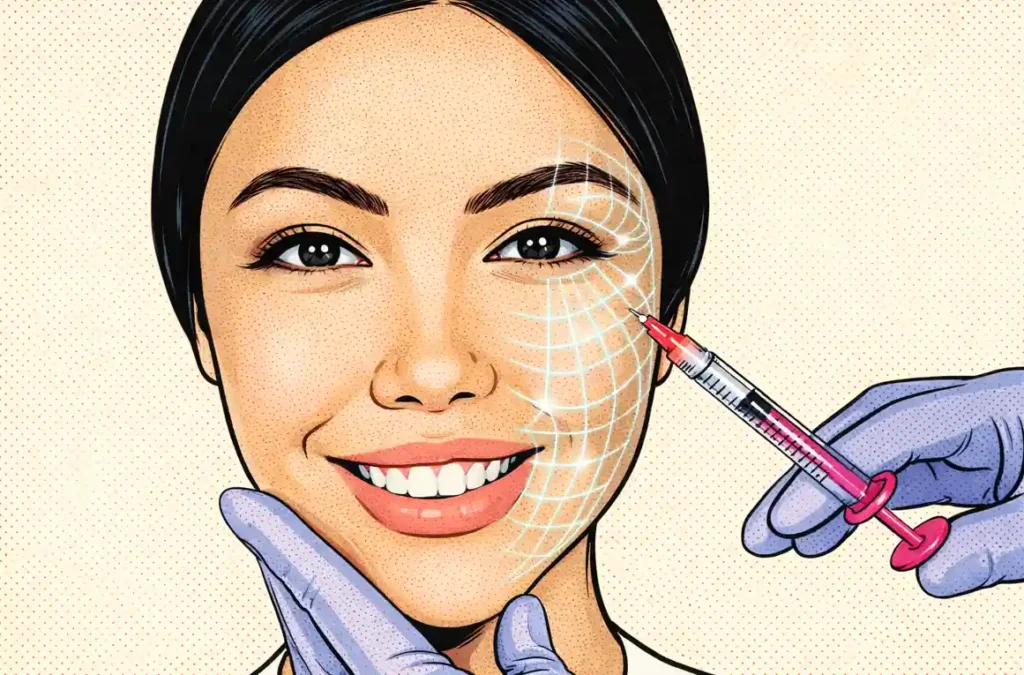
Global Reputation
Korea is widely regarded as a leader in:
- Plastic surgery
- Dermatology
- Anti-aging treatments
Why Korea Excels
- High procedural volume
- Advanced techniques
- Strong aesthetic standards
Example Procedures
- Double eyelid surgery
- Rhinoplasty
- Skin rejuvenation (laser, RF, injectables)
Clinical Insight: High repetition of procedures leads to refined techniques and predictable outcomes.
Efficient Digital Healthcare Systems
Smart Hospitals and AI Integration
Many Korean hospitals use:
- Electronic medical records (EMR)
- AI-assisted diagnostics
- Automated appointment systems
Benefits
- Reduced administrative errors
- Faster diagnosis
- Seamless patient experience
Convenient Geographic Location and Travel Access
Accessibility from Asia and Beyond
Korea is strategically located with:
- Major international airports
- Visa-friendly policies for medical tourists
Travel times from nearby countries (Japan, China, Southeast Asia) are typically under 5 hours.
Potential Risks and Considerations
A balanced perspective is essential for trustworthiness.
Possible Challenges
- Language barriers outside major hospitals
- Variability between clinics (especially in cosmetic sector)
- Need for proper post-treatment follow-up when returning home
How to Minimize Risks
- Choose accredited hospitals
- Verify doctor credentials
- Ensure clear post-care plans
- Avoid price-driven decisions alone
Who Should Consider Medical Treatment in Korea?
Ideal Candidates
- Patients seeking high-quality care at lower cost
- Individuals needing elective procedures with minimal wait time
- Medical tourists combining treatment with travel
- Patients requiring advanced diagnostics or specialized procedures
FAQ Section

What are the main advantages of medical treatment in Korea?
The advantages of medical treatment in Korea include advanced medical technology, highly skilled doctors, affordable healthcare costs, and shorter waiting times. These medical tourism Korea benefits make it a top choice for international patients seeking high-quality care.
Why is healthcare in Korea popular for foreigners?
Healthcare in Korea for foreigners is popular due to modern hospitals, multilingual support, and efficient services. The advantages of medical treatment in Korea also include comprehensive health screenings and personalized care, which enhance patient safety and satisfaction.
Is medical treatment in Korea affordable compared to other countries?
Yes, one of the key advantages of medical treatment in Korea is cost-effectiveness. Korea hospital cost advantages allow patients to receive high-quality procedures at 30–70% lower prices compared to the US or Europe, without compromising safety or outcomes.
How safe is medical treatment in Korea for international patients?
The advantages of medical treatment in Korea include strict safety regulations, accredited hospitals, and experienced specialists. Combined with advanced technology, these medical tourism Korea benefits ensure a high level of safety and reliable clinical outcomes.
What types of treatments are Korea best known for?
Korea is known for cosmetic surgery, dermatology, health screenings, and advanced surgeries. The advantages of medical treatment in Korea include specialized expertise and innovative techniques, making it a global leader in both medical and aesthetic procedures.
Final Takeaway
From a clinical and operational standpoint, South Korea represents one of the most efficient and advanced healthcare ecosystems globally. Its strength lies not in a single factor, but in the integration of technology, expertise, affordability, and patient-centered systems.
For international patients in 2026, the decision to seek treatment in Korea is often driven by a simple equation:
High quality + fast access + reasonable cost = optimal healthcare value

Korea Med Tour – Trusted Blog for Medical Tourism in Korea
Korea Med Tour is a trusted medical tourism content platform providing accurate, research-based healthcare information for international patients considering treatment in Korea.
Our editorial team specializes in global patient guidance, treatment insights, clinic selection, and medical travel planning. All content is developed using verified medical sources and structured editorial review processes to ensure clarity, safety, and reliability.
We are committed to helping international patients make informed and confident medical travel decisions when choosing Korea as their healthcare destination.