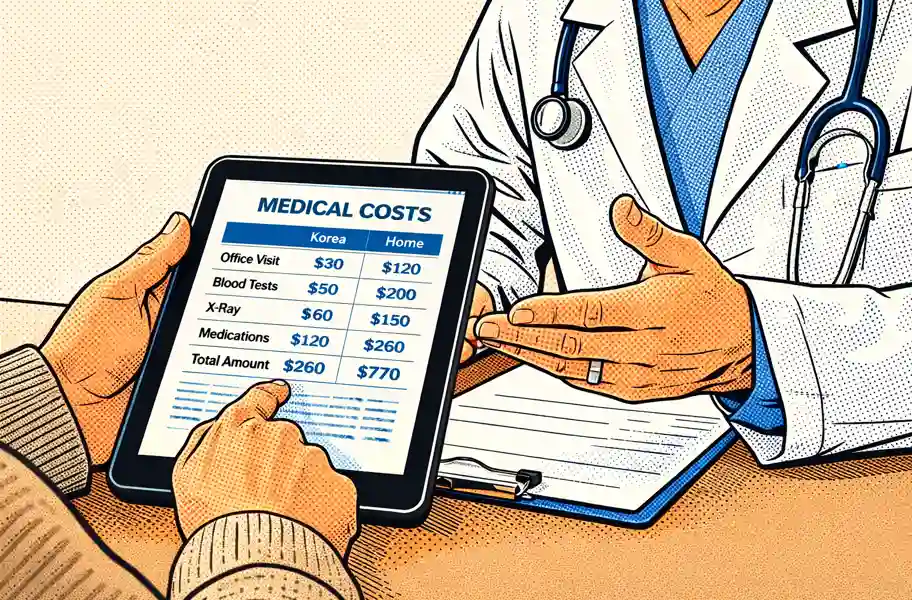

How much does IVF treatment cost in Korea in 2026? IVF treatment cost in Korea in 2026 typically ranges from ₩3,000,000 to ₩8,000,000 per cycle ($2,200–$6,000 USD). The final price depends on medications, clinic expertise, and optional procedures like genetic testing or ICSI, which can increase the total cost.
KoreaMedTour.com
Quick Summary
IVF treatment cost in Korea is significantly more affordable than in many Western countries—typically 30–70% lower—while maintaining high standards of medical care, advanced embryology labs, and experienced fertility specialists.
Key Insights:
- IVF treatment cost in Korea: ~$2,200–$6,000 per cycle (₩3M–₩8M)
- IVF cost Korea for foreigners (total): ~$4,500–$12,000 including travel
- Medications (major variable): ~$800–$2,500 depending on response
- ICSI (if needed): ~$400–$1,000
- Genetic testing (PGT-A): ~$1,500–$4,000
- Frozen embryo transfer (FET): ~$800–$2,500
- Recommended cycles: typically 2–3 for optimal success
- IVF success rate Korea cost efficiency: ~30–55% depending on age
- Treatment timeline: typically 2–3 weeks per cycle
- Total realistic budget: ~$5,000–$15,000 for multiple cycles
Why It’s More Affordable:
- High-volume fertility clinics with optimized systems
- Competitive private sector pricing
- Advanced lab technology widely available
- Efficient treatment protocols reducing unnecessary procedures
- Strong medical tourism infrastructure for international patients
What Affects IVF Cost in Korea:
- Age and ovarian reserve (AMH levels)
- Medication dosage and stimulation response
- Need for add-ons (ICSI, PGT-A, freezing)
- Number of cycles required
- Clinic expertise and lab quality
👉 Bottom line: IVF treatment cost in Korea offers one of the best global balances between price, success rate, and medical quality, making it a leading destination for fertility treatment in 2026.
Table of Contents
What Is IVF and Why Cost Varies
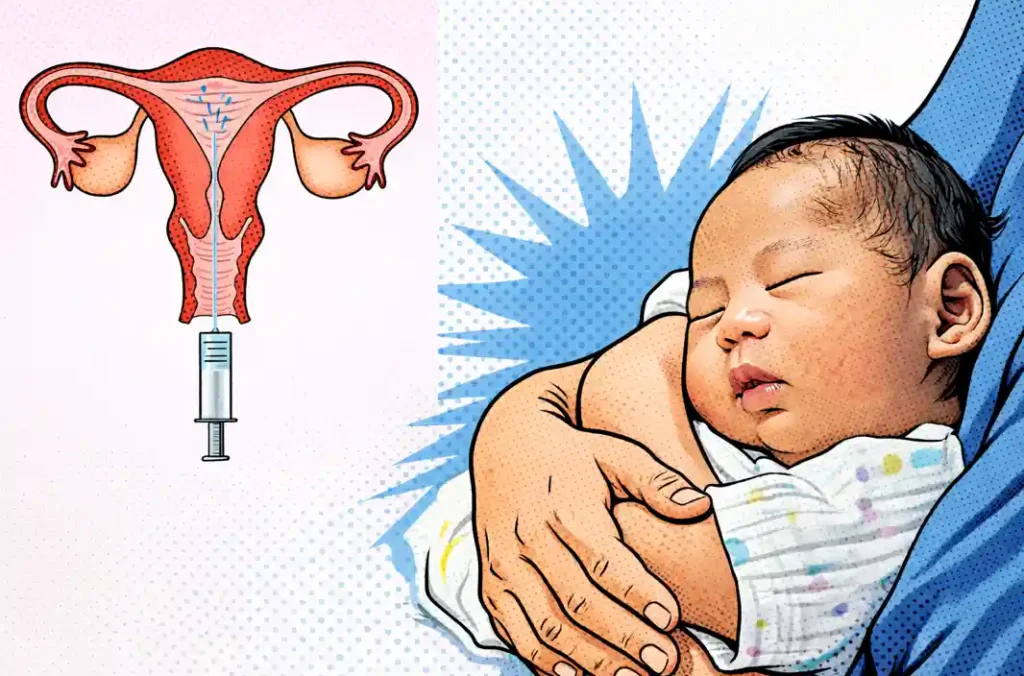
IVF (In Vitro Fertilization) is an assisted reproductive technology where eggs are retrieved, fertilized in a lab, and transferred into the uterus.
Core IVF Steps (Cost Drivers)
- Ovarian stimulation (hormone injections)
- Egg retrieval procedure
- Fertilization (standard IVF or ICSI)
- Embryo culture (3–5 days)
- Embryo transfer
- Pregnancy testing and follow-up
Each step involves different medical resources, which explains cost variation.
Average IVF Cost in Korea (2026 Breakdown)
Base IVF Cycle Cost
| Component | Typical Cost (KRW) | Notes |
|---|---|---|
| Initial consultation & tests | ₩200,000–₩800,000 | Includes hormone tests, ultrasound |
| Ovarian stimulation meds | ₩1,000,000–₩3,000,000 | Major cost variable |
| Egg retrieval | ₩800,000–₩1,500,000 | Includes anesthesia |
| Fertilization (IVF/ICSI) | ₩500,000–₩1,500,000 | ICSI costs more |
| Embryo transfer | ₩300,000–₩700,000 | Fresh or frozen |
| Total (per cycle) | ₩3,000,000–₩8,000,000 | Core range |
Optional Add-Ons That Increase Cost
These are often recommended based on patient condition—not always necessary.
Common Add-Ons
| Procedure | Cost (KRW) | Purpose |
|---|---|---|
| ICSI (Intracytoplasmic Sperm Injection) | ₩500,000–₩1,000,000 | Male infertility |
| PGT-A genetic testing | ₩2,000,000–₩5,000,000 | Embryo screening |
| Embryo freezing | ₩300,000–₩800,000 | Future use |
| Assisted hatching | ₩200,000–₩500,000 | Improve implantation |
| Frozen embryo transfer (FET) | ₩1,000,000–₩3,000,000 | Separate cycle |
👉 Real-world example:
A 38-year-old patient with previous failed IVF may require ICSI + PGT-A, pushing total cost to ₩10M+ per cycle.
Why IVF Is More Affordable in Korea
South Korea is considered one of the most cost-efficient advanced fertility destinations globally, while maintaining high clinical standards.
Key Reasons
- Government-regulated pricing structures
- High patient volume → optimized systems
- Advanced lab technology widely available
- Competitive private fertility clinics
Success Rates vs Cost: What You Should Know
Cost alone is not the key factor—success rate per cycle determines true value.
Typical IVF Success Rates in Korea (2026)
- Under 35: 45–55% per cycle
- 35–39: 30–40%
- 40+: 10–25%
👉 This means some patients may need 2–3 cycles, significantly increasing total cost.
Total Cost for International Patients

If you are traveling to Korea for IVF, consider:
Additional Expenses
| Item | Estimated Cost |
|---|---|
| Flights | $500–$1,500 |
| Accommodation (2–4 weeks) | $1,000–$3,000 |
| Translation/coordination | $300–$1,000 |
| Transportation | $100–$300 |
Total Estimated Budget
👉 $4,500–$12,000 USD (₩6M–₩16M)
IVF Cost in Korea vs Other Countries
| Country | Average Cost per Cycle |
|---|---|
| USA | $12,000–$20,000 |
| UK | $7,000–$12,000 |
| Japan | $4,000–$7,000 |
| Korea | $2,200–$6,000 |
👉 Korea offers 30–70% lower cost compared to Western countries.
What Is Usually Included (and Not Included)
Included
- Ultrasound monitoring
- Egg retrieval procedure
- Lab fertilization
- Embryo transfer
Often NOT Included
- Medications (biggest hidden cost)
- Genetic testing (PGT)
- Frozen embryo storage fees
- Additional cycles
How Many IVF Cycles Should You Budget For?
Clinically, IVF is not a one-attempt treatment.
Realistic Expectation
- Average: 2–3 cycles
- Complex cases: 3–5 cycles
👉 Total realistic budget:
₩6,000,000–₩20,000,000 ($4,500–$15,000 USD)
Risks That Can Increase Cost
Certain medical factors directly affect cost:
Patient Factors
- Age (especially 38+)
- Low ovarian reserve (AMH levels)
- Male infertility
- Endometriosis or PCOS
Treatment Risks
- Cycle cancellation (no viable eggs)
- Failed fertilization
- Implantation failure
Each failed cycle = additional full cost.
How to Reduce IVF Costs in Korea
Practical Strategies (Clinically Used)
- Choose package pricing clinics
- Avoid unnecessary add-ons (only when medically indicated)
- Use frozen embryos for future cycles (cheaper than full IVF)
- Optimize health before treatment (improves success rate)
Timeline: How Long IVF Takes in Korea
Typical IVF Timeline
- Consultation & testing: 1–3 days
- Ovarian stimulation: 10–14 days
- Egg retrieval: 1 day
- Embryo transfer: 3–5 days later
👉 Total stay: 2–3 weeks
FAQ Section

How much is IVF treatment cost in Korea in 2026?
IVF treatment cost in Korea typically ranges from ₩3,000,000 to ₩8,000,000 per cycle. However, IVF cost Korea for foreigners may increase depending on medications, add-ons, and the number of treatment cycles required.
Why is IVF cost in Korea cheaper compared to other countries?
Fertility treatment Korea price is lower due to high patient volume, efficient clinical systems, and competitive private clinics. Despite lower costs, IVF success rate Korea cost remains competitive with global standards.
What factors affect IVF treatment cost in Korea?
IVF treatment cost in Korea varies based on age, medications, use of ICSI or genetic testing, and clinic expertise. Additional procedures can significantly increase the overall fertility treatment Korea price.
Is IVF cost in Korea worth it for international patients?
Yes. IVF cost Korea for foreigners is still significantly lower than in Western countries, even after travel expenses. Many patients choose Korea for its balance of affordability and high IVF success rate Korea cost efficiency.
How many IVF cycles should I budget for in Korea?
While one cycle may cost ₩3M–₩8M, most patients require 2–3 cycles. This makes total IVF treatment cost in Korea higher, depending on individual fertility conditions and treatment response.
Final Takeaway
- IVF in Korea is affordable, high-quality, and widely accessible
- Base cost: ₩3M–₩8M per cycle
- Real total cost depends on cycles + add-ons
- Budget realistically for 2–3 cycles
- Focus on success rate, not just price
From a clinical and cost-efficiency standpoint, the biggest mistake patients make is underestimating total treatment cost by focusing only on one cycle. IVF is a process, not a single procedure. Choosing a clinic with strong lab quality and personalized protocols often reduces the number of cycles needed—ultimately saving both time and money.

Korea Med Tour – Trusted Blog for Medical Tourism in Korea
Korea Med Tour is a trusted medical tourism content platform providing accurate, research-based healthcare information for international patients considering treatment in Korea.
Our editorial team specializes in global patient guidance, treatment insights, clinic selection, and medical travel planning. All content is developed using verified medical sources and structured editorial review processes to ensure clarity, safety, and reliability.
We are committed to helping international patients make informed and confident medical travel decisions when choosing Korea as their healthcare destination.