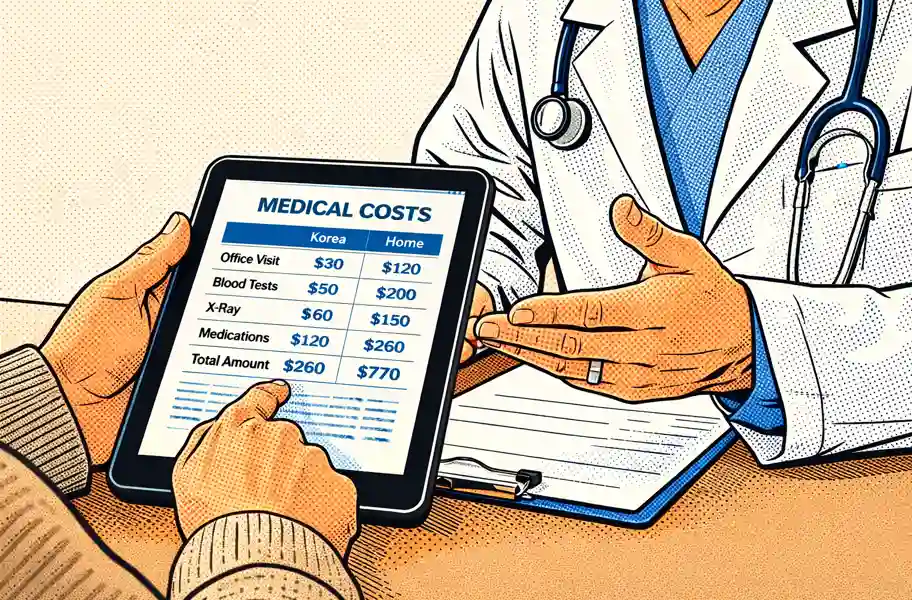
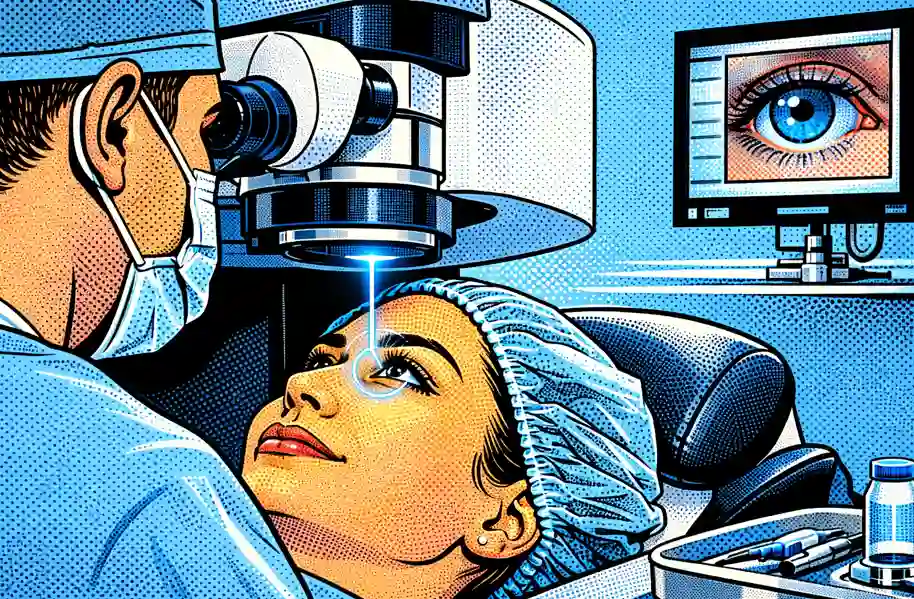
How much does LASIK surgery cost in Korea in 2026? In 2026, LASIK surgery in Korea typically costs ₩1,200,000 to ₩3,500,000 per eye (approximately $900–$2,600 USD per eye), depending on the technology used, surgeon expertise, and clinic reputation. Premium procedures such as “SMILE” or customized wavefront LASIK can cost more.
KoreaMedTour.com
Quick Summary
LASIK Surgery Cost in Korea (2026) offers a cost-effective and advanced solution for vision correction, combining world-class technology with experienced surgeons at competitive prices.
Key Advantages:
- Competitive pricing (₩1.2M–₩3.5M per eye)
- Advanced laser technology (“SMILE”, femtosecond LASIK)
- Highly experienced, high-volume surgeons
- Fast recovery and minimal downtime
- Strong international patient support in major clinics
Most Popular Procedures:
LASIK, “SMILE” (Small Incision Lenticule Extraction), and LASEK/PRK for patients with thinner corneas.
Table of Contents

What Determines LASIK Surgery Cost in Korea?
LASIK pricing in Korea is not fixed because it reflects a combination of technology, clinical expertise, and patient-specific factors. Understanding these variables helps patients make informed decisions rather than choosing based on price alone.
1. Type of Vision Correction Procedure
Not all “LASIK” procedures are the same. Costs vary significantly depending on the method:
| Procedure Type | Typical Cost (Per Eye) | Key Features |
|---|---|---|
| Standard LASIK | ₩1.2M – ₩2.0M | Basic flap-based correction |
| Femtosecond LASIK | ₩1.8M – ₩2.8M | Blade-free, more precise flap creation |
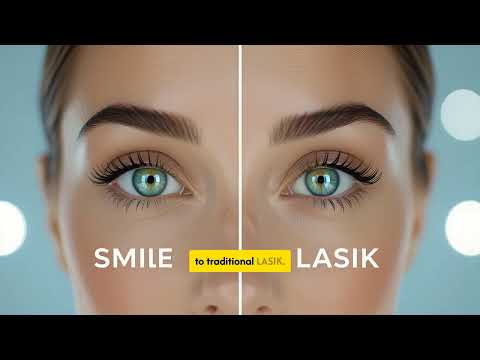
| “SMILE” (Small Incision Lenticule Extraction) | ₩2.5M – ₩3.5M | Minimally invasive, no flap |
| LASEK / PRK | ₩1.0M – ₩1.8M | Surface-based, longer recovery |
Clinical insight:
“SMILE” has gained popularity in Korea due to reduced dry eye symptoms and faster corneal stability, but it comes at a premium due to specialized equipment.
2. Surgeon Expertise and Clinic Reputation
Korea is known globally for advanced ophthalmology centers. Costs often increase with:
- Board-certified ophthalmologists with 10+ years of refractive surgery experience
- High surgical volume clinics (thousands of procedures annually)
- Clinics specializing in international patients
Real-world example:
In Seoul’s Gangnam district, clinics with internationally trained surgeons and multilingual care teams often charge 20–40% more than smaller regional clinics.
3. Technology and Diagnostic Equipment
Modern LASIK relies heavily on preoperative diagnostics and laser precision systems.
Higher-cost clinics typically include:
- Wavefront-guided or topography-guided LASIK
- Corneal thickness mapping (Pentacam, OCT imaging)
- Eye-tracking laser systems
- AI-assisted surgical planning (emerging in 2025–2026)
Why this matters:
Advanced diagnostics improve customization, which directly impacts visual outcomes and reduces complications like halos or night glare.
4. Pre- and Post-Operative Care
Some clinics advertise low prices but exclude essential services.
Always check if the price includes:
- Comprehensive eye exam (₩50,000–₩150,000 value)
- Post-op medications (antibiotic + anti-inflammatory drops)
- Follow-up visits (typically 3–6 months)
- Enhancement surgery (if needed)
Expert tip:
A slightly higher upfront cost with full follow-up care is often more cost-effective long-term.
Why Korea Is a Global Destination for LASIK
Korea has become a leading hub for vision correction surgery due to several factors:
Advanced Medical Infrastructure
Korean ophthalmology clinics frequently adopt the latest laser technologies earlier than many Western countries.
Competitive Pricing
Compared to the U.S. or Europe:
- U.S.: $2,000–$4,000 per eye
- Korea: $900–$2,600 per eye
This cost difference exists despite similar or superior technology in many Korean clinics.
High Procedure Volume
Surgeons in Korea often perform hundreds of procedures per month, increasing technical precision and consistency.
Step-by-Step LASIK Process in Korea
Understanding the full process helps clarify where costs come from.
Step 1: Pre-Surgery Evaluation
- Vision test (refraction)
- Corneal thickness measurement
- Tear film analysis
- Retinal examination
Outcome: Determines eligibility and safest procedure type.
Step 2: Surgery (10–20 minutes per eye)
- Local anesthetic eye drops applied
- Corneal flap created (LASIK) or small incision (“SMILE”)
- Laser reshapes cornea
Patient experience:
Most patients report no pain, only slight pressure.
Step 3: Recovery
- LASIK: Functional vision within 24–48 hours
- “SMILE”: Slightly slower initial clarity but stable long-term
- PRK/LASEK: 3–5 days discomfort, longer healing
Step 4: Follow-Up Care
- Day 1, Week 1, Month 1, Month 3 checkups
- Monitoring for dry eye, inflammation, or regression
Risks and Complications (And How Cost Relates)
LASIK is generally safe, but risks exist:
Common Side Effects
- Dry eyes (temporary)
- Night glare or halos
- Light sensitivity
Rare Complications
- Infection
- Corneal ectasia (very rare with proper screening)
- Undercorrection or overcorrection
Important insight:
Lower-cost clinics may cut corners on screening or follow-up care, which increases risk. High-quality diagnostics significantly reduce complication rates.
How to Choose a LASIK Clinic in Korea

Price should never be the only factor. Use this checklist:
1. Verify Surgeon Credentials
- Board-certified ophthalmologist
- Specialization in refractive surgery
- Years of experience and case volume
2. Evaluate Technology
- Femtosecond laser availability
- Wavefront or customized LASIK options
- Modern diagnostic imaging systems
3. Review Patient Outcomes
- Before/after data
- Complication rates
- Real patient reviews (not just marketing testimonials)
4. Transparency in Pricing
- Ask for all-inclusive quotes
- Confirm no hidden fees
Is LASIK in Korea Worth the Cost?
For most patients, LASIK in Korea offers high value for money due to:
- Competitive pricing
- Advanced technology
- Highly experienced surgeons
Cost vs. Lifetime Value
Consider the long-term savings:
| Expense | Annual Cost | 10-Year Cost |
|---|---|---|
| Glasses | ₩200,000–₩500,000 | ₩2M–₩5M |
| Contact lenses | ₩500,000–₩1M | ₩5M–₩10M |
| LASIK (one-time) | ₩2M–₩6M total | One-time |
Conclusion:
LASIK often becomes cost-effective within 3–5 years, depending on lifestyle.
Who Is a Good Candidate for LASIK?
You may be suitable if you:
- Are over 18 years old
- Have stable vision for at least 1 year
- Have sufficient corneal thickness
- Do not have severe dry eye or corneal disease
Not ideal candidates:
- Pregnant or breastfeeding individuals
- Patients with keratoconus
- Extremely high prescriptions (may require alternative procedures)
Alternatives to LASIK (Cost Comparison)
If LASIK isn’t suitable, Korea offers other options:
| Procedure | Cost (Per Eye) | Best For |
|---|---|---|
| “SMILE” | ₩2.5M–₩3.5M | Less dry eye, active lifestyles |
| ICL (Implantable Contact Lens) | ₩4M–₩7M | High myopia |
| PRK/LASEK | ₩1M–₩1.8M | Thin corneas |
Practical Tips from Clinical Experience
- Avoid “too cheap” promotions: Often exclude essential care
- Schedule surgery early in your trip: Allows time for follow-ups
- Stop wearing contact lenses in advance:
- Soft lenses: 3–7 days
- Hard lenses: 2–3 weeks
- Plan for dry eye management: Artificial tears are commonly needed post-surgery
FAQ Section
What is the average LASIK surgery cost in Korea in 2026?
The LASIK surgery cost in Korea typically ranges from ₩1.2M to ₩3.5M per eye. The final LASIK price Korea 2026 depends on the clinic, surgeon expertise, and whether advanced procedures like “SMILE” are used.
Why is LASIK surgery cost in Korea cheaper than other countries?
LASIK surgery cost in Korea is lower due to high procedure volume, advanced local technology, and competitive medical pricing. Despite the lower cost, vision correction surgery Korea price remains high-quality and globally competitive.
Is “SMILE” eye surgery more expensive than LASIK in Korea?
Yes, “SMILE” eye surgery Korea cost is generally higher, ranging from ₩2.5M to ₩3.5M per eye. It uses minimally invasive technology and offers benefits like reduced dry eye symptoms compared to traditional LASIK.
Does LASIK surgery cost in Korea include follow-up care?
Some clinics include full packages, while others charge separately. When evaluating LASIK surgery cost in Korea, always confirm if exams, medications, and follow-ups are included in the total vision correction surgery Korea price.
How can I choose the best clinic for LASIK in Korea?
To choose the best clinic, compare LASIK surgery cost in Korea alongside surgeon experience, technology used, and patient reviews. Avoid choosing solely based on low LASIK price Korea 2026, as quality and safety are critical.
Final Takeaway
LASIK surgery cost in Korea ranges widely, but the country offers an exceptional balance of price, safety, and technology. The key is not to choose the cheapest option, but the most appropriate procedure with a qualified surgeon and comprehensive care.
For most patients, Korea remains one of the best global destinations for vision correction—provided you approach the decision with informed, medically grounded judgment rather than price alone.