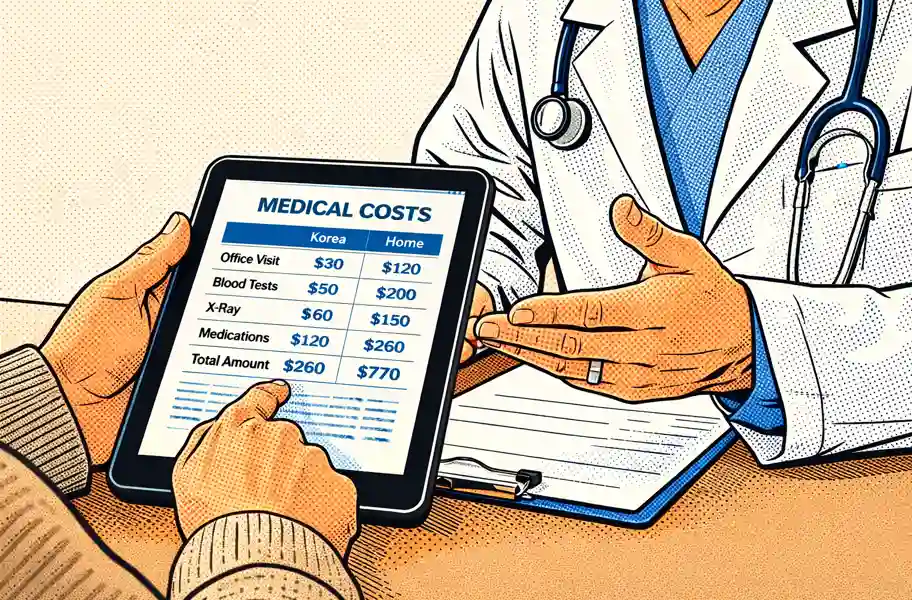
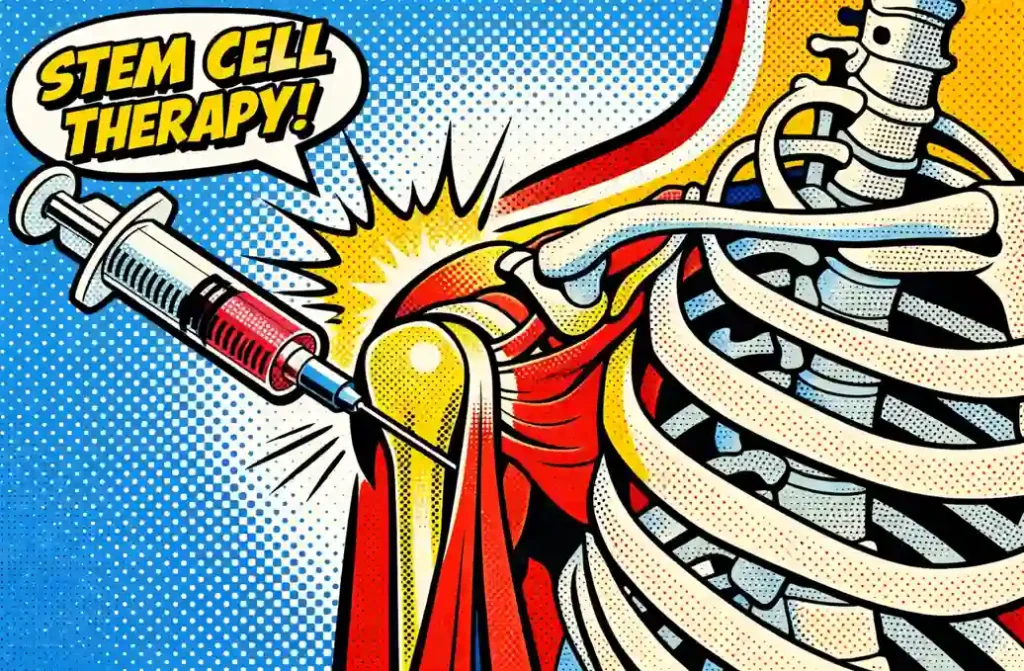
How much does stem cell therapy cost in Korea? Stem cell therapy cost in Korea typically ranges from ₩3,000,000 to ₩30,000,000 ($2,200–$22,000+) per session, depending on the treatment type, clinic expertise, and number of sessions required. Korea offers advanced regenerative medicine at more affordable prices compared to Western countries.
KoreaMedTour.com
Quick Summary
Stem cell therapy cost in Korea is significantly more affordable than in many developed countries—typically 30–60% lower—while offering advanced regenerative medicine, strict regulatory oversight, and globally competitive clinical outcomes.
Key Insights:
Stem cell therapy cost Korea: ~$2,200–$22,000+ (₩3,000,000–₩30,000,000+) per session
Orthopedic treatments (knee, joint): ~$2,200–$7,500 (₩3M–₩10M)
Anti-aging / cosmetic therapy: ~$3,700–$15,000 (₩5M–₩20M)
Neurological therapies: ~$15,000–$40,000+ (₩20M–₩50M+)
Immune / chronic disease therapy: ~$7,500–$22,000 (₩10M–₩30M)
Cancer-related stem cell therapy: ~$15,000–$60,000+ (₩20M–₩80M+)
Number of sessions: Typically 1–5 sessions depending on condition
Insurance coverage: Mostly not covered (except limited approved procedures)
Treatment duration: 1 day to several weeks depending on protocol
Recovery time: Minimal downtime to several weeks (case-dependent)
Why It’s More Affordable:
Advanced biotech infrastructure with high treatment volume
Competitive private healthcare pricing in Korea
Government-supported stem cell research and innovation
Availability of in-house labs reducing outsourcing costs
Efficient treatment protocols minimizing hospital stay
What Affects Stem Cell Therapy Cost in Korea:
Type of stem cells (autologous vs donor cells)
Condition severity and treatment complexity
Number of sessions required
Clinic expertise and technology level
Lab processing standards (GMP-certified facilities)
Use of advanced imaging or combination therapies
Foreign patient services (translation, concierge care)
👉 Bottom line: Stem cell therapy cost Korea offers a strong balance of affordability, advanced medical technology, and global-quality care—making it a leading destination for regenerative medicine in 2026, especially for patients seeking cost-effective alternatives to Western healthcare systems.
Table of Contents
What Is Stem Cell Therapy?
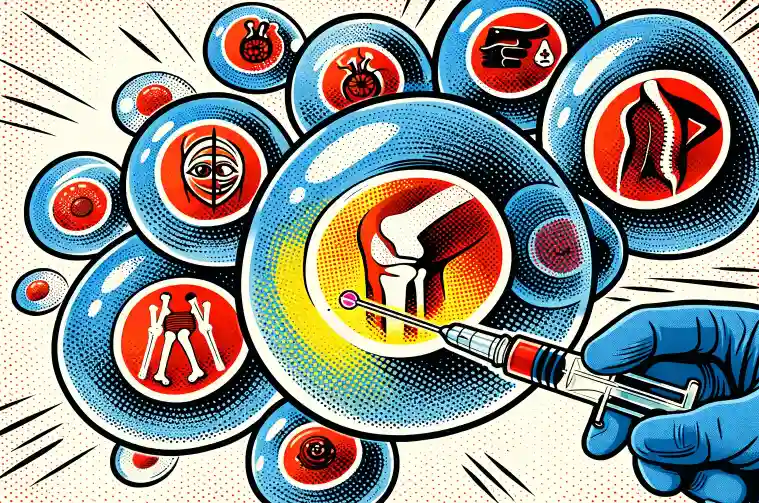
Stem cell therapy is a regenerative medical approach that uses undifferentiated cells capable of developing into specialized tissues (e.g., cartilage, nerve, or muscle cells). The goal is to repair, replace, or regenerate damaged tissues rather than simply manage symptoms.
Main Types Used in Korea
- Mesenchymal Stem Cells (MSCs) – most common (bone marrow, adipose tissue)
- Hematopoietic Stem Cells (HSCs) – used in blood disorders
- Induced Pluripotent Stem Cells (iPSCs) – emerging, limited clinical use
- Umbilical Cord-Derived Stem Cells – increasingly popular in private clinics
Stem Cell Therapy Cost Breakdown in Korea
1. Orthopedic Treatments (Joint, Knee, Spine)
- Cost: ₩3M – ₩10M ($2,200–$7,500)
- Use cases: Osteoarthritis, cartilage damage, sports injuries
- Typical approach: Autologous MSC injection (from fat or bone marrow)
👉 Real-world example: A patient with knee osteoarthritis may receive adipose-derived stem cell injections to delay or avoid joint replacement surgery.
2. Anti-Aging / Cosmetic Regenerative Therapy
- Cost: ₩5M – ₩20M ($3,700–$15,000)
- Use cases: Skin rejuvenation, hair restoration, systemic anti-aging
- Note: Often marketed aggressively—clinical evidence varies
3. Neurological Conditions (Parkinson’s, Stroke, Spinal Injury)
- Cost: ₩20M – ₩50M+ ($15,000–$40,000+)
- Use cases: Experimental therapies for neurodegenerative diseases
- Important: Many treatments are clinical trials or non-standard protocols
4. Immune & Chronic Disease Therapy
- Cost: ₩10M – ₩30M ($7,500–$22,000)
- Use cases: Autoimmune disorders, diabetes support, inflammatory diseases
- Evidence level: Mixed; varies by indication
5. Cancer-Related Stem Cell Treatment
- Cost: ₩20M – ₩80M+ ($15,000–$60,000+)
- Includes: Bone marrow transplant, adjunct regenerative therapies
- Note: Some procedures are covered under strict criteria in Korea’s healthcare system
What Factors Affect Stem Cell Therapy Costs?
1. Source of Stem Cells
- Autologous (your own cells): Lower risk, moderate cost
- Allogeneic (donor cells): Higher cost due to processing and safety screening
2. Lab Processing & Technology
- Advanced GMP-certified labs increase cost but improve safety and efficacy.
3. Number of Sessions
- Many treatments require 2–5 sessions, multiplying total cost.
4. Condition Severity
- Advanced disease stages require more intensive protocols.
5. Clinic Reputation & Expertise
- Top-tier Seoul clinics charge premium rates due to:
- Board-certified specialists
- Clinical trial access
- Advanced imaging and diagnostics
Why Korea Is a Global Leader in Stem Cell Therapy
South Korea is considered a global hub for regenerative medicine due to:
- Strong government investment in biotechnology
- Advanced clinical infrastructure
- High concentration of specialized stem cell clinics
- Competitive pricing compared to the U.S. and Europe
👉 For comparison:
- USA: $10,000–$50,000+ per treatment
- Japan: Similar or higher than Korea
- Korea: More accessible with comparable technology
Are Stem Cell Treatments Legal and Regulated in Korea?
Yes—but with important nuances.
Regulatory Framework (2026)
- Governed by the Ministry of Food and Drug Safety (MFDS)
- Strict approval for:
- Commercialized stem cell products
- Clinical trials
- However:
- Some private clinics offer “non-approved” therapies under medical discretion
👉 Key takeaway:
Patients must verify whether a treatment is:
- MFDS-approved
- Part of a registered clinical trial
- Or an unregulated private protocol
Risks and Limitations
Known Risks
- Infection or inflammation at injection site
- Uncontrolled cell growth (rare but serious)
- Lack of efficacy in certain conditions
- Ethical and regulatory concerns
Evidence Limitations
- Strong evidence exists for:
- Bone marrow transplants
- Some orthopedic applications
- Limited or experimental evidence for:
- Anti-aging
- Neurological regeneration
👉 According to peer-reviewed journals (e.g., The Lancet, Nature Medicine), many therapies remain under investigation rather than standard care.
What Is Included in the Cost?
A typical package in Korea may include:
- Initial consultation & diagnostics (MRI, blood tests)
- Stem cell extraction (liposuction or bone marrow aspiration)
- Laboratory processing
- Injection or infusion procedure
- Follow-up visits
Additional Costs to Consider
- Travel & accommodation (for medical tourists)
- Translation services
- Multiple treatment cycles
Step-by-Step: How Patients Undergo Treatment in Korea
1. Pre-Treatment Evaluation
- Medical history review
- Imaging (MRI/CT)
- Eligibility assessment
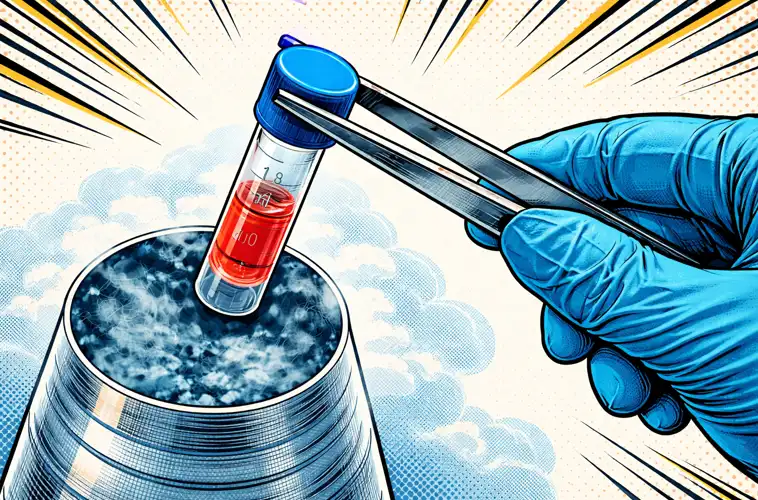
2. Stem Cell Collection
- Fat tissue (most common) or bone marrow extraction
3. Cell Processing
- Cells are isolated and expanded in a lab
4. Injection/Administration
- Targeted injection (joint, spine, IV, etc.)
5. Recovery & Monitoring
- Follow-up over weeks to months
Who Is a Good Candidate?
Stem cell therapy may be considered for:
- Patients with chronic joint pain or arthritis
- Individuals seeking alternatives to surgery
- Certain autoimmune or degenerative conditions
Not Ideal For:
- Advanced cancer without medical supervision
- Patients expecting guaranteed results
- Those unable to commit to follow-up care
Practical Cost Scenarios (2026)
| Condition | Typical Cost | Sessions | Total Estimate |
|---|---|---|---|
| Knee osteoarthritis | ₩5M | 2 | ₩10M |
| Anti-aging IV therapy | ₩8M | 3 | ₩24M |
| Parkinson’s experimental therapy | ₩30M | 2 | ₩60M |
| Hair regeneration | ₩4M | 2 | ₩8M |
How to Choose a Safe Clinic in Korea
Checklist:
- MFDS compliance or clinical trial registration
- Board-certified physicians
- Transparent pricing (no hidden fees)
- Clear explanation of risks and expected outcomes
- Published clinical data or case studies
👉 Avoid clinics that:
- Promise guaranteed cures
- Use vague terminology like “miracle therapy”
- Refuse to disclose cell source or processing methods
FAQ Section

How much is stem cell therapy cost Korea in 2026?
Stem cell therapy cost Korea typically ranges from ₩3,000,000 to ₩30,000,000 per session. Korea stem cell treatment price varies based on condition, clinic expertise, and number of sessions required.
Why is stem cell therapy cost Korea lower than other countries?
Stem cell therapy cost Korea is more affordable due to advanced medical infrastructure, government-supported biotech research, and competitive clinic pricing compared to the US or Europe.
Is regenerative medicine Korea cost covered by insurance?
Most regenerative medicine Korea cost is not covered by insurance unless it involves approved procedures like bone marrow transplants. Patients usually pay out-of-pocket for stem cell clinic Korea pricing.
What factors affect stem cell clinic Korea pricing?
Stem cell clinic Korea pricing depends on stem cell source, lab processing technology, number of treatments, and condition severity. Korea stem cell treatment price increases with advanced or experimental therapies.
Is stem cell therapy in Korea safe and worth the cost?
Stem cell therapy cost Korea reflects high-quality medical standards and advanced technology. While generally safe in regulated clinics, patients should verify certifications and understand that effectiveness varies by condition.
Final Takeaway
From a clinical and medical tourism perspective, South Korea offers a compelling balance of advanced technology, regulatory oversight, and cost efficiency in stem cell therapy. However, the field remains partially experimental, and outcomes are not guaranteed.
Patients should approach treatment decisions with:
- Verified medical guidance
- Realistic expectations
- Careful evaluation of clinic credibility
Stem cell therapy represents the future of medicine—but in 2026, it is still a precision tool, not a universal solution.

Korea Med Tour – Trusted Blog for Medical Tourism in Korea
Korea Med Tour is a trusted medical tourism content platform providing accurate, research-based healthcare information for international patients considering treatment in Korea.
Our editorial team specializes in global patient guidance, treatment insights, clinic selection, and medical travel planning. All content is developed using verified medical sources and structured editorial review processes to ensure clarity, safety, and reliability.
We are committed to helping international patients make informed and confident medical travel decisions when choosing Korea as their healthcare destination.