

What is medical tourism in Korea for Vietnamese patients? Medical tourism in Korea for Vietnamese patients refers to traveling to South Korea for advanced medical care, including cosmetic surgery, cancer treatment, and IVF. Korea offers high-quality healthcare, modern technology, affordable pricing, and dedicated support services, making it a top destination for Vietnamese patients in 2026.
KoreaMedTour.com
Quick Summary
Medical tourism in Korea for Vietnamese patients (2026) is driven by advanced medical technology, highly specialized doctors, and structured international patient care systems. Vietnamese patients benefit from safe, efficient, and cost-effective treatments, along with Vietnamese-language support, making Korea a trusted destination for high-quality healthcare abroad.
Key Benefits:
- Advanced treatments using AI-assisted diagnostics and precision medical technology
- Personalized treatment plans tailored to individual health conditions
- Access to top specialists with extensive clinical experience and short waiting times
- Cost-effective care (typically 20–50% lower than Western countries)
- Vietnamese-speaking coordinators and dedicated international patient services
- High safety standards with internationally accredited and government-regulated hospitals
- Fast and efficient treatment timelines with well-organized medical tourism systems
Table of Contents

What Vietnamese Patients Need to Know First
Medical tourism in Korea has become one of the most trusted and rapidly growing options for Vietnamese patients seeking advanced, safe, and cost-effective healthcare abroad. South Korea offers internationally accredited hospitals, cutting-edge medical technology, highly specialized doctors, and structured services tailored specifically for foreign patients—including Vietnamese language support.
For Vietnamese patients, the key advantages are:
- High success rates and advanced technology (especially in oncology, cosmetic surgery, orthopedics, and fertility care)
- Transparent pricing compared to Western countries
- Short waiting times
- Comprehensive international patient services (translation, visa support, concierge care)
In practical terms, this means patients can receive faster diagnosis, more precise treatments, and structured post-care support—often within a well-organized system designed for international visitors.
Why Korea Is a Leading Medical Tourism Destination
1. Advanced Medical Technology and Expertise
South Korea is globally recognized for integrating technology into clinical practice. Hospitals routinely use:
- Robotic surgery systems (e.g., da Vinci)
- AI-assisted diagnostics (radiology, pathology)
- Precision medicine approaches (genetic profiling)
Real-world example:
A Vietnamese patient with early-stage thyroid cancer can receive:
- Rapid imaging (CT, ultrasound)
- Minimally invasive robotic surgery
- Discharge within a few days
- Follow-up via telemedicine after returning home
This streamlined system significantly reduces both treatment time and uncertainty.
2. Strong International Accreditation and Safety Standards
Many Korean hospitals are accredited by global bodies such as:
- Joint Commission International (JCI)
- Korean Institute for Healthcare Accreditation (KOIHA)
These certifications ensure:
- Strict infection control
- Evidence-based clinical protocols
- Patient safety systems
For Vietnamese patients, this reduces risks often associated with unfamiliar healthcare systems abroad.
3. Cost Efficiency Compared to Western Countries
While Korea is not the cheapest destination in Asia, it offers high-value care.
Typical Cost Comparison (2026 Estimate)
| Treatment | Korea | USA | Singapore |
|---|---|---|---|
| Cosmetic surgery (double eyelid) | $2,000–$4,000 | $6,000–$10,000 | $5,000+ |
| Cancer treatment (early stage) | $5,000–$30,000 | $50,000+ | $30,000+ |
| IVF cycle | $4,000–$10,000 | $15,000+ | $10,000+ |
The balance between price and quality is a key reason Vietnamese patients choose Korea.
Most Popular Treatments for Vietnamese Patients
1. Cosmetic and Plastic Surgery
Korea is widely regarded as the global leader in aesthetic procedures.
Popular procedures include:
- Double eyelid surgery
- Rhinoplasty (nose surgery)
- Facial contouring
- Skin rejuvenation (laser, fillers)
Why Vietnamese patients choose Korea:
- Highly specialized surgeons
- Natural-looking results
- Advanced 3D simulation before surgery
2. Cancer Treatment
Korean hospitals provide comprehensive cancer care:
- Early detection programs
- Targeted therapy
- Immunotherapy
- Robotic surgery
Clinical advantage:
Early-stage cancers treated in Korea often show higher survival rates due to:
- Early diagnosis systems
- Multidisciplinary care teams
3. Fertility Treatment (IVF)
Korea has become a preferred destination for:
- In vitro fertilization (IVF)
- Egg freezing
- Hormonal therapy
Key benefits:
- Advanced embryo screening
- High success rates (especially for women under 40)
- Strict ethical and medical regulations
4. Orthopedic and Spine Treatment
Common treatments:
- Herniated disc surgery
- Joint replacement
- Sports injury rehabilitation
Minimally invasive techniques allow:
- Faster recovery
- Reduced hospital stays
Step-by-Step Process for Vietnamese Patients
Step 1: Medical Consultation (Online)
Patients typically:
- Submit medical records
- Receive preliminary diagnosis
- Get a treatment plan and cost estimate
Most hospitals offer:
- Vietnamese interpreters
- Remote consultations
Step 2: Visa and Travel Preparation
Korea provides a medical visa (C-3-3 or G-1).
Hospitals often assist with:
- Invitation letters
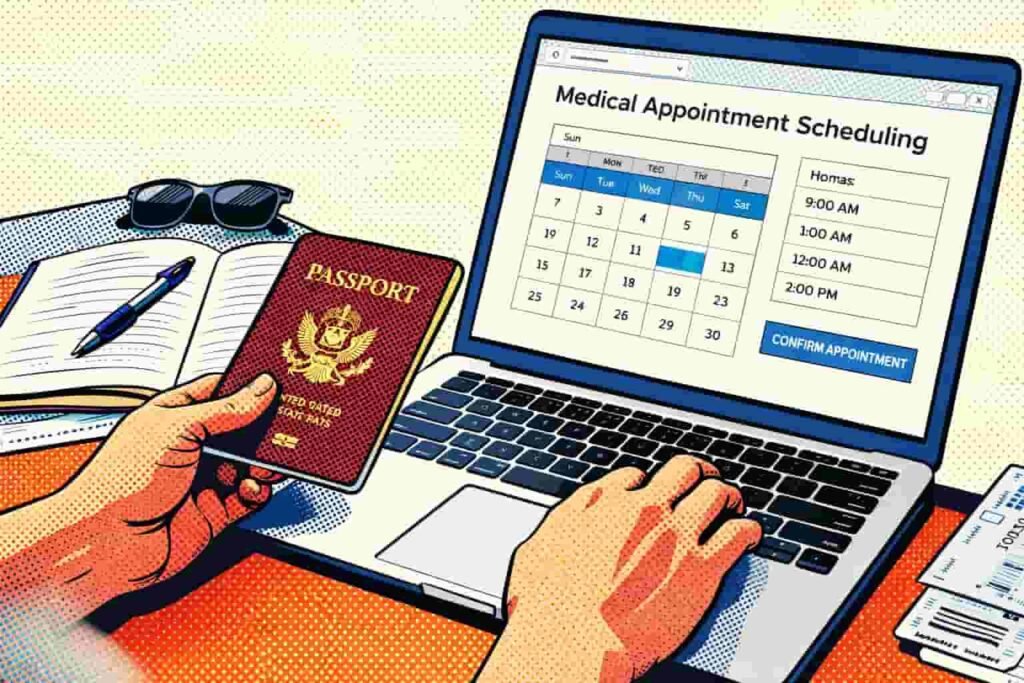
- Appointment scheduling
- Travel coordination
Step 3: Treatment in Korea
Upon arrival:
- Airport pickup (often provided)
- Interpreter assigned
- Detailed diagnostic tests conducted
Treatment usually begins within 1–3 days, minimizing delays.
Step 4: Recovery and Follow-Up
After treatment:
- Short-term recovery in Korea
- Telemedicine follow-up after returning to Vietnam
This hybrid model ensures continuity of care.
Risks and Considerations
While Korea offers high-quality care, patients should be aware of:
1. Medical Risks
- Complications (as with any medical procedure)
- Individual variability in outcomes
2. Financial Planning
- Additional costs (accommodation, travel)
- Possible extended stay if complications arise
3. Communication Barriers
Although interpreters are available, patients should:
- Confirm language support in advance
- Request translated documents
How to Choose the Right Hospital
Key Criteria
1. Accreditation
Look for:
- JCI-certified hospitals
- Government-approved medical tourism providers
2. Doctor Experience
Check:
- Specialization
- Number of procedures performed
- International training
3. Transparent Pricing
Ensure:
- Detailed cost breakdown
- No hidden fees
Practical Tips for Vietnamese Patients
Before Traveling
- Prepare translated medical records
- Confirm total treatment cost
- Purchase travel insurance
During Treatment
- Follow medical instructions strictly
- Maintain communication with coordinators
After Returning Home
- Keep all medical documents
- Follow post-treatment care plans
- Schedule remote consultations if needed
Future Trends (2026 and Beyond)
Medical tourism in Korea is evolving rapidly with:
1. AI-Powered Diagnostics
Faster and more accurate disease detection
2. Personalized Medicine
Treatments tailored to genetic profiles
3. Digital Health Integration
Remote monitoring after returning to Vietnam
These innovations will further improve:
- Treatment outcomes
- Patient convenience
- Cross-border healthcare continuity
FAQ Section

What is medical tourism in Korea for Vietnamese patients and why is it popular?
Medical tourism in Korea for Vietnamese patients refers to traveling to South Korea for advanced medical treatment. It is popular due to high-quality care, modern technology, affordable costs compared to Western countries, and specialized services for Vietnamese patients.
How much does medical tourism Korea cost for Vietnamese patients?
The cost of medical tourism Korea for Vietnamese patients varies depending on treatment, typically ranging from $2,000 for cosmetic procedures to $30,000 for complex care. Korea medical treatment for Vietnamese patients offers strong value compared to the US or Singapore.
Are Korean hospitals safe for Vietnamese medical tourists?
Yes, Korean hospitals for foreigners Vietnam patients are highly safe, with international accreditations such as JCI and strict medical standards. Medical tourism in Korea for Vietnamese patients ensures advanced safety protocols and experienced specialists.
What treatments do Vietnamese patients commonly seek in Korea?
Medical tourism in Korea for Vietnamese patients commonly includes cosmetic surgery, cancer treatment, IVF, and orthopedic care. Korean hospitals for foreigners Vietnam patients provide specialized programs with high success rates and modern techniques.
Do Korean hospitals provide Vietnamese language support?
Yes, most Korea medical treatment for Vietnamese patients includes Vietnamese interpreters, coordinators, and tailored services. Medical tourism in Korea for Vietnamese patients is designed to ensure clear communication and smooth treatment experiences.
Final Takeaway
Medical tourism in Korea offers Vietnamese patients a powerful combination of advanced technology, clinical expertise, and structured international care systems. From cosmetic procedures to life-saving treatments, Korea provides efficient, safe, and high-quality medical services tailored to global patients.
By understanding the process, evaluating hospitals carefully, and planning ahead, Vietnamese patients can access world-class healthcare with confidence and clarity.

Korea Med Tour – Trusted Blog for Medical Tourism in Korea
Korea Med Tour is a trusted medical tourism content platform providing accurate, research-based healthcare information for international patients considering treatment in Korea.
Our editorial team specializes in global patient guidance, treatment insights, clinic selection, and medical travel planning. All content is developed using verified medical sources and structured editorial review processes to ensure clarity, safety, and reliability.
We are committed to helping international patients make informed and confident medical travel decisions when choosing Korea as their healthcare destination.