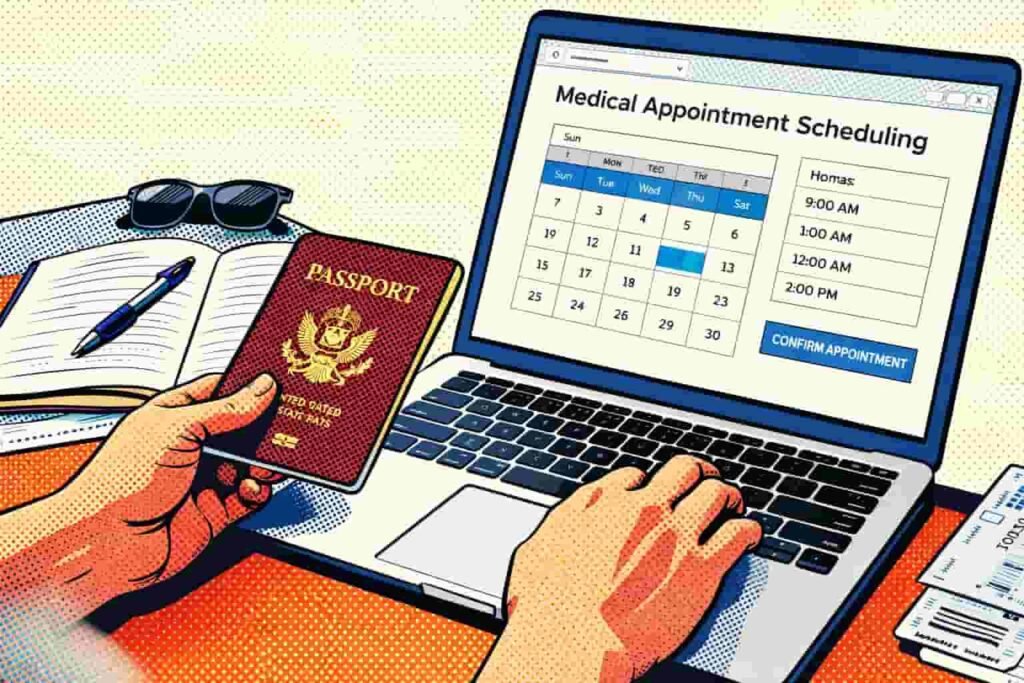

What is a medical visa for Korea?
KoreaMedTour.com
A medical visa for South Korea allows foreign patients to enter the country for treatment, typically under C-3-3 (short-term) or G-1 (long-term) categories. It requires hospital documentation and enables legal stay for medical care and recovery.
Quick Summary
A medical visa Korea allows foreign patients to legally enter South Korea for medical treatment, recovery, or health checkups in 2026. The two main options are the C-3-3 short-term visa (up to 90 days) and the G-1 long-term visa for extended care.
Key Points:
- Requires hospital invitation letter, medical records, and proof of funds
- Processing time: typically 5–15 working days
- High approval rate with complete documentation
- Extensions possible for ongoing treatment
Table of Contents
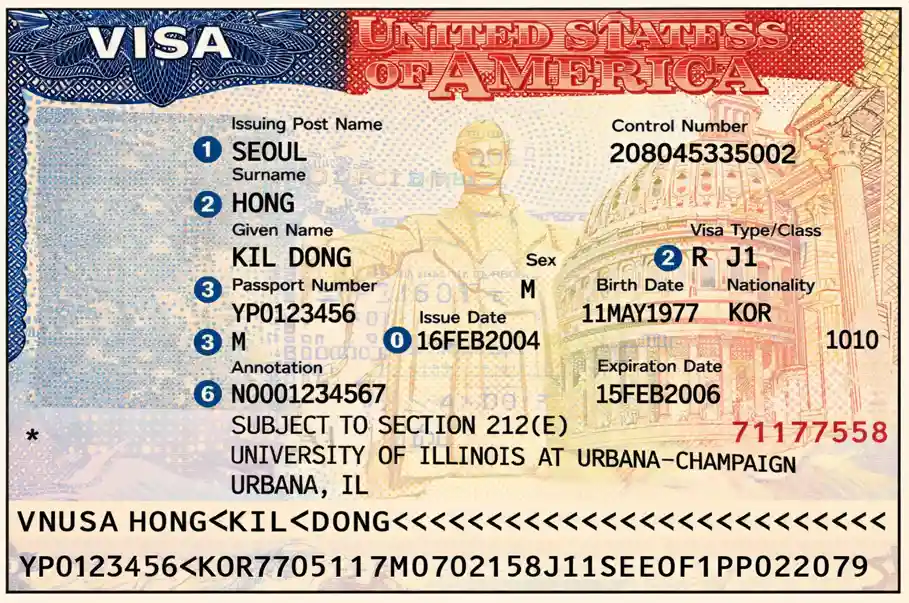
What Is a Medical Visa for Korea?
A medical visa is a special entry permit issued to foreign nationals traveling to Korea for:
- Medical treatment (surgery, dermatology, oncology, etc.)
- Health screenings and diagnostics
- Recovery and follow-up care
Unlike tourist visas, medical visas allow:
- Extended stay (if needed)
- Multiple entries in some cases
- Inclusion of caregivers or family members
Types of Medical Visas in Korea
1. C-3-3 Medical Tourist Visa (Short-Term)
Best for:
- Minor procedures
- Health checkups
- Short recovery periods
Key Features:
- Valid for up to 90 days
- Single or multiple entry (depending on approval)
- Faster processing
2. G-1 Medical Treatment Visa (Long-Term)
Best for:
- Cancer treatment
- Major surgery
- Long-term rehabilitation
Key Features:
- Extended stay beyond 90 days
- Renewable based on medical need
- Suitable for ongoing treatment plans
Who Needs a Medical Visa?
You typically need a medical visa if:
- Your treatment exceeds standard tourist visa duration
- You require multiple visits for ongoing care
- Your country does not have visa-free access to Korea
- Your hospital recommends a medical visa for documentation purposes
Important: Some nationalities can enter Korea visa-free for short stays, but may still choose a medical visa for smoother hospital coordination.
Step-by-Step Application Process
Step 1: Choose a Korean Hospital
Select a hospital that provides international patient services. Most major hospitals in South Korea offer:
- Visa assistance
- Medical consultation
- Documentation support
Step 2: Receive Medical Invitation Letter
The hospital issues:
- Treatment plan
- Cost estimate
- ოფიციcial invitation letter
This document is essential for visa approval.
Step 3: Prepare Required Documents
Typical documents include:
- Valid passport
- Visa application form
- Passport-sized photos
- Medical records
- Proof of financial ability
- Hospital-issued documents
Step 4: Submit Application
Applications are submitted to:
- Korean embassy or consulate in your country
Processing time typically ranges from 5 to 15 working days, depending on location and case complexity.
Step 5: Travel and Treatment
Once approved:
- Travel to Korea
- Begin treatment after in-person consultation
- Register with immigration if required (for long stays)
Required Documents Checklist

| Document | Required |
|---|---|
| Passport (valid) | Yes |
| Visa application form | Yes |
| Medical report | Yes |
| Hospital invitation letter | Yes |
| Proof of funds | Yes |
| Flight & accommodation | Sometimes |
Tip: Always confirm with your local embassy, as requirements may vary.
Processing Time and Approval Rate
- Standard processing: 5–15 business days
- Expedited cases: possible with hospital support
- Approval rate: generally high when documentation is complete
Clinical insight: Applications supported by major hospitals have significantly higher approval success due to verified treatment necessity.
Costs of Medical Visa
Visa fees vary by country but typically range:
- $30–$100 USD
Additional costs may include:
- Document translation
- Agency service fees (if used)
Bringing a Caregiver or Family Member
Korea allows:
- Family members or caregivers to accompany the patient
- Separate visa applications (often approved together)
This is especially important for:
- Elderly patients
- Major surgery cases
- Long-term treatment
Extending Your Medical Visa
If treatment requires more time:
- Apply for extension at Korean immigration office
- Provide updated medical documentation
Extensions are commonly granted for:
- Ongoing cancer treatment
- Post-surgical recovery
Common Mistakes to Avoid
1. Incomplete Documentation
Missing hospital letters or financial proof can delay or reject applications.
2. Applying for Wrong Visa Type
Using a tourist visa for long-term treatment can create legal issues.
3. Underestimating Treatment Duration
Always plan extra time for recovery and follow-up.
Real-World Scenario
A patient traveling for cancer treatment:
- Initial plan: 2-month stay
- Visa type: G-1 medical visa
Process:
- Hospital issues invitation
- Visa approved within 10 days
- Stay extended twice due to treatment progress
Outcome:
- Continuous treatment without legal or travel issues
- Full support from hospital and immigration
Safety and Legal Considerations
Medical visas in South Korea are regulated by:
- Immigration authorities
- Ministry of Health and Welfare
This ensures:
- Legitimate medical purpose
- Patient protection
- Proper tracking of stay duration
Tips for a Smooth Medical Visa Process
- Work directly with reputable hospitals
- Double-check embassy requirements
- Apply at least 3–4 weeks in advance
- Keep digital and printed copies of all documents
- Confirm visa validity before travel
Future Trends (2026 and Beyond)
Korea is improving medical visa systems through:
- Digital visa applications
- Faster processing times
- Integrated hospital–immigration systems
- Expansion of medical tourism infrastructure
FAQ Section

What is a medical visa Korea and who needs it?
A medical visa Korea allows foreign patients to enter for treatment. It is required if your stay exceeds visa-free limits or if you need structured care under Korea medical visa requirements.
What are the Korea medical visa requirements in 2026?
Korea medical visa requirements include a valid passport, hospital invitation letter, medical records, visa application form, and proof of financial ability for treatment and stay.
How does the Korea medical visa process work?
The Korea medical visa process involves selecting a hospital, receiving documents, submitting an application to the embassy, and waiting 5–15 days for approval before traveling.
How long does a medical visa Korea last?
A medical visa Korea under C-3-3 lasts up to 90 days, while the G-1 visa allows longer stays depending on treatment needs, making it suitable for extended care.
Can I extend my Korea treatment visa guide stay if needed?
Yes, under the Korea treatment visa guide, extensions are possible with updated medical documents. This is common for long-term treatments such as surgery recovery or ongoing care.
Final Takeaway
A medical visa is a critical part of planning treatment in South Korea. The process is generally straightforward when supported by a qualified hospital and proper documentation.
For international patients, the key to success is:
- Choosing the correct visa type
- Preparing complete documents
- Coordinating closely with your medical provider
With proper planning, Korea offers a safe, efficient, and well-regulated pathway for receiving world-class medical care abroad.

Korea Med Tour – Trusted Blog for Medical Tourism in Korea
Korea Med Tour is a trusted medical tourism content platform providing accurate, research-based healthcare information for international patients considering treatment in Korea.
Our editorial team specializes in global patient guidance, treatment insights, clinic selection, and medical travel planning. All content is developed using verified medical sources and structured editorial review processes to ensure clarity, safety, and reliability.
We are committed to helping international patients make informed and confident medical travel decisions when choosing Korea as their healthcare destination.