

What is the step-by-step process to get surgery in Korea? To get surgery in Korea, choose a certified hospital, submit your medical records for review, receive a treatment plan and cost estimate, arrange your visa and travel, attend an in-person consultation, undergo the procedure, and complete recovery with follow-up care.
KoreaMedTour.com
Quick Summary
Getting surgery in South Korea is a streamlined, step-by-step process that combines advanced medical expertise, efficient care timelines, and cost savings—often 30–70% lower than in Western countries while maintaining high safety standards.
Key Steps:
- Choose a certified hospital or specialist clinic
- Submit medical records for online evaluation
- Receive a treatment plan and cost estimate
- Arrange visa and travel
- Attend in-person consultation
- Undergo surgery
- Complete recovery and follow-up care
Typical Timeline:
- Consultation & planning: 1–5 days
- Surgery & initial recovery: 3–10 days
- Total stay: ~5–14 days depending on procedure
Why It’s Efficient:
- Highly specialized surgeons and clinics
- Fast scheduling and minimal wait times
- Integrated care (consultation → surgery → recovery)
- Strong government support for medical tourism
Table of Contents
Why Korea for Surgery?
South Korea has built a global reputation in fields such as plastic surgery, dermatology, orthopedics, ophthalmology, and cancer treatment. According to the Korea Health Industry Development Institute (KHIDI), the country continues to attract hundreds of thousands of international patients annually due to:
- Advanced medical technology and minimally invasive techniques
- High safety standards and infection control systems
- Board-certified specialists with subspecialty expertise
- Cost savings (often 30–70% lower than in the U.S.)
- Streamlined care (consultation → surgery → recovery in days)
Real-world example:
A patient seeking LASIK or cosmetic surgery can often complete consultation, procedure, and initial recovery within one week—far faster than in many Western systems.
Step 1: Choose the Right Hospital or Clinic
Selecting a qualified provider is the most critical step.
What to Look For
- Government-certified medical institutions
- Accreditation (e.g., JCI or Korean Ministry of Health approval)
- Dedicated international patient departments
- Transparent before-and-after cases and complication policies
Key Tip
Avoid choosing solely based on price. Lower costs may indicate:
- Non-specialist surgeons
- Outdated equipment
- Limited post-operative care
Professional insight:
In Korea, top-tier hospitals often specialize narrowly (e.g., only eyes, only spine, only facial contouring). Choosing a specialized center generally improves outcomes.
Step 2: Submit Medical Records for Evaluation
Before traveling, most Korean hospitals offer remote consultations.
Required Documents
- Medical history
- Diagnostic imaging (X-rays, MRI, CT scans)
- Blood test results
- Photos (for cosmetic procedures)
What Happens Next
Doctors review your case and provide:
- Procedure recommendation
- Expected outcomes
- Risk assessment
- Estimated recovery time
This step ensures medical suitability and avoids unnecessary travel.
Step 3: Receive Treatment Plan and Cost Estimate
Korean providers typically offer transparent and itemized pricing, including:
- Surgeon fees
- Anesthesia
- Facility costs
- Post-operative care
Typical Timeline
- Response time: 1–3 days
- Surgery scheduling: within 1–2 weeks
Cost Advantage
Compared to countries like the U.S. or Japan, patients may save significantly without compromising quality.
Example:
- Double eyelid surgery: $1,500–$3,000
- LASIK: $1,000–$2,500
- Orthopedic procedures: 30–60% cheaper than U.S.
Step 4: Arrange Visa and Travel
Visa Options
- Tourist visa: Suitable for minor procedures
- Medical visa (C-3-3): Recommended for surgeries requiring longer stay
The Korean government actively supports medical tourism through registered agencies and hospitals.
Travel Preparation Checklist
- Confirm surgery date
- Book accommodation near the clinic
- Arrange airport pickup (many hospitals provide this)
- Prepare translation support if needed
Step 5: Arrival and In-Person Consultation
Once in Korea, patients undergo a final in-person evaluation.
What Happens During This Stage
- Physical examination
- Additional tests (blood work, imaging)
- Confirmation of surgical plan
- Consent forms and risk explanation
Important:
Even if you had an online consultation, the doctor may adjust the plan based on real-time findings.
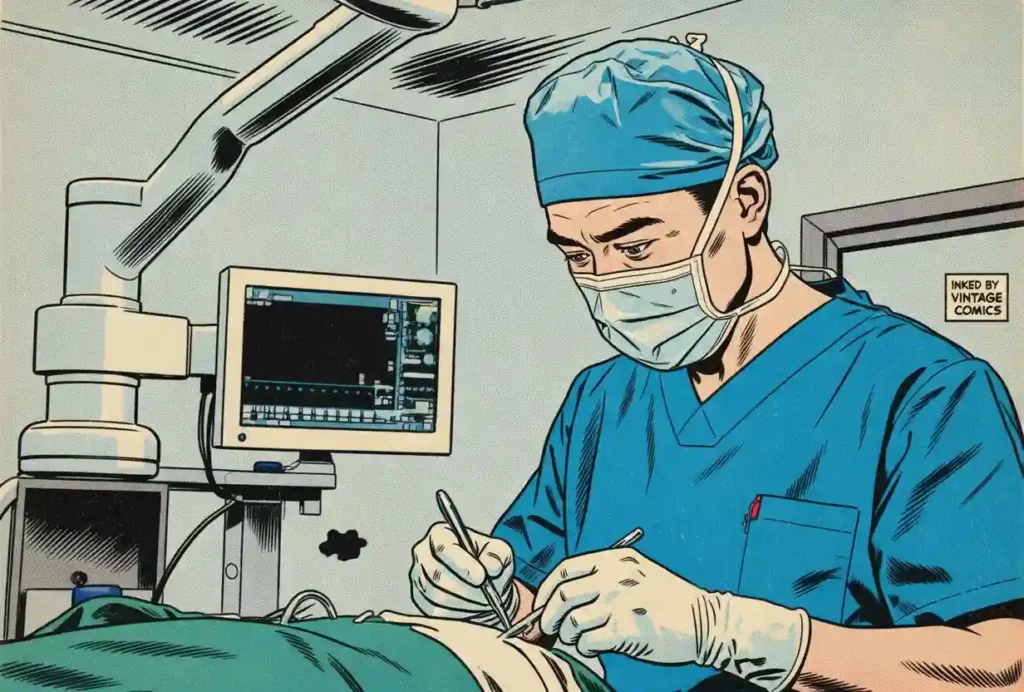
Step 6: Undergoing Surgery
Day of Surgery Process
- Pre-operative preparation
- Anesthesia (local or general)
- Procedure performed by specialist
- Immediate monitoring
Safety Standards
Korean surgical centers follow strict protocols:
- Sterile operating environments
- Real-time monitoring systems
- Emergency response readiness
Duration
- Minor procedures: 30 minutes – 2 hours
- Major surgeries: 2–6+ hours
Step 7: Recovery and Post-Operative Care

Recovery is a key strength of Korea’s system.
Typical Recovery Support
- Daily follow-up checks
- Medication and wound care
- Swelling management (e.g., laser therapy, lymphatic massage)
Recovery Timeline
- Minor procedures: 3–7 days
- Moderate surgery: 7–14 days
- Major surgery: 2–4 weeks
Real-world insight:
Many clinics provide intensive early recovery care, helping reduce swelling faster compared to standard outpatient systems.
Step 8: Follow-Up and Return Home
Before leaving Korea:
- Final check-up ensures healing progress
- Instructions for long-term care are provided
- Remote follow-up is arranged (video consultations)
After Returning Home
Patients should:
- Follow medication guidelines
- Avoid strenuous activity
- Contact the clinic if complications arise
Risks and How to Minimize Them
No surgery is risk-free. Common risks include:
- Infection
- Bleeding
- Anesthesia complications
- Unsatisfactory results
Risk Reduction Strategies
- Choose certified, experienced surgeons
- Follow pre- and post-operative instructions strictly
- Avoid rushed travel after surgery
- Maintain realistic expectations
Common Mistakes to Avoid
- Choosing clinics based only on social media
- Ignoring surgeon credentials
- Skipping proper consultation
- Underestimating recovery time
- Not planning follow-up care
Practical Example: Typical Patient Journey
Case: International patient seeking rhinoplasty
- Online consultation with Korean clinic
- Receives surgical plan within 48 hours
- Travels to Seoul (5–7 day stay)
- Surgery performed on Day 2
- Follow-up visits on Days 3–6
- Returns home with remote monitoring
This streamlined approach is one reason Korea leads in medical tourism efficiency.
FAQ Section

What is the step-by-step surgery in Korea process for foreigners?
The step-by-step surgery in Korea process includes choosing a certified clinic, submitting medical records, receiving a treatment plan, traveling to Korea, undergoing surgery, and completing recovery with follow-up care. This Korea medical tourism process is fast, structured, and patient-focused.
How long does the step-by-step surgery in Korea take?
The step-by-step surgery in Korea typically takes 5–14 days, including consultation, procedure, and recovery. The Korea surgery guide 2026 highlights shorter timelines compared to Western countries due to efficient scheduling and specialized care systems.
Is the step-by-step surgery in Korea safe for international patients?
Yes, the step-by-step surgery in Korea is considered safe due to strict medical regulations, advanced technology, and experienced surgeons. The Korea medical tourism process ensures patient safety through pre-evaluation, in-person consultation, and structured follow-up care.
How much does the step-by-step surgery in Korea cost?
The cost of step-by-step surgery in Korea is typically 30–70% lower than in the U.S. or Europe. According to the Korea surgery guide 2026, pricing depends on the procedure, clinic quality, and surgeon experience.
Can I complete the step-by-step surgery in Korea without multiple visits?
Yes, most patients complete the step-by-step surgery in Korea in a single visit. The surgery in Korea for foreigners system is designed for efficiency, allowing consultation, surgery, and early recovery within one trip.
Final Takeaway
Getting surgery in Korea is a structured and efficient process that combines advanced medical expertise with patient-centered care. By following a clear step-by-step approach—choosing a qualified provider, completing pre-consultation, planning travel, and prioritizing recovery—international patients can achieve safe, high-quality outcomes with reduced costs and shorter timelines.

Korea Med Tour – Trusted Blog for Medical Tourism in Korea
Korea Med Tour is a trusted medical tourism content platform providing accurate, research-based healthcare information for international patients considering treatment in Korea.
Our editorial team specializes in global patient guidance, treatment insights, clinic selection, and medical travel planning. All content is developed using verified medical sources and structured editorial review processes to ensure clarity, safety, and reliability.
We are committed to helping international patients make informed and confident medical travel decisions when choosing Korea as their healthcare destination.