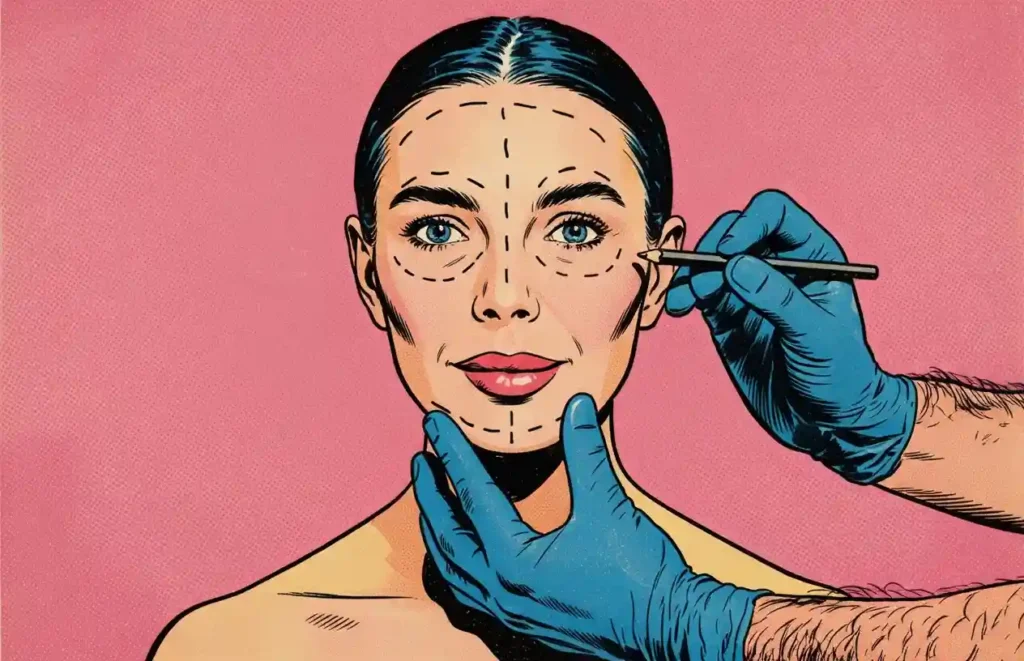
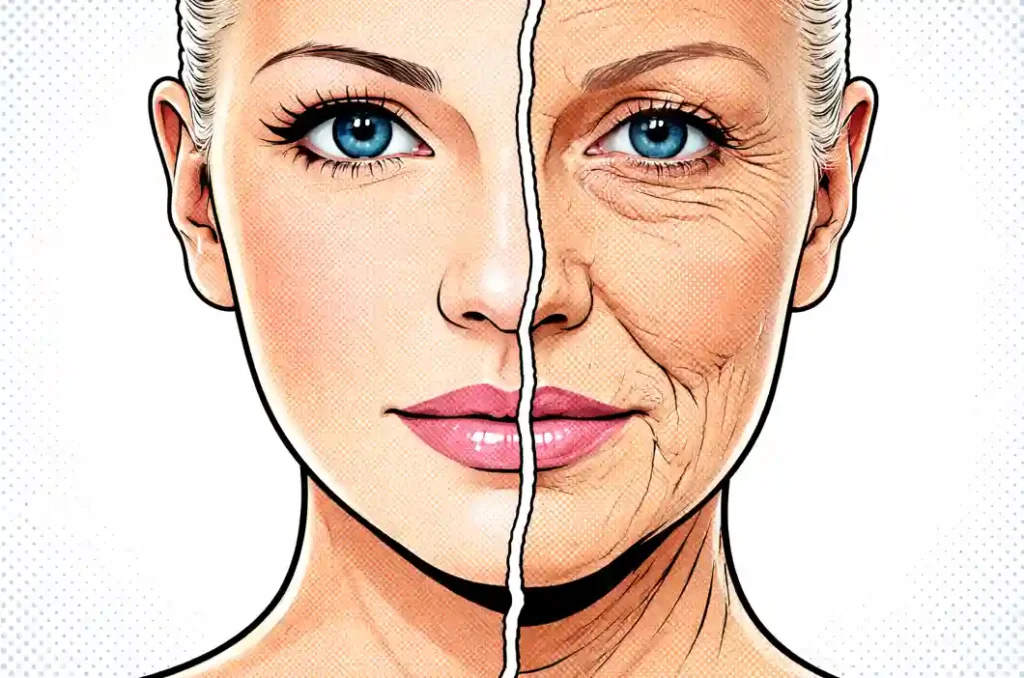
What are anti-aging treatments in Korea? Anti-aging treatments in Korea are advanced, non-surgical procedures such as laser therapy, injectables, and skin tightening technologies that reduce wrinkles, improve elasticity, and restore youthful skin with minimal downtime and natural-looking results.
KoreaMedTour.com
Quick Summary
Anti-aging treatments in Korea are highly advanced yet cost-effective compared to Western countries, often 20–50% more affordable while maintaining exceptional safety standards, cutting-edge technology, and expert-led care. These treatments focus on natural, long-lasting rejuvenation with minimal downtime.
Key Insights:
- Laser skin rejuvenation Korea: ~$100–$500 per session
- Botulinum toxin (wrinkle relaxers): ~$50–$300
- Dermal fillers Korea: ~$300–$800 per syringe
- HIFU lifting Korea: ~$300–$1,500
- RF microneedling: ~$200–$700
- Results visible: immediate to 2–3 months depending on treatment
- Most treatments require minimal downtime (same day to a few days)
- Costs vary based on treatment type, device technology, and doctor expertise
Why It’s More Affordable:
- High patient volume and specialized dermatology expertise
- Strong competition among advanced Korean aesthetic clinics
- Efficient treatment systems and bundled procedure pricing
- Widespread adoption of latest skin technologies
- High domestic demand driving consistent innovation and pricing stability
Table of Contents
Why Korea Leads in Anti-Aging Treatments
South Korea has become a global leader in aesthetic medicine due to a combination of clinical expertise, innovation, and patient-centered care.
Key Advantages
- Highly specialized dermatologists and plastic surgeons
- Integration of AI skin analysis for personalized treatment
- Frequent technology updates (laser, RF, ultrasound devices)
- Strong safety regulations and standardized protocols
- Experience treating diverse international patients
Clinics in Seoul, especially in Gangnam, often perform hundreds of procedures weekly, giving practitioners extensive real-world experience across skin types and aging patterns.
Understanding Skin Aging: Causes and Mechanisms
To choose the right treatment, it’s essential to understand why skin ages.
Intrinsic Aging (Biological)
- Reduced collagen and elastin production
- Slower skin cell turnover
- Thinning dermis
Extrinsic Aging (Environmental)
- UV exposure (photoaging)
- Pollution and oxidative stress
- Lifestyle factors (sleep, smoking, diet)
Structural Changes
- Fat volume loss
- Bone resorption in the face
- Muscle laxity
These combined factors lead to:
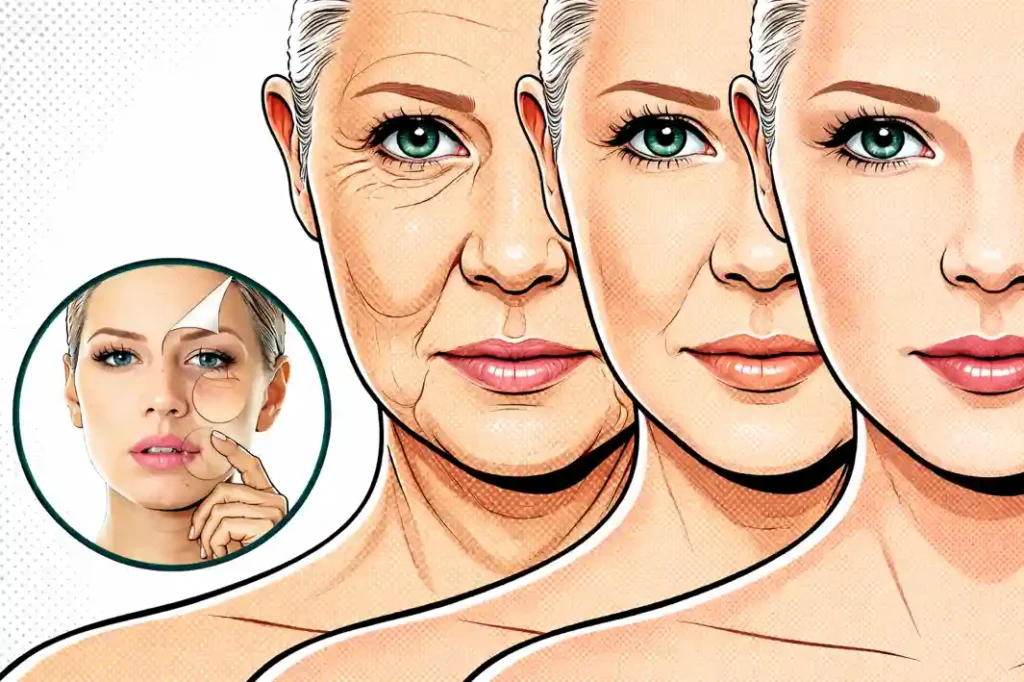
- Wrinkles and fine lines
- Sagging skin
- Pigmentation (melasma, sunspots)
- Enlarged pores and uneven texture
Most Popular Anti-Aging Treatments in Korea (2026)
1. Laser Skin Rejuvenation
What It Does
Uses controlled light energy to stimulate collagen and resurface skin.
Common Types
- Pico lasers → pigmentation, tone improvement
- Fractional lasers → texture, acne scars, fine lines
- CO₂ lasers → deeper resurfacing
Clinical Insight
In practice, Korean dermatologists often combine multiple laser modalities in a single session (“laser toning”) to address tone, texture, and elasticity simultaneously.
Best For
- Early to moderate aging
- Uneven skin tone
- Sun damage
2. Injectable Treatments
Botulinum Toxin (Wrinkle Relaxers)
- Temporarily relaxes facial muscles
- Reduces dynamic wrinkles (forehead, crow’s feet)
Dermal Fillers
- Restores lost volume
- Enhances facial contours (cheeks, jawline, under-eye)
Skin Boosters (e.g., Hyaluronic Acid Microinjections)
- Improves hydration and elasticity
- Popular Korean trend: “glass skin” effect
Real-World Application
A typical Korean anti-aging plan may combine:
- Toxin for wrinkle prevention
- Fillers for structural support
- Skin boosters for overall skin quality
3. HIFU (High-Intensity Focused Ultrasound)
How It Works
Delivers ultrasound energy deep into the skin (SMAS layer) to stimulate tightening.
Benefits
- Non-surgical lifting
- No downtime
- Gradual, natural-looking results
Common Use Areas
- Jawline
- Neck
- Mid-face lifting
4. Radiofrequency (RF) Microneedling
Mechanism
Combines microneedles with RF energy to stimulate collagen at deeper layers.
Effects
- Skin tightening
- Pore reduction
- Acne scar improvement
Clinical Advantage
Korean clinics often customize needle depth and RF intensity based on skin thickness and treatment goals.
5. Regenerative Anti-Aging Therapies
PRP (Platelet-Rich Plasma)
- Uses patient’s own blood-derived growth factors
- Improves healing and collagen production
Stem Cell-Based Treatments (Emerging)
- Focus on tissue regeneration
- Still evolving, used selectively under strict regulation
When Used
Often combined with lasers or microneedling to accelerate recovery and enhance outcomes.
6. Medical-Grade Skincare & AI Personalization
Korean clinics increasingly use AI-based skin analysis systems to measure:
- Pigmentation depth
- Pore size
- Wrinkle severity
- Sebum levels
Outcome
Customized treatment plans that may include:
- Prescription skincare
- In-clinic procedures
- Lifestyle recommendations
Treatment Planning: How Korean Clinics Personalize Anti-Aging
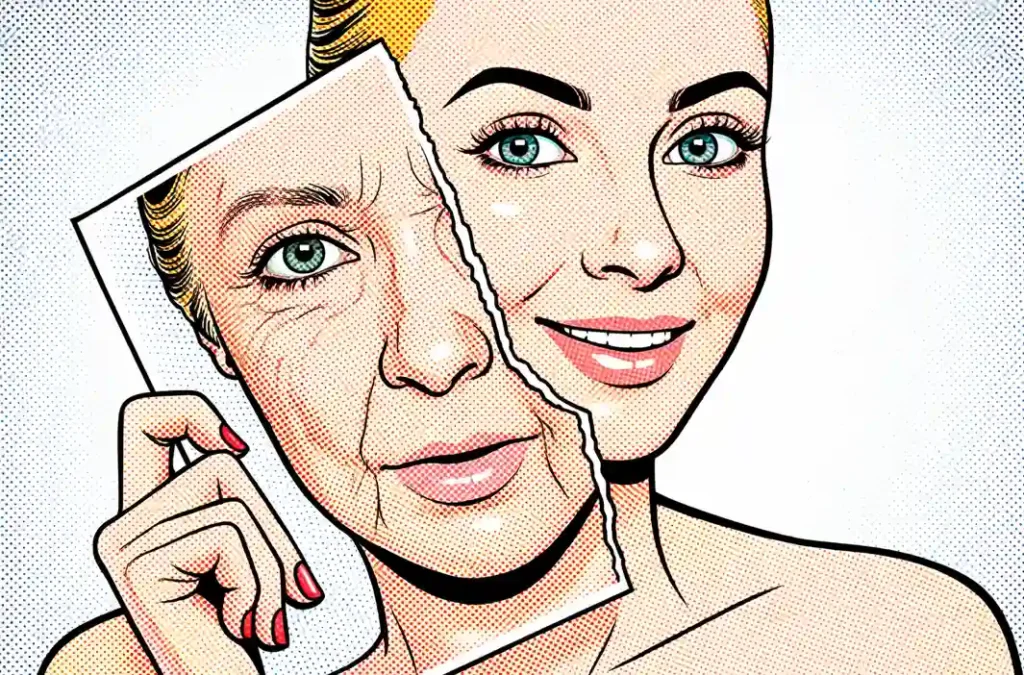
A major strength of Korean aesthetic medicine is layered treatment planning.
Example Treatment Strategy
Patient Profile:
Mid-30s, early wrinkles, mild pigmentation
Customized Plan:
- Laser toning (pigmentation + tone)
- Skin booster injections (hydration)
- Light botulinum toxin (prevention)
- Maintenance skincare program
This multi-modality approach delivers more natural and longer-lasting results compared to single treatments.
Safety Standards and Risk Management
What Makes Treatments Safe in Korea?
- Board-certified dermatologists and plastic surgeons
- Strict device approval processes
- Sterile clinical environments
- Detailed pre-treatment consultations
Potential Risks (All Medically Managed)
- Temporary redness or swelling
- Bruising (injectables)
- Post-inflammatory pigmentation (rare, managed carefully)
Risk Reduction Strategies
- Proper skin assessment
- Gradual treatment intensity
- Post-treatment care (sun protection, hydration)
Recovery and Results Timeline
| Treatment Type | Downtime | Initial Results | Full Results |
|---|---|---|---|
| Laser | 1–5 days | 1 week | 4–8 weeks |
| Injectables | Minimal | Immediate–3 days | 2 weeks |
| HIFU | None | 4 weeks | 2–3 months |
| RF Microneedling | 1–3 days | 2 weeks | 1–2 months |
Cost Range in Korea (2026)
While pricing varies by clinic and technology:
- Laser treatments: $100–$500 per session
- Botulinum toxin: $50–$300
- Fillers: $300–$800 per syringe
- HIFU: $300–$1,500
- RF microneedling: $200–$700
Korea remains competitive globally due to high volume and advanced infrastructure, not reduced quality.
Who Should Consider Anti-Aging Treatments?
Ideal Candidates
- Individuals noticing early signs of aging (late 20s–40s)
- Those seeking non-surgical options
- Patients wanting gradual, natural results
Not Ideal For
- Unrealistic expectations (instant transformation)
- Certain medical conditions (require consultation)
How to Choose the Right Clinic in Korea
Key Factors
- Doctor qualifications and specialization
- Technology used (latest devices vs outdated)
- Transparent consultation process
- Before/after clinical evidence
Practical Tip
Clinics with high international patient volume often provide:
- Multilingual support
- Structured treatment plans
- Clear follow-up systems
Future Trends in Anti-Aging (2026 and Beyond)
- AI-driven predictive aging analysis
- Combination therapies becoming standard
- Increased use of regenerative medicine
- Personalized skincare integrated with procedures
Korea continues to move toward preventive anti-aging, focusing on maintaining skin quality rather than reversing damage.
FAQ Section

What are the most effective anti-aging treatments in Korea?
The most effective anti-aging treatments in Korea include laser skin rejuvenation, HIFU lifting, botulinum toxin, and dermal fillers. These Korea skin rejuvenation treatments target wrinkles, sagging, and uneven tone with minimal downtime and natural results.
Are anti-aging treatments in Korea safe for international patients?
Yes, anti-aging treatments in Korea are considered safe when performed at certified Korean aesthetic clinics. Clinics follow strict medical standards and offer personalized consultations, ensuring safe non-surgical anti-aging Korea procedures for global patients.
How much do anti-aging treatments in Korea cost?
Anti-aging treatments in Korea vary in cost depending on the procedure. Basic Korea skin rejuvenation treatments start around $100, while advanced non-surgical anti-aging Korea options like HIFU or fillers may range from $300 to $1,500.
How long do results from anti-aging treatments in Korea last?
Results from anti-aging treatments in Korea depend on the method used. Injectables may last 6–12 months, while non-surgical anti-aging Korea treatments like HIFU can last up to a year with proper maintenance and skincare.
Which clinics are best for anti-aging treatments in Korea?
The best Korean aesthetic clinics are those with experienced dermatologists, advanced equipment, and personalized treatment plans. Look for clinics specializing in anti-aging treatments in Korea with strong patient reviews and international care services.
Final Takeaway
Anti-aging treatments in Korea stand out because they are personalized, technology-driven, and medically precise. Instead of relying on a single procedure, Korean clinics use a layered approach combining lasers, injectables, and regenerative therapies to target multiple aging mechanisms at once.
For patients, this means:
- More natural-looking results
- Reduced downtime
- Long-term skin health improvement
If approached with proper medical guidance, anti-aging treatments in Korea offer one of the most advanced and balanced solutions available globally in 2026.

Korea Med Tour – Trusted Blog for Medical Tourism in Korea
Korea Med Tour is a trusted medical tourism content platform providing accurate, research-based healthcare information for international patients considering treatment in Korea.
Our editorial team specializes in global patient guidance, treatment insights, clinic selection, and medical travel planning. All content is developed using verified medical sources and structured editorial review processes to ensure clarity, safety, and reliability.
We are committed to helping international patients make informed and confident medical travel decisions when choosing Korea as their healthcare destination.