
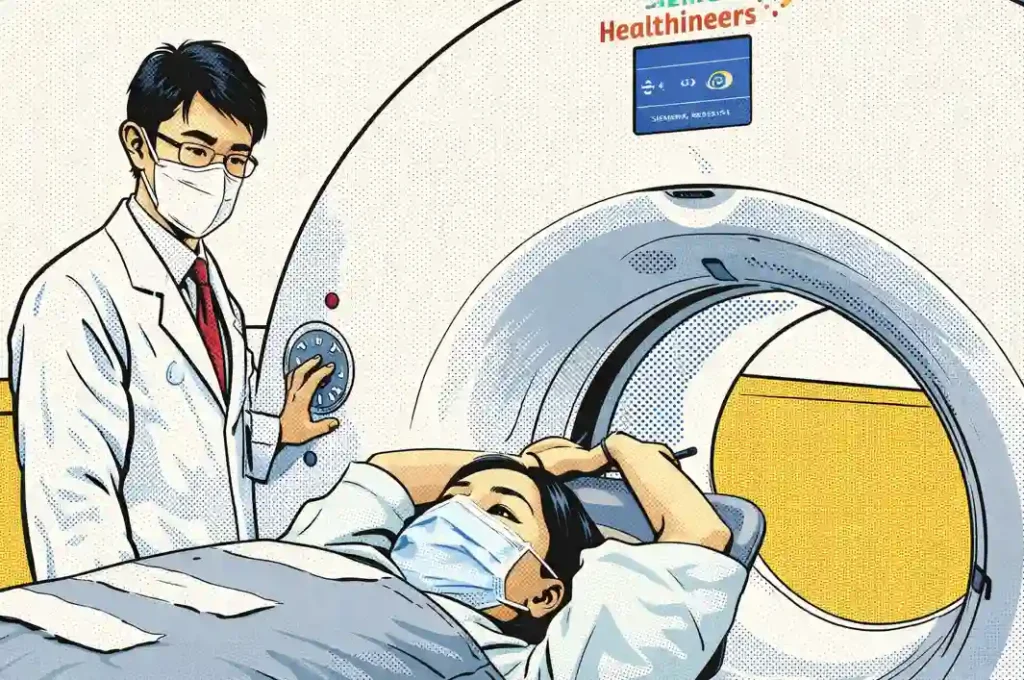
What are the cancer treatment options in South Korea? Cancer treatment options in South Korea include surgery, chemotherapy, radiation therapy, targeted therapy, and immunotherapy. These treatments are delivered using advanced medical technology and multidisciplinary care, offering personalized treatment plans, high survival rates, and cost-effective solutions for both local and international patients.
KoreaMedTour.com
Quick Summary
Cancer treatment in South Korea is highly advanced, technology-driven, and relatively cost-effective compared to Western countries—often 30–60% more affordable while maintaining world-class safety standards, precision oncology, and multidisciplinary expert care. Treatments focus on early detection, personalized therapy, and improved survival outcomes with reduced complications.
Key Insights:
- Surgery (minimally invasive & robotic): ~$5,000–$20,000
- Chemotherapy (per cycle): ~$1,000–$5,000
- Radiation therapy (IMRT/SBRT): ~$5,000–$15,000
- Proton therapy Korea: ~$20,000–$50,000
- Targeted therapy: varies ($2,000–$10,000+/month depending on drug)
- Immunotherapy Korea: ~$3,000–$12,000+/cycle
- Results timeline: weeks to months depending on cancer type and stage
- Early-stage cancers often have significantly higher survival rates
- Most treatments are delivered through coordinated multidisciplinary teams
Why It’s More Affordable:
- High patient volume in specialized cancer centers
- Government-supported healthcare infrastructure
- Strong competition among top-tier hospitals
- Efficient treatment protocols and shorter hospital stays
- Advanced technology adoption with optimized operational systems
Clinical Advantages:
- Early detection through national screening programs
- Precision medicine using genomic testing
- Access to advanced therapies (proton, immunotherapy)
- Integrated care: diagnosis → treatment → follow-up
Important Considerations:
- Costs vary based on cancer stage, treatment type, and hospital
- Not all patients qualify for targeted or immunotherapy
- International patients may need coordination for follow-up care
Table of Contents
What Makes Cancer Treatment in Korea Distinct?
South Korea’s cancer care system is built on three pillars:
1. Early Detection and Screening Infrastructure
Korea operates one of the most systematic national cancer screening programs in the world. High participation rates allow early-stage diagnosis, which significantly improves survival rates.
Common screening programs include:
- Gastric cancer (endoscopy)
- Liver cancer (ultrasound + AFP)
- Breast cancer (mammography)
- Colorectal cancer (colonoscopy)
Clinical insight: In real-world hospital settings, early-stage gastric cancer detection rates in Korea are among the highest globally, allowing minimally invasive treatments instead of major surgery.
2. Multidisciplinary Treatment Planning
Cancer care is rarely managed by a single physician. Instead, treatment plans are created through tumor boards involving:
- Medical oncologists
- Surgical oncologists
- Radiation oncologists
- Radiologists and pathologists
This collaborative approach reduces treatment variability and improves clinical outcomes.
3. Advanced Medical Technology
Korean hospitals invest heavily in:
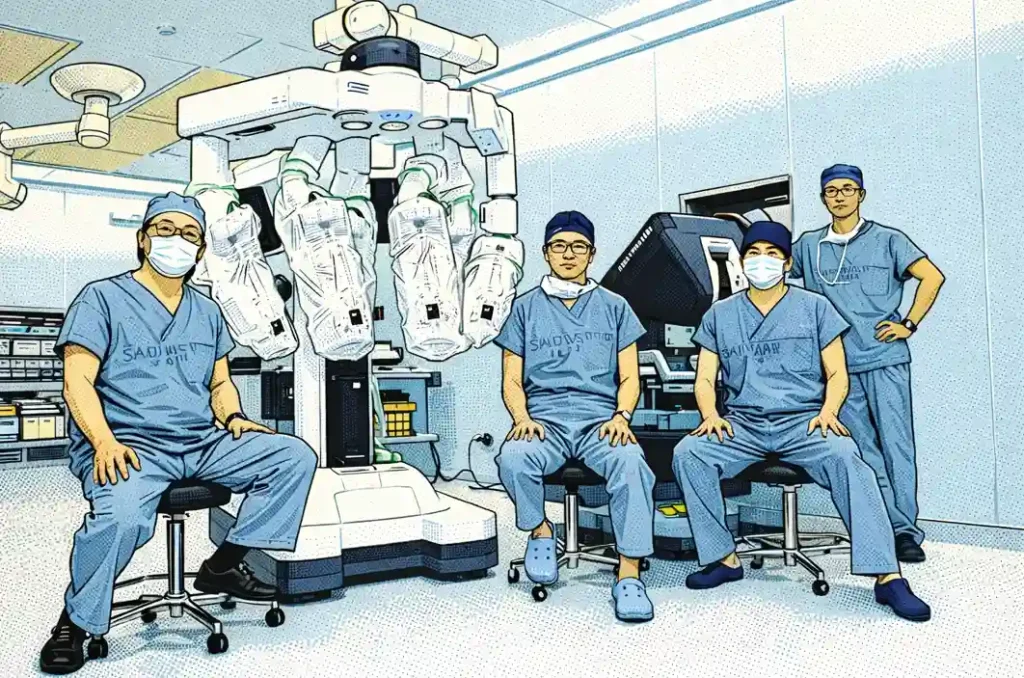
- Robotic surgical systems (e.g., da Vinci)
- Proton and heavy ion therapy centers
- AI-assisted imaging diagnostics
- Genomic profiling platforms
These technologies enable precision oncology, tailoring treatment to each patient’s tumor biology.
Main Cancer Treatment Options in Korea

1. Surgery (Primary Curative Treatment)
Surgery remains the cornerstone for solid tumors, particularly in early and localized cancers.
Techniques commonly used:
- Minimally invasive laparoscopic surgery
- Robotic-assisted surgery
- Organ-preserving procedures
Example (clinical scenario):
A patient with early-stage stomach cancer may undergo endoscopic submucosal dissection (ESD), avoiding open surgery entirely.
Advantages:
- Shorter hospital stays
- Faster recovery
- Reduced complication rates
2. Chemotherapy
Chemotherapy uses cytotoxic drugs to destroy cancer cells or stop their growth.
Applications:
- Before surgery (neoadjuvant)
- After surgery (adjuvant)
- For metastatic disease (palliative)
Modern approach in Korea:
- Personalized dosing protocols
- Combination regimens based on tumor type
- Supportive care to reduce side effects
Practical note: Korean oncology centers emphasize managing side effects (e.g., nausea, neutropenia) proactively, improving treatment adherence.
3. Radiation Therapy
Radiation therapy uses high-energy beams to target cancer cells.
Types available in Korea:
- Intensity-Modulated Radiation Therapy (IMRT)
- Stereotactic Body Radiation Therapy (SBRT)
- Proton therapy
Why proton therapy matters:
- Delivers precise radiation
- Minimizes damage to surrounding healthy tissue
- Particularly useful for pediatric and brain tumors
4. Targeted Therapy (Precision Medicine)
Targeted therapy focuses on specific genetic mutations or molecular pathways in cancer cells.
Examples of targets:
- HER2 (breast cancer)
- EGFR (lung cancer)
- BRAF (melanoma)
Clinical advantage:
- More selective than chemotherapy
- Fewer systemic side effects
Real-world application:
A lung cancer patient in Korea may undergo genomic testing to determine eligibility for EGFR inhibitors, significantly improving survival outcomes.
5. Immunotherapy
Immunotherapy enhances the body’s immune system to fight cancer.
Common types:
- Checkpoint inhibitors (PD-1/PD-L1 inhibitors)
- CAR-T cell therapy (emerging)
Best suited for:
- Lung cancer
- Melanoma
- Kidney cancer
Important consideration:
Not all patients respond. Biomarker testing (e.g., PD-L1 expression) is critical before treatment.
6. Integrative and Supportive Care
Korean cancer care often includes supportive therapies to improve quality of life:
- Pain management
- Nutritional therapy
- Psychological counseling
- Rehabilitation programs
Some hospitals also incorporate evidence-based complementary medicine, such as acupuncture for symptom relief.
Cancer Staging and Treatment Decision Process
Treatment in Korea is guided by standardized staging systems such as TNM (Tumor, Node, Metastasis).
Simplified Treatment Logic:
- Stage I–II (Early stage):
- Surgery ± adjuvant therapy
- Stage III (Locally advanced):
- Combination therapy (surgery + chemo/radiation)
- Stage IV (Metastatic):
- Systemic therapy (chemotherapy, targeted therapy, immunotherapy)
- Focus on disease control and quality of life
Cost and Accessibility
Cost Overview (2026 Estimate)
- Surgery: $5,000 – $20,000
- Chemotherapy (per cycle): $1,000 – $5,000
- Proton therapy: $20,000 – $50,000
Key advantage:
Compared to the U.S. or Western Europe, Korea offers high-quality treatment at relatively lower costs.
Survival Rates and Outcomes
South Korea reports some of the highest cancer survival rates globally.
Example (5-year survival rates):
- Thyroid cancer: >95%
- Breast cancer: ~93%
- Stomach cancer: ~70%+
These outcomes are strongly linked to:
- Early detection
- Standardized treatment protocols
- Advanced technology
Risks and Limitations
While Korea offers advanced care, patients should consider:
- Language barriers (though many hospitals offer translators)
- Insurance limitations for international patients
- Travel and accommodation logistics
Medical considerations:
- Not all treatments are suitable for every patient
- Advanced therapies (e.g., immunotherapy) may have variable response rates
Step-by-Step: How International Patients Access Treatment
- Submit medical records (imaging, pathology reports)
- Receive remote consultation
- Get a treatment plan and cost estimate
- Travel to Korea and begin treatment
- Follow-up care (either in Korea or home country)
FAQ Section

What are the main cancer treatment options in South Korea?
The main cancer treatment options in South Korea include surgery, chemotherapy, radiation therapy, targeted therapy, and immunotherapy. Advanced oncology Korea systems ensure personalized care, improving outcomes for both local patients and those seeking cancer care Korea for foreigners.
Is cancer treatment in South Korea good for international patients?
Yes, cancer treatment options in South Korea are highly suitable for international patients due to advanced oncology Korea facilities, experienced specialists, and dedicated global care centers offering translation and coordinated treatment services.
How much does cancer treatment cost in South Korea?
Cancer treatment options in South Korea are generally more affordable compared to Western countries. Costs vary depending on the treatment type, but cancer hospitals South Korea offer high-quality care with cost-effective pricing and transparent estimates.
What makes advanced oncology Korea different from other countries?
Advanced oncology Korea stands out due to early cancer detection programs, cutting-edge technologies like proton therapy, and multidisciplinary treatment planning. These factors make cancer treatment options in South Korea highly effective and globally competitive.
Which hospitals provide the best cancer treatment options in South Korea?
Leading cancer hospitals South Korea include major university hospitals and specialized cancer centers equipped with advanced oncology Korea technologies. These institutions offer comprehensive cancer treatment options in South Korea with strong international patient support programs.
When Should You Consider Korea for Cancer Treatment?
Korea may be an excellent option if:
- You need advanced or specialized treatment
- You want high-quality care at moderate cost
- You are seeking second opinions or precision diagnostics
Key Takeaways
- South Korea offers comprehensive, high-quality cancer care aligned with global standards.
- Treatment options include surgery, chemotherapy, radiation, targeted therapy, and immunotherapy.
- A multidisciplinary approach and early detection system significantly improve outcomes.
- Costs are generally more affordable compared to Western countries without compromising quality.
- Personalized medicine and advanced technologies are central to modern cancer care in Korea.
Final Expert Insight
From a clinical and systems perspective, Korea’s cancer treatment model demonstrates how early detection, standardized protocols, and precision medicine can work together to improve survival and patient experience. For international patients, the key is not just accessing advanced treatment—but ensuring the right treatment is selected based on accurate diagnosis and staging.
If you are evaluating cancer treatment options globally, Korea stands as a strong, evidence-based choice—particularly for patients seeking efficient, technology-driven, and patient-centered oncology care in 2026.

Korea Med Tour – Trusted Blog for Medical Tourism in Korea
Korea Med Tour is a trusted medical tourism content platform providing accurate, research-based healthcare information for international patients considering treatment in Korea.
Our editorial team specializes in global patient guidance, treatment insights, clinic selection, and medical travel planning. All content is developed using verified medical sources and structured editorial review processes to ensure clarity, safety, and reliability.
We are committed to helping international patients make informed and confident medical travel decisions when choosing Korea as their healthcare destination.