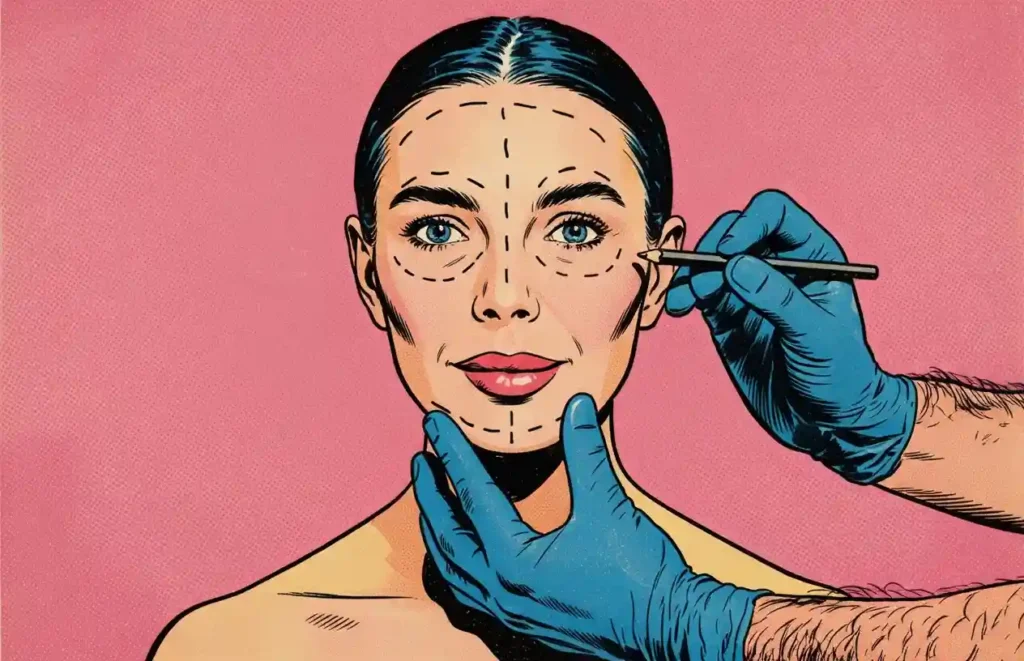

What are the latest cosmetic surgery trends in Korea? Cosmetic surgery trends in Korea focus on natural-looking results, personalized procedures, and minimally invasive techniques. Popular trends include refined rhinoplasty, advanced eyelid surgery, facial contouring, and hybrid treatments that combine surgery with non-surgical methods for safer outcomes and faster recovery.
KoreaMedTour.com
Quick Summary
Cosmetic surgery trends in Korea emphasize natural-looking results, advanced surgical precision, and personalized treatment planning, often at 20–40% lower costs than in Western countries. Patients benefit from highly specialized surgeons, cutting-edge techniques, and efficient systems that ensure safe procedures with predictable, refined outcomes.
Key Insights:
- Double eyelid surgery Korea: $1,000–$3,000
- Rhinoplasty Korea: $3,000–$10,000
- Facial contouring Korea: $5,000–$20,000
- Fat grafting Korea: $2,000–$6,000
- Mini facelift Korea: $4,000–$12,000
- Results visible: 1–6 months depending on procedure
- Recovery time: 1–4 weeks (initial), full results in several months
- Costs vary based on surgical complexity, surgeon expertise, and clinic reputation
Why It’s More Affordable:
- High surgical volume and subspecialized expertise
- Strong competition among advanced Korean plastic surgery clinics
- Efficient surgical systems and streamlined patient care
- Well-established medical tourism infrastructure
- Consistent domestic demand driving innovation and stable pricing
Table of Contents
Why Korea Leads Global Cosmetic Surgery Trends
South Korea remains one of the most advanced countries in cosmetic surgery due to its high procedural volume, specialized surgeons, and rapid adoption of new techniques. Clinics—particularly in Seoul—handle diverse cases daily, which strengthens surgical expertise and outcome predictability.
Key Drivers of Innovation
- High patient demand (both domestic and international)
- Subspecialization (e.g., eyes, nose, facial contouring)
- Integration of digital imaging and AI simulation
- Emphasis on harmony and proportion rather than dramatic change
This environment has shaped a unique approach: enhancement over transformation, prioritizing subtle, balanced results.
Understanding Cosmetic Surgery: Definition and Scope
What Is Cosmetic Surgery?
Cosmetic surgery refers to elective surgical procedures designed to improve appearance, symmetry, and proportion. Unlike reconstructive surgery, it is typically not medically necessary.
Common Categories in Korea
- Facial surgery (eyes, nose, jaw)
- Body contouring (liposuction, fat grafting)
- Anti-aging surgery (facelifts, eyelid correction)
Major Cosmetic Surgery Trends in Korea (2026)
1. Natural-Looking Results (“Less Obvious Surgery”)
Trend Overview
Patients increasingly prefer results that look undetectable and harmonious, rather than exaggerated or artificial.
Clinical Application
- Softer nasal bridges in rhinoplasty
- Conservative eyelid crease design
- Subtle jawline contouring
Real-World Insight
Surgeons often use reference-based consultations, analyzing facial proportions rather than copying celebrity features.
2. Customized Rhinoplasty (Nose Surgery Evolution)
What’s Changing?
Rhinoplasty in Korea has shifted toward structure-preserving and personalized techniques.
Techniques Used
- Autologous cartilage grafting (ear, septum)
- Minimal implant use
- Functional + aesthetic correction combined
Why It Matters
This reduces complications such as:
- Implant displacement
- Over-projection
- Breathing issues
3. Advanced Double Eyelid Surgery (Blepharoplasty)
Evolution of Technique
Double eyelid surgery remains one of the most performed procedures but is now:
- More customized to eye anatomy
- Focused on preserving natural movement
Methods
- Non-incisional (suture method)
- Partial incision
- Full incision (for complex cases)
Clinical Insight
Modern techniques minimize:
- Scarring
- Asymmetry
- Overly high or unnatural creases
4. Facial Contouring Surgery (V-Line & Jaw Reduction)
Popular Procedures
- Jaw reduction
- Chin reshaping
- Zygoma (cheekbone) reduction
Trend Shift
From dramatic reshaping → to balanced, proportion-focused contouring
Risks (Managed Carefully)
- Nerve injury
- Swelling and recovery time
Best Practice
Pre-surgical 3D imaging helps predict:
- Bone reduction amount
- Final facial balance
5. Hybrid Aesthetic Approach (Surgery + Non-Surgical)
What It Means
Combining surgery with:
- Fillers
- Botulinum toxin
- Skin tightening treatments
Example Plan
- Rhinoplasty (structure)
- Skin boosters (texture)
- Botox (fine lines)
Benefit
- Enhances overall results
- Reduces need for aggressive surgery
6. Fat Grafting for Natural Volume Restoration
How It Works
Fat is harvested from one area and injected into:
- Face (under eyes, cheeks)
- Temples
Advantages
- Biocompatible (patient’s own tissue)
- Natural appearance
- Long-lasting results
Common Use Case
Instead of synthetic fillers, surgeons use fat grafting for softer facial rejuvenation.
7. Minimally Invasive and Short-Recovery Procedures
Increasing Demand
Patients want:
- Less downtime
- Faster return to daily life
Examples
- Mini facelifts
- Thread lifting (adjunct to surgery)
- Limited incision techniques
8. AI and 3D Simulation in Surgical Planning
Technology Integration
Clinics now use:
- 3D facial scanning
- AI-based outcome simulation
Benefits
- Improved communication between patient and surgeon
- More predictable results
- Reduced dissatisfaction
Safety Standards in Korean Cosmetic Surgery

Why Safety Is High
- Board-certified plastic surgeons
- Strict clinical protocols
- Advanced anesthesia monitoring
- High surgical repetition (experience)
Risk Management
All surgeries carry risks, including:
- Infection
- Bleeding
- Asymmetry
- Revision surgery
Risk Reduction Strategies
- Detailed consultation
- Medical history review
- Choosing experienced specialists
Recovery and Results Timeline
| Procedure | Initial Recovery | Final Results |
|---|---|---|
| Eyelid surgery | 5–7 days | 1–3 months |
| Rhinoplasty | 1–2 weeks | 3–6 months |
| Facial contouring | 2–4 weeks | 3–6 months |
| Fat grafting | 1–2 weeks | 2–4 months |
Cost Overview in Korea (2026)
Typical price ranges:
- Double eyelid surgery: $1,000–$3,000
- Rhinoplasty: $3,000–$10,000
- Facial contouring: $5,000–$20,000
- Fat grafting: $2,000–$6,000
Why Costs Are Competitive
- High surgical volume
- Specialized clinics
- Efficient medical systems
Who Is an Ideal Candidate?
Suitable Candidates
- Healthy individuals with realistic expectations
- Patients seeking natural enhancement
- Those willing to follow recovery protocols
Not Ideal Candidates
- Individuals with unmanaged medical conditions
- Unrealistic aesthetic goals
How to Choose the Right Clinic in Korea
Key Criteria
- Surgeon credentials and specialization
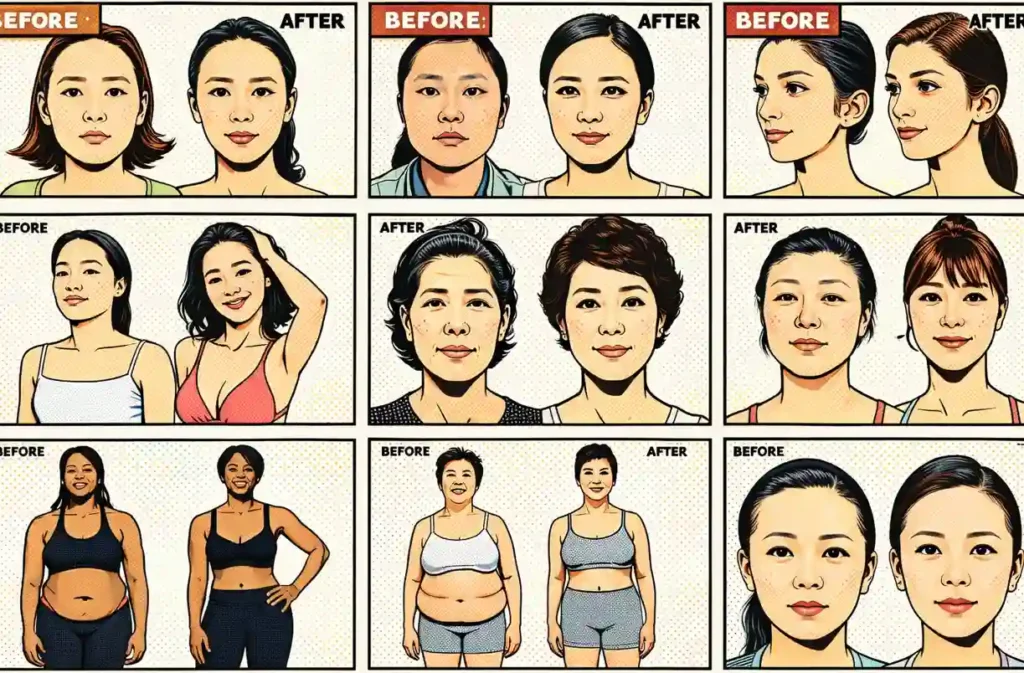
- Before-and-after case portfolio
- Transparent consultation process
- Clear explanation of risks and outcomes
Practical Tip
Choose clinics that:
- Provide customized surgical plans
- Avoid one-size-fits-all procedures
Future Outlook: Where Cosmetic Surgery in Korea Is Heading
- Greater personalization through AI
- Less invasive surgical techniques
- Integration with regenerative medicine
- Focus on long-term facial balance rather than short-term change
FAQ Section

What are the latest cosmetic surgery trends in Korea?
The latest cosmetic surgery trends in Korea include natural cosmetic surgery Korea techniques, customized rhinoplasty, and minimally invasive facial contouring. These Korean plastic surgery trends 2026 focus on balanced, subtle results with improved safety and faster recovery.
Why is Korea famous for cosmetic surgery trends?
Cosmetic surgery trends in Korea are globally recognized due to advanced aesthetic surgery Korea techniques, highly specialized surgeons, and high procedural volume. This ensures precise, natural-looking outcomes and continuous innovation in Korean plastic surgery trends 2026.
Are cosmetic surgery procedures in Korea safe?
Yes, cosmetic surgery trends in Korea emphasize safety through certified surgeons, modern medical systems, and personalized planning. Natural cosmetic surgery Korea approaches reduce risks while maintaining effective and predictable results.
How much does cosmetic surgery cost in Korea?
Costs for cosmetic surgery trends in Korea vary by procedure. Korean plastic surgery trends 2026 show prices ranging from $1,000 for eyelid surgery to $20,000 for advanced aesthetic surgery Korea procedures like facial contouring.
What is the recovery time for cosmetic surgery in Korea?
Recovery time depends on the procedure, but cosmetic surgery trends in Korea focus on faster healing. Natural cosmetic surgery Korea methods typically allow recovery within 1–4 weeks, depending on complexity and individual healing response.
Final Takeaway
Cosmetic surgery trends in Korea in 2026 reflect a clear shift toward precision, personalization, and natural aesthetics. Rather than dramatic transformations, modern procedures aim to enhance individual features while maintaining facial harmony.
With experienced surgeons, advanced technology, and a strong safety framework, Korea continues to set global standards in cosmetic surgery—offering patients predictable, refined, and long-lasting results when approached with proper medical guidance.

Korea Med Tour – Trusted Blog for Medical Tourism in Korea
Korea Med Tour is a trusted medical tourism content platform providing accurate, research-based healthcare information for international patients considering treatment in Korea.
Our editorial team specializes in global patient guidance, treatment insights, clinic selection, and medical travel planning. All content is developed using verified medical sources and structured editorial review processes to ensure clarity, safety, and reliability.
We are committed to helping international patients make informed and confident medical travel decisions when choosing Korea as their healthcare destination.