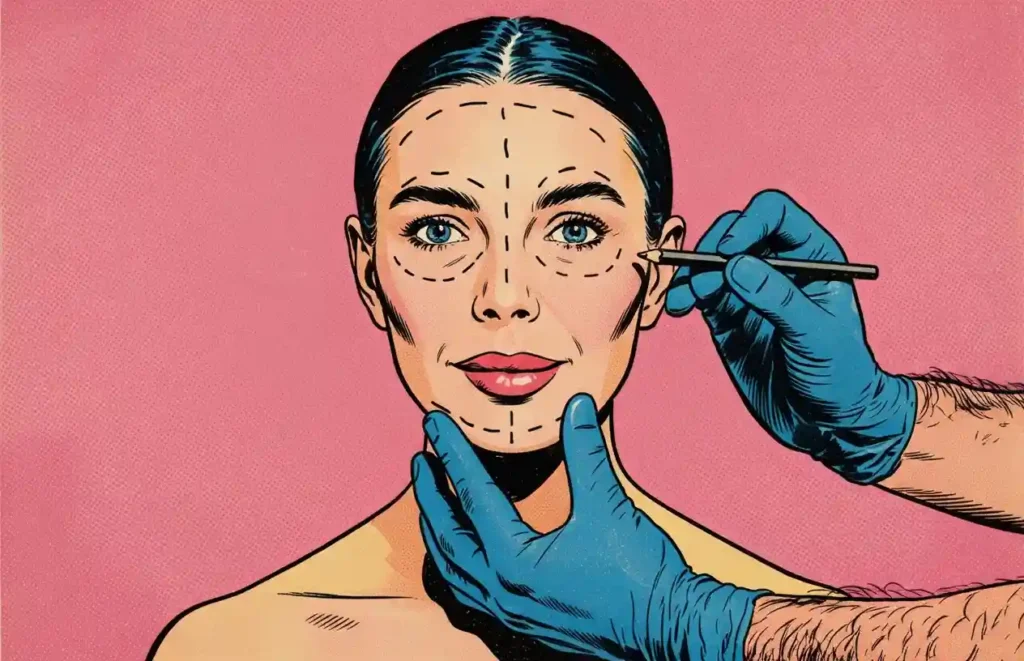
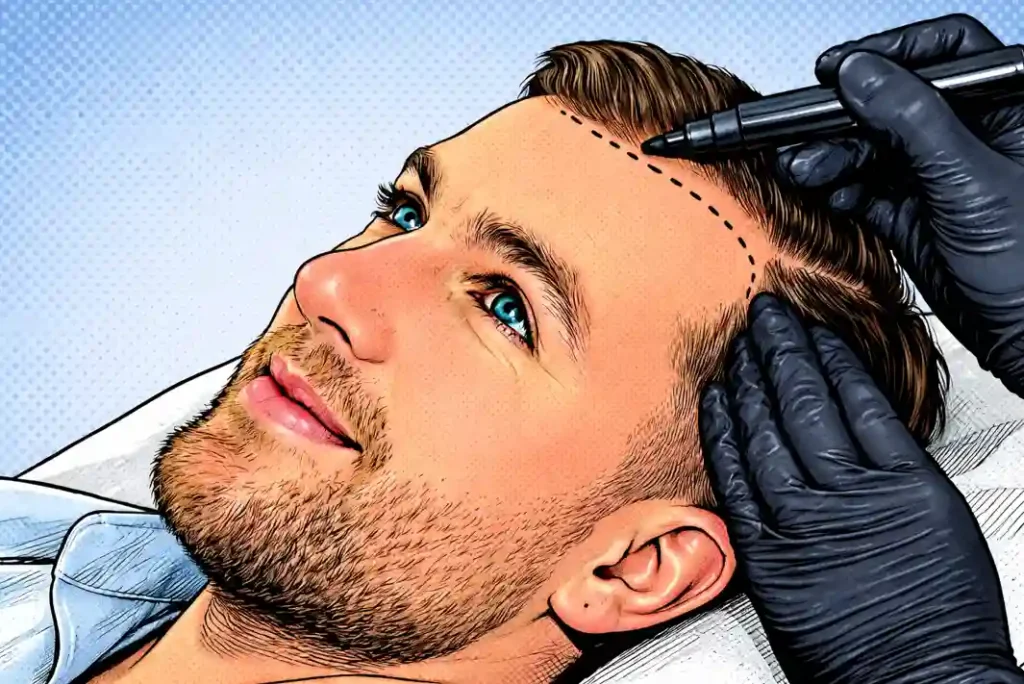
Is hair transplant Korea worth it for international patients? Hair transplant Korea is worth it for international patients because it offers advanced techniques like FUE and DHI, experienced surgeons, and lower costs compared to Western countries. Safe results depend on choosing a reputable clinic and having realistic expectations about hair density and recovery.
KoreaMedTour.com
Quick Summary
Hair transplant Korea is significantly more affordable than in many Western countries, typically 30–70% lower, while maintaining high standards of safety, advanced techniques, and experienced surgical expertise.
Key Insights:
FUE hair transplant Korea: ~$3,000–$8,000
DHI hair transplant Korea: ~$4,000–$10,000
Cost per graft: ~$1.50–$4.00
Results visible: 9–12 months after procedure
Costs vary based on graft number, surgeon experience, and clinic quality
Why It’s Cheaper:
High procedure volume and specialization
Competitive medical tourism market
Efficient clinic systems and streamlined processes
Strong local demand driving expertise and pricing balance
Table of Contents
Why Korea Is a Global Hub for Hair Transplantation
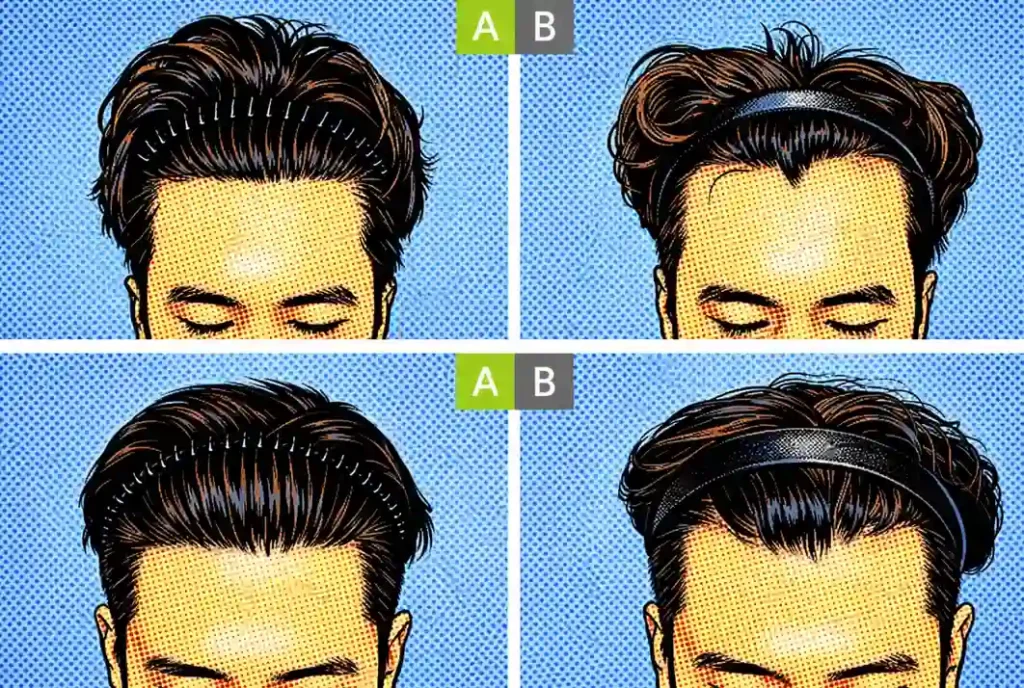
South Korea has built a strong reputation in medical aesthetics due to a combination of advanced surgical techniques, strict medical regulations, and high patient volume. Hair restoration is no exception.
From a clinical standpoint, Korean surgeons often perform hundreds to thousands of graft procedures annually, which significantly improves technical precision and consistency. This high-volume experience directly correlates with improved graft survival rates and natural-looking hairlines.
Key Advantages
- Highly refined techniques (microsurgical precision)
- Competitive pricing (often 30–70% lower than the U.S.)
- Short waiting times
- Integrated medical tourism services
- Strong post-operative care culture
Understanding Hair Loss: Causes and Candidacy
Before considering a transplant, patients must understand why hair loss occurs and whether they are suitable candidates.
Common Causes
- Androgenetic alopecia (male/female pattern baldness)
The most common cause, driven by genetics and hormones (DHT sensitivity). - Telogen effluvium
Temporary shedding due to stress, illness, or hormonal changes. - Scarring alopecia
Permanent hair loss due to inflammation or injury.
Who Is a Good Candidate?
You are typically a good candidate if:
- Hair loss is stable and predictable
- You have sufficient donor hair (usually from the back of the scalp)
- You are in good overall health
- You have realistic expectations
Patients under 25 or those with rapidly progressing hair loss may require medical management first (e.g., finasteride or minoxidil) before surgery.
Hair Transplant Techniques Used in Korea
Korean clinics primarily offer two advanced techniques, often customized per patient.
1. FUE (Follicular Unit Extraction)
- Individual follicles are extracted and transplanted
- Leaves minimal scarring
- Faster recovery compared to older methods
Best for: Patients wanting short hairstyles or minimal downtime
2. DHI (Direct Hair Implantation)
- A refined version of FUE using a specialized implanter pen
- Allows precise angle, depth, and direction control
Best for: Hairline design and dense packing
3. FUT (Follicular Unit Transplantation) – Less Common
- Strip method, leaving a linear scar
- Used in specific high-graft cases
Step-by-Step Procedure: What to Expect
1. Pre-Consultation (Online or In-Person)
- Scalp analysis
- Donor area assessment
- Hairline design planning
2. Procedure Day
- Local anesthesia is administered
- Follicles are extracted (FUE/DHI)
- Grafts are implanted
⏱ Duration: 4–10 hours depending on graft count
3. Immediate Recovery
- Mild swelling and redness
- Scabs form around grafts (normal healing phase)
4. Shedding Phase (2–6 weeks)
- Transplanted hair falls out (shock loss)
- This is expected and temporary
5. Regrowth Phase (3–12 months)
- New hair begins to grow
- Full results visible in 9–12 months
Real-World Clinical Insight
In practice, one of the most common mistakes international patients make is overestimating graft density expectations.
For example:
- A patient requesting “full density like teenage hair” may require multiple sessions, not one.
- Ethical clinics in Korea will prioritize long-term donor preservation over aggressive short-term results.
This approach reflects best medical practice, not limitation.
Costs: What You Actually Pay in Korea
Average Price Range (2026)
- Per graft: $1.50 – $4.00 USD
- Total procedure: $3,000 – $10,000 USD
What Affects Cost?
- Number of grafts (1,000–4,000+)
- Technique used (DHI typically higher)
- Surgeon expertise
- Clinic reputation and facilities
Hidden Costs to Consider
- Travel and accommodation
- Translation services
- Post-op medications
- Follow-up visits (if extended stay)
Safety, Regulations, and Quality Standards
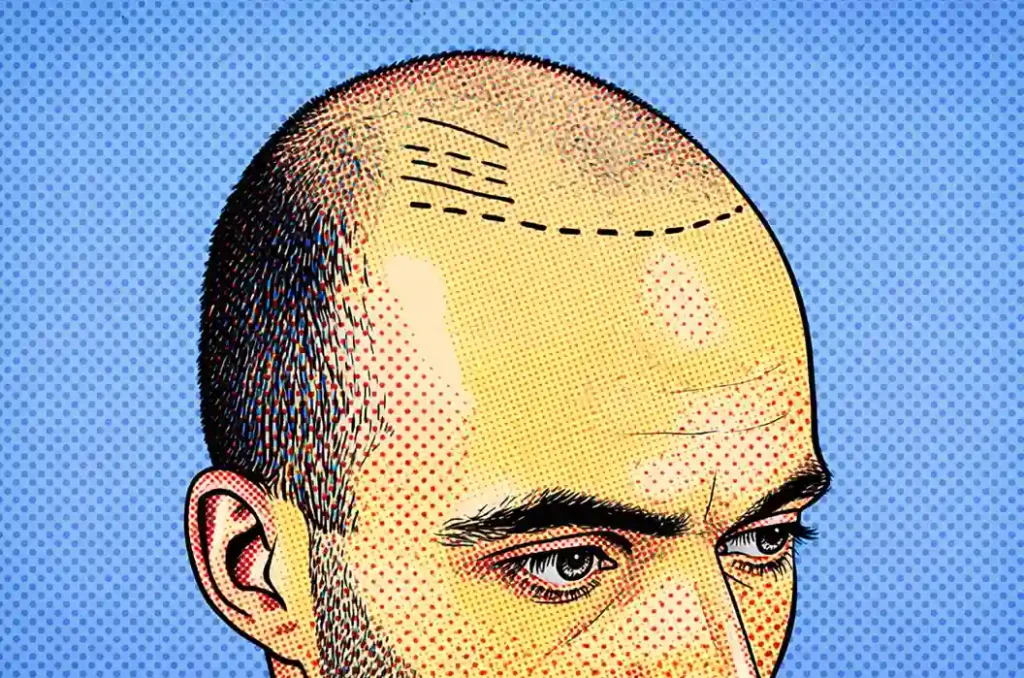
South Korea maintains strict healthcare regulations, and licensed clinics must comply with national medical standards.
What Ensures Safety?
- Board-certified plastic surgeons or dermatologists
- Sterile surgical environments
- Use of approved medical devices
- Transparent consultation practices
Red Flags to Avoid
- Clinics offering unrealistically low prices
- Lack of clear surgeon credentials
- No consultation or rushed diagnosis
- Overpromising “guaranteed density”
Risks and Complications
Hair transplants are generally safe, but like all procedures, they carry risks.
Possible Side Effects
- Swelling (forehead/eyelids)
- Infection (rare with proper care)
- Folliculitis (temporary inflammation)
- Uneven growth or poor density (technique-related)
Long-Term Considerations
Hair loss is progressive. Transplanted hair is permanent, but existing hair may continue to thin, requiring:
- Medication maintenance
- Future procedures
Recovery Timeline and Aftercare
First 7 Days
- Avoid touching or scratching
- Sleep with head elevated
- Gentle washing begins after day 2–3
Weeks 2–4
- Scabs fall off naturally
- Temporary shedding begins
Months 3–6
- Noticeable regrowth starts
9–12 Months
- Final results visible
Essential Aftercare Tips
- Avoid smoking and alcohol (slows healing)
- Protect scalp from sun exposure
- Follow clinic-specific washing protocol
Medical Tourism Considerations
International patients should plan beyond the procedure itself.
Travel Planning
- Stay in Korea for 5–10 days minimum
- Ensure access to follow-up care
Language Support
Many clinics provide:
- English-speaking coordinators
- Multilingual consultation services
Documentation
- Medical records
- Procedure summary
- Aftercare instructions (translated)
Choosing the Right Clinic in Korea
Selecting the right clinic is the most critical decision.
What to Look For
- Verified surgeon credentials
- Before-and-after case studies (consistent results)
- Transparent pricing
- Detailed consultation process
Questions to Ask
- Who performs the extraction and implantation?
- What is the expected graft survival rate?
- What happens if results are suboptimal?
Outcomes: What Results Can You Realistically Expect?
Successful Outcome Characteristics
- Natural hairline design
- Even density distribution
- Minimal visible scarring
Limitations
- Density is not identical to natural youth hair
- Multiple sessions may be required
- Results vary based on donor quality
FAQ Section

Is hair transplant Korea safe for international patients?
Hair transplant Korea is considered very safe when performed at licensed clinics by experienced surgeons. Korea hair transplant clinic standards are strict, and advanced techniques like FUE hair transplant Korea reduce risks and improve recovery outcomes.
How much does hair transplant Korea cost in 2026?
Hair transplant Korea cost typically ranges from $3,000 to $10,000 depending on graft numbers and technique. Compared to Western countries, hair transplant Korea offers more cost-efficient options without compromising medical quality.
Which technique is best in hair transplant Korea?
FUE hair transplant Korea and DHI are the most popular techniques. FUE is widely used for minimal scarring, while DHI allows precise implantation, especially for hairline design in leading Korea hair transplant clinic settings.
How long does it take to see results after hair transplant Korea?
After a hair transplant Korea procedure, initial shedding occurs within weeks, and new hair growth begins around 3–4 months. Full results are typically visible within 9–12 months depending on individual healing and graft survival.
How do I choose the best Korea hair transplant clinic?
To choose the right Korea hair transplant clinic, verify surgeon credentials, review before-and-after results, and ensure transparent consultation. A reputable clinic will prioritize long-term outcomes over unrealistic density promises in hair transplant Korea procedures.
Final Takeaway
Hair transplantation in Korea is a highly advanced, safe, and cost-effective option for international patients—but outcomes depend far more on medical judgment and planning than on destination alone.
The most important points to remember:
- Technique alone doesn’t guarantee success — surgeon experience, graft handling, and hairline design are what create natural results.
- You are treating a progressive condition — a transplant redistributes hair; it does not stop future hair loss. Long-term planning (and sometimes medication) is essential.
- Donor hair is limited — responsible clinics prioritize preservation over aggressive, unrealistic density.
- Recovery and patience matter — visible results take 6–12 months, and early shedding is normal.
- Clinic selection is the single biggest decision — credentials, transparency, and consistent results outweigh low pricing or marketing.
Bottom line:
Korea offers world-class hair transplant care, but the best outcomes come from informed patients who choose experienced surgeons, set realistic expectations, and commit to long-term hair management—not just a one-time procedure.

Korea Med Tour – Trusted Blog for Medical Tourism in Korea
Korea Med Tour is a trusted medical tourism content platform providing accurate, research-based healthcare information for international patients considering treatment in Korea.
Our editorial team specializes in global patient guidance, treatment insights, clinic selection, and medical travel planning. All content is developed using verified medical sources and structured editorial review processes to ensure clarity, safety, and reliability.
We are committed to helping international patients make informed and confident medical travel decisions when choosing Korea as their healthcare destination.