
What are health checkup programs in Korea?
KoreaMedTour.com
Health checkup programs in Korea are comprehensive preventive screening packages that use advanced diagnostics such as MRI, CT scans, and laboratory tests to detect diseases early. In 2026, they offer fast, accurate, and customizable health assessments for both local and international patients.
Quick Summary
Health checkup programs in Korea (2026) are highly advanced, fast, and prevention-focused, designed to detect diseases early using cutting-edge diagnostics. Costs range from affordable basic screenings to premium executive packages, with excellent accuracy, same-day testing, and rapid results supported by expert specialists and AI-assisted technology.
Key Insights:
- Basic health checkup Korea: ~$100–$300
- Comprehensive health checkup Korea: ~$500–$2,000
- Premium executive checkup Korea: ~$2,000–$5,000+
- Full body checkup Korea cost: varies by imaging (MRI/CT inclusion)
- Duration: ~3–6 hours (most programs completed same day)
- Results time: ~24–72 hours
- Cancer screening inclusion: Available in most mid-to-premium packages
- Detection accuracy: High due to advanced imaging and specialist review
- International patient services: Multilingual support + fast scheduling
- Preventive focus: Early detection of cancer, cardiovascular, and metabolic diseases
Why It’s Advanced & Efficient:
- High-tech diagnostic systems (MRI, CT, endoscopy, AI imaging)
- Streamlined one-day checkup process
- Integrated specialist consultation immediately after testing
- Digitized medical records with fast result turnaround
- Strong national preventive healthcare system (NHIS framework)
- Well-developed medical tourism infrastructure in Seoul and major cities
Clinical Advantages:
- Early detection of serious diseases before symptoms appear
- High diagnostic precision with AI-assisted radiology
- Reduced long-term healthcare costs through prevention
- Personalized screening based on age, gender, and risk factors
- Fast access to follow-up care and specialists if abnormalities are found
- Improved long-term health outcomes and survival rates
Table of Contents
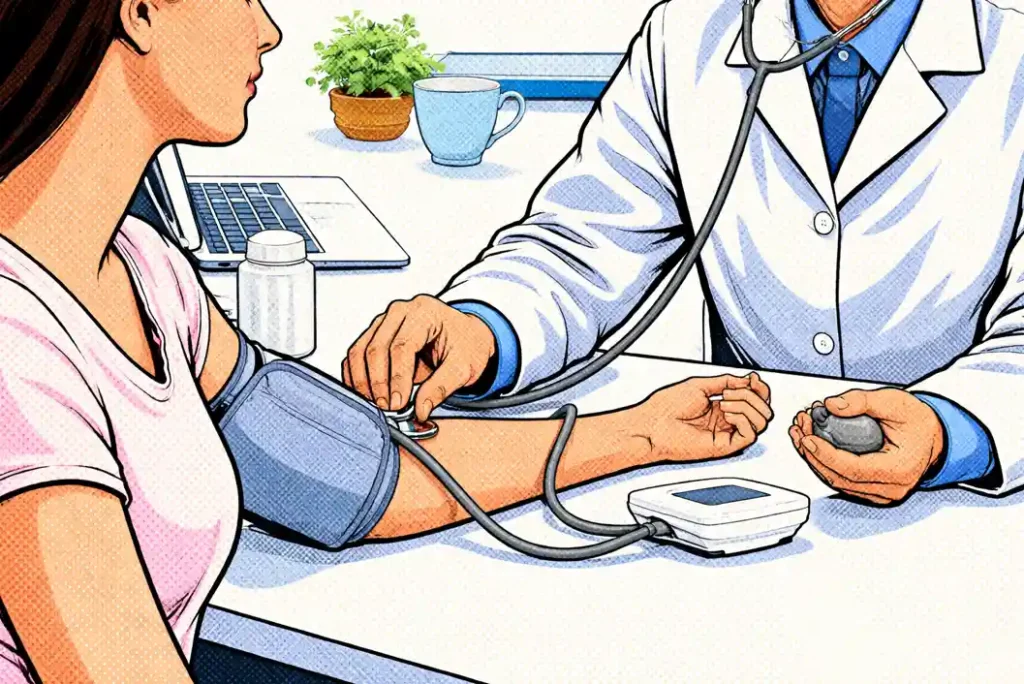
What are Health Checkup Programs in Korea?
Health checkup programs in Korea are comprehensive preventive screening packages designed to detect diseases early—even before symptoms appear. These programs combine advanced diagnostic imaging, laboratory testing, and physician consultation into a streamlined, same-day or multi-day process.
In 2026, Korea is recognized globally for offering highly structured, technology-driven health screening systems that emphasize early diagnosis of cancer, cardiovascular disease, metabolic disorders, and neurological conditions. Both residents and international patients can access these programs through national insurance systems or private hospital packages tailored to age, gender, and risk factors.
Why Korea is a Global Leader in Health Screening
Korea’s dominance in preventive health checkups is driven by a combination of policy, infrastructure, and clinical expertise:
1. Nationwide Preventive Health System
The National Health Insurance Service (NHIS) provides regular screenings for Korean citizens, creating a culture of early detection and routine monitoring.
2. Advanced Diagnostic Technology
Hospitals routinely use:
- High-resolution MRI and CT imaging
- Low-dose CT for lung cancer screening
- AI-assisted radiology for faster and more accurate detection
3. Efficiency & Accessibility
Most comprehensive checkups are completed within 3–6 hours, with results available within 24–72 hours.
4. Integrated Care Model
Screenings are directly connected to specialist consultations, allowing immediate follow-up if abnormalities are detected.
Types of Health Checkup Programs in Korea
Korean health screening programs are highly customizable. Below are the most common categories:
1. Basic Health Screening
Designed for general wellness monitoring.
Includes:
- Blood and urine tests
- Chest X-ray
- Blood pressure and BMI
- Liver and kidney function tests
Best for: Individuals under 40 or those without known risk factors.
2. Comprehensive (Executive) Checkups
A premium, in-depth program for early disease detection.
Includes:
- Full-body MRI or CT scans
- Endoscopy (gastroscopy & colonoscopy)
- Tumor markers for cancer screening
- Cardiovascular evaluation (ECG, echocardiogram)
Best for: Professionals, international patients, or individuals aged 40+.
3. Cancer Screening Packages
Korea has one of the highest early detection rates for cancer due to structured screening programs.
Common screenings:
- Stomach cancer (endoscopy)
- Colon cancer (colonoscopy)
- Breast cancer (mammography, ultrasound)
- Thyroid cancer (ultrasound)
- Liver cancer (AFP blood test + imaging)
Clinical Insight:
Early-stage cancer detection in Korea significantly improves survival rates—especially for gastric and colorectal cancers.
4. Specialized Checkups
Tailored programs based on specific health concerns:
- Cardiac Checkup: Stress test, coronary CT angiography
- Brain Checkup: Brain MRI/MRA for stroke and aneurysm risk
- Women’s Health: Pap smear, HPV testing, breast imaging
- Men’s Health: Prostate screening (PSA), testosterone levels
How Health Checkups Work: Step-by-Step Process
Step 1: Pre-Screening Consultation
Patients complete a health questionnaire and select a program based on age, family history, and lifestyle.
Step 2: Fasting & Preparation
Most tests require 8–12 hours fasting, especially for blood glucose and lipid profiles.
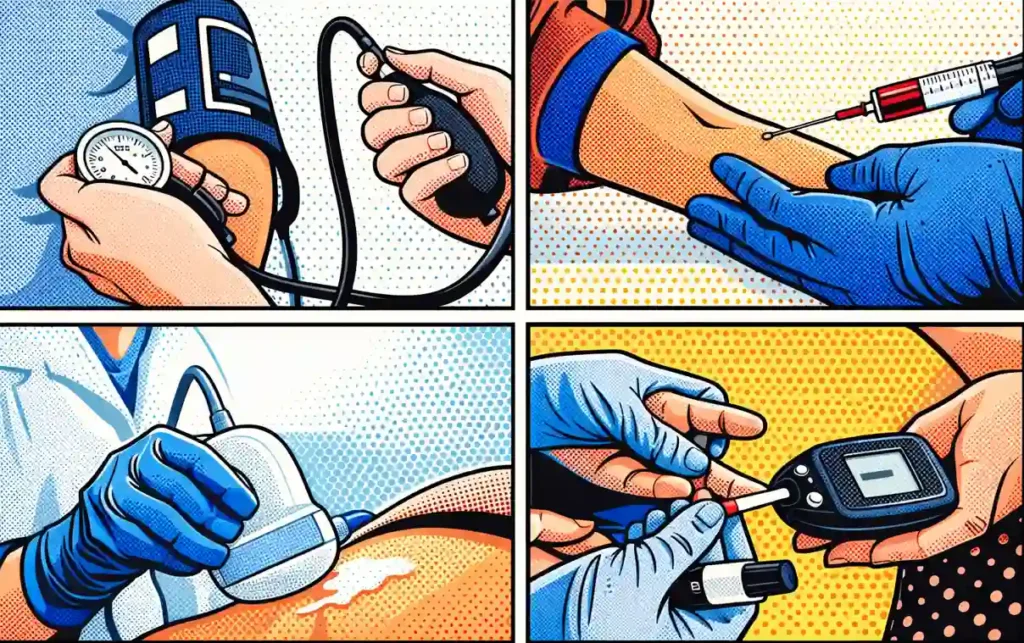
Step 3: Diagnostic Testing
A coordinated sequence of tests including imaging, lab work, and functional exams.
Step 4: Same-Day Physician Review
Doctors provide preliminary findings immediately after testing.
Step 5: Detailed Report & Follow-Up
A full report—often translated for international patients—is delivered within days, including:
- Risk assessment
- Recommendations
- Referral to specialists if needed
Cost of Health Checkup Programs in Korea (2026)
| Program Type | Average Cost (USD) | Key Features |
|---|---|---|
| Basic Screening | $100 – $300 | Essential tests |
| Comprehensive | $500 – $2,000 | Imaging + endoscopy |
| Premium Executive | $2,000 – $5,000+ | Full-body scans, genetic testing |
| Cancer Screening | $300 – $1,500 | Targeted diagnostics |
Note: Prices vary depending on hospital, technology used, and customization level.
Benefits of Health Checkups in Korea
Early Detection Saves Lives
Routine screenings significantly reduce mortality from:
- Cancer
- Cardiovascular disease
- Diabetes complications
High Diagnostic Accuracy
AI-assisted imaging and experienced specialists increase detection precision.
Time Efficiency
Unlike many countries, Korea offers same-day comprehensive diagnostics.
International Patient Support
Top hospitals provide:
- Multilingual coordinators
- Medical visa assistance
- Concierge services
Risks and Limitations
While highly beneficial, health checkups are not without considerations:
- False positives: May lead to unnecessary anxiety or additional testing
- Overdiagnosis: Detecting conditions that may not require treatment
- Radiation exposure: From CT scans (though minimized with modern protocols)
Clinical Recommendation:
Screenings should be personalized, not excessive. A physician-guided approach ensures appropriate testing.
Who Should Get a Health Checkup?
Recommended Groups:
- Adults over 40
- Individuals with family history of cancer or heart disease
- Smokers or heavy alcohol users
- Patients with chronic conditions (e.g., hypertension, diabetes)
Frequency:
- Basic checkup: Every 1–2 years
- Comprehensive checkup: Every 2–3 years
- High-risk individuals: Annually or as advised
Real-World Scenario (Clinical Insight)
A 45-year-old international patient visiting Seoul opted for a comprehensive checkup. Despite no symptoms, a small early-stage gastric lesion was detected via endoscopy. Immediate minimally invasive treatment led to full recovery.
Takeaway:
Without screening, detection would likely have occurred at a later, more dangerous stage.
How to Choose the Right Program
Key Factors:
- Age and gender
- Family medical history
- Lifestyle risks
- Budget and time availability
Expert Tip:
Avoid “one-size-fits-all” packages. The most effective programs are customized based on risk stratification.
Future Trends in Korean Health Checkups (2026 and Beyond)
1. AI-Powered Predictive Screening
Machine learning models analyze imaging and biomarkers to predict disease risk earlier than traditional methods.
2. Genetic & Genomic Testing
Personalized screening based on DNA risk profiling is becoming mainstream.
3. Digital Health Integration
Wearable devices and mobile apps are increasingly linked to hospital systems for continuous monitoring.
FAQ Section

What are health checkup programs in Korea?
Health checkup programs in Korea are structured preventive health screening Korea systems that include blood tests, imaging, and specialist reviews. These Korea medical checkup packages are designed to detect diseases early and improve long-term health outcomes.
How much does a full body checkup cost in Korea?
The full body checkup Korea cost typically ranges from $500 to $3,000 depending on the package. Premium Korea medical checkup packages with MRI and endoscopy may cost more but provide deeper preventive health screening Korea benefits.
Are health checkup programs in Korea suitable for foreigners?
Yes, health checkup programs in Korea are widely used by international patients. Many hospitals offer Korea medical checkup packages with multilingual support, making preventive health screening Korea accessible and efficient for global visitors.
What tests are included in health checkup programs in Korea?
Health checkup programs in Korea include blood tests, CT/MRI scans, cancer screening, and organ function tests. Advanced Korea medical checkup packages also provide personalized preventive health screening Korea based on age and risk factors.
How often should I do a health checkup in Korea?
Most experts recommend health checkup programs in Korea every 1–2 years. Individuals with higher risk may need annual preventive health screening Korea, especially when choosing comprehensive Korea medical checkup packages.
Key Takeaways
Health checkup programs in Korea represent one of the most advanced, efficient, and preventive healthcare systems globally. With a strong emphasis on early detection, cutting-edge diagnostics, and patient-centered care, these programs are particularly valuable for individuals seeking proactive health management rather than reactive treatment.
For both residents and international patients, Korea offers a compelling combination of clinical excellence, affordability, and speed—making it a top destination for comprehensive health screening in 2026.

Korea Med Tour – Trusted Blog for Medical Tourism in Korea
Korea Med Tour is a trusted medical tourism content platform providing accurate, research-based healthcare information for international patients considering treatment in Korea.
Our editorial team specializes in global patient guidance, treatment insights, clinic selection, and medical travel planning. All content is developed using verified medical sources and structured editorial review processes to ensure clarity, safety, and reliability.
We are committed to helping international patients make informed and confident medical travel decisions when choosing Korea as their healthcare destination.