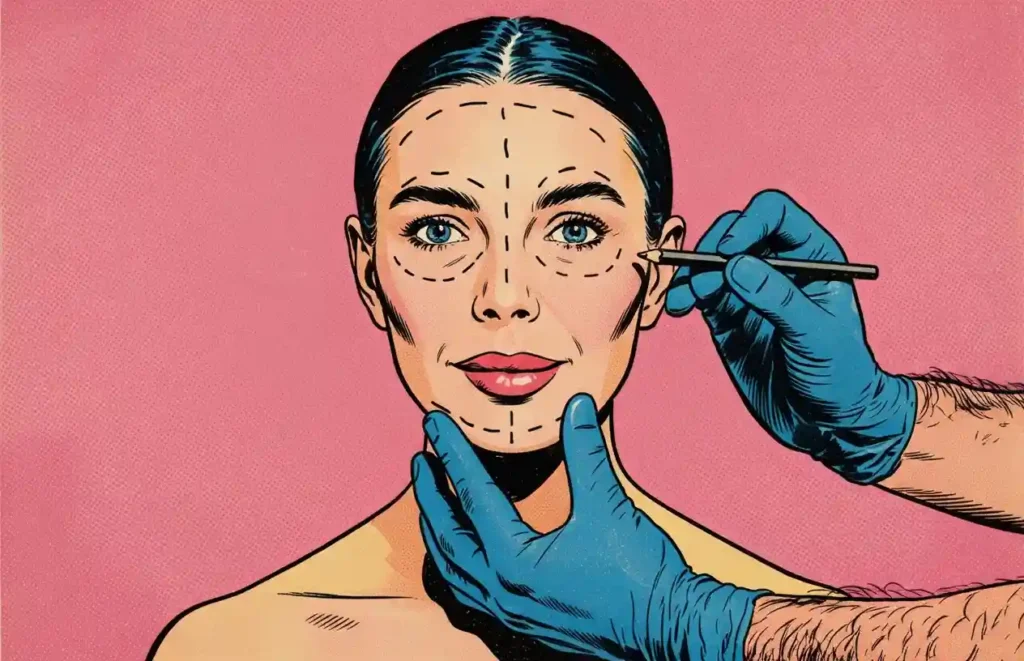
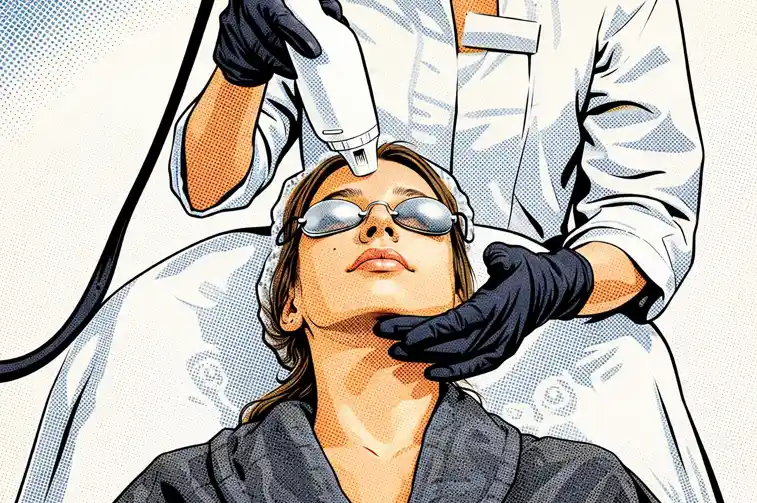
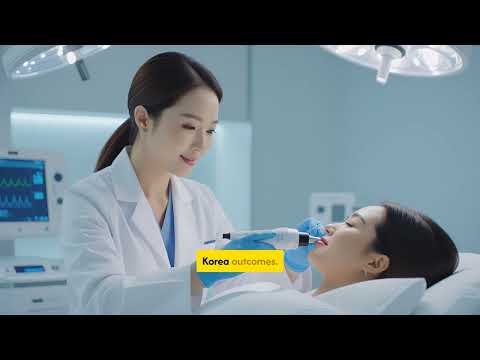
What are Korean beauty medical treatments? Korean beauty medical treatments are advanced, non-surgical procedures such as laser therapy, skin boosters, and injectables that improve skin tone, elasticity, and texture. These treatments focus on natural-looking results, minimal downtime, and personalized care for long-term skin health.
KoreaMedTour.com
Quick Summary
Korean beauty medical treatments are highly advanced yet cost-effective compared to Western countries, typically 20–50% more affordable while maintaining strict medical safety standards, cutting-edge technology, and expert-led care. These treatments focus on natural, long-term skin improvement with minimal downtime.
Key Insights:
- Laser skin treatments Korea: ~$100–$500 per session
- Skin boosters Korea: ~$200–$600
- Botulinum toxin Korea: ~$50–$300
- Dermal fillers Korea: ~$300–$800 per syringe
- HIFU lifting Korea: ~$300–$1,500
- Results visible: immediate to 2–3 months depending on treatment
- Downtime: minimal (same day to a few days)
- Costs vary based on treatment type, device technology, and doctor expertise
Why It’s More Affordable:
- High patient volume and specialized dermatology expertise
- Strong competition among Korean aesthetic clinics
- Efficient treatment systems and bundled procedure pricing
- Advanced technology widely available across clinics
- High domestic demand supporting consistent innovation and pricing
Table of Contents
Why Korean Beauty Medical Treatments Are Globally Popular
Korea has become a global hub for aesthetic medicine by combining dermatology expertise, innovation, and personalized care systems. Unlike purely cosmetic approaches, Korean treatments focus on long-term skin health and gradual enhancement, not drastic changes.
Key Reasons for Global Demand
- High concentration of specialized dermatologists
- Advanced laser and energy-based technologies
- Customized treatment protocols using AI diagnostics
- Strong emphasis on safety and natural outcomes
- Competitive pricing with high-quality standards
Clinics—especially in Seoul—treat a wide range of skin conditions daily, giving practitioners extensive real-world clinical experience across diverse skin types.
What Makes Korean Treatments Different?
1. Skin-First Philosophy
Rather than focusing only on appearance, Korean aesthetic medicine prioritizes:
- Skin barrier health
- Collagen regeneration
- Balanced hydration and elasticity
2. Combination Therapy Approach
Most patients receive multi-modal treatments, combining:
- Laser therapy
- Injectables
- Skincare programs
This layered approach improves results while minimizing risks.
3. Preventive Anti-Aging Strategy
Treatments often begin earlier (late 20s–30s), focusing on:
- Slowing aging progression
- Maintaining skin quality
Most Popular Korean Beauty Medical Treatments (2026)
1. Laser Skin Treatments
What They Do
Use controlled light energy to target:
- Pigmentation
- Fine lines
- Acne scars
- Uneven skin tone
Common Types
- Pico laser → pigmentation and brightening
- Fractional laser → texture and scars
- CO₂ laser → deep resurfacing
Clinical Insight
Korean clinics often perform laser combination therapy, adjusting wavelengths and intensity based on real-time skin response.
2. Skin Boosters (Hydration & Glow Treatments)
Definition
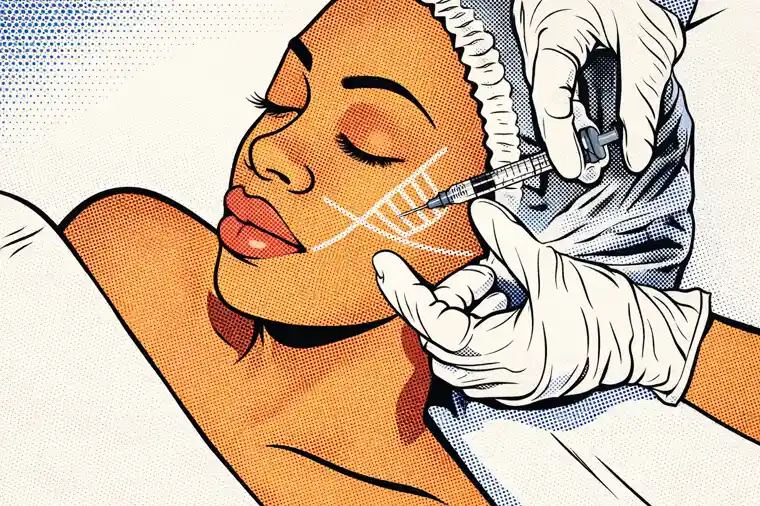
Microinjections of substances like hyaluronic acid, amino acids, or polynucleotides into the dermis.
Benefits
- Deep hydration
- Improved elasticity
- “Glass skin” effect (smooth, radiant skin)
Real-World Use
Frequently used as a maintenance treatment every 3–6 months.
3. Botulinum Toxin and Dermal Fillers
Botulinum Toxin
- Reduces dynamic wrinkles (forehead, eyes)
- Prevents deeper wrinkle formation
Dermal Fillers
- Restore lost facial volume
- Enhance contours (jawline, cheeks)
Korean Approach
Lower doses and precise placement are used to maintain:
- Natural facial expression
- Balanced proportions
4. HIFU (High-Intensity Focused Ultrasound)
Mechanism
Targets deep skin layers (SMAS) to stimulate collagen and tighten tissue.
Benefits
- Non-surgical lifting
- No downtime
- Gradual, natural results
Best For
- Mild to moderate skin laxity
- Jawline and neck tightening
5. RF Microneedling
How It Works
Combines microneedling with radiofrequency energy to stimulate deeper collagen production.
Effects
- Skin tightening
- Pore reduction
- Acne scar improvement
Clinical Advantage
Customizable depth and energy levels based on individual skin thickness.
6. Chemical Peels and Medical Facials
Purpose
- Remove dead skin cells
- Improve skin tone and clarity
- Support acne management
Types
- Superficial peels (maintenance)
- Medium-depth peels (pigmentation and texture)
7. Regenerative Treatments (PRP & Advanced Therapies)
PRP (Platelet-Rich Plasma)
- Uses patient’s own growth factors
- Promotes healing and collagen regeneration
Emerging Therapies
- Polynucleotide (PN) treatments
- Stem-cell–based approaches (regulated use)
How Korean Clinics Personalize Treatments
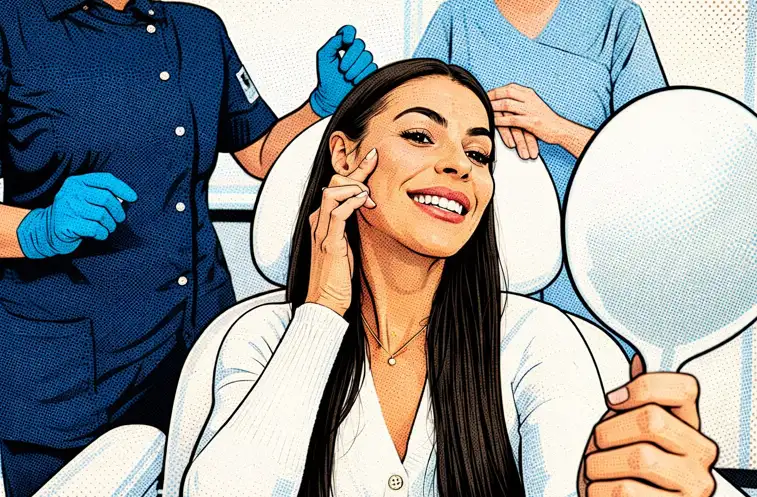
Step-by-Step Process
1. Skin Analysis
- AI-based imaging systems evaluate:
- Pigmentation
- Wrinkles
- Pore size
- Sebum levels
2. Diagnosis
Dermatologists identify:
- Skin type
- Aging stage
- Underlying conditions
3. Customized Plan
A combination of:
- In-clinic procedures
- Home skincare
- Maintenance schedule
Example Treatment Plan
Patient: Early 30s, dull skin, mild pigmentation
Plan:
- Pico laser (tone correction)
- Skin booster injections (hydration)
- Light botulinum toxin (prevention)
- Medical skincare routine
Safety and Risk Management
Why Korean Treatments Are Considered Safe
- Procedures performed by licensed doctors
- Strict hygiene and sterilization protocols
- Use of approved medical devices
- Comprehensive consultation before treatment
Possible Side Effects
- Temporary redness or swelling
- Mild bruising (injectables)
- Sensitivity after lasers
Risk Reduction
- Proper diagnosis
- Gradual treatment intensity
- Post-treatment care (sun protection, hydration)
Recovery and Results Timeline
| Treatment | Downtime | Initial Results | Full Results |
|---|---|---|---|
| Laser | 1–5 days | 1 week | 4–8 weeks |
| Skin boosters | Minimal | 3–7 days | 2–4 weeks |
| HIFU | None | 4 weeks | 2–3 months |
| RF microneedling | 1–3 days | 2 weeks | 1–2 months |
Cost Overview in Korea (2026)
Typical price ranges:
- Laser treatments: $100–$500 per session
- Skin boosters: $200–$600
- Botulinum toxin: $50–$300
- Fillers: $300–$800
- HIFU: $300–$1,500
Why Prices Are Competitive
- High treatment volume
- Advanced infrastructure
- Competitive clinic environment
Who Should Consider Korean Beauty Medical Treatments?
Ideal Candidates
- Individuals with early signs of aging
- Patients seeking non-surgical solutions
- Those wanting gradual, natural improvements
Not Ideal For
- Severe medical skin conditions without consultation
- Unrealistic expectations of instant transformation
How to Choose the Right Clinic
Key Criteria
- Doctor qualifications and specialization
- Use of modern equipment
- Transparent consultation process
- Documented treatment outcomes
Practical Tip
Look for clinics that offer:
- Personalized treatment plans
- Clear explanation of risks and benefits
Future Trends in Korean Beauty Medical Treatments
- AI-driven predictive skin analysis
- Increased use of regenerative medicine
- Combination therapies becoming standard
- Focus on prevention rather than correction
FAQ Section
What are Korean beauty medical treatments?
Korean beauty medical treatments are advanced Korea skin treatments including laser therapy, injectables, and non-surgical skin rejuvenation Korea procedures. These treatments improve skin tone, elasticity, and texture while ensuring safe, natural-looking results.
Are Korean beauty medical treatments safe?
Yes, Korean beauty medical treatments are safe when performed by licensed professionals. Korean aesthetic procedures follow strict medical standards, using advanced devices and personalized plans to ensure safe non-surgical skin rejuvenation Korea outcomes.
How much do Korean beauty medical treatments cost?
Costs for Korean beauty medical treatments vary depending on the procedure. Korea skin treatments like lasers may start at $100, while advanced Korean aesthetic procedures such as HIFU or injectables can range from $300 to $1,500.
How long do results from Korean beauty medical treatments last?
Results from Korean beauty medical treatments depend on the type of procedure. Non-surgical skin rejuvenation Korea treatments may last several months to a year, especially when combined with proper skincare and maintenance sessions.
Which treatments are most popular in Korean beauty clinics?
Popular Korean beauty medical treatments include laser therapy, skin boosters, HIFU lifting, and injectables. These Korean aesthetic procedures are widely used for non-surgical skin rejuvenation Korea and achieving smooth, radiant skin.
Final Takeaway
Korean beauty medical treatments represent a balanced approach to aesthetics—combining medical science, advanced technology, and personalized care. Rather than focusing on dramatic changes, the goal is to improve skin health, maintain youthful features, and deliver natural-looking results over time.
For patients seeking safe, effective, and minimally invasive options, Korea continues to set the global standard in modern aesthetic medicine in 2026.

Korea Med Tour – Trusted Blog for Medical Tourism in Korea
Korea Med Tour is a trusted medical tourism content platform providing accurate, research-based healthcare information for international patients considering treatment in Korea.
Our editorial team specializes in global patient guidance, treatment insights, clinic selection, and medical travel planning. All content is developed using verified medical sources and structured editorial review processes to ensure clarity, safety, and reliability.
We are committed to helping international patients make informed and confident medical travel decisions when choosing Korea as their healthcare destination.