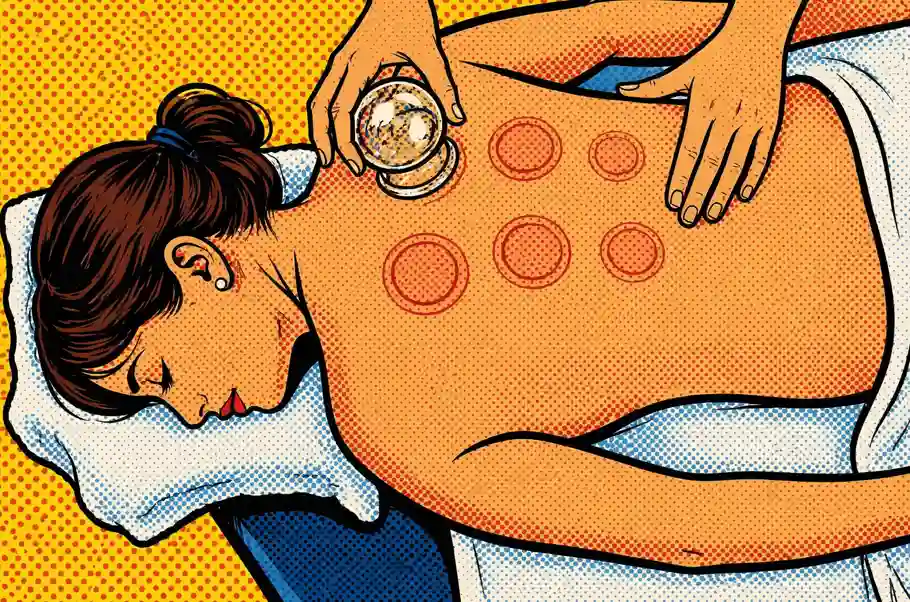
What is Korean cupping therapy and is it effective? Korean cupping therapy is a traditional treatment that uses suction cups to improve blood circulation, relieve muscle pain, and support recovery. It is considered moderately effective for musculoskeletal pain, though mild side effects like temporary bruising can occur.
KoreaMedTour.com
Quick Summary
Korean cupping therapy (2026) is a widely used, non-invasive treatment that helps relieve muscle pain, improve blood circulation, and support recovery through controlled suction applied to the skin. In Korea, it is performed by licensed practitioners in regulated clinical settings, offering a safe, affordable, and effective complementary therapy for pain management.
Key Insights:
- Cupping therapy Korea cost: ~$20–$80 per session
- Wet cupping Korea: ~$40–$120 per session
- Moving cupping (sliding): ~$30–$90 per session
- Typical treatment plan: 1–3 sessions/week for 2–4 weeks
- Session duration: ~5–20 minutes
- Best conditions treated: back pain, neck pain, muscle tension, sports injuries
- Recovery timeline: immediate relief to noticeable improvement within 2–5 sessions
- Side effects: temporary marks, mild soreness
- International patient support: multilingual clinics + easy booking
- Cost savings vs US/EU: ~30–60% lower overall
Why It’s Effective & Trusted:
- Improves microcirculation and oxygen delivery to tissues
- Relieves muscle tightness through myofascial decompression
- Activates natural pain modulation pathways
- Stimulates mild inflammatory response for healing
- Widely practiced in Korean medicine clinics with trained professionals
- Often combined with acupuncture and physical therapy
Clinical Advantages:
- Non-invasive and drug-free pain management
- Effective for muscle stiffness and chronic tension
- Low risk when performed by licensed practitioners
- Fast treatment time with minimal downtime
- Enhances mobility and flexibility
- Supports recovery from physical strain and fatigue
- Suitable as a complementary therapy alongside rehabilitation
Table of Contents
What Is Korean Cupping Therapy?
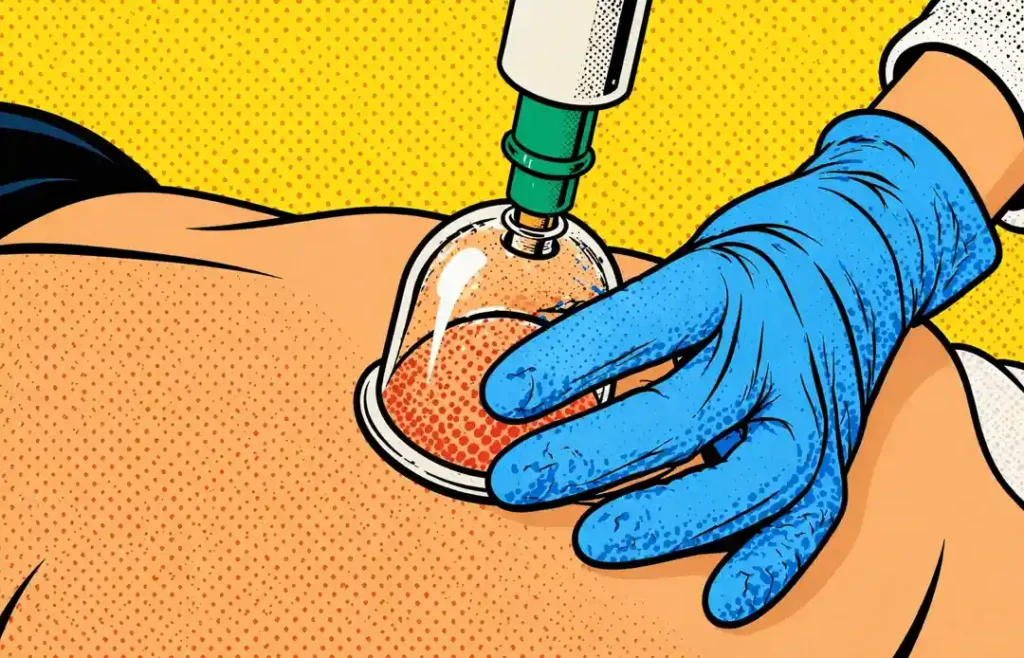
Korean cupping therapy is a therapeutic technique rooted in traditional East Asian medicine. It uses negative pressure (suction) created inside cups placed on the skin to influence blood flow, muscle tissue, and the nervous system.
Key Types of Cupping Used in Korea
- Dry Cupping
- Most common type
- Uses suction only (no blood involved)
- Typically applied for muscle pain and fatigue
- Wet Cupping
- Involves superficial skin pricking followed by suction
- Aims to remove small amounts of blood
- Used more selectively under clinical supervision
- Moving Cupping
- Cups are moved across oiled skin
- Combines massage with suction
- Often used for large muscle areas like the back
How Does Cupping Work?
Modern research suggests that cupping therapy works through several physiological mechanisms:
1. Increased Local Blood Circulation
The suction effect draws blood to the surface, improving oxygen delivery and nutrient supply to tissues.
2. Myofascial Decompression
Cupping lifts connective tissue (fascia), which may reduce muscle stiffness and improve flexibility.
3. Pain Modulation
Stimulation of skin receptors may activate the nervous system’s pain-inhibiting pathways (gate control theory).
4. Inflammatory Response Activation
The mild, controlled inflammation caused by cupping may trigger the body’s natural healing processes.
Evidence-Based Benefits of Korean Cupping Therapy
While research is ongoing, several benefits are supported by clinical observations and systematic reviews.
1. Pain Relief (Most Established Benefit)
- Commonly used for:
- Chronic back pain
- Neck and shoulder tension
- Sports-related muscle soreness
- Studies suggest moderate effectiveness for musculoskeletal pain relief.
2. Improved Blood Flow
- Temporary increase in microcirculation
- May help reduce muscle fatigue and stiffness
3. Relaxation and Stress Reduction
- Patients often report decreased stress levels
- May support parasympathetic (rest-and-digest) activation
4. Support for Recovery and Mobility
- Frequently used by athletes and physical therapists
- Can improve range of motion when combined with rehabilitation
Real-World Clinical Insight
In Korean medicine clinics, cupping is often integrated with acupuncture and manual therapy. For example, a patient with chronic shoulder stiffness may receive acupuncture first, followed by cupping to enhance circulation and muscle relaxation.
What Conditions Is Cupping Commonly Used For?
Cupping therapy is most often used as a complementary treatment, not a standalone cure.
Common Indications
- Chronic musculoskeletal pain
- Myofascial pain syndrome
- Neck and shoulder stiffness (common in desk workers)
- Lower back pain
- Sports injuries and recovery
- Tension headaches
Less Common (Emerging or Traditional Uses)
- Respiratory conditions (e.g., cough, colds)
- Fatigue syndromes
- Digestive imbalance (traditional context)
Note: Evidence for non-musculoskeletal uses is limited and should be approached cautiously.
Risks and Side Effects: What You Need to Know
Although generally safe when performed by trained professionals, cupping therapy is not risk-free.
Common Side Effects (Usually Mild)
- Circular bruising or discoloration (lasts 3–10 days)
- Skin irritation
- Mild soreness
Potential Risks
- Skin burns (rare, usually from improper technique)
- Infection (especially in wet cupping if hygiene is poor)
- Excessive bruising or skin damage
- Worsening of certain conditions
Who Should Avoid Cupping?
- Individuals with bleeding disorders
- Patients taking anticoagulant medications
- People with skin infections or open wounds
- Pregnant individuals (specific areas should be avoided)
- Patients with severe chronic illnesses without medical clearance
What to Expect During a Cupping Session
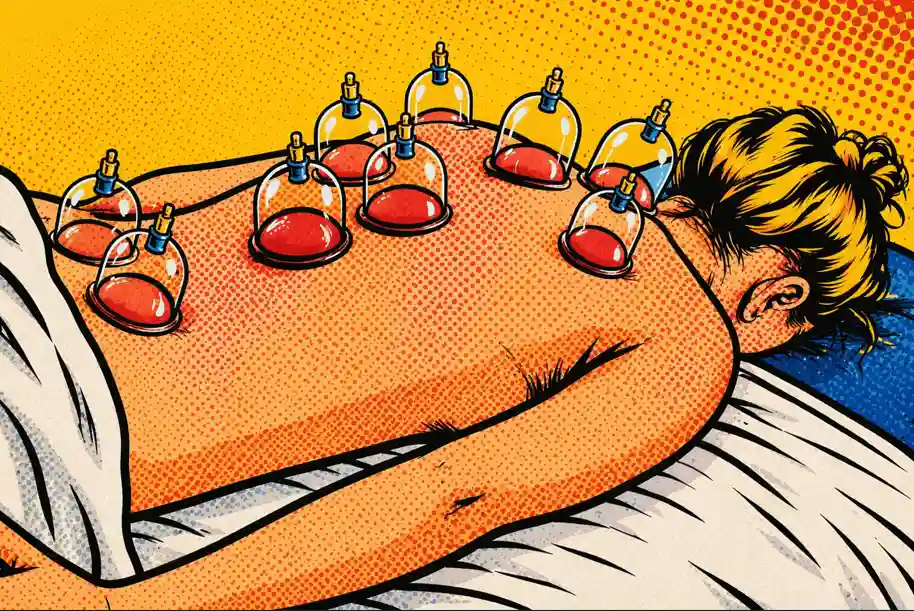
Understanding the process helps reduce anxiety and improves outcomes.
Before Treatment
- Consultation and assessment
- Identification of treatment areas
- Skin inspection
During Treatment
- Cups are applied using heat or mechanical suction
- You may feel a tight pulling sensation, not sharp pain
- Session duration: typically 5–20 minutes
After Treatment
- Visible marks (often mistaken for bruises)
- Mild warmth or relaxation
- Increased range of motion in some cases
Do Cupping Marks Mean Anything?
The circular marks left by cupping are caused by broken capillaries under the skin—not actual bruising from trauma.
Common Interpretations
- Darker marks: may indicate stagnant blood flow (traditional view)
- Lighter marks: less stagnation
From a medical perspective, these marks simply reflect the intensity of suction and individual skin response—not a diagnostic measure.
How Effective Is Cupping Therapy?
What Research Says (as of 2026)
- Moderate evidence supports cupping for chronic pain conditions
- Effects are often short-term but clinically meaningful
- Best results occur when combined with other therapies
Limitations of Evidence
- Variability in study quality
- Lack of standardization in techniques
- Placebo effect may play a role
Is Korean Cupping Therapy Safe?
Yes—when performed by licensed Korean medicine practitioners using proper hygiene and technique.
Safety Best Practices
- Choose certified clinics
- Avoid DIY cupping kits without training
- Ensure sterile procedures (especially for wet cupping)
- Discuss your medical history beforehand
Cupping vs. Other Therapies
| Therapy | Primary Function | Best For |
|---|---|---|
| Cupping | Circulation & muscle release | Muscle tension, recovery |
| Acupuncture | Nervous system modulation | Pain, internal conditions |
| Massage | Muscle relaxation | General stress relief |
| Physical Therapy | Rehabilitation | Injury recovery, mobility |
Cupping is often most effective as part of a combined treatment plan.
Practical Example: Typical Patient Scenario
A 38-year-old office worker in Seoul experiences chronic neck and shoulder pain from prolonged computer use.
Treatment plan may include:
- Acupuncture to target pain points
- Cupping therapy to improve circulation
- Stretching exercises for long-term relief
Outcome:
- Reduced stiffness after 2–3 sessions
- Improved posture awareness
- Gradual decrease in pain intensity
FAQ Section

What are the main Korean cupping therapy benefits?
Korean cupping therapy benefits include improved blood circulation, reduced muscle tension, and faster recovery from pain. Many patients use cupping therapy for chronic back pain, neck stiffness, and sports recovery, making it a widely used complementary treatment.
What are the risks of Korean cupping therapy?
Korean cupping therapy risks include temporary bruising, skin irritation, and in rare cases, burns or infection. These cupping therapy risks are usually mild but can increase if performed incorrectly or without proper hygiene.
What should I expect during Korean cupping therapy?
When receiving Korean cupping therapy, expect a pulling sensation as suction cups are applied to the skin. Cupping therapy sessions typically last 5–20 minutes, and you may notice circular marks afterward, which are normal and fade within days.
Is Korean cupping therapy safe for everyone?
Korean cupping therapy is generally safe but not suitable for everyone. People with bleeding disorders, sensitive skin, or those taking blood thinners should avoid cupping therapy or consult a medical professional before treatment.
How effective is Korean cupping therapy for pain relief?
Korean cupping therapy is considered moderately effective for pain relief, especially for musculoskeletal conditions. Studies show cupping therapy benefits are most noticeable when combined with treatments like acupuncture or physical therapy.
Key Takeaways
Korean cupping therapy can be a useful complementary treatment for managing muscle pain, improving circulation, and supporting recovery—especially when guided by a trained professional. However, it is not a cure-all and should be approached with realistic expectations.
- Most effective for musculoskeletal pain
- Generally safe when performed correctly
- Temporary marks are normal
- Works best alongside other treatments
If you are considering cupping therapy, consult a qualified practitioner to ensure it is appropriate for your condition and health status.

Korea Med Tour – Trusted Blog for Medical Tourism in Korea
Korea Med Tour is a trusted medical tourism content platform providing accurate, research-based healthcare information for international patients considering treatment in Korea.
Our editorial team specializes in global patient guidance, treatment insights, clinic selection, and medical travel planning. All content is developed using verified medical sources and structured editorial review processes to ensure clarity, safety, and reliability.
We are committed to helping international patients make informed and confident medical travel decisions when choosing Korea as their healthcare destination.