

Is LASIK eye surgery in Korea safe and effective? LASIK eye surgery in Korea is considered safe and effective due to advanced laser technology, experienced surgeons, and strict medical standards. Patients benefit from precise vision correction, fast recovery, and affordable costs, making Korea a top destination for reliable refractive eye surgery in 2026.
KoreaMedTour.com
Quick Summary
LASIK eye surgery in South Korea is highly advanced and cost-effective, typically 30–60% lower than in many Western countries, while maintaining excellent safety standards, precision technology, and high success rates.
Key Insights:
LASIK: ~$1,500–$3,500
SMILE: ~$2,000–$4,500
LASEK/PRK: ~$1,200–$3,000
Fast Recovery: Vision improves within 24–48 hours
High Success Rate: 95%+ achieve 20/25 vision or better
Costs and outcomes may vary depending on surgeon expertise, clinic quality, and individual eye conditions.
Table of Contents
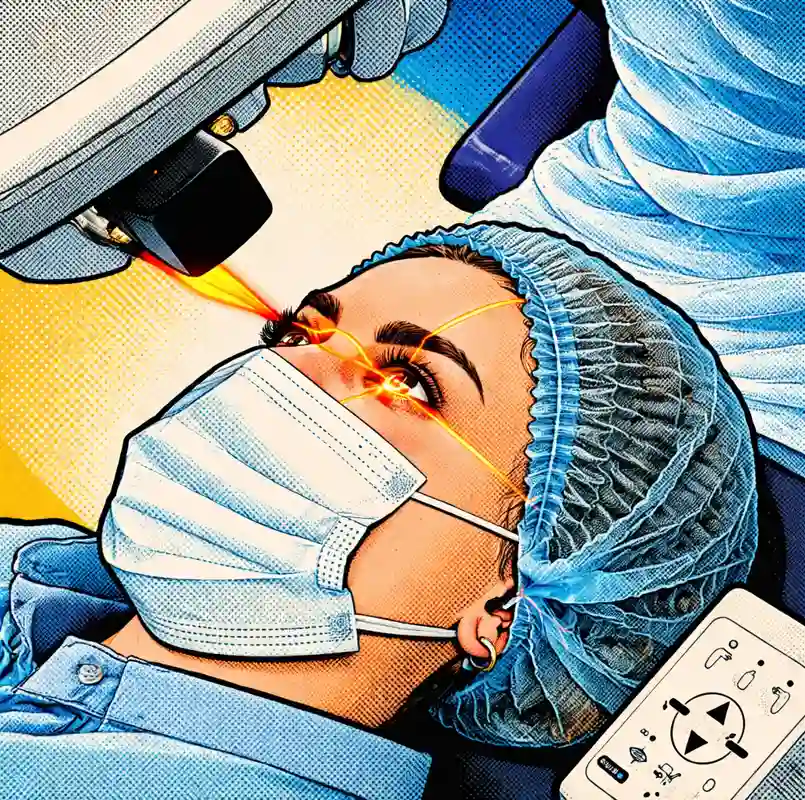
What Is LASIK Eye Surgery?
LASIK (Laser-Assisted In Situ Keratomileusis) is a refractive surgery designed to correct common vision problems:
- Myopia (nearsightedness)
- Hyperopia (farsightedness)
- Astigmatism
How It Works (Clinical Mechanism)
LASIK reshapes the cornea to improve how light focuses on the retina:
- A thin corneal flap is created (microkeratome or femtosecond laser)
- An excimer laser reshapes the corneal tissue
- The flap is repositioned, acting as a natural bandage
Outcome: Clearer vision without glasses or contact lenses.
Why Choose Korea for LASIK Eye Surgery?
1. Advanced Laser Technology
Clinics in cities like Seoul use:
- Femtosecond lasers (bladeless LASIK)
- Wavefront-guided and topography-guided systems
- Real-time eye tracking for precision
Clinical Benefit:
Higher accuracy, reduced risk of complications, and improved night vision outcomes.
2. Highly Experienced Ophthalmologists
Korean refractive surgeons often:
- Perform thousands of procedures annually
- Specialize exclusively in corneal and refractive surgery
- Use data-driven surgical planning
Real-World Insight:
High surgical volume correlates with lower complication rates and more predictable visual outcomes.
3. Comprehensive Pre-Surgery Screening
A key strength of Korea’s LASIK system is strict patient selection.
Typical evaluation includes:
- Corneal thickness (pachymetry)
- Corneal mapping (topography)
- Tear film analysis (dry eye assessment)
- Pupil size measurement
- Retinal examination
Why This Matters:
Not all patients are suitable for LASIK. Proper screening prevents complications such as ectasia.
Types of Vision Correction Available in Korea
Korea offers multiple options beyond traditional LASIK:
1. Standard LASIK
- Fast recovery
- Minimal discomfort
2. SMILE (Small Incision Lenticule Extraction)
- No corneal flap
- Lower risk of dry eye
- Suitable for active lifestyles
3. LASEK / PRK
- Surface-based procedures
- Recommended for thin corneas
Clinical Decision Tip:
The best procedure depends on corneal structure, lifestyle, and eye health—not price alone.
Cost of LASIK Eye Surgery in Korea (2026)

Average Price Range
| Procedure | Korea Cost | US Cost |
|---|---|---|
| LASIK | $1,500–$3,500 | $4,000–$6,000 |
| SMILE | $2,000–$4,500 | $5,000–$7,000 |
| LASEK | $1,200–$3,000 | $3,000–$5,000 |
Why Costs Are Lower
- Efficient healthcare delivery
- High procedure volume
- Competitive private clinic market
Important: Lower cost does not mean reduced safety—Korea maintains strict clinical standards.
Safety and Success Rates
Clinical Outcomes
- 95%+ of patients achieve 20/25 vision or better
- High patient satisfaction rates
- Low complication rates when performed on suitable candidates
Common but Temporary Side Effects
- Dry eyes
- Glare or halos at night
- Mild discomfort
Rare Complications
- Infection
- Corneal ectasia
- Flap-related issues
Risk Reduction Strategy:
- Choose experienced surgeons
- Ensure thorough pre-op testing
- Follow post-operative care strictly
Step-by-Step Patient Journey in Korea
1. Initial Consultation
- Vision assessment
- Eligibility screening
2. Detailed Diagnostic Testing
- Advanced imaging and measurements
3. Surgery Day
- Procedure time: 10–15 minutes per eye
- Painless (numbing eye drops used)
4. Recovery Phase
- Vision improves within 24–48 hours
- Full stabilization in weeks
5. Follow-Up Care
- Regular check-ups
- Eye drops for healing
Recovery Timeline
| Timeframe | What to Expect |
|---|---|
| 24 hours | Improved vision |
| 1 week | Stable daily vision |
| 1 month | Reduced dryness |
| 3–6 months | Full visual stabilization |
Who Is a Good Candidate?
Ideal Candidates
- Age 18–45
- Stable vision for at least 1 year
- Healthy cornea
- No severe dry eye
Not Suitable If:
- Cornea is too thin
- Active eye disease present
- Severe refractive error beyond safe limits
Real-Life Scenario
A 32-year-old international patient with -5.00 diopters myopia travels to Korea:
- Undergoes full diagnostic screening
- Recommended SMILE instead of LASIK due to dry eye risk
- Achieves 20/20 vision within days
- Returns home within one week
Insight:
Personalized procedure selection is critical for optimal outcomes.
Advantages of LASIK in Korea vs Other Countries
Key Differentiators
- Faster scheduling (days vs weeks)
- Advanced diagnostic systems
- High surgeon specialization
- Competitive pricing
- Integrated care for international patients
Potential Risks and How to Minimize Them
Risks
- Overcorrection or undercorrection
- Night vision issues
- Dry eye syndrome
Prevention
- Choose accredited clinics
- Avoid “discount-only” providers
- Follow medical advice carefully
FAQ Section

Is LASIK eye surgery in Korea safe for international patients?
Yes, LASIK eye surgery in Korea is considered highly safe due to advanced laser systems, strict medical standards, and experienced surgeons. These Korea vision correction surgery benefits ensure reliable outcomes and high patient satisfaction.
How much does LASIK eye surgery in Korea cost?
LASIK eye surgery in Korea typically costs between $1,500 and $3,500, making it significantly more affordable than Western countries. LASIK cost Korea for foreigners is lower while maintaining high-quality care and advanced technology.
What is the difference between SMILE vs LASIK in Korea?
SMILE vs LASIK Korea comparison shows that SMILE is minimally invasive with no flap, while LASIK offers faster visual recovery. Both are advanced procedures available in Korea, chosen based on eye condition and lifestyle.
Why do international patients choose LASIK eye surgery in Korea?
Patients choose LASIK eye surgery in Korea for its combination of advanced technology, skilled surgeons, fast scheduling, and affordability. These Korea vision correction surgery benefits make it a top global destination.
Who is a good candidate for LASIK eye surgery in Korea?
Good candidates for LASIK eye surgery in Korea are adults with stable vision, healthy corneas, and no major eye diseases. A detailed consultation determines eligibility and whether LASIK or SMILE vs LASIK Korea is more suitable.
Final Takeaway
From a clinical standpoint, LASIK eye surgery in South Korea represents a high-value combination of precision, safety, and affordability. The country’s strength lies in its systematic approach—rigorous screening, advanced technology, and experienced surgeons working together to optimize outcomes.
For international patients in 2026, Korea offers not just treatment, but a well-coordinated, data-driven vision correction experience.
LASIK eye surgery in South Korea is an excellent option for patients seeking safe, fast, and cost-effective vision correction, provided they undergo proper screening and choose qualified specialists.

Korea Med Tour – Trusted Blog for Medical Tourism in Korea
Korea Med Tour is a trusted medical tourism content platform providing accurate, research-based healthcare information for international patients considering treatment in Korea.
Our editorial team specializes in global patient guidance, treatment insights, clinic selection, and medical travel planning. All content is developed using verified medical sources and structured editorial review processes to ensure clarity, safety, and reliability.
We are committed to helping international patients make informed and confident medical travel decisions when choosing Korea as their healthcare destination.