
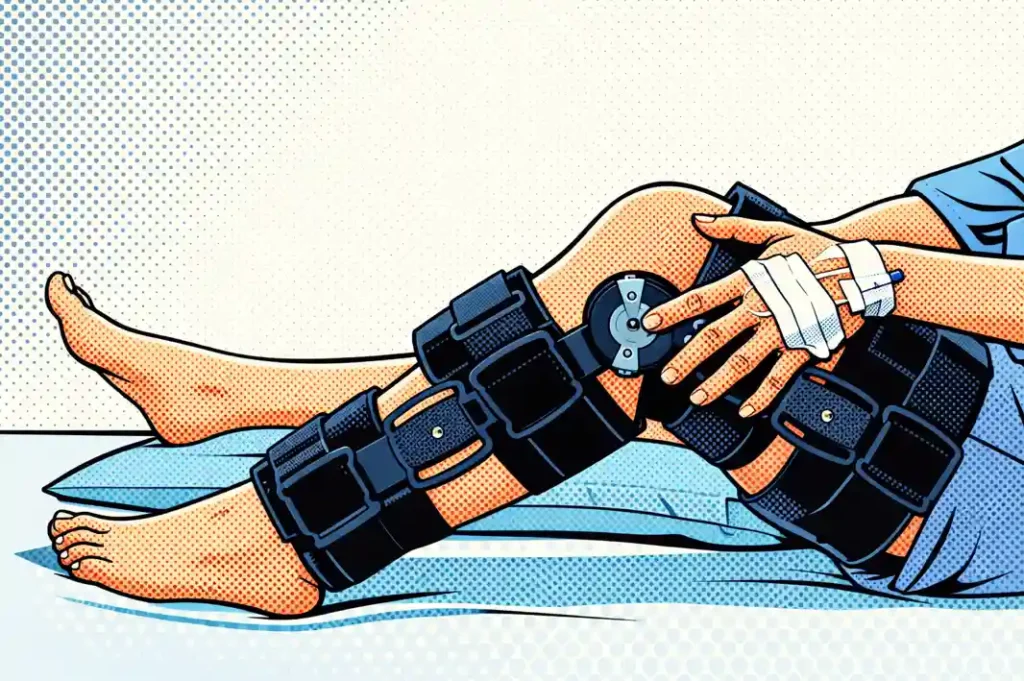
What is orthopedic surgery in Korea and why do international patients choose it? Orthopedic surgery in Korea provides advanced treatment for joint, spine, and sports injuries using minimally invasive techniques and expert surgeons. International patients choose Korea for its high success rates, affordable costs, modern hospitals, and integrated rehabilitation programs that enable faster recovery and improved long-term mobility.
KoreaMedTour.com
Quick Summary
Orthopedic surgery in Korea (2026) is highly advanced, precision-driven, and significantly more affordable than in Western countries—often 30–60% lower in cost while maintaining excellent safety standards, minimally invasive techniques, and expert-led care. Treatments focus on faster recovery, long-term mobility, and AI-assisted surgical accuracy for optimal outcomes.
Key Insights:
- Knee replacement Korea: ~₩12M–₩25M per knee
- Hip replacement Korea: ~₩15M–₩28M
- Spine surgery Korea: ~₩20M–₩50M+ depending on complexity
- Arthroscopy (minimally invasive): ~₩5M–₩15M
- Orthopedic surgery success rate Korea: ~90–98% (procedure-dependent)
- Hospital stay: ~3–7 days (typical for joint replacement)
- Treatment timeline: ~2–12 weeks initial recovery, full recovery 3–6 months
- Minimally invasive surgery: Widely available (faster healing, less scarring)
- Robotic-assisted surgery: Common in major hospitals
- Rehabilitation programs: Structured and integrated post-surgery
Why It’s More Affordable:
- High patient volume in specialized orthopedic centers
- Competitive medical market with transparent pricing
- Advanced surgical technology improving efficiency
- Lower operational costs compared to US/EU systems
- Government-regulated healthcare standards ensuring quality
- Strong rehabilitation systems reducing long-term complications
Clinical Advantages:
- Minimally invasive techniques reduce pain and recovery time
- AI and robotic systems improve surgical precision
- Multidisciplinary care (surgeon + rehab specialists)
- Faster return to daily activities compared to traditional systems
Best For:
- Osteoarthritis and joint degeneration
- Spine conditions (herniated disc, stenosis)
- Sports injuries (ACL, meniscus, rotator cuff)
- Patients seeking cost-effective, high-quality orthopedic care abroad
Table of Contents
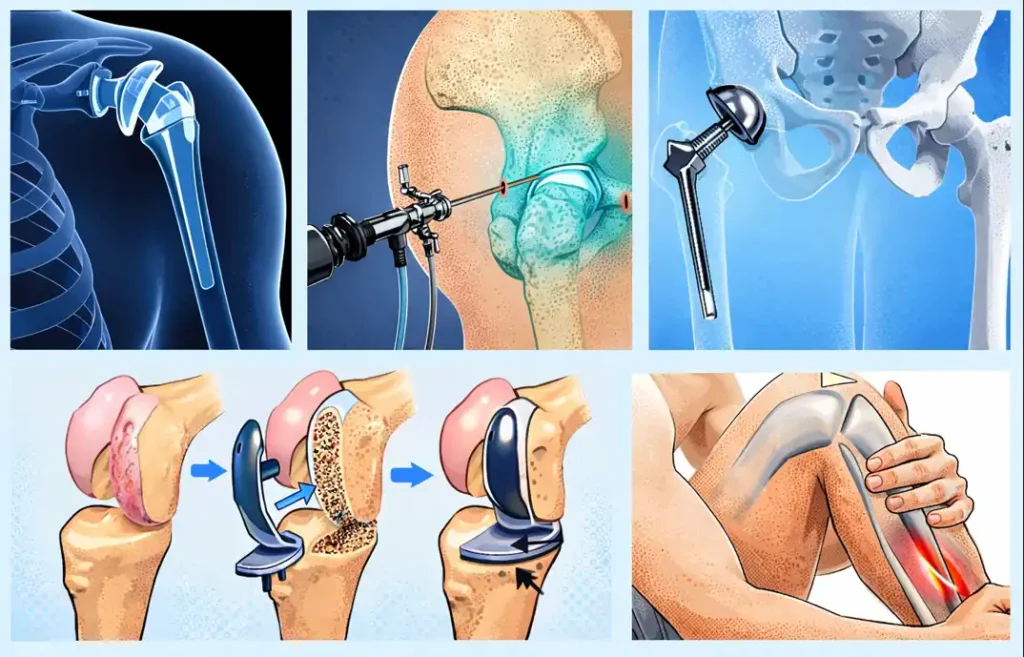
What Is Orthopedic Surgery?
Orthopedic surgery focuses on diagnosing, treating, and preventing conditions affecting the musculoskeletal system, including:
- Bones
- Joints
- Ligaments
- Tendons
- Muscles
- Spine
It includes both surgical and non-surgical treatments, but surgery is typically recommended when conservative treatments (physical therapy, medications, injections) fail.
Why Korea Is a Global Leader in Orthopedic Surgery
1. Advanced Surgical Technology
Hospitals in Seoul and other major cities use:
- Robotic-assisted joint replacement systems
- AI-based imaging diagnostics
- 3D surgical planning tools
- Minimally invasive arthroscopy
These technologies improve precision, reduce complications, and shorten recovery times.
2. Highly Specialized Surgeons
Orthopedic surgeons in Korea often subspecialize in areas such as:
- Spine surgery
- Joint replacement (hip, knee, shoulder)
- Sports medicine
- Trauma and fracture repair
Many are trained internationally and contribute to peer-reviewed research, strengthening clinical credibility.
3. Integrated Care System
A major advantage is Korea’s end-to-end treatment model, including:
- Pre-operative diagnostics
- Surgery
- Post-operative rehabilitation
- Physical therapy and recovery programs
This continuity improves long-term outcomes.
4. Cost Efficiency Without Compromising Quality
Compared to the U.S. or Western Europe, Korea offers:
- Lower surgical costs (often 30–60% less)
- Transparent pricing structures
- High-quality facilities accredited by global organizations
Common Orthopedic Procedures in Korea
Joint Replacement Surgery
Total knee and hip replacements are among the most common procedures.
- Indicated for: severe osteoarthritis, rheumatoid arthritis
- Technology: robotic-assisted alignment for precision
- Outcome: improved mobility and pain reduction
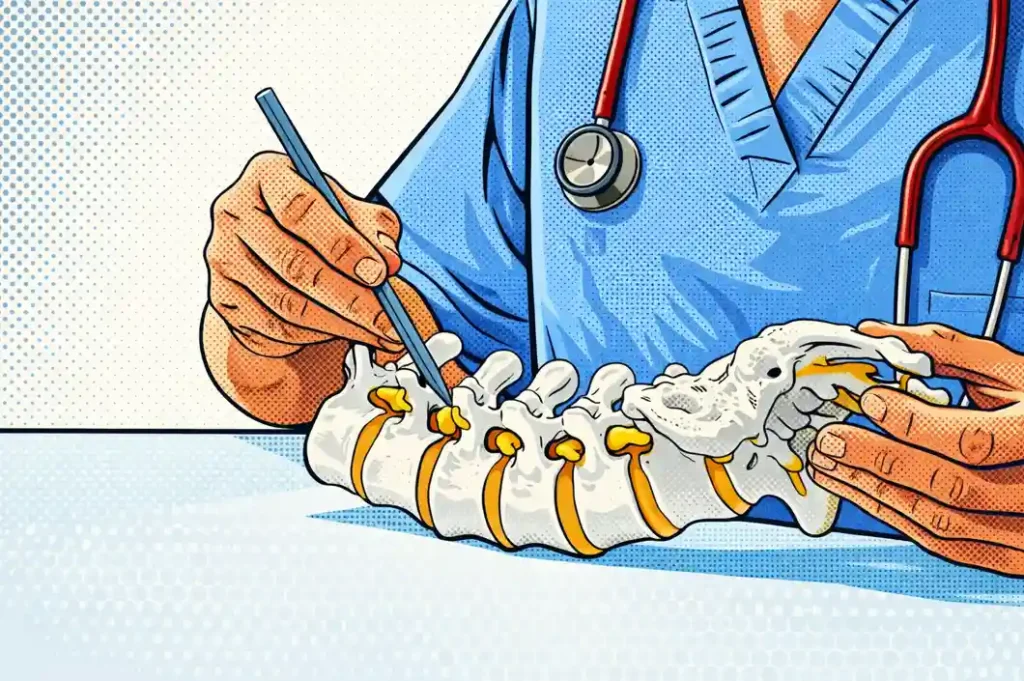
Spine Surgery
Includes treatment for:
- Herniated discs
- Spinal stenosis
- Degenerative disc disease
Minimally invasive spine surgery (MISS) reduces:
- Muscle damage
- Hospital stay duration
- Recovery time
Arthroscopic Surgery (Minimally Invasive)
Used for sports injuries such as:
- ACL tears
- Meniscus injuries
- Rotator cuff tears
Small incisions and camera-guided tools allow faster healing.
Fracture and Trauma Surgery
Advanced fixation techniques using:
- Titanium plates and screws
- Intramedullary nails
- Biocompatible implants
Sports Medicine and Ligament Reconstruction
Popular among athletes and active individuals, focusing on restoring full function and preventing reinjury.
Conditions Treated by Orthopedic Surgery
Orthopedic procedures in Korea address a wide range of conditions:
- Osteoarthritis
- Rheumatoid arthritis
- Herniated discs
- Scoliosis
- Sports injuries
- Fractures and trauma
- Tendon and ligament tears
Step-by-Step Patient Journey (International Perspective)
1. Online Consultation
Patients typically begin with:
- Medical record submission
- Imaging review (MRI, X-ray)
- Treatment recommendations
2. Preoperative Evaluation
Upon arrival in Korea:
- Blood tests
- Imaging confirmation
- Anesthesia assessment
3. Surgical Procedure
Performed in advanced operating rooms with:
- Sterile environments
- Real-time imaging guidance
- Multidisciplinary surgical teams
4. Postoperative Care
Includes:
- Pain management
- Early mobilization
- Monitoring for complications
5. Rehabilitation
A critical phase involving:
- Physical therapy
- Muscle strengthening
- Mobility training
Recovery Timeline (Typical Example: Knee Replacement)
| Stage | Timeline | Key Focus |
|---|---|---|
| Hospital Stay | 3–7 days | Pain control, early movement |
| Early Recovery | 2–6 weeks | Walking, basic mobility |
| Mid Recovery | 6–12 weeks | Strength rebuilding |
| Full Recovery | 3–6 months | Return to normal activity |
Note: Recovery varies based on age, condition severity, and rehabilitation adherence.
Risks and Safety Considerations
Like any surgery, orthopedic procedures carry risks:
- Infection
- Blood clots
- Implant failure
- Nerve or tissue damage
However, Korea’s strict infection control systems and advanced surgical protocols significantly reduce these risks.
Real-World Clinical Scenario
A 62-year-old patient with advanced knee osteoarthritis who failed conservative treatment (medication and injections) underwent robotic-assisted total knee replacement in Korea.
Outcome:
- Walking independently within 2 weeks
- Significant pain reduction within 1 month
- Returned to daily activities within 3 months
This reflects the efficiency of Korea’s surgical and rehabilitation system when properly followed.
How Korea Enhances Surgical Outcomes
Minimally Invasive Techniques
- Smaller incisions
- Less blood loss
- Faster healing
Data-Driven Precision
AI and imaging technologies improve:
- Implant positioning
- Surgical accuracy
- Long-term durability
Rehabilitation Integration
Early and structured rehabilitation leads to:
- Faster recovery
- Better functional outcomes
- Lower complication rates
Cost Overview (2026 Estimates)
| Procedure | Estimated Cost (USD) |
|---|---|
| Knee Replacement | $10,000 – $20,000 |
| Hip Replacement | $12,000 – $22,000 |
| Spine Surgery | $15,000 – $35,000 |
| Arthroscopy | $5,000 – $12,000 |
Costs vary depending on hospital, surgeon expertise, and complexity.
Choosing the Right Hospital in Korea
When selecting a provider, consider:
- Surgeon specialization and experience
- Hospital accreditation
- Availability of advanced technology
- Postoperative rehabilitation services
- International patient support services
Major medical districts like Gangnam in Seoul are known for high concentrations of specialized orthopedic centers.
Key Advantages for International Patients
- Multilingual coordinators
- Fast appointment scheduling
- High surgical success rates
- Shorter waiting times compared to many countries
- Comprehensive medical tourism support
FAQ Section

Is orthopedic surgery in Korea safe for international patients?
Yes, orthopedic surgery in Korea is highly safe due to strict medical regulations, advanced technology, and experienced surgeons. Many hospitals specialize in treating international patients and provide comprehensive orthopedic treatment in Korea with excellent outcomes.
How much does orthopedic surgery in Korea cost?
The cost of orthopedic surgery in Korea is significantly lower than in Western countries. Procedures like knee replacement Korea and spine surgery Korea typically cost 30–60% less while maintaining high-quality care and advanced surgical techniques.
What are the most common orthopedic procedures in Korea?
Common orthopedic surgery in Korea includes knee replacement Korea, hip replacement, spine surgery Korea, and minimally invasive arthroscopy. These treatments focus on faster recovery, reduced pain, and long-term mobility improvement.
How long is recovery after orthopedic surgery in Korea?
Recovery time after orthopedic surgery in Korea varies by procedure but is often faster due to minimally invasive techniques and structured rehabilitation programs. Most patients resume daily activities within weeks to a few months.
Why do international patients choose orthopedic treatment in Korea?
International patients choose orthopedic treatment in Korea for its advanced technology, skilled surgeons, shorter waiting times, and cost efficiency. Korea is especially known for excellence in knee replacement Korea and spine surgery Korea.
Key Takeaways
Orthopedic surgery in Korea in 2026 offers a compelling combination of advanced technology, expert care, and efficient recovery systems. Whether for joint replacement, spine surgery, or sports injury treatment, Korea provides high-quality, evidence-based solutions tailored to patient needs.
For international patients seeking safe, effective, and cost-efficient orthopedic care, Korea stands out as one of the most reliable global destinations—particularly when treatment is paired with structured rehabilitation and experienced surgical teams.

Korea Med Tour – Trusted Blog for Medical Tourism in Korea
Korea Med Tour is a trusted medical tourism content platform providing accurate, research-based healthcare information for international patients considering treatment in Korea.
Our editorial team specializes in global patient guidance, treatment insights, clinic selection, and medical travel planning. All content is developed using verified medical sources and structured editorial review processes to ensure clarity, safety, and reliability.
We are committed to helping international patients make informed and confident medical travel decisions when choosing Korea as their healthcare destination.