
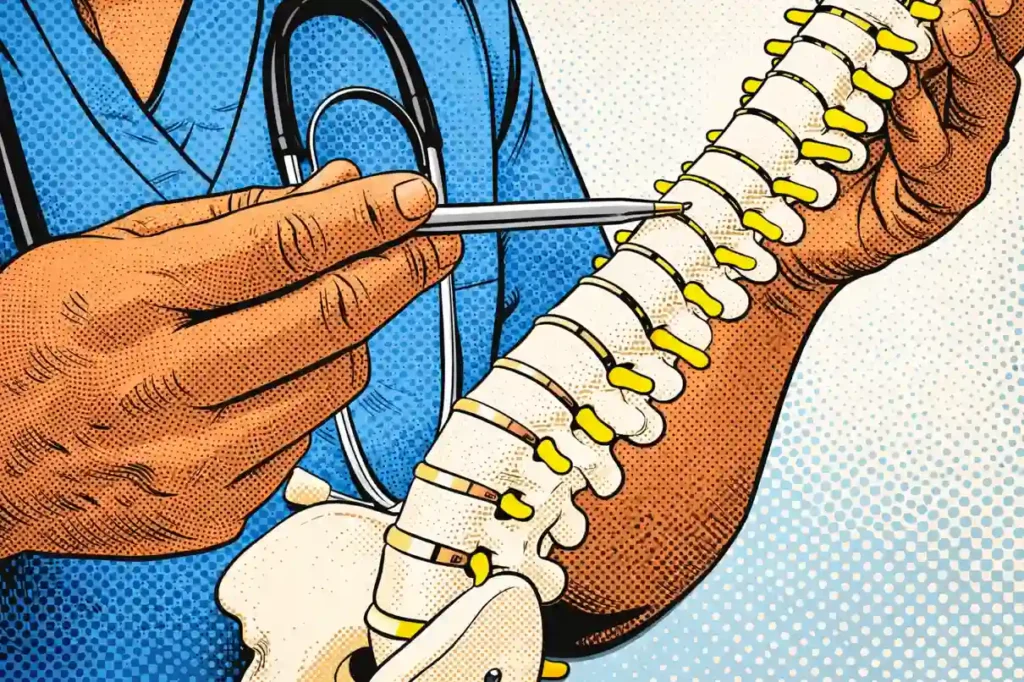
What is spine surgery in Korea and why do patients choose it? Spine surgery in Korea is an advanced medical treatment using minimally invasive techniques to treat spinal conditions. Patients choose Korea for its high success rates, experienced surgeons, faster recovery times, and lower costs compared to many Western countries.
KoreaMedTour.com
Quick Summary
Spine surgery in Korea (2026) is highly advanced, minimally invasive, and significantly more cost-effective than in Western countries—often 30–60% lower in cost while maintaining excellent safety standards, precision-guided procedures, and specialist-led care. Treatments focus on faster recovery, reduced surgical trauma, and long-term functional outcomes using cutting-edge technology.
Key Insights:
- Spine surgery Korea: ~$4,000–$25,000 depending on procedure
- Minimally invasive spine surgery Korea: ~$5,000–$10,000
- Spinal fusion Korea: ~$10,000–$25,000
- Artificial disc replacement Korea: ~$12,000–$20,000
- Hospital stay: 1–3 days (minimally invasive), 5–7 days (complex cases)
- Success rate: ~85–95% symptom improvement
- Recovery time: ~2–12 weeks (basic), 3–6 months (full recovery)
- Endoscopic spine surgery: Widely available and highly specialized
- Same-day or short-stay surgery: Available for select cases
- Return to daily activities: Often within a few weeks
Why It’s More Affordable:
- High surgical volume in specialized spine centers
- Efficient hospital systems with integrated diagnostics
- Widespread use of minimally invasive techniques reducing hospital stays
- Competitive healthcare market with transparent pricing
- Lower overall medical and operational costs vs. US/EU
- Government-regulated healthcare standards ensuring quality and safety
Clinical Advantages:
- Advanced imaging and navigation systems for precision
- Highly experienced spine surgeons with sub-specialization
- Reduced complication rates through minimally invasive approaches
- Faster rehabilitation and earlier mobility after surgery
- Strong international patient support programs
Table of Contents

What Is Spine Surgery?
Spine surgery refers to medical procedures performed to correct structural problems in the spine that cause pain, nerve compression, or instability. These conditions often affect daily function, mobility, and quality of life.
Common Conditions Requiring Spine Surgery
- Herniated (slipped) disc
- Spinal stenosis (narrowing of the spinal canal)
- Degenerative disc disease
- Spondylolisthesis (vertebral slippage)
- Spinal fractures or trauma
- Scoliosis and deformities
When Is Surgery Recommended?
Surgery is typically considered when:
- Conservative treatments (medication, physical therapy) fail after 6–12 weeks
- Neurological symptoms worsen (numbness, weakness, loss of function)
- Severe pain limits daily life
- Structural instability is confirmed through imaging (MRI/CT)
Why Korea Is a Global Leader in Spine Surgery
Korea has become a major destination for spine surgery due to a combination of medical expertise and system efficiency.
1. Advanced Minimally Invasive Techniques
Korean hospitals specialize in minimally invasive spine surgery (MISS), which uses smaller incisions and precise instruments.
Benefits:
- Reduced muscle damage
- Less postoperative pain
- Faster recovery
- Shorter hospital stays
2. Highly Specialized Surgeons
Spine surgeons in Korea often:
- Focus exclusively on spinal conditions
- Perform high volumes of procedures annually
- Receive continuous training in robotic and endoscopic techniques
High surgical volume is directly correlated with improved outcomes and lower complication rates, according to global surgical data.
3. Integrated Care System
Korea’s healthcare model emphasizes efficiency:
- Same-day diagnostics (MRI, CT, X-ray)
- Coordinated treatment plans
- Streamlined pre- and post-operative care
This reduces delays and improves patient outcomes.
4. Cost Efficiency Without Compromising Quality
Compared to Western countries:
- Spine surgery costs are typically 30–60% lower
- Shorter hospital stays reduce overall expenses
- Transparent pricing structures are common
Types of Spine Surgery Available in Korea
1. Discectomy (Herniated Disc Removal)
Removes part of a damaged disc pressing on a nerve.
Indications:
- Severe sciatica
- Nerve compression
Technique:
- Often performed using endoscopic or microscopic methods
2. Spinal Fusion
Fuses two or more vertebrae to stabilize the spine.
Indications:
- Degenerative disc disease
- Spinal instability
Considerations:
- Longer recovery than minimally invasive procedures
- Reduced flexibility in the fused segment
3. Laminectomy (Decompression Surgery)
Removes part of the vertebral bone (lamina) to relieve pressure.
Used for:
- Spinal stenosis
4. Artificial Disc Replacement
Replaces a damaged disc with a prosthetic implant.
Advantages:
- Preserves motion
- Faster return to activity
5. Endoscopic Spine Surgery
A highly advanced technique widely performed in Korea.
Key features:
- Tiny incision (often <1 cm)
- Real-time imaging
- Minimal tissue disruption
This is one of Korea’s strongest specialties and a major reason international patients seek treatment there.
Step-by-Step Patient Journey (International Perspective)

1. Initial Consultation (Online or In-Person)
- Medical history review
- Imaging assessment (MRI/CT)
- Diagnosis and treatment plan
2. Preoperative Evaluation
- Blood tests
- Cardiac and anesthesia assessment
- Surgical planning
3. Surgery Day
- Typically lasts 1–3 hours depending on complexity
- Minimally invasive procedures may be outpatient or require short admission
4. Hospital Stay
- 1–3 days for minimally invasive surgery
- 5–7 days for complex procedures like fusion
5. Rehabilitation
- Physical therapy begins early
- Walking often encouraged within 24 hours
6. Follow-Up Care
- Remote follow-up options available
- Digital monitoring and consultation
Recovery Timeline and Outcomes
Recovery depends on the procedure type and patient condition.
Typical Recovery Milestones
- Day 1–2: Walking with assistance
- Week 1–2: Reduced pain, improved mobility
- Month 1–3: Return to light activities
- Month 3–6: Full recovery for most patients
Success Rates
- Discectomy: ~85–95% symptom relief
- Minimally invasive procedures: high patient satisfaction rates
- Lower complication rates compared to open surgery
(These figures are consistent with international spine surgery data from organizations like the North American Spine Society.)
Risks and Safety Considerations
While spine surgery in Korea is generally safe, all procedures carry risks.
Common Risks
- Infection
- Bleeding
- Nerve injury
- Recurrence of symptoms
Risk Reduction in Korea
- Advanced imaging and navigation systems
- Strict infection control protocols
- Experienced surgical teams
Choosing an accredited hospital and board-certified surgeon significantly reduces complications.
Cost of Spine Surgery in Korea (2026 Estimate)
Costs vary based on procedure complexity and hospital type.
| Procedure Type | Estimated Cost (USD) |
|---|---|
| Discectomy (minimally invasive) | $4,000 – $8,000 |
| Spinal Fusion | $10,000 – $25,000 |
| Artificial Disc Replacement | $12,000 – $20,000 |
| Endoscopic Surgery | $5,000 – $10,000 |
What’s Usually Included
- Surgeon fees
- Hospital stay
- Basic diagnostics
- Postoperative care
Not Always Included
- International travel
- Accommodation outside hospital
- Extended rehabilitation
Who Is an Ideal Candidate?
You may be a good candidate for spine surgery in Korea if:
- You have a confirmed diagnosis requiring surgical intervention
- Conservative treatment has failed
- You are medically fit for surgery
- You seek faster recovery and advanced techniques
Practical Tips for International Patients
1. Bring Complete Medical Records
Include:
- MRI/CT scans
- Previous treatments
- Medication history
2. Choose Accredited Hospitals
Look for:
- International patient departments
- Multilingual support
- Transparent pricing
3. Plan Your Stay
- Allow 1–2 weeks for minimally invasive procedures
- Longer for complex surgeries
4. Post-Surgery Travel Timing
- Avoid long flights immediately after surgery
- Follow surgeon recommendations
FAQ Section

Is spine surgery in Korea safe for international patients?
Yes, spine surgery in Korea is considered very safe due to advanced medical technology, strict safety protocols, and highly experienced surgeons specializing in minimally invasive spine surgery Korea.
How much does spine surgery cost in Korea in 2026?
Spine surgery cost Korea typically ranges from $4,000 to $25,000 depending on the procedure, with minimally invasive spine surgery Korea being more affordable than in the US or Europe.
What are the benefits of minimally invasive spine surgery Korea?
Minimally invasive spine surgery Korea offers smaller incisions, less pain, faster recovery, and shorter hospital stays, making it a preferred option for many patients.
How do I choose the best spine hospitals Korea offers?
To find the best spine hospitals Korea, look for accredited facilities, experienced specialists, international patient services, and strong success rates in spine surgery in Korea.
How long is recovery after spine surgery in Korea?
Recovery after spine surgery in Korea varies, but minimally invasive spine surgery Korea often allows patients to resume light activities within weeks and fully recover within 1–3 months.
Key Takeaways
Spine surgery in Korea stands out not just for its affordability, but for its precision-driven, minimally invasive approach and highly coordinated care system. From a clinical perspective, the real advantage lies in the integration of advanced imaging, surgical expertise, and early rehabilitation—factors that directly influence recovery speed and long-term outcomes.
For patients experiencing chronic or debilitating spinal conditions, Korea offers a compelling combination of medical excellence and efficiency. However, the key to success remains proper diagnosis, realistic expectations, and choosing the right surgical team.

Korea Med Tour – Trusted Blog for Medical Tourism in Korea
Korea Med Tour is a trusted medical tourism content platform providing accurate, research-based healthcare information for international patients considering treatment in Korea.
Our editorial team specializes in global patient guidance, treatment insights, clinic selection, and medical travel planning. All content is developed using verified medical sources and structured editorial review processes to ensure clarity, safety, and reliability.
We are committed to helping international patients make informed and confident medical travel decisions when choosing Korea as their healthcare destination.