
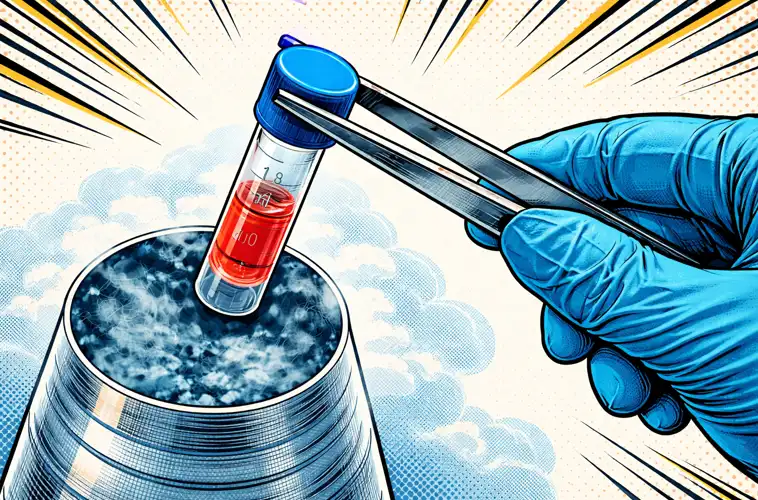
What is stem cell therapy in Korea? Stem cell therapy in Korea is a medically regulated regenerative treatment that uses specialized cells to repair damaged tissues and improve function. It is commonly applied in orthopedics, skin rejuvenation, and research-based therapies, offering personalized care with growing clinical evidence.
KoreaMedTour.com
Quick Summary
Stem cell therapy in Korea offers advanced regenerative treatments at relatively competitive costs compared to Western countries, often 20–40% lower, while maintaining strict medical regulations, high safety standards, and cutting-edge biotechnology. These therapies focus on tissue repair, functional improvement, and long-term healing rather than quick cosmetic results.
Key Insights:
- Orthopedic stem cell therapy Korea: ~$3,000–$10,000
- Stem cell skin treatments Korea: ~$500–$2,000
- Hair regeneration stem cell therapy: ~$1,000–$5,000
- Procedure type: autologous (patient-derived) cells most common
- Results visible: 2–6 months depending on condition
- Recovery time: minimal to a few days in most cases
- Effectiveness varies by condition, severity, and treatment protocol
- Costs vary based on cell source, processing method, and clinic expertise
Why It’s More Competitive:
- Advanced biotech infrastructure and regulated medical system
- High concentration of specialized regenerative medicine clinics
- Government-supported research and clinical innovation
- Efficient laboratory processing and treatment workflows
- Growing domestic and international demand driving expertise and pricing stability
Table of Contents
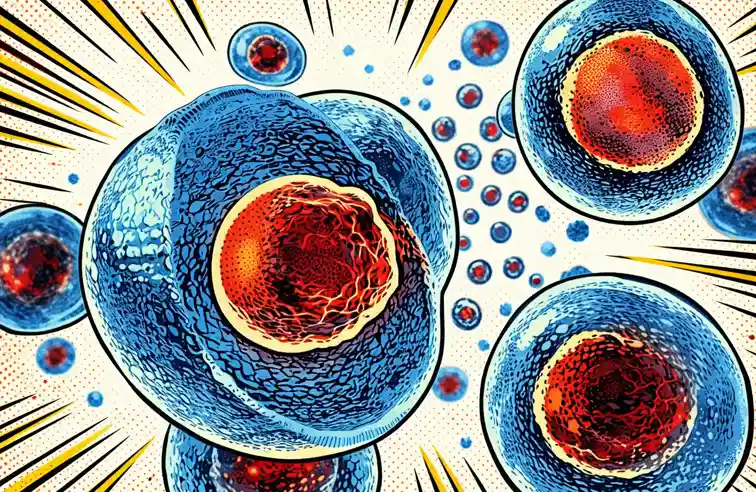
Why Korea Is a Global Leader in Stem Cell Therapy
South Korea has positioned itself at the forefront of regenerative medicine through strong government regulation, advanced biotechnology infrastructure, and extensive clinical research.
Key Advantages
- Government-approved regenerative medicine frameworks
- Integration of biotech research with clinical practice
- Highly trained specialists in regenerative and cellular medicine
- Advanced laboratory standards (GMP-certified facilities)
- Increasing number of clinical trials and evidence-based applications
Unlike unregulated markets, Korea emphasizes controlled, medically supervised use of stem cells, ensuring patient safety and treatment reliability.
Understanding Stem Cell Therapy
What Are Stem Cells?
Stem cells are undifferentiated cells capable of self-renewal and differentiation into specialized cell types, such as muscle, cartilage, or skin cells.
How Stem Cell Therapy Works
Step-by-Step Process:
- Cell Collection
- Sources: bone marrow, adipose (fat) tissue, or umbilical cord (where permitted)
- Processing & Isolation
- Cells are purified and concentrated in a controlled laboratory environment
- Administration
- Injected into targeted areas (joint, skin, or tissue)
- Regeneration Mechanism
- Promote tissue repair
- Reduce inflammation
- Stimulate collagen and cellular renewal
Types of Stem Cells Used in Korea
1. Adult Stem Cells (Most Common)
- Derived from patient’s own body (autologous)
- Lower risk of immune rejection
- Widely used in orthopedic and aesthetic treatments
2. Mesenchymal Stem Cells (MSCs)
- Found in bone marrow and fat tissue
- Capable of differentiating into bone, cartilage, and fat cells
- Known for anti-inflammatory properties
3. Umbilical Cord-Derived Stem Cells (Regulated Use)
- Used in specific clinical or research settings
- Must comply with strict legal and ethical guidelines
Most Common Applications of Stem Cell Therapy in Korea
1. Orthopedic Conditions
Conditions Treated
- Osteoarthritis
- Cartilage damage
- Tendon injuries
Clinical Use
Stem cells are injected into joints to:
- Promote cartilage repair
- Reduce inflammation
- Improve mobility
Real-World Insight
In Korean orthopedic clinics, stem cell therapy is often used when:
- Conservative treatments fail
- Patients want to delay joint replacement surgery
2. Anti-Aging and Skin Rejuvenation
Applications
- Skin regeneration
- Wrinkle reduction
- Elasticity improvement
Techniques
- Stem cell-conditioned media
- Combined with microneedling or laser treatments
Clinical Insight
Rather than replacing cosmetic procedures, stem cells are used to enhance healing and improve skin quality at a cellular level.
3. Hair Restoration
How It Works
Stem cell-based therapies stimulate:
- Hair follicle activity
- Scalp regeneration
Use Case
Often combined with:
- Hair transplant procedures
- PRP (platelet-rich plasma)
4. Chronic Disease Research and Experimental Therapies
Areas of Research
- Neurological disorders
- Autoimmune diseases
- Metabolic conditions
⚠️ Important Note:
Many of these applications are still in clinical trial or limited-use stages and are not considered standard treatment.
Safety and Regulations in Korea (2026)
Strict Regulatory Framework
Stem cell therapy in Korea is governed by:
- The Act on the Safety of and Support for Advanced Regenerative Medicine
- Ministry of Food and Drug Safety (MFDS) oversight
What This Means for Patients
- Only approved therapies are offered clinically
- Experimental treatments require clinical trial enrollment
- Facilities must meet strict laboratory and safety standards
Risks and Limitations
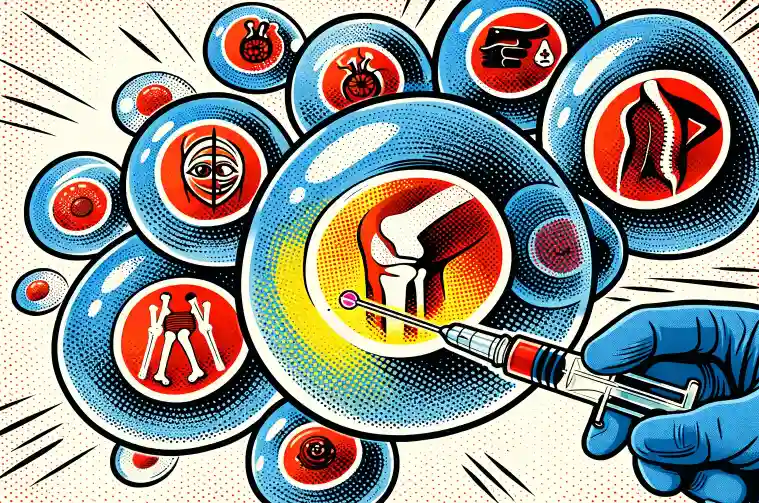
Potential Risks
- Infection at injection site
- Inconsistent results depending on condition
- Limited long-term data for some applications
Key Limitations
- Not a cure-all solution
- Effectiveness varies by disease and severity
- Some treatments remain experimental
Expert Perspective
Patients should be cautious of:
- Clinics promising guaranteed results
- Treatments not supported by clinical evidence
Treatment Process in Korea
Step-by-Step Patient Journey
- Medical Consultation
- Diagnosis and eligibility assessment
- Imaging & Testing
- MRI, blood tests, or skin analysis
- Cell Harvesting
- Minimally invasive procedure
- Processing
- Conducted in certified labs
- Injection or Application
- Targeted delivery to affected area
- Follow-Up Care
- Monitoring and additional sessions if needed
Recovery and Expected Results
| Treatment Area | Recovery Time | Initial Results | Full Results |
|---|---|---|---|
| Orthopedic | Few days | 2–6 weeks | 3–6 months |
| Skin | Minimal | 2–4 weeks | 1–3 months |
| Hair | Minimal | 2–3 months | 6–12 months |
Cost of Stem Cell Therapy in Korea (2026)
Typical ranges:
- Orthopedic stem cell therapy: $3,000–$10,000
- Skin regeneration treatments: $500–$2,000
- Hair-related therapies: $1,000–$5,000
Why Costs Are Competitive
- Advanced biotech infrastructure
- High treatment volume
- Government-supported innovation
Who Is a Good Candidate?
Suitable Candidates
- Patients with early to moderate degenerative conditions
- Individuals seeking non-surgical regenerative options
- Patients eligible under Korean medical regulations
Not Ideal Candidates
- Advanced disease requiring surgery
- Patients expecting immediate results
- Individuals not medically cleared
How to Choose a Stem Cell Clinic in Korea
Key Criteria
- Certified medical professionals
- Transparent explanation of treatment type
- Evidence-based protocols
- Compliance with Korean regulations
Red Flags
- Lack of clear treatment details
- Overpromising outcomes
- Offering unapproved therapies
Future Trends in Stem Cell Therapy
- Expansion of clinical applications
- Improved cell processing technologies
- Combination with gene therapy
- Personalized regenerative medicine
Korea is expected to remain a leader due to its strong regulatory balance between innovation and safety.
FAQ Section

What is stem cell therapy in Korea?
Stem cell therapy in Korea is a regenerative medicine Korea approach that uses specialized cells to repair damaged tissues and improve function. These advanced cell therapy Korea treatments are applied in orthopedics, skin rejuvenation, and medically approved clinical settings.
Is stem cell therapy in Korea safe?
Yes, stem cell therapy Korea treatments are regulated under strict medical laws and performed by certified professionals. Regenerative medicine Korea protocols ensure safe procedures with controlled environments and evidence-based practices.
How much does stem cell therapy cost in Korea?
Stem cell treatment cost Korea varies by application. Orthopedic procedures may range from $3,000 to $10,000, while aesthetic treatments are lower. Advanced cell therapy Korea pricing depends on complexity and clinic expertise.
What conditions can stem cell therapy treat in Korea?
Stem cell therapy Korea is used for joint conditions, skin regeneration, and certain chronic diseases under clinical research. Regenerative medicine Korea focuses on improving tissue repair and reducing inflammation rather than providing guaranteed cures.
Who is a good candidate for stem cell therapy in Korea?
Ideal candidates for stem cell therapy Korea include patients with early-stage degenerative conditions or those seeking regenerative medicine Korea options. Eligibility depends on medical evaluation and suitability for advanced cell therapy Korea treatments.
Final Takeaway
Stem cell therapy in Korea represents one of the most advanced areas of modern medicine, offering regulated, science-based regenerative treatments for a range of conditions. While highly promising, these therapies should be approached with realistic expectations and proper medical guidance.
For patients seeking innovative yet safe options, Korea provides a well-balanced environment of cutting-edge technology, clinical expertise, and strict oversight—making it a trusted destination for regenerative medicine in 2026.

Korea Med Tour – Trusted Blog for Medical Tourism in Korea
Korea Med Tour is a trusted medical tourism content platform providing accurate, research-based healthcare information for international patients considering treatment in Korea.
Our editorial team specializes in global patient guidance, treatment insights, clinic selection, and medical travel planning. All content is developed using verified medical sources and structured editorial review processes to ensure clarity, safety, and reliability.
We are committed to helping international patients make informed and confident medical travel decisions when choosing Korea as their healthcare destination.