

BSM Eye Care Ophthalmology
Dry Eye Syndrome Treatment in Gangnam Seoul Korea involves advanced diagnostic testing, meibomian gland imaging, IPL therapy, LipiFlow thermal pulsation, and prescription anti-inflammatory eye drops. Treatment is personalized based on whether the condition is evaporative or aqueous-deficient, ensuring long-term tear film stability and symptom control.
If you are looking for Dry Eye Syndrome treatment in Gangnam, Seoul, Korea, the short answer is this: Gangnam offers advanced, evidence-based dry eye management using detailed tear film diagnostics, meibomian gland imaging, IPL therapy, LipiFlow thermal pulsation, prescription medications, and customized long-term care plans. Treatment is personalized based on whether your condition is evaporative, aqueous-deficient, inflammatory, or mixed type.
Dry eye is not simply “lack of tears.” It is a chronic, multifactorial ocular surface disease that requires accurate diagnosis and staged treatment. In 2026, leading ophthalmology clinics in Gangnam follow internationally recognized protocols to identify the root cause and provide structured, stepwise therapy rather than temporary symptom relief.
This guide explains causes, diagnostic methods, treatment options, cost expectations, and what patients can realistically expect from dry eye therapy in Seoul’s Gangnam medical district.
Table of Contents
What Is Dry Eye Syndrome?
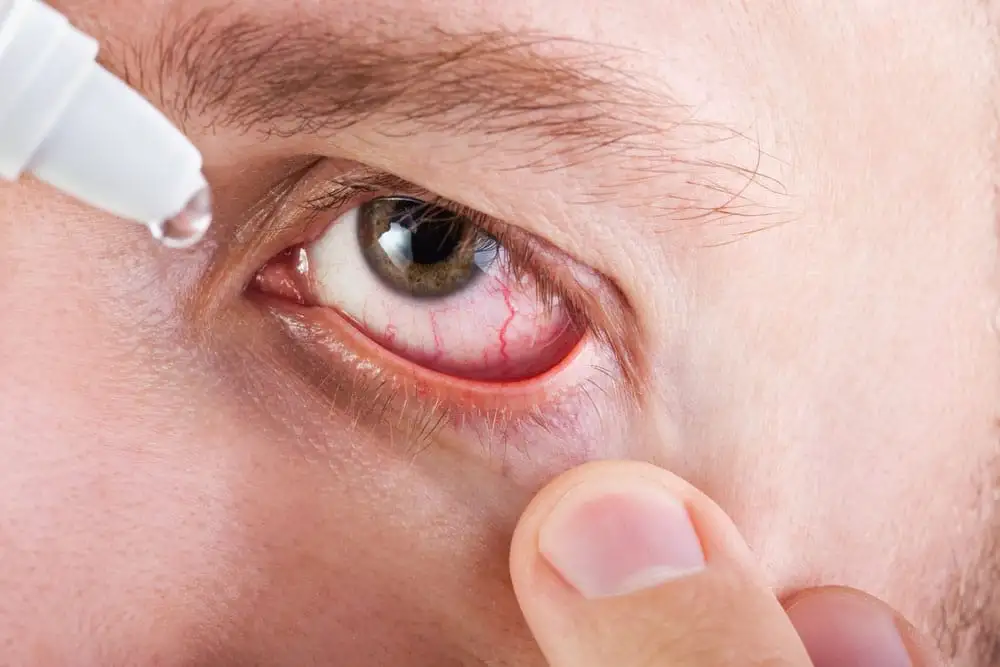
Dry Eye Syndrome (DES), also called Ocular Surface Disease, occurs when the tear film becomes unstable or insufficient, leading to inflammation and surface damage of the eye.
The tear film has three layers:
- Lipid layer – Prevents evaporation (produced by meibomian glands)
- Aqueous layer – Provides moisture and nutrients
- Mucin layer – Helps tears spread evenly across the cornea
Disruption in any layer can cause dryness, burning, blurred vision, foreign body sensation, or light sensitivity.
Modern ophthalmology classifies dry eye into:
- Evaporative Dry Eye (EDE) – Most common; linked to meibomian gland dysfunction (MGD)
- Aqueous-Deficient Dry Eye (ADDE) – Reduced tear production
- Mixed Type – Combination of both
- Inflammatory Dry Eye – Often associated with autoimmune conditions
Accurate classification determines treatment success.
Why Dry Eye Is Increasing in Seoul
Clinically, dry eye cases have risen sharply in urban districts like Gangnam due to:
- Prolonged screen exposure (digital eye strain)
- Air-conditioned indoor environments
- Cosmetic lens use
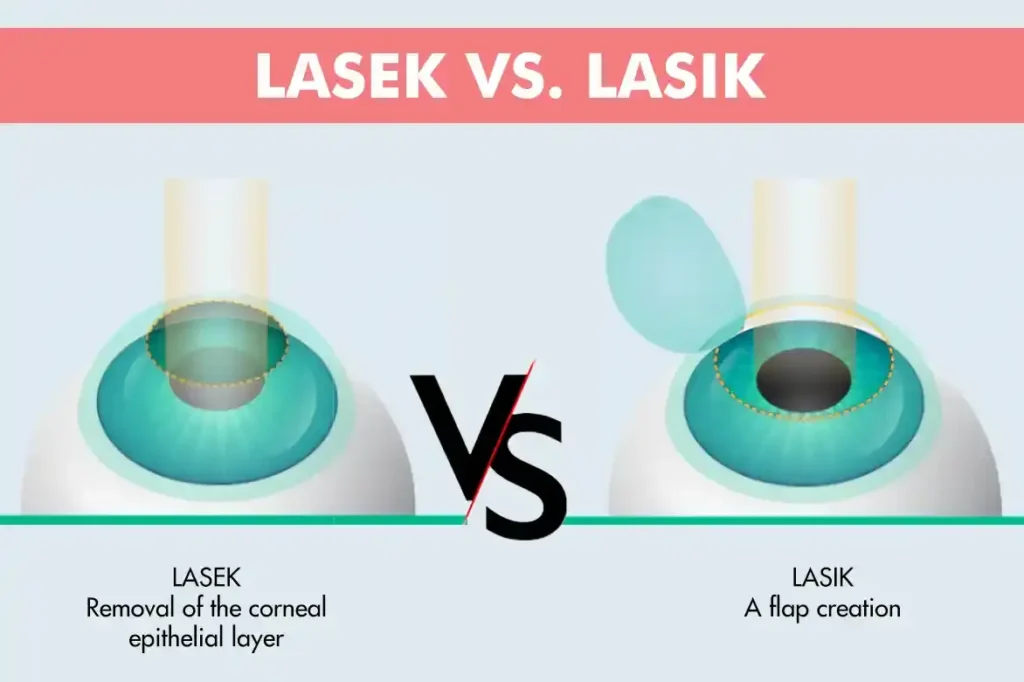
- Refractive surgery history (LASIK, LASEK, SMILE)
- Aging population
- Environmental pollution
In practice, many patients present after months or years of self-treating with over-the-counter artificial tears without improvement. The key difference in Gangnam clinics is diagnostic precision before initiating treatment.
Advanced Dry Eye Diagnosis in Gangnam Clinics
Effective treatment starts with comprehensive testing. Leading eye clinics in Gangnam typically perform:
1. Tear Break-Up Time (TBUT)
Measures tear stability. Short TBUT indicates evaporative dry eye.
2. Meibography
Infrared imaging of meibomian glands to detect gland dropout or obstruction.
3. Schirmer Test
Evaluates aqueous tear production.
4. Ocular Surface Staining
Assesses corneal epithelial damage.
5. Tear Osmolarity Testing
Detects hyperosmolarity associated with inflammation.
6. Inflammatory Marker Testing (MMP-9)
Identifies inflammatory dry eye.
This structured diagnostic approach allows physicians to create personalized treatment plans instead of applying one-size-fits-all therapy.
Stepwise Dry Eye Syndrome Treatment in Gangnam (2026 Standard)
Modern dry eye management follows a staged model:
Stage 1: Foundational Therapy
Used for mild cases or as baseline support.
- Preservative-free artificial tears
- Omega-3 supplementation
- Eyelid hygiene
- Warm compress therapy
- Environmental modification
These measures improve tear quality but may not address gland dysfunction alone.
Stage 2: Meibomian Gland Dysfunction Treatment
Evaporative dry eye is common in screen-heavy lifestyles.
LipiFlow Thermal Pulsation
A device-based treatment that applies controlled heat and pulsatile pressure to unclog meibomian glands.
Clinical Experience Insight
Patients often report significant symptom improvement within 2–4 weeks after treatment, especially those with chronic gland blockage.
Intense Pulsed Light (IPL) Therapy
Originally used in dermatology, IPL reduces eyelid inflammation and improves meibomian gland function.
Typically performed in 3–4 sessions.
Stage 3: Anti-Inflammatory Therapy
Chronic dry eye involves inflammation.
Prescription options include:
- Topical cyclosporine
- Lifitegrast
- Short-course steroid drops (carefully monitored)
These medications reduce inflammatory signaling that destabilizes tear film.
Stage 4: Advanced Therapies
For moderate to severe cases:
Punctal Plugs
Small inserts placed in tear drainage ducts to retain moisture.
Autologous Serum Eye Drops
Prepared from the patient’s own blood serum to promote healing of the ocular surface.
Amniotic Membrane Therapy
Used in severe epithelial damage cases.
How Long Does Treatment Take?

Dry eye is chronic and requires ongoing management.
| Severity | Typical Improvement Timeline |
|---|---|
| Mild | 2–4 weeks |
| Moderate | 1–3 months |
| Severe | 3–6 months structured care |
Many patients in Gangnam clinics follow maintenance protocols after stabilization.
Real-World Clinical Example
A 38-year-old office worker in Gangnam presented with burning sensation and fluctuating vision after LASEK surgery. Artificial tears provided minimal relief.
Diagnostic findings:
- Short TBUT
- Meibomian gland obstruction
- Positive MMP-9 inflammation marker
Treatment plan:
- IPL therapy (4 sessions)
- Topical anti-inflammatory drops
- Lid hygiene program
Outcome:
Symptoms significantly reduced within 8 weeks, with improved tear stability confirmed on follow-up imaging.
This demonstrates why diagnostic-based treatment is critical.
Cost of Dry Eye Treatment in Gangnam (2026)
Approximate price ranges:
- Consultation & diagnostics: ₩50,000–₩150,000
- IPL session: ₩150,000–₩300,000 per session
- LipiFlow treatment: ₩800,000–₩1,500,000
- Prescription medications: Variable
- Punctal plugs: ₩200,000–₩400,000
Pricing varies by clinic, technology, and severity.
Risks and Considerations
Dry eye treatments are generally safe but may involve:
- Temporary irritation after IPL
- Mild redness after gland expression
- Steroid-related intraocular pressure increase (if misused)
- Plug displacement (rare)
Proper monitoring by an experienced ophthalmologist minimizes risks.
Is Dry Eye Curable?
Dry eye is typically manageable rather than permanently curable.
The goal is:
- Restore tear film stability
- Reduce inflammation
- Improve gland function
- Prevent corneal damage
With proper long-term management, patients can achieve stable comfort and visual clarity.
Choosing a Dry Eye Clinic in Gangnam
When selecting a clinic, look for:
- Dedicated dry eye diagnostic equipment
- Meibography capability
- Access to IPL and thermal pulsation
- Experience treating post-LASIK dry eye
- Structured follow-up system
Avoid clinics offering only artificial tears without diagnostic imaging.
Final Expert Conclusion (2026 Perspective)
Dry Eye Syndrome treatment in Gangnam Seoul Korea is comprehensive, diagnostic-driven, and technologically advanced. Rather than relying on temporary lubrication, leading clinics identify the underlying cause — gland dysfunction, inflammation, tear deficiency, or mixed pathology — and apply staged treatment strategies.
For patients experiencing chronic burning, fluctuating vision, or post-surgical dryness, early evaluation significantly improves outcomes. With proper diagnosis and structured therapy, long-term symptom control and improved quality of life are achievable.
FAQs
What is the best Dry Eye Syndrome Treatment in Gangnam Seoul Korea?
The best Dry Eye Syndrome Treatment in Gangnam Seoul Korea depends on the cause. Leading Gangnam dry eye clinics use diagnostic testing, IPL dry eye treatment Korea protocols, and LipiFlow to treat meibomian gland dysfunction Seoul patients effectively.
How much does Dry Eye Syndrome Treatment in Gangnam Seoul Korea cost?
Costs vary depending on severity and technology used. IPL dry eye treatment Korea sessions and LipiFlow at a Gangnam dry eye clinic typically range from moderate to advanced pricing based on personalized treatment plans.
Is IPL dry eye treatment Korea effective for meibomian gland dysfunction Seoul patients?
Yes. IPL dry eye treatment Korea is clinically used to improve meibomian gland dysfunction Seoul cases by reducing eyelid inflammation and restoring tear film stability.
Can Dry Eye Syndrome Treatment in Gangnam Seoul Korea help after LASIK or LASEK?
Yes. Many Gangnam dry eye clinic specialists treat post-refractive surgery dryness using anti-inflammatory drops, gland therapy, and IPL dry eye treatment Korea to improve nerve-related tear instability.
How long does it take to see results from Dry Eye Syndrome Treatment in Gangnam Seoul Korea?
Mild cases improve within weeks, while moderate meibomian gland dysfunction Seoul cases may require 1–3 months of structured care at a Gangnam dry eye clinic for stable long-term results.
BSM Eye Care Clinic in Gangnam, Korea
Advanced Vision Correction & Ophthalmic Excellence in Korea
BSM Eye Care Clinic has provided comprehensive ophthalmic and vision correction services in Korea with the expertise and pride of a first-generation refractive surgery center. Built on decades of accumulated surgical experience, our clinic has established a strong reputation for precision, safety, and consistently reliable visual outcomes.
Operating under the supervision of experienced ophthalmic surgeons, we combine evidence-based medical protocols with advanced diagnostic and laser technologies to deliver safe and structured treatment plans. Every procedure is carefully customized according to each patient’s ocular condition, corneal stability, and long-term visual health goals.
Our clinic is recognized by both Korean patients and international visitors for delivering medically supervised refractive surgery and comprehensive eye care in a transparent, patient-centered environment.
Areas of Specialization
- SMILE LASIK and advanced refractive surgery
- Cataract and presbyopia correction
- Comprehensive pre-operative diagnostic evaluation
- Long-term post-operative vision management
A significant portion of our patients visit through referrals and long-term follow-up care, reflecting sustained trust and measurable clinical outcomes. Through continuous adoption of advanced ophthalmic technologies and ongoing clinical research, BSM Eye Care Clinic remains committed to elevating surgical precision and patient safety standards.
We prioritize thorough consultation, transparent risk disclosure, and realistic outcome guidance — ensuring every patient receives ophthalmic care grounded in medical expertise, ethical responsibility, and long-term vision health management.
Visit BSM Eye Care Clinic: https://koreaEyeClinic.com/