
Korea Med Tour in South Korea
Acupuncture for foreigners in Korea is a safe, government-regulated treatment provided by licensed Korean Medicine Doctors. It is commonly used for chronic pain, stress, sports injuries, and digestive disorders. Many clinics offer English support, and treatment is affordable with or without Korean National Health Insurance.
Acupuncture in Korea is a medically regulated, doctor-led treatment rooted in Traditional Korean Medicine (TKM), widely used for pain management, musculoskeletal disorders, stress-related conditions, and functional internal medicine problems. For foreigners living in or visiting Korea, treatment is accessible, safe when provided by licensed Korean Medicine Doctors (KMDs), and often more integrated with modern diagnostics than in many Western countries.
Korea maintains one of the most structured acupuncture systems in the world. Licensed practitioners complete a six-year medical education and pass a national board examination regulated by the Korean Ministry of Health and Welfare. Major hospitals—including university-affiliated centers—offer integrative care combining acupuncture with imaging, laboratory testing, and rehabilitation medicine.
This guide explains how acupuncture works, what conditions it treats, safety considerations, costs, insurance coverage, and how foreigners can navigate treatment confidently in 2026.
Table of Contents
What Is Acupuncture in the Korean Medical System?
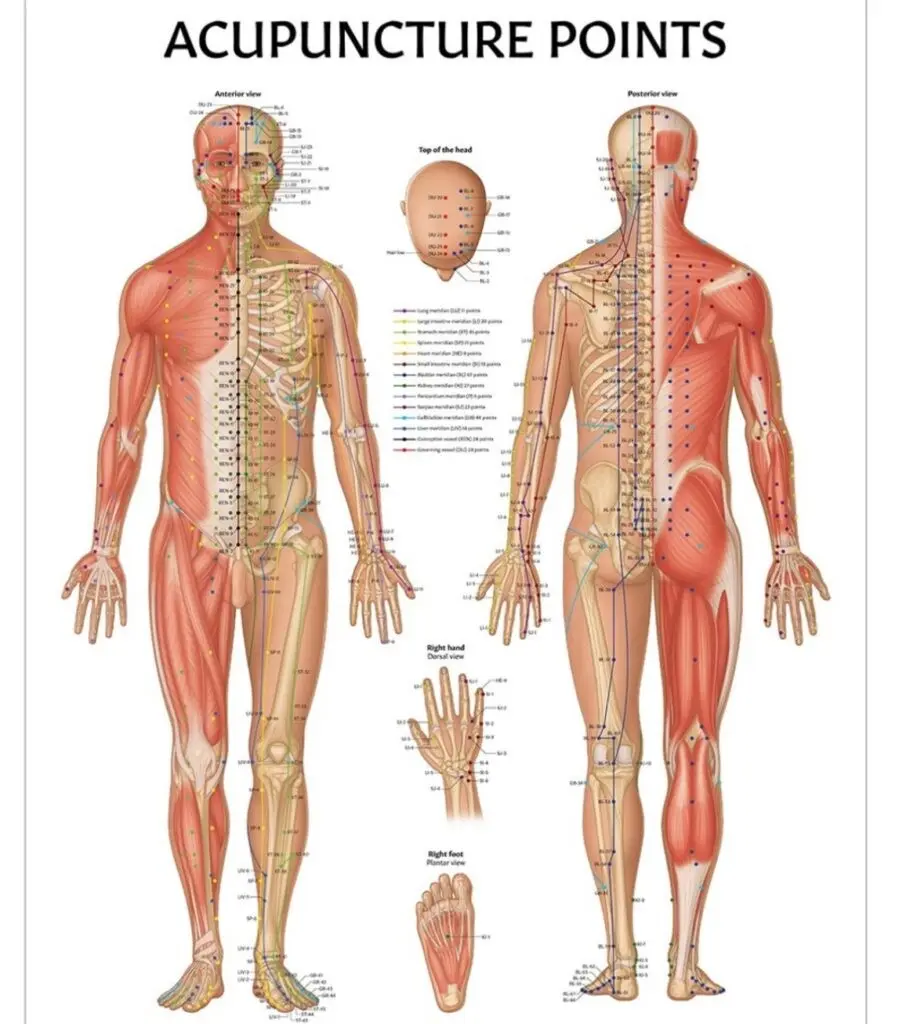
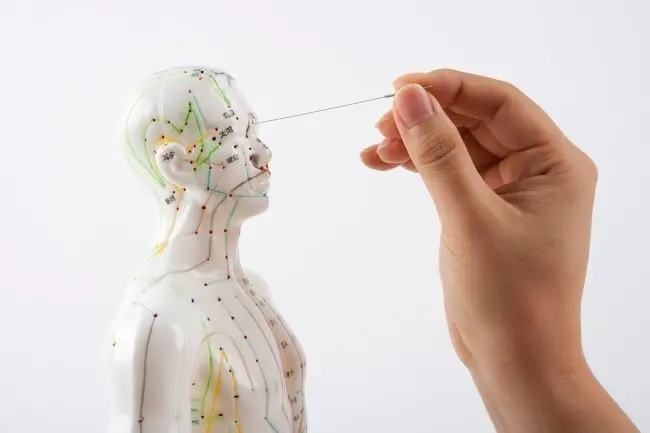
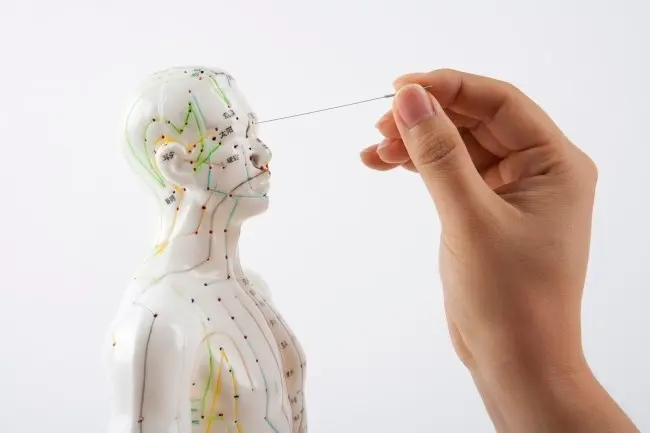
Acupuncture is a therapeutic technique involving the insertion of sterile, ultra-fine needles into specific anatomical points to regulate physiological function.
In Korea, acupuncture is practiced within the framework of Traditional Korean Medicine (TKM), which shares roots with Traditional Chinese Medicine but has evolved independently in clinical protocols and institutional structure.
Key Differences in Korea
- Performed by licensed Korean Medicine Doctors (KMDs), not short-course practitioners
- Often integrated with modern diagnostics (MRI, X-ray referrals)
- Frequently combined with:
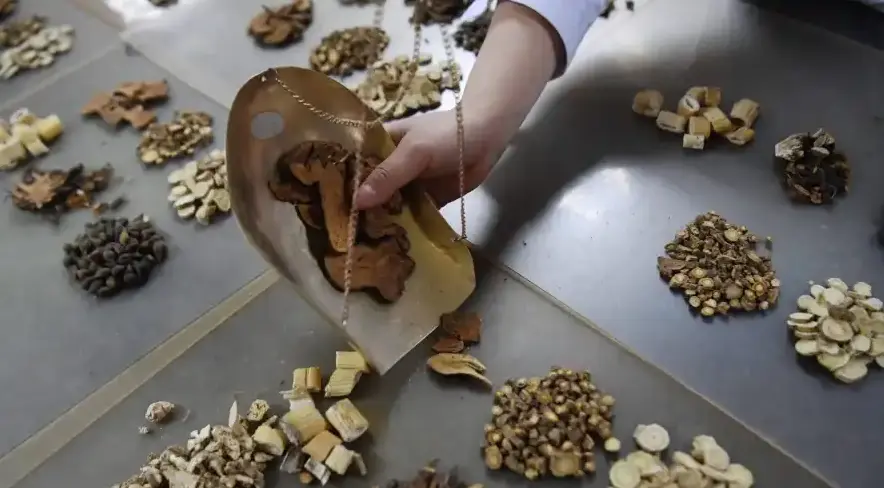
- Herbal medicine
- Cupping therapy
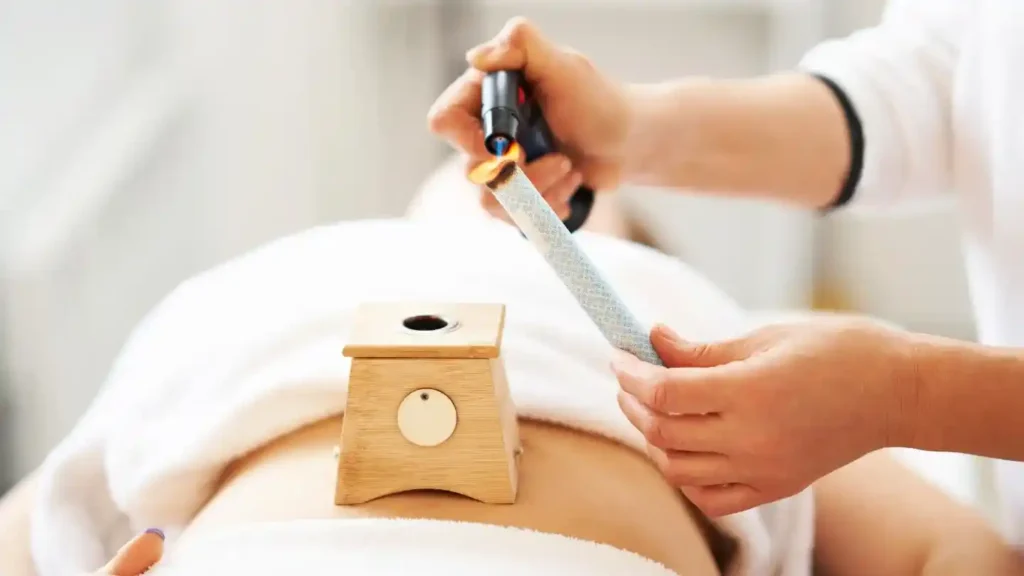
- Moxibustion
- Chuna manual therapy (Korean spinal manipulation)
- Electroacupuncture
How Does Acupuncture Work?
From a biomedical perspective, acupuncture works through several mechanisms:
1. Neuromodulation
Needle stimulation activates peripheral nerves, sending signals to the spinal cord and brain. This triggers:
- Endorphin release
- Serotonin modulation
- Reduced pain signaling
2. Microcirculation Improvement
Local needle insertion increases blood flow and oxygenation in targeted tissues.
3. Anti-Inflammatory Effects
Studies show modulation of cytokines and reduction in inflammatory markers.
4. Central Nervous System Regulation
Functional MRI studies demonstrate altered brain activity in pain-processing regions after acupuncture.
The World Health Organization (WHO) recognizes acupuncture as effective or potentially effective for several conditions, including chronic pain, migraine, osteoarthritis, and postoperative nausea.
Common Reasons Foreigners Seek Acupuncture in Korea
Foreign patients in Korea typically pursue acupuncture for:
1. Chronic Pain Conditions
- Neck and shoulder tension
- Lower back pain
- Herniated discs
- Sciatica
- Knee osteoarthritis
2. Sports & Activity-Related Injuries
Korea has a strong sports medicine acupuncture culture, especially among:
- Marathon runners
- CrossFit athletes
- Golfers
- Office workers with repetitive strain injuries
3. Stress & Sleep Disorders
- Insomnia
- Anxiety-related tension
- Jet lag regulation
4. Digestive & Functional Disorders
- Irritable bowel syndrome (IBS)
- Chronic bloating
- Stress-induced gastritis
5. Women’s Health
- Menstrual pain
- Hormonal imbalance
- Perimenopausal symptoms
What to Expect During an Acupuncture Visit in Korea
Step 1: Medical Consultation
A Korean Medicine Doctor will:
- Review medical history
- Ask about sleep, digestion, stress, and pain patterns
- Examine pulse and tongue (traditional diagnostic tools)
- Perform physical orthopedic tests if pain-related
In university hospitals, imaging referrals may be issued if needed.
Step 2: Treatment Plan
The doctor selects acupuncture points based on:
- Biomedical diagnosis (e.g., lumbar radiculopathy)
- Traditional pattern differentiation (e.g., qi stagnation)
Step 3: Needle Insertion
- Sterile, disposable needles are used
- Most sessions last 15–30 minutes
- Mild tingling or dull ache (called “deqi”) is common
Step 4: Adjunctive Therapies (Optional)
- Electroacupuncture
- Cupping
- Moxibustion
- Herbal prescriptions
Is Acupuncture in Korea Safe for Foreigners?
When performed by licensed Korean Medicine Doctors, acupuncture in Korea has a strong safety profile.
Safety Standards in 2026
- Government-licensed practitioners only
- Mandatory sterile disposable needles
- National health insurance oversight
- Hospital-level infection control protocols
Possible Mild Side Effects
- Temporary soreness
- Minor bruising
- Fatigue post-treatment
Serious complications are extremely rare when performed by trained professionals.
How Much Does Acupuncture Cost in Korea?
Costs vary depending on clinic type.
| Facility Type | Average Cost per Session (2026) |
|---|---|
| Local TKM Clinic | ₩20,000–₩50,000 |
| Specialized Pain Clinic | ₩40,000–₩80,000 |
| University Hospital | ₩70,000–₩150,000 |
Insurance Coverage
- Korean National Health Insurance (NHI) partially covers acupuncture for residents.
- Foreigners with ARC (Alien Registration Card) enrolled in NHI receive similar benefits.
- Short-term visitors usually pay out-of-pocket.
How to Find a Reliable Acupuncture Clinic in Korea
Foreigners should prioritize:
- Licensed Korean Medicine Doctors (KMD)
- Clinics affiliated with universities
- Clear English communication (if needed)
- Transparent pricing
Major cities such as Seoul, Busan, and Incheon have international medical support centers.
Acupuncture vs. Western Physical Therapy in Korea
| Feature | Acupuncture | Physical Therapy |
|---|---|---|
| Primary Focus | Neuromodulation & systemic regulation | Biomechanics & strengthening |
| Best For | Chronic pain, stress disorders | Post-surgical rehab |
| Insurance | Often partially covered | Also covered under NHI |
| Invasiveness | Minimally invasive | Non-invasive |
Many Korean hospitals combine both for optimal outcomes.
Clinical Case Example
Case: 38-year-old expatriate office worker with chronic neck and shoulder pain from prolonged computer use.
Symptoms:
- Daily tension headaches
- Restricted neck rotation
- Sleep disturbance
Treatment Plan:
- Acupuncture twice weekly for 3 weeks
- Electroacupuncture for muscle spasm
- Ergonomic correction advice
Outcome:
- Headaches reduced within 2 weeks
- Improved sleep
- Decreased reliance on pain medication
This multimodal approach reflects standard Korean integrative care.
Conditions with Strongest Evidence Support
Based on international meta-analyses and WHO guidelines, acupuncture shows strong or moderate evidence for:
- Chronic low back pain
- Tension-type headaches
- Migraine prevention
- Knee osteoarthritis
- Postoperative nausea
Evidence is growing for:
- Anxiety disorders
- Insomnia
- Functional gastrointestinal disorders
Are There Risks for Certain Patients?
Acupuncture should be used cautiously in:
- Patients with bleeding disorders
- Those on anticoagulants
- Individuals with pacemakers (for electroacupuncture)
- Pregnancy (specific points avoided)
Always inform your practitioner about medications and medical history.
How Many Sessions Are Needed?
- Acute pain: 3–6 sessions
- Chronic pain: 6–12 sessions
- Stress/insomnia: 4–8 sessions
Korean protocols often recommend intensive early-phase treatment followed by maintenance.
Why Korea Is Unique for Acupuncture Treatment
Korea’s system differs from many countries because:
- Acupuncture is a formally regulated medical field.
- Practitioners receive full-time medical education.
- Insurance coverage increases accessibility.
- Integrative hospital systems combine Eastern and Western medicine.
This makes Korea one of the most structured environments globally for acupuncture treatment.
Final Expert Perspective (2026)
For foreigners in Korea, acupuncture represents a regulated, evidence-informed, and clinically integrated treatment option, particularly effective for chronic pain, musculoskeletal disorders, and stress-related conditions.
Unlike in many countries where acupuncture exists outside the formal medical system, Korea provides structured education, government oversight, and partial insurance coverage—creating a higher standard of care.
Patients considering acupuncture should:
- Choose licensed practitioners
- Discuss medical history openly
- Set realistic expectations (progressive improvement, not instant cure)
- Combine treatment with lifestyle modifications when appropriate
When delivered responsibly, acupuncture in Korea can be a safe, scientifically supported complementary therapy within a modern healthcare framework.
FAQs
Is acupuncture for foreigners in Korea safe?
Yes. Acupuncture for foreigners in Korea is performed by licensed Korean Medicine Doctors under strict government regulation. Clinics use sterile disposable needles and follow medical safety standards, making treatment safe for expats and international visitors.
How much does acupuncture cost in Korea for foreigners?
Acupuncture cost in Korea for foreigners typically ranges from ₩20,000 to ₩80,000 per session depending on the clinic type. Expats enrolled in National Health Insurance may receive partial coverage at approved Korean medicine clinics.
Can I find an English-speaking acupuncture clinic in Korea?
Yes. Many English-speaking acupuncture clinics in Korea operate in Seoul, Busan, and other major cities. These clinics cater to expats and medical tourists seeking Korean medicine treatment with clear communication and international care standards.
What conditions are treated with acupuncture for foreigners in Korea?
Acupuncture for foreigners in Korea commonly treats chronic back pain, neck tension, migraines, stress-related disorders, sports injuries, digestive problems, and insomnia using evidence-based Korean medicine protocols.
Do I need insurance for acupuncture in Korea as a foreigner?
Insurance is not mandatory. However, foreigners registered in Korea with National Health Insurance can receive partial coverage for acupuncture. Short-term visitors typically pay out-of-pocket at Korean medicine clinics.

Korea Med Tour – Trusted Blog for Medical Tourism in Korea
Your Trusted Guide to Medical Tourism in Korea
Korea Med Tour is a leading medical tourism blog dedicated to providing accurate, up-to-date, and trustworthy information for international patients seeking healthcare services in South Korea. Our mission is to help travelers make informed decisions about their medical care while exploring the benefits of Korea’s world-class healthcare system.
With a focus on transparency, reliability, and expert-backed content, Korea Med Tour covers a wide range of medical fields including dermatology, plastic surgery, dental care, health checkups, and wellness services. We aim to empower readers with clear guidance on treatment options, clinic selection, cost expectations, and travel logistics.
What We Offer
- Clinic & Hospital Reviews – In-depth articles and reviews of Korea’s top medical facilities.
- Procedure Guides – Step-by-step explanations of popular medical treatments and aesthetic procedures.
- Patient Stories & Testimonials – Real experiences from international patients visiting Korea.
- Medical Travel Tips – Advice on planning your trip, accommodations, language support, and insurance.
- Health & Wellness Insights – Information on preventive care, checkups, and holistic treatments.
Why Choose Korea Med Tour
- Trusted Information – All content is based on verified sources, expert insights, and up-to-date research.
- Patient-Centered Guidance – We prioritize clarity, safety, and realistic expectations for all readers.
- International-Friendly Resources – Content is tailored for global patients, with practical tips for navigating Korea’s healthcare system.
Explore Korea Med Tour: https://KoreaMedTour.com
Your guide to safe, informed, and seamless medical travel in Korea.