
Korea Med Tour in South Korea
Herbal medicine prescription for foreigners in Korea is a legally regulated medical service provided by licensed Korean Medicine Doctors. Treatment is personalized through pattern-based diagnosis, laboratory review when necessary, and customized herbal formulas prepared under strict safety standards, making it a reliable complementary healthcare option in 2026.
Yes. Foreigners can legally receive personalized herbal medicine prescriptions in Korea through licensed Korean Medicine Doctors (KMDs). These prescriptions are based on traditional East Asian diagnostic methods combined with modern medical assessment standards. In 2026, Korea maintains one of the most regulated and evidence-integrated traditional medicine systems in the world, supervised by the Ministry of Health and Welfare.
Foreign patients commonly seek Korean herbal medicine for digestive disorders, chronic fatigue, stress-related symptoms, gynecologic conditions, pain syndromes, immune support, and post-illness recovery. Treatments are individualized after formal consultation, and prescriptions are dispensed through regulated herbal dispensaries within certified Korean medicine clinics or hospitals.
This guide explains how the system works, what conditions are treated, safety standards, legal aspects, costs, and what international patients should expect.
Table of Contents

What Is Korean Herbal Medicine?
Definition
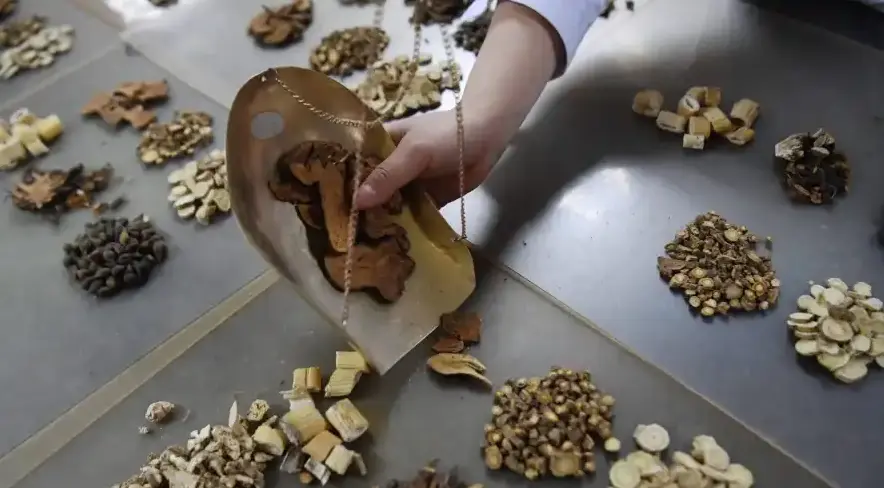
Korean herbal medicine (Hanbang) is a regulated medical system that uses plant, mineral, and animal-derived substances, prescribed by licensed Korean Medicine Doctors, based on pattern diagnosis (辨證, “pattern identification”) rather than disease name alone.
Unlike over-the-counter herbal supplements, Korean herbal prescriptions are:
- Individually formulated
- Adjusted based on constitution and symptom pattern
- Prepared in licensed decoction facilities
- Documented in official medical records
Who Can Prescribe Herbal Medicine in Korea?
Only a licensed Korean Medicine Doctor (KMD) can diagnose and prescribe herbal medicine. These doctors:
- Complete a 6-year accredited medical curriculum
- Pass a national licensing examination
- Are regulated by the government
- May work in Korean medicine clinics or integrated hospitals
Many larger hospitals operate under the umbrella of the National Health Insurance Service framework, although insurance coverage for foreigners depends on visa and enrollment status.
Why Foreigners Seek Herbal Medicine in Korea
In clinical practice, foreign patients typically present with one of the following:
1. Chronic Conditions Not Fully Managed by Conventional Medicine
- Irritable bowel syndrome (IBS)
- Chronic gastritis
- Migraine
- Functional dyspepsia
- Fibromyalgia-type symptoms
2. Stress & Burnout Syndromes
Many expatriates and business professionals report:
- Sleep disturbance
- Anxiety-related somatic symptoms
- Chronic fatigue
Herbal formulations such as tonic-based decoctions are often prescribed to regulate autonomic imbalance.
3. Women’s Health
- Irregular menstruation
- PMS
- Fertility support
- Postpartum recovery
4. Immune & Recovery Support
Post-viral recovery and general vitality enhancement are common requests, especially among medical tourists.
How Diagnosis Works: Step-by-Step
Korean herbal prescriptions are not generic. They follow a structured diagnostic framework.
Step 1: Comprehensive Medical Interview
- Chief complaint
- Onset and duration
- Aggravating/relieving factors
- Diet, sleep, stress
Step 2: Tongue & Pulse Examination
Traditional diagnostics include:
- Tongue color, coating, moisture
- Pulse depth, rate, quality
Step 3: Pattern Identification (辨證)
Rather than diagnosing “migraine” alone, the doctor identifies patterns such as:
- Liver qi stagnation
- Blood deficiency
- Damp-heat accumulation
Step 4: Prescription Formulation
The herbal formula may:
- Be based on classical formulas (e.g., from Dongui Bogam tradition)
- Be modified to match individual constitution
What Does a Herbal Prescription Look Like?
Herbal medicine in Korea is usually dispensed as:
- Decoction (탕약) – Liquid herbal extract in sealed pouches
- Granule extract – Concentrated powder form
- Pills or capsules
- Powder sachets
Decoctions are most common for individualized treatment.
Typical course:
- 7–15 days per batch
- Taken 2–3 times daily
- Reassessment after completion
Evidence & Scientific Perspective
Korean herbal medicine operates within an evidence-informed framework. Clinical research is published through institutions such as the Korea Institute of Oriental Medicine.
Research areas include:
- Functional gastrointestinal disorders
- Chronic pain
- Menopausal symptoms
- Allergic rhinitis
Systematic reviews suggest certain herbal formulas show benefit for IBS, dyspepsia, and menopausal hot flashes. However:
- Evidence quality varies.
- Not all traditional uses are strongly supported by randomized controlled trials.
- Integration with conventional care is recommended for serious conditions.
Responsible clinics clearly communicate expected outcomes and limitations.
Safety Standards in Korea
One of the most important concerns for foreigners is safety.
Korea maintains strict regulation of:
- Herbal sourcing
- Pesticide testing
- Heavy metal screening
- Manufacturing hygiene
Licensed dispensaries must comply with Good Manufacturing Practice (GMP) standards.
Adverse reactions are rare but possible, including:
- Mild digestive upset
- Allergic reaction
- Interaction with pharmaceutical drugs
Important Safety Rule:
Always disclose:
- Current medications
- Supplements
- Chronic diseases
- Pregnancy status
Herbal medicine can interact with anticoagulants, antihypertensives, and hormonal therapy.
Cost of Herbal Medicine for Foreigners (2026)

Prices vary by clinic and formula complexity.
Average range:
- Consultation: 30,000–80,000 KRW
- 15-day decoction course: 200,000–500,000 KRW
Insurance:
- Covered for Korean residents enrolled in NHIS
- Typically not covered for short-term tourists
Some clinics offer English-speaking coordinators for international patients.
Practical Example
Case Example:
A 38-year-old expatriate executive presents with:
- Chronic fatigue
- Poor sleep
- Cold extremities
- Irritability
Western tests: Normal labs
Pattern diagnosis: Qi deficiency with liver stagnation
Treatment:
- Customized tonic-based formula
- Lifestyle guidance (diet + sleep timing)
- Reassessment after 2 weeks
Outcome:
- Improved sleep latency
- Increased daytime energy
- Reduced tension headaches
This pattern-based approach often explains symptoms that conventional diagnostics label as “non-specific.”
Duration & Expected Outcomes
Herbal medicine works gradually.
Typical timeline:
- Acute conditions: 1–2 weeks
- Functional chronic issues: 1–3 months
- Constitutional tonics: up to 3–6 months
Patients should expect:
- Gradual symptom modulation
- Follow-up adjustments
- Lifestyle recommendations
Unrealistic expectations (instant cure claims) are a red flag.
Risks & Limitations
Herbal medicine is not appropriate as sole therapy for:
- Cancer requiring chemotherapy
- Acute surgical emergencies
- Severe infections
- Uncontrolled autoimmune disease
It may be used adjunctively under medical supervision.
Always confirm that the practitioner is a licensed KMD.
Legal & Regulatory Considerations
Foreigners can legally receive treatment in licensed clinics.
Exporting herbal medicine:
- Small personal quantities generally permitted
- Check customs regulations in destination country
Some countries restrict animal-derived ingredients.
How to Choose a Reputable Clinic
Look for:
- Licensed Korean Medicine Doctor credentials
- Transparent pricing
- Written prescription details
- Clean, regulated dispensary
- Clear explanation of risks and benefits
Avoid:
- Clinics promising guaranteed cures
- No medical interview
- No medication interaction screening
Final Expert Perspective (2026)
Korea offers one of the most structured and medically regulated herbal prescription systems globally. For foreigners seeking individualized, pattern-based treatment—especially for functional, stress-related, or chronic conditions—Korean herbal medicine can be a rational complementary approach when delivered responsibly.
However, it should not replace emergency or critical medical care. Evidence-informed integration, realistic expectations, and professional oversight are essential.
If approached with proper medical guidance, herbal medicine prescriptions in Korea provide a legally regulated, clinically supervised, and culturally rooted treatment option for international patients in 2026.

FAQs
Is herbal medicine prescription for foreigners in Korea safe?
Yes. Herbal medicine prescription for foreigners in Korea is provided by licensed Korean Medicine Doctors working under strict regulations from the Ministry of Health and Welfare. Clinics follow standardized sourcing, heavy metal testing, and GMP-certified preparation to ensure safety for international patients.
Can expats receive customized herbal treatment in Korea without insurance?
Yes. Expats and tourists can receive customized herbal treatment in Korea at private Korean herbal medicine clinics. While National Health Insurance coverage depends on residency status, self-paying patients can legally access full consultations and prescriptions.
How does traditional Korean medicine for expats differ from supplements?
Traditional Korean medicine for expats involves medical diagnosis, pulse and tongue examination, and personalized formulation. Unlike over-the-counter supplements, herbal medicine prescription for foreigners in Korea is tailored to individual patterns and adjusted during follow-up visits.
What conditions are commonly treated at a Korean herbal medicine clinic for foreigners?
A Korean herbal medicine clinic for foreigners commonly treats digestive disorders, chronic fatigue, stress-related symptoms, menstrual irregularities, sleep disturbance, and immune recovery. Treatment plans are individualized and may complement conventional care.
How long does customized herbal treatment in Korea take to show results?
Customized herbal treatment in Korea may show improvement within 1–2 weeks for acute issues, while chronic conditions typically require 1–3 months. Progress depends on diagnosis accuracy, adherence to dosage, and lifestyle adjustments recommended during consultation.

Korea Med Tour – Trusted Blog for Medical Tourism in Korea
Your Trusted Guide to Medical Tourism in Korea
Korea Med Tour is a leading medical tourism blog dedicated to providing accurate, up-to-date, and trustworthy information for international patients seeking healthcare services in South Korea. Our mission is to help travelers make informed decisions about their medical care while exploring the benefits of Korea’s world-class healthcare system.
With a focus on transparency, reliability, and expert-backed content, Korea Med Tour covers a wide range of medical fields including dermatology, plastic surgery, dental care, health checkups, and wellness services. We aim to empower readers with clear guidance on treatment options, clinic selection, cost expectations, and travel logistics.
What We Offer
- Clinic & Hospital Reviews – In-depth articles and reviews of Korea’s top medical facilities.
- Procedure Guides – Step-by-step explanations of popular medical treatments and aesthetic procedures.
- Patient Stories & Testimonials – Real experiences from international patients visiting Korea.
- Medical Travel Tips – Advice on planning your trip, accommodations, language support, and insurance.
- Health & Wellness Insights – Information on preventive care, checkups, and holistic treatments.
Why Choose Korea Med Tour
- Trusted Information – All content is based on verified sources, expert insights, and up-to-date research.
- Patient-Centered Guidance – We prioritize clarity, safety, and realistic expectations for all readers.
- International-Friendly Resources – Content is tailored for global patients, with practical tips for navigating Korea’s healthcare system.
Explore Korea Med Tour: https://KoreaMedTour.com
Your guide to safe, informed, and seamless medical travel in Korea.