Korea Med Tour in South Korea
Moxibustion for foreigners in Korea is a regulated Traditional Korean Medicine therapy that uses controlled heat from mugwort to improve circulation, relieve pain, and support digestive and women’s health conditions. Licensed Korean Medicine Doctors provide safe, structured treatment in modern clinics with English support available.
Moxibustion in Korea is a regulated Traditional Korean Medicine (TKM) therapy that uses controlled heat stimulation—typically from burning processed mugwort (Artemisia vulgaris)—to improve circulation, reduce pain, and support functional disorders such as digestive weakness and menstrual discomfort. For foreigners living in or visiting Korea, moxibustion is widely available, generally safe when performed by licensed Korean Medicine Doctors (KMDs), and often integrated with acupuncture and modern diagnostics.
Korea maintains one of the most structured East Asian medicine systems globally. Licensed KMDs complete a six-year university education and pass a national board examination under the supervision of the Ministry of Health and Welfare. Treatments are delivered in regulated clinics and hospitals using standardized safety protocols. For international patients, many urban clinics provide English-language consultations and transparent pricing.
This guide explains how moxibustion works, what conditions it treats, safety considerations, clinical workflow, costs, insurance coverage, and how foreigners can make informed decisions in 2026.
Table of Contents

What Is Moxibustion?
Moxibustion is a heat-based therapeutic technique in Traditional Korean Medicine that stimulates specific acupuncture points using burning mugwort to promote physiological regulation and circulation.
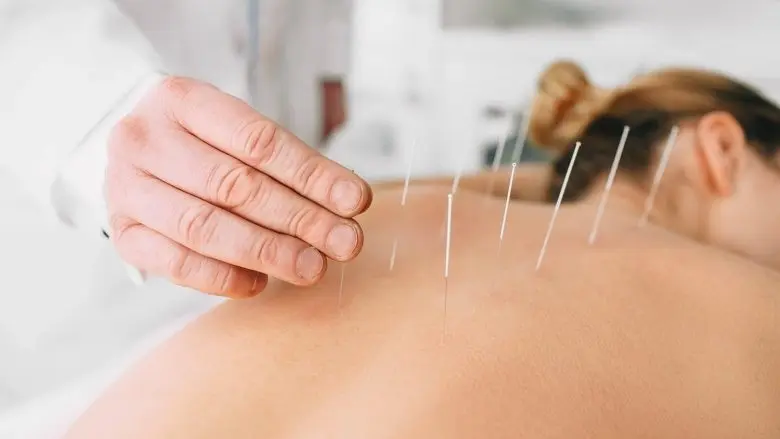
Unlike acupuncture, which uses needles, moxibustion delivers thermal stimulation. The goal is to:
- Enhance local blood flow
- Relax muscles
- Modulate immune and inflammatory responses
- Improve systemic regulation in cold or deficiency-pattern conditions
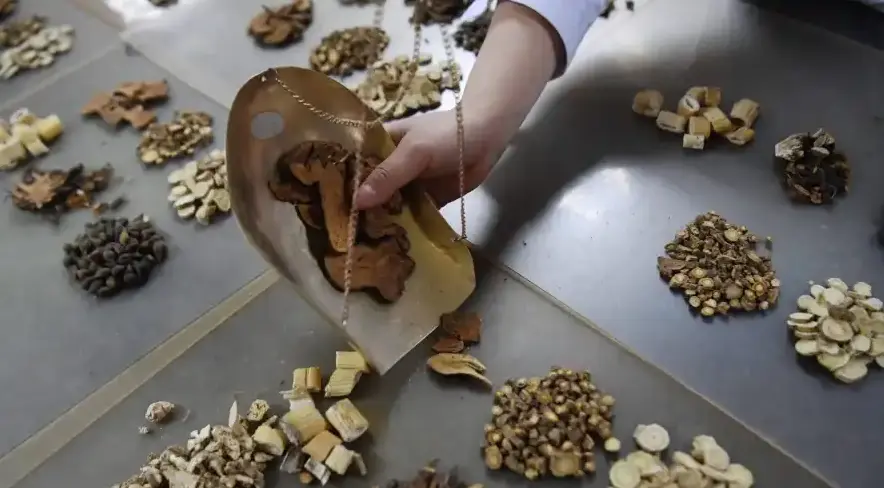
In Korea, moxibustion is commonly used alongside acupuncture, cupping, and herbal medicine.
How Does Moxibustion Work?
From a biomedical perspective, moxibustion exerts effects through several mechanisms:
1. Thermal Stimulation
Controlled heat increases microcirculation and oxygen delivery to tissues. Studies show enhanced local blood perfusion at treated points.
2. Neuromodulation
Heat activates cutaneous sensory receptors, influencing spinal and central nervous system pathways involved in pain perception.
3. Immune Regulation
Emerging clinical research suggests modulation of inflammatory cytokines and immune markers, particularly in chronic inflammatory conditions.
4. Smooth Muscle Regulation
Moxibustion may influence gastrointestinal motility and uterine smooth muscle activity through autonomic nervous system effects.
The World Health Organization (WHO) acknowledges moxibustion within traditional medicine systems and supports its use for specific conditions when performed by qualified practitioners.
Types of Moxibustion Used in Korea

Foreign patients may encounter different forms:
1. Direct Moxibustion (Rare Today)
Small cones placed on the skin and removed before burning completely. Modern practice avoids scarring techniques.
2. Indirect Moxibustion (Most Common)
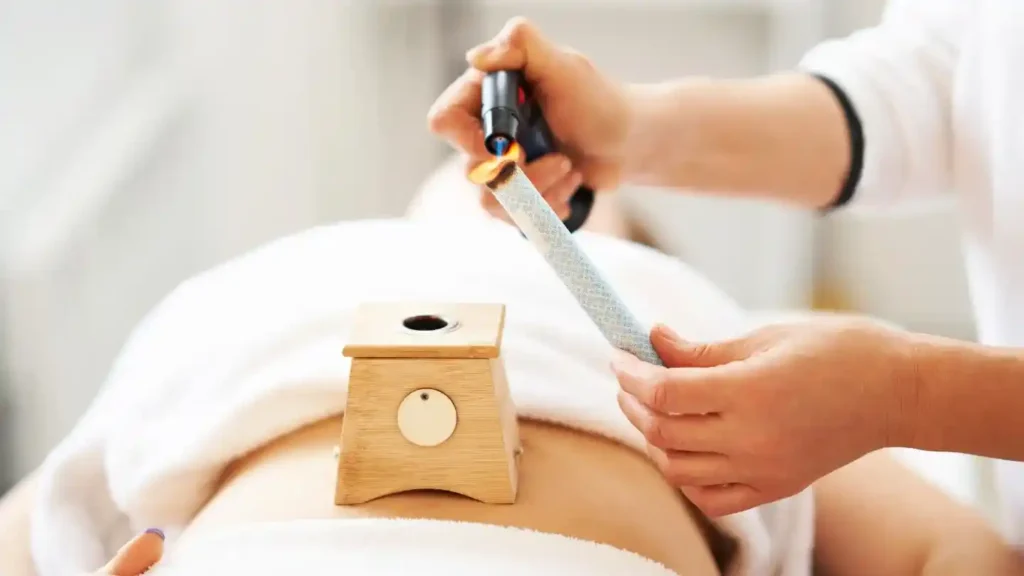
Moxa is burned above the skin or placed on a protective medium (such as ginger or salt). This is the standard method used in Korean clinics.
3. Moxa Stick (Cigar Method)
A practitioner holds a burning moxa stick near the skin to deliver controlled warmth.
4. Electric or Infrared Moxibustion Devices
Used in hospital settings for consistent heat control and reduced smoke exposure.
In Korea, indirect and device-assisted methods are most commonly used for safety and comfort.
Why Foreigners Seek Moxibustion in Korea
International patients typically pursue moxibustion for:
1. Chronic Cold Sensitivity
Common among individuals with low circulation, fatigue, or “cold extremities.”
2. Digestive Disorders
- Chronic bloating
- Functional dyspepsia
- Irritable bowel syndrome
3. Women’s Health
- Menstrual cramps
- Irregular cycles
- Perimenopausal discomfort
4. Musculoskeletal Pain
- Lower back pain
- Knee osteoarthritis
- Shoulder stiffness
5. Post-Illness Recovery
Used as supportive care for fatigue or weakened immunity.
What to Expect During a Moxibustion Session in Korea
Step 1: Medical Evaluation
A licensed Korean Medicine Doctor will:
- Review medical history
- Assess symptoms (pain, digestion, sleep)
- Perform pulse and tongue diagnosis
- Conduct orthopedic or abdominal examination if needed
In hospital settings, imaging referrals may be issued if clinically indicated.
Step 2: Treatment Planning
The practitioner identifies acupuncture points related to:
- Circulatory stagnation
- Cold-pattern symptoms
- Functional organ imbalance
Step 3: Heat Application
- Protective barrier applied
- Moxa ignited and positioned
- Warmth monitored continuously
- Session duration: 10–30 minutes
Patients typically feel gentle, penetrating warmth—not burning pain.
Is Moxibustion Safe for Foreigners?
When performed by licensed professionals, moxibustion is generally safe.
Safety Standards in Korea (2026)
- Licensed Korean Medicine Doctors only
- Strict infection control protocols
- Regulated medical facilities
- Use of indirect methods to minimize burn risk
Possible Mild Side Effects
- Temporary redness
- Warm sensation lasting several hours
- Rare superficial burns if improperly applied
Foreigners should avoid self-administered moxibustion without professional guidance.
Who Should Avoid Moxibustion?

Caution is advised for:
- Patients with neuropathy (reduced sensation)
- Individuals with diabetes and poor wound healing
- Those with heat sensitivity disorders
- Pregnant women (certain abdominal/lumbar points avoided)
A professional assessment is essential before treatment.
Cost of Moxibustion in Korea (2026)
| Facility Type | Average Cost per Session |
|---|---|
| Local TKM Clinic | ₩20,000–₩50,000 |
| Integrative Hospital | ₩50,000–₩120,000 |
Foreign residents enrolled in National Health Insurance (NHI) may receive partial reimbursement for eligible treatments.
Short-term visitors typically pay out-of-pocket.
Clinical Case Example
Case: 42-year-old European expatriate with chronic cold intolerance, menstrual pain, and fatigue.
Assessment:
- Cold lower abdomen
- Reduced peripheral circulation
- Functional digestive weakness
Treatment Plan:
- Weekly moxibustion on lower abdominal points
- Acupuncture combination therapy
- Dietary warming recommendations
Outcome after 6 weeks:
- Reduced menstrual pain
- Improved warmth in extremities
- Increased energy levels
This reflects common integrative protocols in Korean clinics.
Evidence Overview
Current meta-analyses suggest moderate evidence supporting moxibustion for:
- Breech presentation correction (with acupuncture)
- Knee osteoarthritis
- Primary dysmenorrhea
- Functional digestive disorders
Evidence quality varies, and ongoing trials continue to refine indications. Patients should view moxibustion as complementary—not a replacement for necessary biomedical treatment.
Moxibustion vs. Acupuncture: Key Differences
| Feature | Moxibustion | Acupuncture |
|---|---|---|
| Method | Heat stimulation | Needle insertion |
| Primary Effect | Circulation & warmth | Neuromodulation |
| Best For | Cold-pattern disorders | Pain & nerve conditions |
| Sensation | Warmth | Tingling or dull ache |
Korean clinics often combine both for synergistic outcomes.
Why Korea Is a Structured Environment for Moxibustion
Korea stands out because:
- Practitioners are nationally licensed medical professionals.
- Clinics operate under government regulation.
- Treatments are integrated with modern diagnostics.
- Insurance coverage increases accessibility.
This differs significantly from countries where traditional therapies are less regulated.
Final Expert Perspective (2026)
For foreigners in Korea, moxibustion offers a regulated, professionally delivered thermal therapy within a structured medical system. It is particularly beneficial for cold sensitivity, digestive imbalance, menstrual discomfort, and certain chronic pain conditions when appropriately diagnosed.
Patients should:
- Seek licensed Korean Medicine Doctors
- Discuss full medical history
- Combine treatment with lifestyle adjustments
- Maintain realistic expectations
When delivered responsibly, moxibustion in Korea represents a safe, integrative option grounded in both traditional theory and evolving biomedical research.

FAQs
Is moxibustion for foreigners in Korea safe?
Yes. Moxibustion for foreigners in Korea is performed by licensed Korean Medicine Doctors under government regulation. Clinics use indirect heat methods to minimize burn risk, making treatment safe for expats and international patients when properly supervised.
How much does moxibustion cost in Korea for foreigners?
Moxibustion cost in Korea typically ranges from ₩20,000 to ₩80,000 per session depending on the clinic type. Foreign residents enrolled in National Health Insurance may receive partial coverage at approved traditional Korean medicine clinics.
Can I find an English-speaking Korean medicine clinic for moxibustion?
Yes. Many English-speaking Korean medicine clinics in Seoul and major cities offer moxibustion for foreigners in Korea, providing clear communication and structured treatment plans tailored to expats and medical tourists.
What conditions are treated with moxibustion for foreigners in Korea?
Moxibustion for foreigners in Korea is commonly used for chronic back pain, cold sensitivity, digestive disorders, menstrual cramps, fatigue, and knee osteoarthritis as part of traditional Korean medicine treatment protocols.
How many sessions of moxibustion are usually needed?
Most patients receiving moxibustion for foreigners in Korea require 3–6 sessions for mild conditions and 6–10 sessions for chronic issues. Licensed Korean medicine doctors personalize treatment based on symptom severity and overall health status.

Korea Med Tour – Trusted Blog for Medical Tourism in Korea
Your Trusted Guide to Medical Tourism in Korea
Korea Med Tour is a leading medical tourism blog dedicated to providing accurate, up-to-date, and trustworthy information for international patients seeking healthcare services in South Korea. Our mission is to help travelers make informed decisions about their medical care while exploring the benefits of Korea’s world-class healthcare system.
With a focus on transparency, reliability, and expert-backed content, Korea Med Tour covers a wide range of medical fields including dermatology, plastic surgery, dental care, health checkups, and wellness services. We aim to empower readers with clear guidance on treatment options, clinic selection, cost expectations, and travel logistics.
What We Offer
- Clinic & Hospital Reviews – In-depth articles and reviews of Korea’s top medical facilities.
- Procedure Guides – Step-by-step explanations of popular medical treatments and aesthetic procedures.
- Patient Stories & Testimonials – Real experiences from international patients visiting Korea.
- Medical Travel Tips – Advice on planning your trip, accommodations, language support, and insurance.
- Health & Wellness Insights – Information on preventive care, checkups, and holistic treatments.
Why Choose Korea Med Tour
- Trusted Information – All content is based on verified sources, expert insights, and up-to-date research.
- Patient-Centered Guidance – We prioritize clarity, safety, and realistic expectations for all readers.
- International-Friendly Resources – Content is tailored for global patients, with practical tips for navigating Korea’s healthcare system.
Explore Korea Med Tour: https://KoreaMedTour.com
Your guide to safe, informed, and seamless medical travel in Korea.