SZLINE Dermatology & Aesthetic Surgery in Busan, South Korea
Breast Augmentation in Korea in 2026 uses 3D Endoscopic LakoBar technology and hybrid implant with fat grafting techniques to improve precision, reduce tissue trauma, and enhance natural-looking results. These advanced methods allow safer surgery, better symmetry, and smoother contour transitions compared to traditional augmentation approaches.
Breast Augmentation in Korea has evolved significantly in 2026, integrating 3D surgical simulation, endoscopic precision, and advanced implant plus fat grafting techniques. Among the most innovative approaches is 3D Endoscopic LakoBar Breast Augmentation, designed to enhance surgical accuracy, minimize bleeding, and deliver refined, natural breast contours for both domestic and international patients seeking high-standard cosmetic surgery.
Breast augmentation in Korea in 2026 is defined by precision surgery, 3D planning technology, and minimally invasive endoscopic techniques. Among the most advanced methods is 3D Endoscopic LakoBar Breast Augmentation, a refined surgical approach that improves implant positioning accuracy while reducing tissue trauma. In addition, hybrid breast augmentation using implants combined with fat grafting has become a preferred option for patients seeking natural contouring and enhanced cleavage refinement.
This guide explains how these techniques work, who they are suitable for, safety considerations, risks, recovery, and expected outcomes — based on current clinical standards and surgical best practices.
Table of Contents
What Is 3D Endoscopic LakoBar Breast Augmentation?
3D Endoscopic LakoBar Breast Augmentation is a minimally invasive breast enhancement technique that combines:
- High-definition endoscopic visualization
- 3D digital surgical planning
- A specialized surgical instrument system (LakoBar technique)
- Precise implant pocket creation
In Simple Terms
It is an advanced implant-based breast augmentation method where surgeons use a micro-endoscope and 3D imaging guidance to create a highly controlled implant pocket with minimal bleeding and improved symmetry.
Why Korea Is a Global Leader in Breast Augmentation
South Korea has become internationally recognized for:
- High surgical volume and specialization
- Advanced endoscopic cosmetic surgery techniques
- Structured safety protocols
- Emphasis on natural aesthetics
- Rapid adoption of digital 3D simulation systems
Many Korean board-certified plastic surgeons undergo focused fellowship training in endoscopic breast surgery, which requires specialized anatomical knowledge and technical precision.
How 3D Endoscopic LakoBar Breast Augmentation Works
Step 1: 3D Imaging & Preoperative Planning
Patients undergo 3D breast simulation imaging to evaluate:
- Chest wall anatomy
- Breast tissue thickness
- Asymmetry
- Skin elasticity
- Implant size and projection options
This planning reduces guesswork and improves predictability.
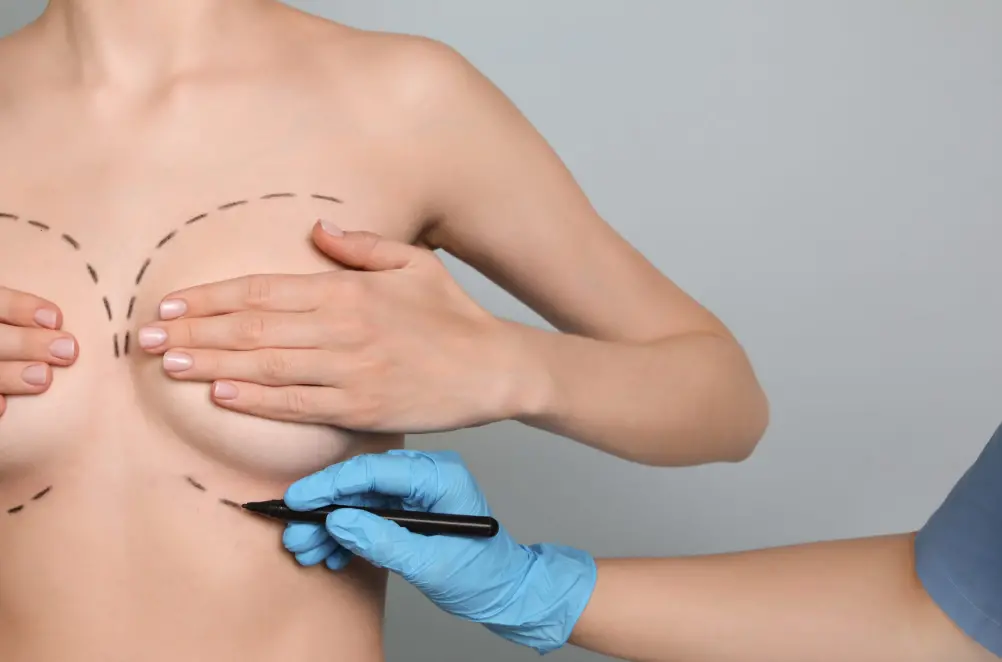
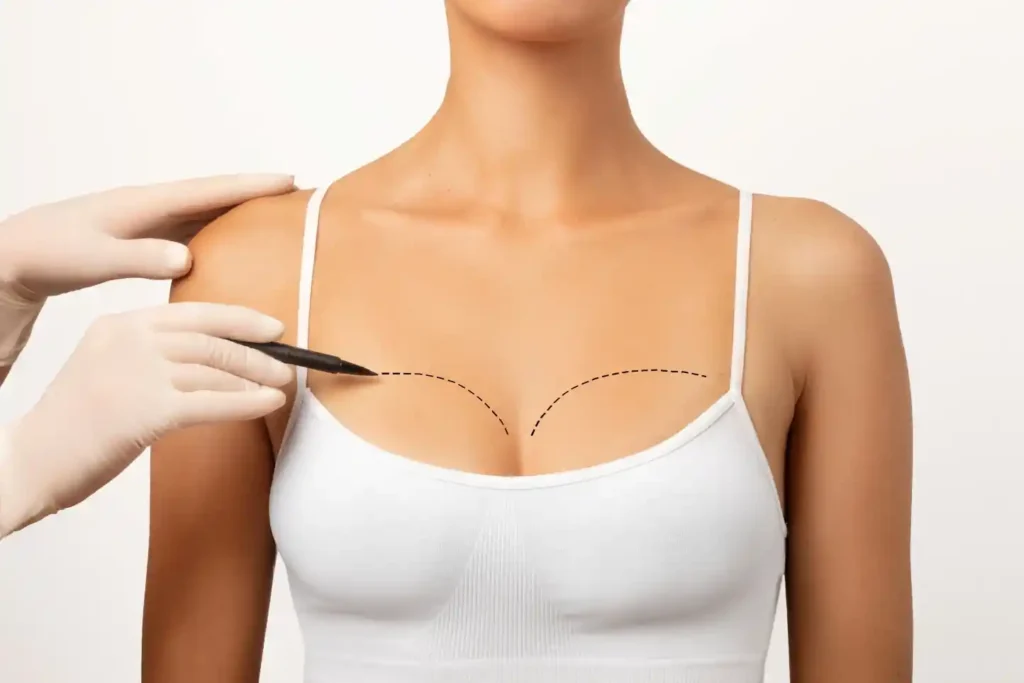
Step 2: Minimal Incision Placement
Incisions are typically placed:
- Inframammary fold (most common)
- Periareolar
- Transaxillary (armpit, selected cases)
The approach is chosen based on anatomy and aesthetic goals.
Step 3: Endoscopic Pocket Dissection
Using a high-definition endoscope:
- Blood vessels are visualized directly
- Precise pocket dimensions are created
- Bleeding is minimized
- Nerve structures are preserved when possible
The LakoBar system allows stable, controlled tissue separation without blind dissection.
Step 4: Implant Insertion with Controlled Placement
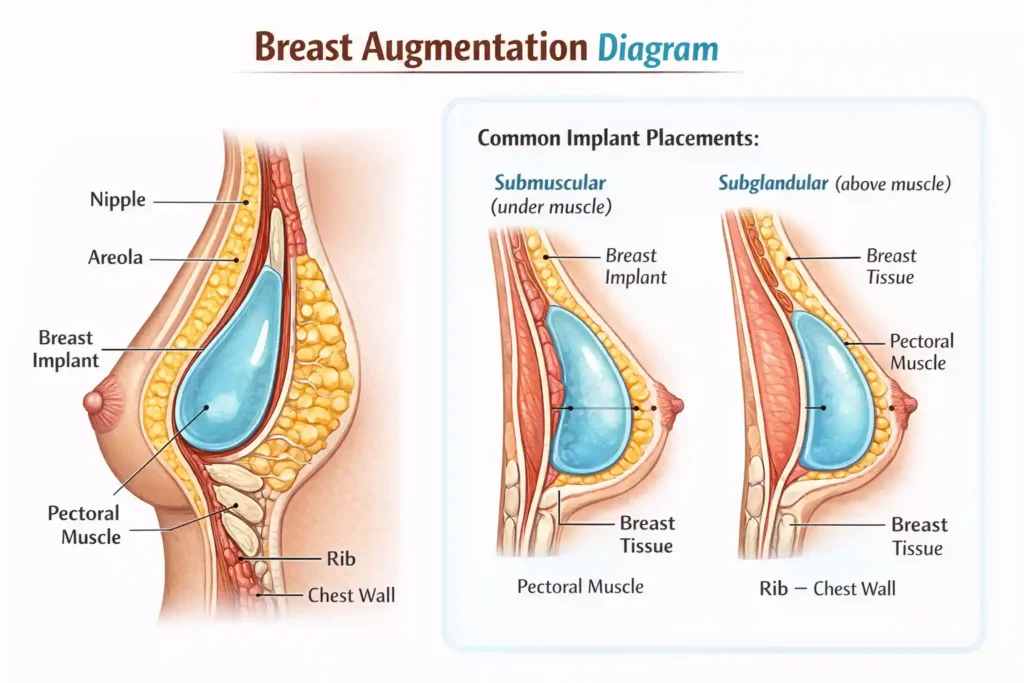
Implants are inserted into:
- Subglandular plane
- Submuscular plane
- Dual-plane technique (most common for natural results)
Endoscopic visualization reduces the risk of malposition and asymmetry.
Clinical Advantages of 3D Endoscopic LakoBar Technique
Compared to traditional blind dissection methods:
- Reduced intraoperative bleeding
- Lower risk of capsular contracture (when sterile protocol is followed)
- Improved symmetry
- More accurate implant positioning
- Faster early recovery in many patients
It is particularly beneficial in patients with:
- Thin breast tissue
- Asymmetry
- Revision cases
- Desire for minimal scarring
Breast Augmentation with Implants & Fat Grafting (Hybrid Augmentation)
Hybrid breast augmentation combines:
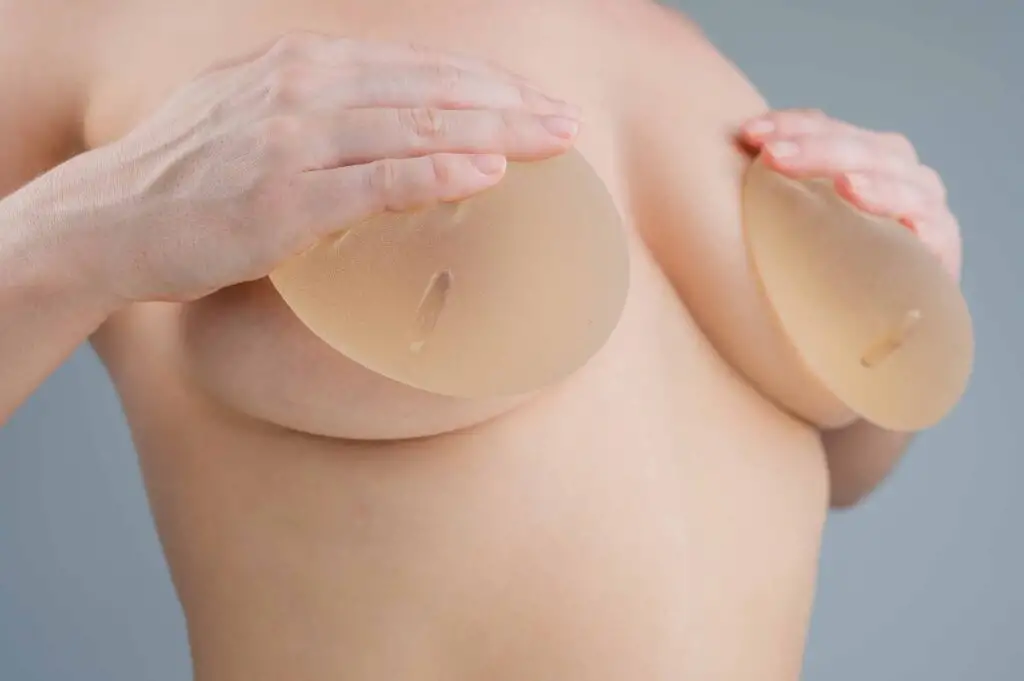
- Silicone or cohesive gel implants
- Autologous fat transfer (harvested from abdomen, thighs, or flanks)
Why Combine Both?
Implants provide structural volume and projection.
Fat grafting refines contour and softens edges.
Clinical Benefits
- More natural upper pole transition
- Improved cleavage shaping
- Camouflaging implant edges
- Better correction of asymmetry
- Enhanced softness
This approach is commonly used in:
- Thin patients
- Athletes
- Revision surgeries
- Patients seeking subtle, natural enhancement
Who Is a Good Candidate?
Suitable Candidates
- Women over 18 (or 22+ for certain implant types)
- Stable weight
- Good general health
- Realistic expectations
- Adequate donor fat (for hybrid technique)
Patients Requiring Caution
- Active smokers
- Autoimmune disease patients
- Uncontrolled diabetes
- Prior severe capsular contracture
A thorough medical screening is mandatory.
Implant Types Commonly Used in Korea (2026)
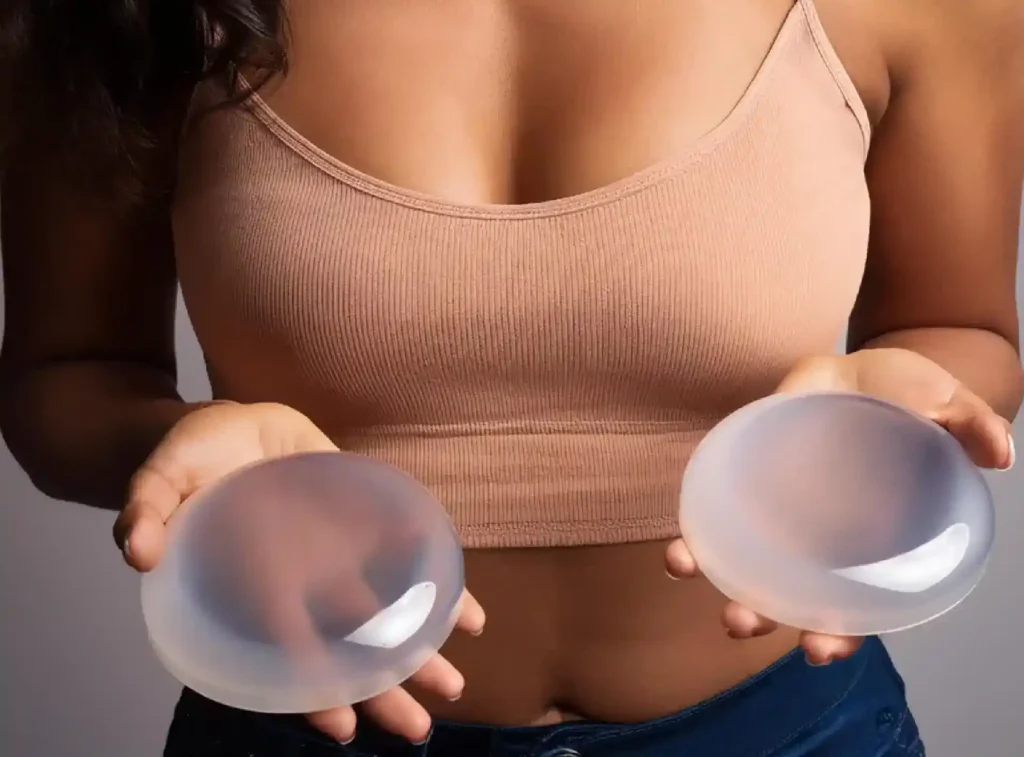
Modern Korean clinics primarily use:
- Cohesive silicone gel implants
- Ergonomic (dynamic gel) implants
- Microtextured or smooth surface implants
Implant selection depends on:
- Chest width
- Skin elasticity
- Tissue thickness
- Desired projection
- Risk profile
Risks and Safety Considerations
No surgical procedure is risk-free.
Potential Complications
- Capsular contracture
- Hematoma
- Seroma
- Implant malposition
- Infection
- Temporary sensory changes
- Rare: BIA-ALCL (associated mainly with certain textured implants)
Risk reduction strategies include:
- Strict sterile protocols
- Minimal-touch insertion techniques
- Proper pocket sizing
- Endoscopic visualization
- Board-certified surgical expertise
Recovery Timeline
Day 1–3
- Tightness and swelling
- Oral pain medication required
Week 1
- Light daily activities resume
- Swelling gradually decreases
Week 2–3
- Sutures removed (if non-absorbable)
- Return to non-strenuous work
Week 4–6
- Light exercise allowed
- Shape begins settling
3–6 Months
- Final contour and softness achieved
Recovery varies depending on surgical plane and individual healing response.
How Long Do Results Last?
Modern silicone implants are long-lasting, but they are not lifetime devices.
Patients are typically advised:
- Regular follow-up every 1–2 years
- MRI or ultrasound screening per medical guidance
- Implant replacement only if medically indicated
Fat graft retention averages 50–70% depending on technique and patient metabolism.
Practical Clinical Insight
From a surgical workflow standpoint, endoscopic techniques require significantly more technical skill than conventional augmentation. The learning curve is steep. However, when performed correctly:
- Bleeding is measurably reduced
- Surgical field clarity improves
- Revision rates decrease in experienced hands
Hybrid augmentation has also changed patient satisfaction rates in thin-body patients who previously struggled with visible implant edges.
The key determining factor is not the technology alone — it is surgeon training, anatomical precision, and individualized planning.
3D Endoscopic LakoBar vs. Hybrid Implant Techniques
| Feature / Technique | 3D & HD Endoscopic Augmentation | Hybrid Implant Technique (Implant + Fat Grafting) |
|---|---|---|
| Definition | Uses high-definition endoscopy to create precise surgical pockets and place implants under direct visualization. | Combines traditional implant augmentation with autologous fat grafting (patient’s own fat) to refine contours and soften edges around the implant. |
| Surgical Approach | Small incisions (often inframammary or axillary) with endoscopic tools for accurate dissection and minimal tissue trauma. | Traditional incision for implant placement + liposuction to harvest fat before injection into breast tissue. |
| Visualization / Precision | Real-time HD visualization enables more accurate pocket formation, vessel identification, and nerve preservation, reducing blood loss and trauma. | Standard visualization for implant placement; fat grafting added manually in targeted areas to smooth contours. |
| Aesthetic Outcome | Great for defined volume gain with precise symmetry and reduced bruising/swelling. | Creates natural contours, softer transitions, less visible implant edges, and improved cleavage definition. |
| Natural Feel & Softness | Depends mainly on implant type and placement plane; can look natural but may show more edges if tissue is thin. | Enhanced soft feel because fat covers implant margins and provides additional soft tissue. |
| Best Candidates | Ideal for patients seeking predictable implant placement with minimal scarring and accurate symmetry. | Best for patients with thin breast tissue who want additional contouring and natural aesthetics. |
| Safety & Complications | Lower bleeding risk and faster recovery due to endoscopic precision; ingrained precautionary techniques (e.g., Keller Funnel). | Fat grafting adds mild risks related to fat survival/resorption; still generally safe when done carefully by experienced surgeons. |
| Capsular Contracture Prevention | “No-Touch” techniques like Keller Funnel insertion minimize contamination and reduce contracture risk. | Same prevention for implants; adds contouring benefits from fat. |
| Recovery | Typically shorter swelling and bruising phases; many patients return to normal activities relatively quickly. | Longer healing due to combined procedures (implant and donor liposuction sites). |
| Technology Integration | Often paired with 3D simulation tools so patients can preview outcomes before surgery. | Can also incorporate 3D planning, especially for fat placement and overall contour planning. |
| Overall Result | Defined enhancement with controlled placement and minimal scarring. | Highly natural and proportionate results with softer tactile and visual appearance. |
Final Thoughts: Choosing the Right Approach in 2026
Breast augmentation in Korea now integrates digital planning, endoscopic precision, and hybrid refinement techniques.
3D Endoscopic LakoBar Breast Augmentation offers enhanced surgical control and improved symmetry. Implant + Fat Grafting hybrid augmentation delivers softer, more natural transitions.
The most important factor remains:
- Board-certified plastic surgeon selection
- Transparent consultation
- Evidence-based surgical planning
- Realistic outcome expectations
Patients should prioritize safety, surgeon experience, and anatomical suitability over marketing terminology.
When performed responsibly and with advanced technique, modern breast augmentation can achieve predictable, natural, and long-lasting results aligned with 2026 global standards of care.
FAQs
What makes Breast Augmentation in Korea different in 2026?
Breast Augmentation in Korea now incorporates 3D Endoscopic LakoBar Breast Augmentation and hybrid breast augmentation Korea techniques. These advanced methods improve implant positioning accuracy, reduce
Is 3D Endoscopic LakoBar Breast Augmentation safer?
3D Endoscopic LakoBar Breast Augmentation improves visualization during Breast Augmentation in Korea, allowing precise pocket creation and reduced bleeding. While no surgery is risk-free, endoscopic techniques may lower complications when performed by experienced surgeons.
What is hybrid breast augmentation Korea?
Hybrid breast augmentation Korea combines silicone implants with autologous fat grafting. During Breast Augmentation in Korea, implants provide volume, while fat grafting smooths edges and enhances cleavage for a softer, more natural appearance.
Who is a good candidate for implant with fat grafting Korea?
Patients with thin breast tissue or those seeking subtle enhancement often benefit from implant with fat grafting Korea. This Breast Augmentation in Korea technique is ideal for improving contour transitions and correcting asymmetry.
How long is recovery after Breast Augmentation in Korea?
Recovery after Breast Augmentation in Korea typically allows light activity within one week and full settling within 3–6 months. With 3D Endoscopic LakoBar Breast Augmentation, some patients experience reduced early swelling due to minimized tissue trauma.

SZLINE Dermatology & Aesthetic Surgery in Busan, Korea
Aesthetic Surgery & Cosmetic Expertise in Busan, Korea
SZLINE Dermatology & Aesthetic Surgery is dedicated to delivering medically supervised dermatologic and aesthetic treatments grounded in clinical precision and patient safety. Our team of board-certified dermatologists and experienced plastic surgeons brings together decades of combined expertise in dermatology, aesthetic medicine, and cosmetic surgery.
Operating under structured medical protocols, SZLINE integrates evidence-based practice with individualized treatment planning. Every procedure is carefully designed according to each patient’s medical history, anatomical characteristics, and long-term aesthetic goals — ensuring balanced, natural-looking outcomes rather than excessive correction.
Our clinic is recognized by both local and international patients for transparent consultation, ethical treatment recommendations, and consistent clinical standards.
Areas of Specialization
- Anti-aging and skin rejuvenation treatments
- Advanced laser and energy-based dermatologic procedures
- Cosmetic and reconstructive plastic surgery
- Regenerative and skin restoration therapies
SZLINE combines advanced medical technologies with clinically proven techniques to enhance precision, minimize downtime, and optimize safety. All procedures are performed in a controlled medical environment with thorough pre-treatment assessment and structured post-procedure follow-up care.
A significant portion of our patients visit through referrals and returning clients, reflecting sustained trust and satisfaction with long-term results. Our commitment to responsible aesthetic medicine, realistic outcome guidance, and continuous professional development positions SZLINE as a reliable destination for dermatology and aesthetic surgery in Korea.
We prioritize patient education, informed consent, and individualized care — ensuring that every treatment decision is medically appropriate, transparent, and aligned with each patient’s well-being.
Visit SZLINE Dermatology & Aesthetic Surgery: https://BusanSkinClinic.net/