
Korea Med Tour Editor’s Picks
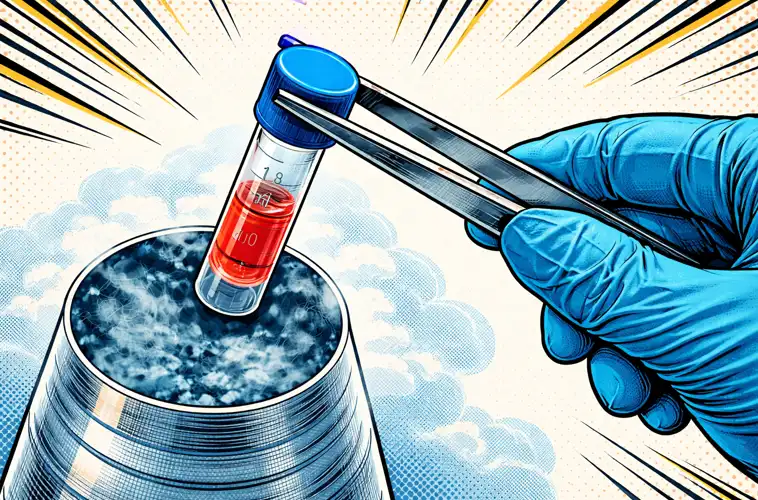
Korean Detox Programs: Do They Really Work?
Medical Treatments in Korea

Korean Detox Programs: Do They Really Work? (2026 Evidence-Based Guide)

Do Korean detox programs work? They can improve short-term wellness and eating habits but do not enhance the body’s natural detox systems. Real detoxification is ...
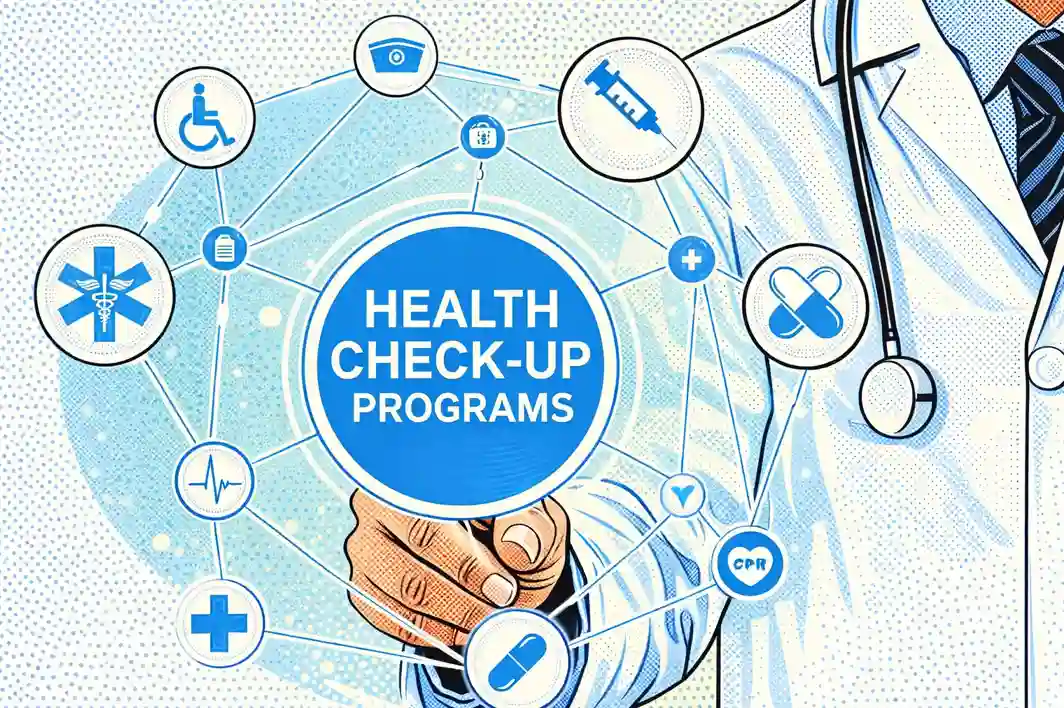
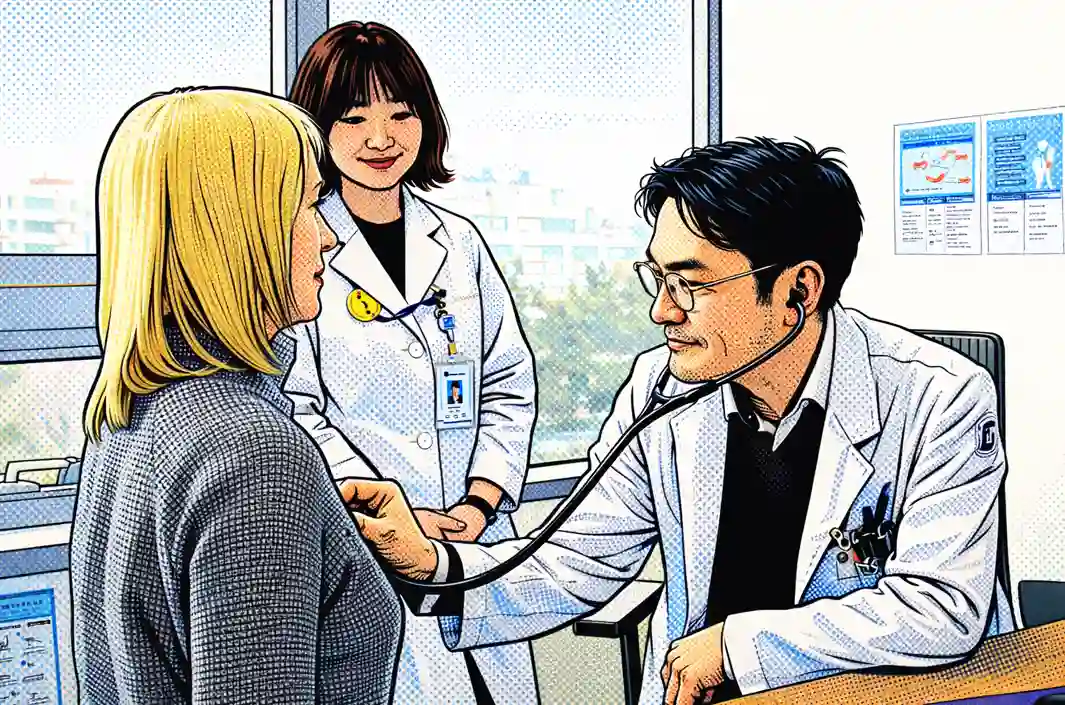
Health Checkup Programs in Korea
Medical Treatments in Korea

Health Checkup Programs in Korea (2026): A Complete Expert Guide for Preventive Care & Early Detection

What are health checkup programs in Korea?Health checkup programs in Korea are comprehensive preventive screening packages that use advanced diagnostics such as MRI, CT scans, ...
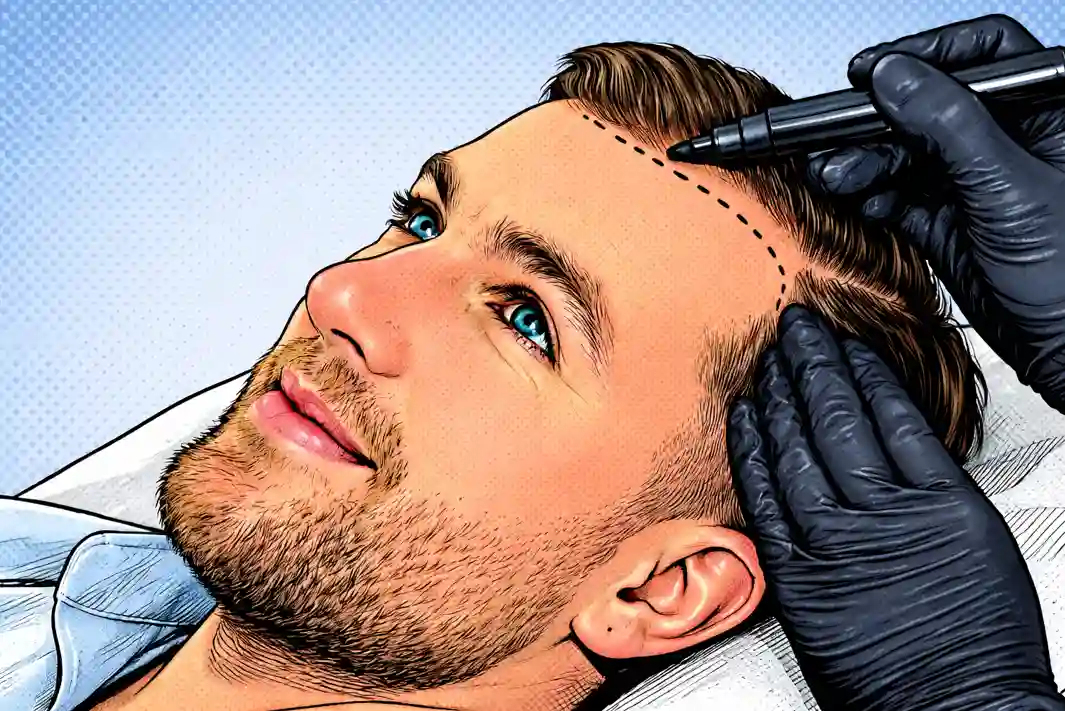
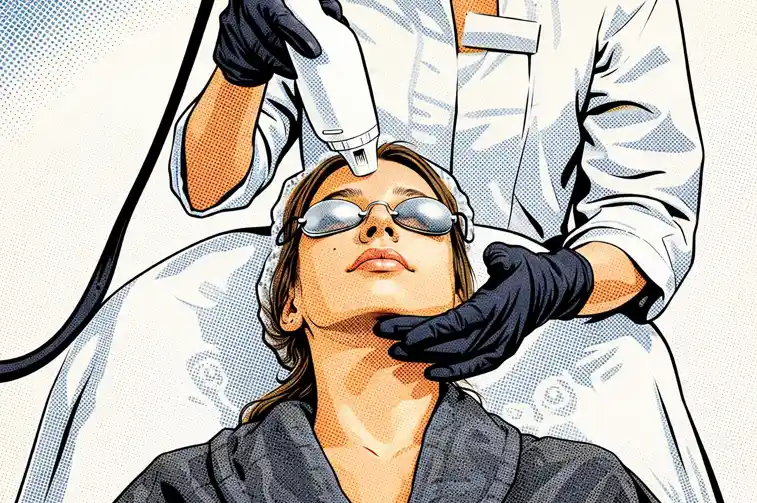
Hair Transplant Korea Guide (2026) for International Patients
Medical Treatments in Korea

Complete & Trusted Hair Transplant Korea Guide (2026) for International Patients

Is hair transplant Korea worth it for international patients? Hair transplant Korea is worth it for international patients because it offers advanced techniques like FUE ...

  • Advanced technology

  • High surgical precision

  • Transparent pricing

  • Fast recovery protocols

  • Strong aftercare systems

Korea is especially trusted for:

  • Aesthetic precision

  • Minimally invasive procedures

  • Personalized treatment plans

Yes. South Korea is globally known for advanced medical technology, strict safety regulations, and highly trained specialists. Many major hospitals are accredited by Joint Commission International (JCI), which ensures international healthcare quality standards. Korean doctors undergo rigorous training and many have overseas experience in the US, Europe, or Japan.

Medical costs in Korea are generally considered reasonable, and particularly for surgeries and specialized treatments, they are highly cost-effective compared to many developed countries.

  • 30–70% lower than in the US

  • Competitive with Thailand and Singapore

  • Often more affordable than Japan for cosmetic or eye procedures

Despite lower costs, Korea maintains high clinical standards and cutting-edge equipment, especially in:

  • Plastic surgery

  • LASIK/SMILE vision correction

  • Health screening programs

  • Dermatology & aesthetic medicine

Yes. Many top hospitals in Seoul and other major cities offer:

  • English-speaking coordinators

  • Chinese, Japanese, Russian, Mongolian, Arabic interpreters

  • Dedicated International Patient Centers

It depends on the procedure:

Treatment TypeAverage Stay
LASIK / SMILE3–5 days
Plastic surgery7–14 days
Health screening2–3 days
Dental implants5–10 days (per visit)

Doctors usually provide an online pre-consultation to estimate recovery time before you travel.

Patients can enter with:

  • Tourist visa (short procedures)

  • Medical visa (C-3-3)

The Korean government officially supports medical tourism through
Korea Health Industry Development Institute and registered medical tourism agencies.

Scroll to Top