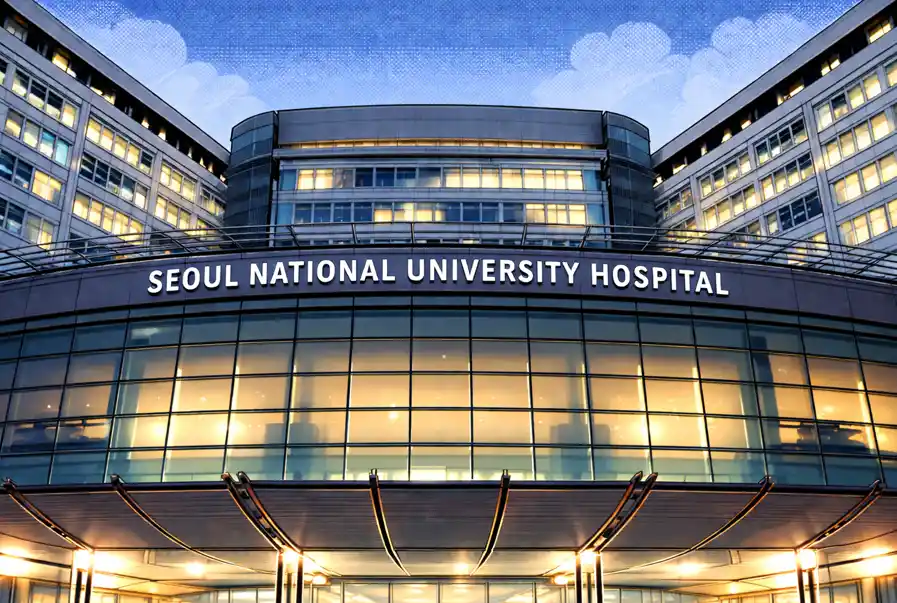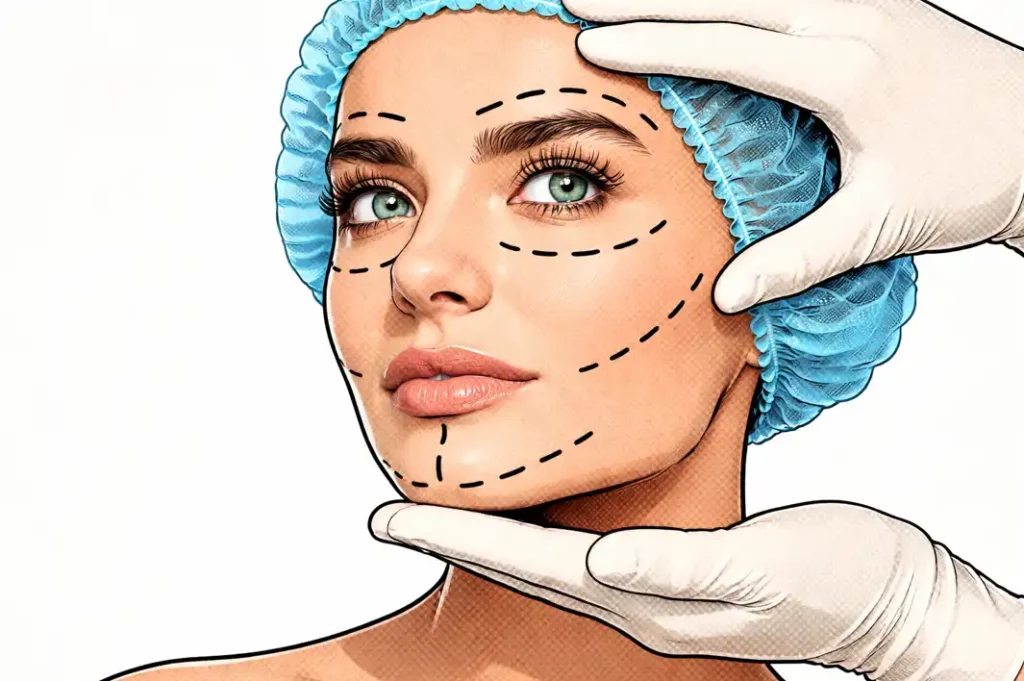
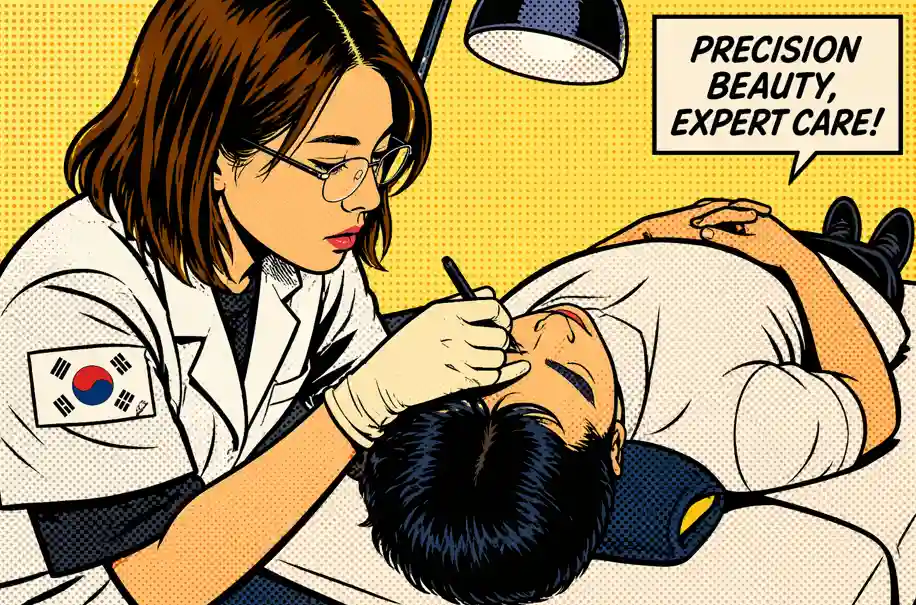

Where can foreigners receive Korean aesthetic training in 2026? Foreigners can receive Korean aesthetic training through university hospitals, certified academies, and clinic-based observerships in South Korea. These programs teach injectables, laser treatments, and skin procedures, with most hands-on training limited to licensed medical professionals.
KoreaMedTour.com
Quick Summary
Korean aesthetic training for foreigners in 2026 provides structured, high-quality education through university hospitals, certified academies, and leading Seoul clinics—combining advanced injectables, laser technologies, and personalized treatment protocols with strong safety standards and globally recognized expertise.
Key Insights:
- Access to Seoul aesthetic training programs in top clinics and medical hubs like Gangnam
- Hands-on or observational learning in aesthetic medicine courses Korea (injectables, lasers, skin boosters)
- Emphasis on facial anatomy, safety protocols, and complication management
- Combination treatment approach (laser + fillers + lifting techniques) for optimal results
- Programs tailored for international professionals with English support and certification options
Table of Contents
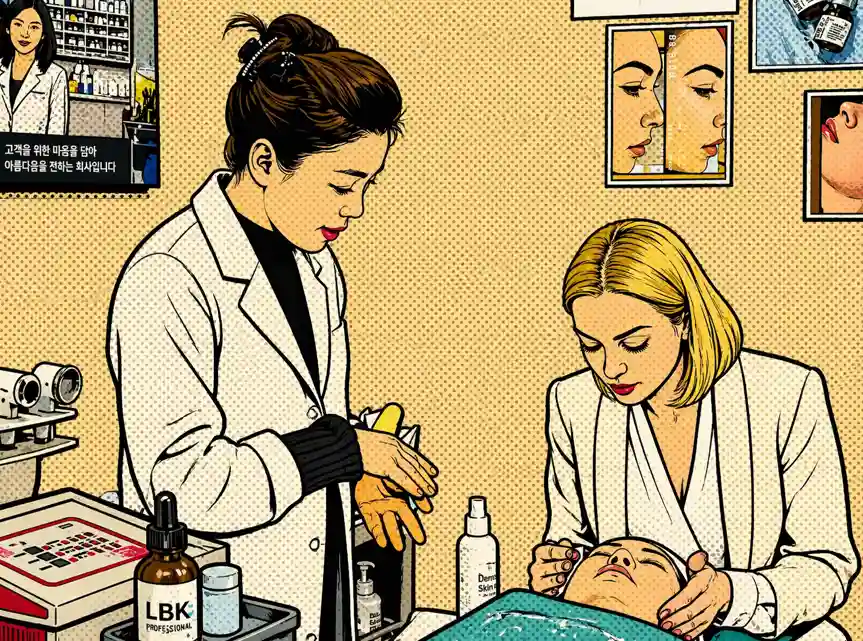
Understanding Korean Aesthetic Medicine Training
Korean aesthetic medicine is globally recognized for its precision techniques, natural results, and advanced device integration. Training programs typically focus on:
- Injectables: Botulinum toxin, dermal fillers
- Laser and energy-based devices: IPL, CO2 lasers, RF microneedling
- Skin treatments: Rejuran, skin boosters, chemical peels
- Thread lifting techniques
- Facial contouring approaches unique to Korean practice
Why Korea?
South Korea has become a global hub due to:
- High procedural volume → greater practitioner experience
- Rapid adoption of new techniques and devices
- Strong regulatory oversight by the Ministry of Health and Welfare (MOHW)
- Integration of dermatology and cosmetic surgery into mainstream care
1. University-Affiliated Medical Training Programs
Overview
Foreign medical professionals seeking credible, high-level training often begin with university hospitals.
Typical Institutions
- Major Seoul-based university hospitals
- Departments of dermatology or plastic surgery
What You Get
- Structured lectures on anatomy, safety protocols, and techniques
- Observational clinical rotations
- Exposure to evidence-based practice
Who It’s For
- Licensed physicians
- Dermatologists and plastic surgeons in training
- Medical researchers
Key Advantage
University programs provide strong E-E-A-T credibility—they are the most authoritative and academically rigorous.
Limitations
- Limited hands-on procedures due to licensing restrictions
- Competitive admission process
- Often require English or Korean proficiency
2. Certified Private Aesthetic Academies in Seoul
Overview
Private academies are the most accessible and popular option for foreign trainees.
Common Locations
- Gangnam (Seoul’s aesthetic district)
- Apgujeong and Cheongdam areas
Program Types
- Short-term intensive courses (3–10 days)
- Certification workshops
- Device-specific training (e.g., laser platforms)
Curriculum Includes
- Facial anatomy for injectables
- Injection techniques (theory + practice on models or simulators)
- Complication management (vascular occlusion, infection prevention)
- Korean beauty standards and treatment planning
Real-World Example
A licensed physician from Southeast Asia attending a 5-day filler course in Gangnam may:
- Practice injection mapping on mannequins
- Observe live patient procedures
- Receive supervised practice depending on credentials
Important Note
Not all academies are equal. Look for:
- Trainers who are board-certified dermatologists or plastic surgeons
- Programs that include complication management training
- Transparent certification and curriculum
Risks
- Some academies prioritize marketing over clinical rigor
- “Hands-on” claims may be limited or simulated
3. Hospital-Based Clinical Training & Observerships
Overview
Many leading Korean aesthetic clinics offer customized training programs for international doctors.
Types of Clinics
- High-volume dermatology clinics
- Plastic surgery centers specializing in facial aesthetics
What You Learn
- Real patient consultation workflows
- Treatment planning based on Korean facial aesthetics
- Device protocols and combination therapies
- Post-procedure care and complication handling
Training Format
- Observership (most common)
- Limited supervised hands-on (for licensed professionals)
- One-on-one mentorship programs
Practical Scenario
An international doctor joins a 2-week observership:
- Day 1–3: Consultation observation
- Day 4–10: Procedure observation (fillers, lasers)
- Final days: Case discussions and protocol training
Advantages
- Exposure to real clinical volume
- Insight into Korean patient expectations and techniques
- Practical workflow learning
Limitations
- Usually observational
- Costs can be high
- Requires careful vetting of clinic credibility
4. Government-Supported and Medical Tourism Training Programs
Overview
South Korea has actively promoted medical tourism and professional exchange programs.
Organized By
- Korean health authorities
- Medical tourism organizations
- Industry associations
What They Offer
- Short-term training packages for foreign doctors
- Combined education + clinic visits
- Certification of completion
Benefits
- Structured and regulated
- Often include translation support
- Better transparency compared to private academies
5. Online + Hybrid Korean Aesthetic Training
Overview
Since COVID-19, many institutions now offer hybrid training models.
Components
- Online theory modules
- Virtual case reviews
- On-site practical sessions (optional)
Ideal For
- Beginners exploring Korean techniques
- Professionals unable to travel immediately
Limitations
- No replacement for hands-on skill acquisition
- Requires follow-up clinical practice
Legal and Licensing Considerations
Key Rule
In South Korea:
- Only licensed Korean physicians can legally perform invasive procedures on patients.
For Foreign Trainees
You may:
- Observe procedures
- Participate in simulations
- Practice under controlled training environments (if permitted)
You may NOT:
- Independently treat patients without Korean medical licensure
Why This Matters
Programs claiming unrestricted hands-on practice should be approached cautiously—they may not comply with regulations.
How to Choose the Right Training Program
1. Verify Credentials
Check:
- Instructor qualifications (board certification)
- Institutional affiliation
- Clinical experience
2. Evaluate Curriculum Depth
Look for:
- Anatomy training
- Safety protocols
- Complication management (essential for injectables)
3. Assess Practical Exposure
Ask:
- Is it observational, simulated, or supervised hands-on?
- How many real cases will you see?
4. Language Support
Many programs offer:
- English instruction
- Translators for clinical settings
5. Certification Value
A certificate is useful, but clinical competence matters more.
Risks and Limitations of Training Abroad
- Skill transfer may be limited without continued practice
- Differences in patient anatomy and preferences across regions
- Regulatory differences in your home country
- Overreliance on short courses without foundational knowledge
Expected Outcomes After Training
After completing a Korean aesthetic training program, a qualified professional can:
- Understand Korean facial aesthetic principles
- Apply safer injection techniques
- Incorporate combination therapies (laser + injectables)
- Improve patient consultation strategies
- Reduce complication risks
However, true proficiency requires ongoing supervised practice.
FAQ Section

Where can I enroll in Korean aesthetic training for foreigners in 2026?
You can enroll in Korean aesthetic training for foreigners at university hospitals, certified academies in Seoul, and specialized clinics offering Seoul aesthetic training programs and structured aesthetic medicine courses Korea.
Is Korean aesthetic training for foreigners suitable for non-medical professionals?
Korean aesthetic training for foreigners is mainly designed for licensed medical professionals, but some aesthetic medicine courses Korea offer basic skincare and theory-based training for non-medical participants.
What procedures are taught in Korean aesthetic training for foreigners?
Korean aesthetic training for foreigners includes injectables (Botox, fillers), laser treatments, skin boosters, and facial contouring, especially within Seoul aesthetic training programs focused on modern techniques.
How much does Korean aesthetic training for foreigners cost?
Korean aesthetic training for foreigners typically costs between $1,000 and $10,000 depending on the program type, duration, and whether it includes hands-on components in aesthetic medicine courses Korea.
Are certificates from Korean aesthetic training for foreigners internationally recognized?
Many Korean aesthetic training for foreigners programs, especially those in Seoul aesthetic training programs, are recognized globally, but acceptance depends on your country’s medical regulations and licensing requirements.
Final Takeaway
Foreigners can receive high-quality training in Korean aesthetic treatments, but the best path depends on your medical background, learning goals, and regulatory awareness. University programs offer credibility, private academies provide accessibility, and clinic-based training delivers real-world exposure.
The most important factor isn’t just where you train—it’s how safely and responsibly you apply those skills afterward.

Korea Med Tour – Trusted Blog for Medical Tourism in Korea
Korea Med Tour is a trusted medical tourism content platform providing accurate, research-based healthcare information for international patients considering treatment in Korea.
Our editorial team specializes in global patient guidance, treatment insights, clinic selection, and medical travel planning. All content is developed using verified medical sources and structured editorial review processes to ensure clarity, safety, and reliability.
We are committed to helping international patients make informed and confident medical travel decisions when choosing Korea as their healthcare destination.