
Quick Summary
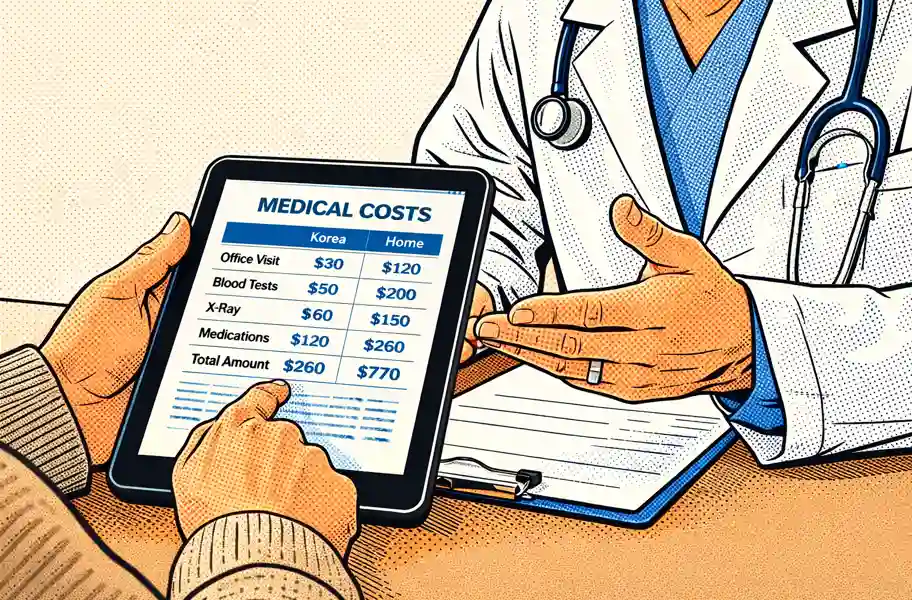
Affordable Medical Tourism in Korea continues to attract international patients seeking high-quality healthcare at significantly lower costs than those found in the United States, Canada, Australia, and many European countries. Korea combines advanced medical technology, internationally trained specialists, short waiting times, and comprehensive foreign patient support, making it one of the world’s most competitive medical tourism destinations in 2026.
Key Insights:
- Affordable Medical Tourism in Korea: ~30%–80% savings compared to many Western countries
- Comprehensive health checkup packages: ~₩300,000–₩3,000,000+
- LASIK and SMILE eye surgery: ~₩1,500,000–₩5,000,000
- Dental implants Korea: ~₩1,000,000–₩3,500,000 per implant
- Cosmetic surgery procedures: ~₩2,000,000–₩20,000,000+
- Dermatology and anti-aging treatments: ~₩100,000–₩5,000,000+
- IVF and fertility consultations: ~₩3,000,000–₩15,000,000+
- Orthopedic and spine treatments: ~₩2,000,000–₩30,000,000+
- Typical medical tourism stay: 3–14 days depending on treatment
- Recovery-focused procedures may require 1–8 weeks in Korea
- International patient services available at many major hospitals
- English, Chinese, Japanese, Russian, Arabic, Mongolian, Vietnamese, and Thai language support available at selected facilities
Why Affordable Medical Tourism in Korea Costs More or Less:
- Hospital reputation and accreditation significantly affect pricing
- Specialist physician experience influences consultation and treatment costs
- Advanced medical technologies increase overall treatment expenses
- Gangnam and central Seoul clinics typically charge premium rates
- Luxury concierge services and private coordinators add additional costs
- Procedure complexity and recovery requirements impact final pricing
- International patient support programs may include translation and transportation services
- Length of hospitalization and follow-up care affect total treatment budgets
Clinical Advantages:
- Internationally recognized medical specialists
- Advanced diagnostic imaging and treatment technologies
- Fast scheduling and minimal waiting times
- Comprehensive preventive health screening programs
- High success rates for cosmetic, dental, dermatology, and vision procedures
- Multilingual patient coordinators and support staff
- Personalized treatment plans tailored to individual medical needs
- Strong emphasis on patient safety and post-treatment follow-up care
Most Popular Medical Tourism Treatments in Korea:
- Cosmetic surgery and plastic surgery
- Dermatology and skin rejuvenation treatments
- LASIK, LASEK, SMILE, and SMILE Pro eye surgery
- Dental implants and full-mouth restoration
- Executive health screening packages
- Orthopedic and spine care
- Fertility evaluations and IVF services
- Korean medicine wellness and anti-aging programs
Cost vs Value Insight:
Affordable Medical Tourism in Korea offers exceptional value because patients often receive world-class medical care, cutting-edge technology, and specialist expertise at substantially lower costs than in many developed countries. While premium hospitals and luxury clinics command higher fees, many international patients find that the combination of medical quality, affordability, convenience, and personalized care delivers superior overall value compared to receiving similar treatment at home in 2026.
Why Is Korea One of the Most Affordable Medical Tourism Destinations in 2026?
Yes, Korea remains one of the most affordable and high-quality medical tourism destinations in the world. International patients can often save 30% to 80% on medical procedures compared to costs in the United States, Canada, Australia, and parts of Western Europe while receiving treatment at internationally accredited hospitals equipped with advanced technology and highly trained specialists.
Affordable medical tourism in Korea is not simply about lower prices. It combines cost-effective healthcare, modern medical facilities, short waiting times, internationally trained physicians, and extensive support services for foreign patients. Whether you are seeking cosmetic surgery, LASIK, dental implants, health screenings, fertility treatment, orthopedic procedures, or dermatology services, Korea offers a compelling balance between quality and affordability.
As global healthcare costs continue to rise, Korea has strengthened its position as a leading destination for patients seeking safe, accessible, and value-driven medical care.
Table of Contents
What Is Medical Tourism?
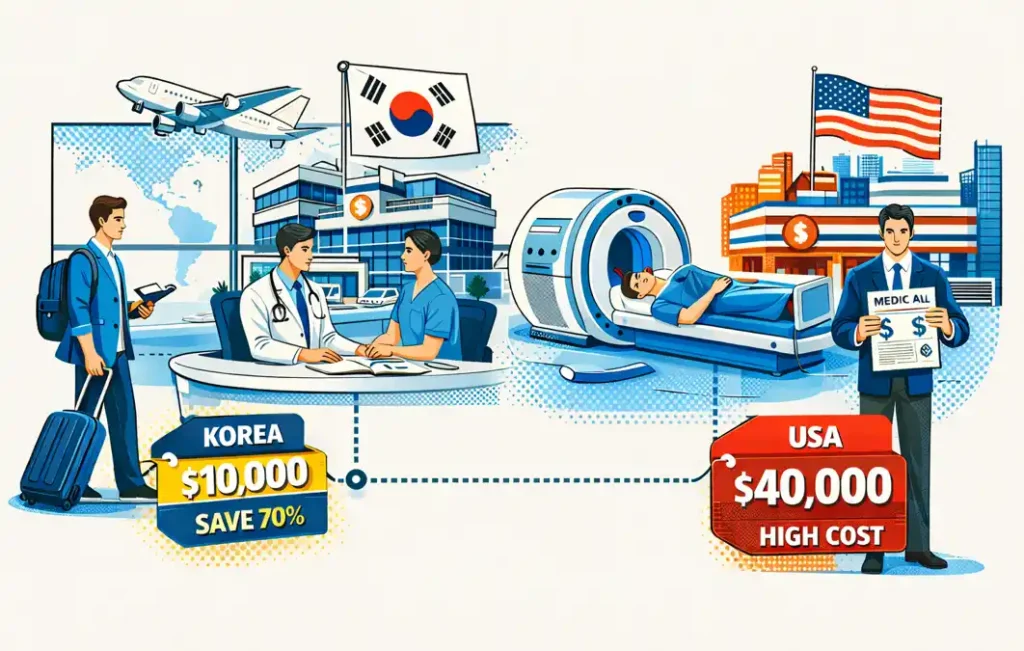
Medical tourism refers to traveling to another country to receive healthcare services. Patients often seek treatment abroad because of:
- Lower treatment costs
- Shorter waiting times
- Access to specialized procedures
- Higher quality healthcare providers
- Advanced medical technology
- Personalized patient care
Korea has become one of Asia’s leading medical tourism destinations due to its combination of affordability, safety, and innovation.
Why International Patients Choose Korea
Several factors contribute to Korea’s growing popularity among international medical travelers.
1. Competitive Medical Costs
Many treatments in Korea cost significantly less than similar procedures in Western countries.
Approximate savings include:
- LASIK and SMILE vision correction: 40–70% lower
- Cosmetic surgery: 30–60% lower
- Dental implants: 40–70% lower
- Health screening packages: 50–80% lower
- Dermatology treatments: 30–70% lower
Lower costs do not necessarily indicate lower quality. Korea’s healthcare system benefits from efficient infrastructure, high patient volume, and advanced technology adoption.
2. World-Class Medical Facilities
Korea is home to numerous internationally recognized hospitals and specialty clinics.
Many hospitals offer:
- Advanced robotic surgery systems
- Digital diagnostic imaging
- Precision laser technologies
- AI-assisted medical diagnostics
- Comprehensive electronic medical records
International patient centers often provide multilingual support services to help visitors navigate consultations, procedures, and follow-up care.
3. Highly Skilled Medical Professionals
Korean physicians undergo extensive education and specialist training.
Many specialists:
- Complete fellowships abroad
- Publish medical research
- Participate in international medical conferences
- Treat large volumes of patients annually
High procedure volumes often contribute to greater technical expertise and refined treatment protocols.
4. Minimal Waiting Times
In many countries, patients may wait months for specialist consultations or elective procedures.
In Korea:
- Consultations are often available within days
- Diagnostic testing can frequently be completed on the same day
- Elective surgeries are typically scheduled quickly
This efficiency is especially attractive to international patients seeking timely treatment.
Most Popular Affordable Medical Treatments in Korea
Cosmetic Surgery
Korea is globally recognized for cosmetic and reconstructive surgery.
Popular procedures include:
- Double eyelid surgery
- Rhinoplasty
- Facelift surgery
- Jaw contouring
- Liposuction
- Breast augmentation
Patients often choose Korea because surgeons perform these procedures regularly and utilize advanced surgical techniques.
Dermatology and Skin Treatments
Korean dermatology clinics attract patients seeking:
- Laser skin resurfacing
- Pigmentation treatment
- Acne scar treatment
- Anti-aging procedures
- Skin tightening treatments
- Injectables and fillers
The combination of technology and affordability makes Korea a major destination for aesthetic dermatology.
Vision Correction Surgery
Korea is a leading destination for:
- LASIK
- LASEK
- SMILE
- SMILE Pro
Advanced laser platforms and experienced ophthalmologists help deliver excellent visual outcomes while maintaining competitive pricing.
Dental Care
Dental tourism continues to grow rapidly.
Common treatments include:
- Dental implants
- Full-mouth restorations
- Crowns and bridges
- Orthodontics
- Cosmetic dentistry
Even after including travel expenses, many patients find substantial savings compared to treatment in their home countries.
Health Checkup Programs
Preventive healthcare is one of Korea’s strongest medical tourism sectors.
Comprehensive screening programs often include:
- Blood testing
- Cancer screening
- Cardiac evaluation
- CT imaging
- MRI scans
- Gastrointestinal endoscopy
Many programs can be completed within a single day.
Fertility and Reproductive Medicine
Some international patients travel to Korea for:
- Fertility evaluations
- IVF consultations
- Reproductive endocrinology services
- Male infertility assessment
Patients are encouraged to verify current regulations and eligibility requirements before planning treatment.
How Much Can Patients Save?
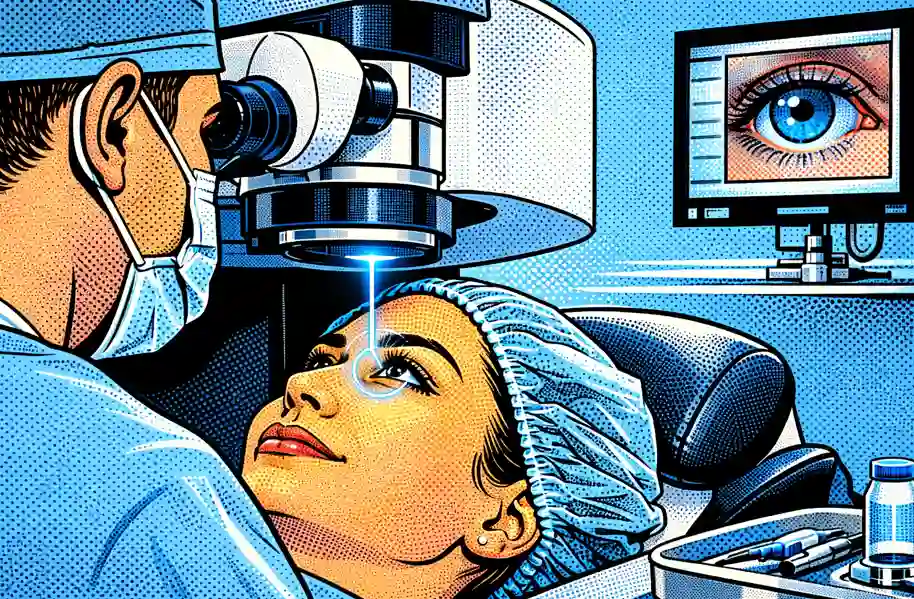
The exact savings vary depending on the procedure and country of origin.
Suggested Visual Aid:
Cost Comparison Chart
| Procedure | USA Average | Korea Average |
|---|---|---|
| LASIK | $4,000–$6,000 | $1,500–$3,000 |
| Dental Implant | $3,000–$5,000 | $1,000–$2,500 |
| Health Checkup | $2,000–$5,000 | $300–$1,500 |
| Rhinoplasty | $8,000–$15,000 | $3,000–$8,000 |
Prices vary by provider, treatment complexity, and individual patient needs.
Is Medical Tourism in Korea Safe?
Safety is one of the most important considerations for international patients.
Korea maintains strict healthcare regulations and quality standards.
Patients can improve safety by:
- Choosing licensed providers
- Verifying physician credentials
- Reviewing treatment plans carefully
- Requesting detailed cost estimates
- Ensuring post-treatment follow-up arrangements
Accreditation, transparency, and communication are key factors when selecting a medical provider.
Step-by-Step Guide to Planning Medical Tourism in Korea
Step 1: Define Your Treatment Goals
Clearly identify:
- Desired procedure
- Expected outcomes
- Recovery requirements
- Budget limitations
Step 2: Research Clinics and Hospitals
Evaluate:
- Physician credentials
- Hospital accreditation
- International patient services
- Procedure experience
- Patient reviews
Step 3: Obtain Medical Consultation
Many providers offer:
- Online consultations
- Medical record reviews
- Preliminary treatment recommendations
This helps determine suitability before travel.
Step 4: Receive a Cost Estimate
Request:
- Treatment fees
- Consultation fees
- Medication costs
- Follow-up costs
- Potential additional expenses
Transparency reduces unexpected financial surprises.
Step 5: Arrange Travel and Accommodation
Many clinics assist with:
- Hotel recommendations
- Airport transportation
- Translation services
- Recovery planning
Step 6: Complete Treatment and Follow-Up
Patients should follow all medical instructions and maintain communication with their healthcare provider after returning home.
Potential Risks and Considerations
While medical tourism offers many benefits, patients should also consider:
- Travel-related stress
- Recovery while abroad
- Language barriers
- Follow-up care requirements
- Insurance coverage limitations
Careful planning helps minimize these risks.
How Korea Compares with Other Medical Tourism Destinations
Compared with countries such as Thailand, Turkey, Singapore, and Mexico, Korea is often chosen for:
- Advanced medical technology
- High specialist expertise
- Strong cosmetic surgery reputation
- Comprehensive health screening programs
- Efficient healthcare infrastructure
Different destinations may offer advantages depending on treatment goals and budget considerations.
Future Trends in Korean Medical Tourism
Several developments are shaping the industry:
- AI-assisted diagnostics
- Personalized medicine
- Regenerative medicine research
- Digital healthcare integration
- Expanded multilingual patient support
These innovations are expected to further enhance patient experiences and treatment outcomes.
FAQ Sections

Why is Affordable Medical Tourism in Korea popular among international patients?
Many international patients choose Korea because it combines affordability, medical expertise, and advanced technology. Korea healthcare for foreigners is well-developed, with multilingual support services and efficient treatment processes that help patients save both time and money.
What treatments are most commonly sought through Affordable Medical Tourism in Korea?
Popular medical treatment in Korea includes aesthetic procedures, dental care, eye surgery, and preventive health screenings. These services are often significantly more affordable than comparable treatments in North America, Europe, and Australia
Is Affordable Medical Tourism in Korea safe?
Patients should verify physician credentials, review treatment plans, and confirm follow-up care arrangements. Korea healthcare for foreigners is supported by many hospitals that provide dedicated international patient departments and multilingual coordinators.
How much can patients save with Affordable Medical Tourism in Korea?
Affordable healthcare Korea offers competitive pricing for procedures such as dental implants, cosmetic surgery, LASIK, and executive health checkups. Even when travel and accommodation costs are included, many patients find substantial overall savings.
How do I plan an Affordable Medical Tourism in Korea trip?
Successful medical treatment in Korea requires careful preparation. Patients should compare clinics, review physician experience, understand recovery timelines, and coordinate accommodation and transportation before arriving in Korea for treatment.
Key Takeaways
Affordable medical tourism in Korea offers international patients a unique combination of cost savings, advanced healthcare technology, experienced specialists, and efficient medical services. Whether seeking cosmetic surgery, dental treatment, vision correction, dermatology procedures, or comprehensive health screenings, patients can often access high-quality care at significantly lower costs than in many Western countries.
Success depends on thorough research, selecting qualified providers, understanding treatment expectations, and planning recovery appropriately. For many international patients in 2026, Korea continues to represent one of the most attractive destinations for affordable, reliable, and patient-centered medical care.
By combining value, safety, innovation, and accessibility, Korea has established itself as a global leader in modern medical tourism.

Korea Med Tour – Trusted Blog for Medical Tourism in Korea
Korea Med Tour is a trusted medical tourism content platform providing accurate, research-based healthcare information for international patients considering treatment in Korea.
Our editorial team specializes in global patient guidance, treatment insights, clinic selection, and medical travel planning. All content is developed using verified medical sources and structured editorial review processes to ensure clarity, safety, and reliability.
We are committed to helping international patients make informed and confident medical travel decisions when choosing Korea as their healthcare destination.