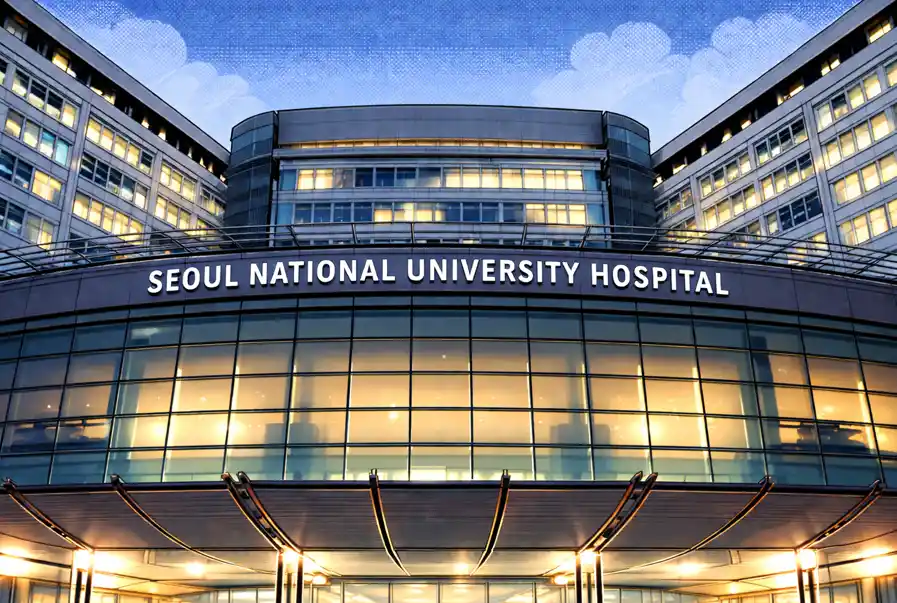
สิ่งที่ทำให้โรงพยาบาลในเกาหลีใต้มีความโดดเด่นคือการผสมผสานระหว่างเทคโนโลยีทางการแพทย์ที่ทันสมัย แพทย์ผู้เชี่ยวชาญเฉพาะด้าน ระบบการดูแลสุขภาพแบบดิจิทัล การวินิจฉัยโรคที่มีประสิทธิภาพ และการดูแลผู้ป่วยอย่างครบวงจร จุดแข็งเหล่านี้ทำให้เกาหลีใต้เป็นหนึ่งในจุดหมายปลายทางชั้นนำของโลกสำหรับการรักษาพยาบาลที่มีคุณภาพสูงและการท่องเที่ยวเชิงการแพทย์ระดับนานาชาติ.
KoreaMedTour.com
สรุปอย่างรวดเร็ว
โรงพยาบาลของเกาหลีใต้ได้รับการยอมรับในระดับโลกในปี 2026 ในด้านการผสมผสานเทคโนโลยีทางการแพทย์ขั้นสูง แพทย์ผู้เชี่ยวชาญเฉพาะทาง ระบบดูแลสุขภาพดิจิทัลที่มีประสิทธิภาพ และการดูแลที่เน้นผู้ป่วยเป็นศูนย์กลาง ทำให้เกาหลีใต้เป็นหนึ่งในจุดหมายปลายทางชั้นนำของโลกสำหรับการดูแลสุขภาพที่มีคุณภาพสูงและการท่องเที่ยวเชิงการแพทย์ระหว่างประเทศ.
ข้อมูลเชิงลึกที่สำคัญ:
- โรงพยาบาลในเกาหลีใต้ได้บูรณาการเทคโนโลยีทางการแพทย์ขั้นสูง การวินิจฉัยโรคด้วยปัญญาประดิษฐ์ การผ่าตัดด้วยหุ่นยนต์ และระบบโรงพยาบาลอัจฉริยะ เพื่อปรับปรุงผลลัพธ์การรักษาผู้ป่วย.
- แพทย์ผู้เชี่ยวชาญเฉพาะทางมักทำงานในศูนย์เฉพาะโรค โดยให้การดูแลผู้เชี่ยวชาญด้านมะเร็ง โรคหัวใจ โรคกระดูกและข้อ โรคตา การรักษาภาวะมีบุตรยาก และโรคซับซ้อนอื่นๆ.
- เดอะ ระบบสาธารณสุขของเกาหลี เน้นการวินิจฉัยที่รวดเร็วและการรักษาที่ประสานงานกัน ทำให้ผู้ป่วยจำนวนมากสามารถเข้ารับการปรึกษา การถ่ายภาพ การตรวจทางห้องปฏิบัติการ และการวางแผนการรักษาได้ภายในไม่กี่วัน.
- โปรแกรมตรวจสุขภาพแบบครบวงจรช่วยตรวจพบโรคได้ตั้งแต่ระยะเริ่มต้น ผ่านการตรวจสุขภาพเชิงป้องกันแบบวันเดียวที่ปรับให้เหมาะสมกับความเสี่ยงด้านสุขภาพของแต่ละบุคคล.
- ทีมดูแลผู้ป่วยแบบสหวิชาชีพทำงานร่วมกันข้ามสาขาเพื่อสร้างแผนการรักษาเฉพาะบุคคลสำหรับภาวะทางการแพทย์ที่ซับซ้อน.
- โรงพยาบาลหลายแห่งในเกาหลีให้ความสำคัญกับวิธีการผ่าตัดแบบแผลเล็ก ซึ่งช่วยลดระยะเวลาการฟื้นตัว ความไม่สบายหลังผ่าตัด และระยะเวลาการพักรักษาตัวในโรงพยาบาล เมื่อเหมาะสมทางการแพทย์.
- ศูนย์บริการผู้ป่วยต่างประเทศโดยเฉพาะ มีบริการผู้ประสานงานที่พูดได้หลายภาษา บริการล่าม ความช่วยเหลือด้านวีซ่า การแปลเวชระเบียน และการประสานงานการรักษาแบบเฉพาะบุคคล.
- โรงพยาบาลในเกาหลีใต้รักษามาตรฐานระดับสูงด้านความปลอดภัยของผู้ป่วย การป้องกันการติดเชื้อ การจัดการคุณภาพ และการปฏิบัติทางคลินิกตามหลักฐานเชิงประจักษ์ ผ่านการรับรองมาตรฐานอย่างเข้มงวดและการปรับปรุงคุณภาพอย่างต่อเนื่อง.
- เกาหลีใต้ยังคงลงทุนในนวัตกรรมทางการแพทย์อย่างต่อเนื่อง รวมถึงการแพทย์แม่นยำ การแพทย์ฟื้นฟู การดูแลสุขภาพด้วยปัญญาประดิษฐ์ จีโนมิกส์ และการวิจัยทางคลินิกขั้นสูง.
- ผู้ป่วยต่างชาติเลือกโรงพยาบาลในเกาหลีเนื่องจากมีการผสมผสานระหว่างความเชี่ยวชาญทางการแพทย์ระดับโลก สิ่งอำนวยความสะดวกที่ทันสมัย การให้บริการด้านการดูแลสุขภาพที่มีประสิทธิภาพ และค่าใช้จ่ายในการรักษาที่แข่งขันได้เมื่อเทียบกับประเทศพัฒนาแล้วอื่นๆ อีกหลายประเทศ.
สารบัญ

อะไรทำให้โรงพยาบาลเกาหลีมีความโดดเด่นไม่เหมือนใคร?
เกาหลีใต้ได้กลายเป็นหนึ่งในจุดหมายปลายทางชั้นนำของโลกสำหรับการดูแลสุขภาพขั้นสูงและการท่องเที่ยวเชิงการแพทย์ระดับนานาชาติ โรงพยาบาลในเกาหลีได้รับการยอมรับในด้านการผสมผสานเทคโนโลยีทางการแพทย์ที่ล้ำสมัย แพทย์ผู้เชี่ยวชาญเฉพาะทาง ระบบการดูแลสุขภาพที่มีประสิทธิภาพ และบริการที่เน้นผู้ป่วยเป็นศูนย์กลาง ซึ่งทำให้แตกต่างจากผู้ให้บริการด้านการดูแลสุขภาพหลายแห่งทั่วโลก.
สำหรับผู้ป่วยต่างชาติ โรงพยาบาลในเกาหลีใต้ไม่ได้มีเพียงแค่สิ่งอำนวยความสะดวกที่ทันสมัยเท่านั้น แต่ยังมีการดูแลแบบบูรณาการ การสนับสนุนหลายภาษา การวินิจฉัยที่รวดเร็ว การรักษาแบบรุกรานน้อยที่สุด และมาตรฐานคุณภาพที่ได้รับการรับรองในระดับสากล ซึ่งช่วยให้ผู้ป่วยได้รับการรักษาอย่างครบวงจรโดยใช้เวลารอคอยสั้นลง จุดแข็งเหล่านี้มีส่วนช่วยให้เกาหลีใต้มีชื่อเสียงเพิ่มขึ้นในด้านต่างๆ เช่น การรักษาโรคมะเร็ง การผ่าตัดด้วยหุ่นยนต์ ศัลยกรรมกระดูกและข้อ จักษุวิทยา ผิวหนัง ศัลยกรรมตกแต่ง การดูแลภาวะมีบุตรยาก และการตรวจสุขภาพเชิงป้องกัน.
คู่มือนี้จะอธิบายถึงสิ่งที่ทำให้โรงพยาบาลในเกาหลีใต้มีความโดดเด่น เปรียบเทียบกับโรงพยาบาลในระดับโลก และเหตุผลที่ผู้ป่วยจากทั่วโลกยังคงเลือกเกาหลีใต้สำหรับการรักษาพยาบาลที่ซับซ้อน.
ทำไมโรงพยาบาลในเกาหลีถึงแตกต่างจากที่อื่น?
มีหลายปัจจัยที่ทำให้โรงพยาบาลของเกาหลีแตกต่างจากระบบการดูแลสุขภาพในประเทศอื่นๆ หลายประเทศ.
ซึ่งรวมถึง:
- เทคโนโลยีทางการแพทย์ขั้นสูง
- แพทย์ผู้เชี่ยวชาญเฉพาะทางขั้นสูง
- โครงสร้างพื้นฐานโรงพยาบาลดิจิทัล
- การดูแลสุขภาพเชิงป้องกันอย่างครอบคลุม
- การวินิจฉัยและการรักษาที่รวดเร็ว
- บริการผู้ป่วยระหว่างประเทศ
- มาตรฐานการควบคุมคุณภาพและความปลอดภัยที่เข้มงวด
- การลงทุนอย่างต่อเนื่องในด้านนวัตกรรมทางการแพทย์
แทนที่จะพึ่งพาข้อได้เปรียบเพียงอย่างเดียว ระบบการดูแลสุขภาพของเกาหลีได้บูรณาการจุดแข็งเหล่านี้เข้าด้วยกันเป็นระบบที่ประสานงานกันอย่างมีประสิทธิภาพ.
1. เทคโนโลยีทางการแพทย์ขั้นสูงในหลากหลายสาขา
โรงพยาบาลในเกาหลีใต้ลงทุนอย่างมากในอุปกรณ์ทางการแพทย์ที่ทันสมัยและโครงสร้างพื้นฐานด้านการดูแลสุขภาพดิจิทัล.
โรงพยาบาลระดับตติยภูมิหลายแห่งใช้:
- การถ่ายภาพ MRI และ CT ความละเอียดสูง
- การตรวจ PET-CT เพื่อวินิจฉัยโรคมะเร็ง
- ระบบผ่าตัดด้วยหุ่นยนต์
- ซอฟต์แวร์วินิจฉัยโรคที่ใช้ปัญญาประดิษฐ์ช่วย
- การรักษาด้วยรังสีที่มีความแม่นยำสูง
- พยาธิวิทยาดิจิทัล
- ห้องผ่าตัดอัจฉริยะ
- ระบบห้องปฏิบัติการอัตโนมัติ
เทคโนโลยีเหล่านี้ช่วยให้แพทย์วินิจฉัยโรคได้เร็วขึ้น พร้อมทั้งเพิ่มความแม่นยำในการรักษาและลดภาวะแทรกซ้อน.
ตัวอย่างเชิงปฏิบัติ
ผู้ป่วยที่เป็นมะเร็งตับระยะเริ่มต้นอาจได้รับการรักษาดังต่อไปนี้:
- การถ่ายภาพขั้นสูง
- การทบทวนโดยผู้เชี่ยวชาญหลายสาขา
- การผ่าตัดด้วยหุ่นยนต์
- การวิเคราะห์พยาธิวิทยาที่แม่นยำ
- การติดตามผลแบบเฉพาะบุคคล
แทนที่จะนัดหมายแยกกันเป็นระยะเวลาหลายเดือน โรงพยาบาลหลายแห่งในเกาหลีประสานงานบริการเหล่านี้ให้เสร็จภายในไม่กี่วัน.
2. แพทย์ผู้เชี่ยวชาญเฉพาะทางขั้นสูง
แพทย์ชาวเกาหลีมักได้รับการฝึกอบรมเฉพาะทางและเฉพาะทางย่อยอย่างกว้างขวาง.
โดยทั่วไป โรงพยาบาลมหาวิทยาลัยขนาดใหญ่จะจัดระบบการดูแลรักษาผ่านศูนย์เฉพาะโรคมากกว่าแผนกทั่วไป.
ตัวอย่างเช่น:
- ศูนย์มะเร็งเต้านม
- ศูนย์กระดูกสันหลัง
- คลินิกลิ้นหัวใจ
- ศูนย์มะเร็งต่อมไทรอยด์
- โครงการปลูกถ่ายตับ
- ศูนย์ศัลยกรรมตาขั้นสูง
แนวทางการรักษาที่มุ่งเน้นเฉพาะโรคนี้ ช่วยให้แพทย์สามารถจัดการกับกรณีที่คล้ายคลึงกันจำนวนมาก ซึ่งช่วยรักษาความเชี่ยวชาญทางคลินิกและความสม่ำเสมอของขั้นตอนการรักษา.
3. การให้บริการด้านการดูแลสุขภาพอย่างมีประสิทธิภาพ
หนึ่งในความแตกต่างที่เห็นได้ชัดที่สุดสำหรับผู้ป่วยต่างชาติคือ ประสิทธิภาพในการให้บริการ.
แม้ว่าการจัดตารางเวลาจะแตกต่างกันไปตามความเชี่ยวชาญและสภาพของผู้ป่วย แต่โรงพยาบาลหลายแห่งสามารถทำการประเมินหลายอย่างให้เสร็จสิ้นได้ภายในระยะเวลาอันสั้น.
แนวทางการดูแลรักษาทั่วไปอาจรวมถึง:
- การปรึกษาผู้เชี่ยวชาญ
- การทดสอบในห้องปฏิบัติการ
- การถ่ายภาพขั้นสูง
- การอภิปรายเกี่ยวกับการวินิจฉัย
- การวางแผนการรักษา
มักเกิดขึ้นในระหว่างการเยี่ยมชมครั้งเดียวกันหรือภายในไม่กี่วัน.
กระบวนการทำงานที่ประสานงานกันนี้ช่วยลดความล่าช้าที่มักเกิดขึ้นในระบบการดูแลสุขภาพที่กระจัดกระจาย.
4. โครงการตรวจสุขภาพแบบครบวงจร
การแพทย์เชิงป้องกันเป็นจุดแข็งที่สำคัญของระบบสาธารณสุขเกาหลี.
โรงพยาบาลหลายแห่งมีศูนย์ส่งเสริมสุขภาพโดยเฉพาะ ซึ่งให้บริการตรวจสุขภาพอย่างครบวงจรเพื่อตรวจหาโรคก่อนที่อาการจะปรากฏ.
แพ็กเกจตรวจสุขภาพอาจประกอบด้วย:
- การวิเคราะห์เลือด
- การตรวจคัดกรองมะเร็ง
- การส่องกล้อง
- การส่องกล้องลำไส้ใหญ่
- การตรวจ CT ในปริมาณรังสีต่ำ
- การประเมินหัวใจ
- อัลตราซาวนด์
- การตรวจวัดความหนาแน่นของกระดูก
- การตรวจตา
- การประเมินการได้ยิน
ผู้ป่วยส่วนใหญ่สามารถเข้ารับการประเมินอย่างละเอียดได้ภายในวันเดียว.
โปรแกรมเหล่านี้ได้รับความนิยมเป็นพิเศษในหมู่นักท่องเที่ยวต่างชาติที่ต้องการตรวจสุขภาพเพื่อบริหารร่างกาย.
5. โรงพยาบาลดิจิทัลช่วยยกระดับประสบการณ์ของผู้ป่วย
เกาหลีใต้เป็นหนึ่งในประเทศที่มีการเชื่อมต่อทางดิจิทัลมากที่สุดในโลก และโรงพยาบาลต่างๆ ได้นำเทคโนโลยีดิจิทัลมาใช้กันอย่างแพร่หลาย.
โรงพยาบาลหลายแห่งใช้:
- เวชระเบียนอิเล็กทรอนิกส์ (EMR)
- คลังภาพดิจิทัล
- ระบบนัดหมายออนไลน์
- การลงทะเบียนผ่านมือถือ
- ใบสั่งยาอิเล็กทรอนิกส์
- การสนับสนุนเวิร์กโฟลว์ที่ขับเคลื่อนด้วย AI
- ระบบร้านขายยาอัตโนมัติ
เทคโนโลยีเหล่านี้ช่วยเพิ่มประสิทธิภาพพร้อมทั้งลดข้อผิดพลาดด้านการบริหารจัดการ.
สำหรับผู้ป่วยต่างชาติ การประสานงานผ่านระบบดิจิทัลยังช่วยให้การสื่อสารระหว่างแผนกต่างๆ ง่ายขึ้นอีกด้วย.
6. การดูแลรักษาโดยทีมสหวิชาชีพ
โรคที่ซับซ้อนมักต้องอาศัยความร่วมมือจากผู้เชี่ยวชาญหลายสาขา.
โรงพยาบาลในเกาหลีมักจัดการประชุมแบบสหวิชาชีพโดยมีผู้เชี่ยวชาญจากแผนกต่างๆ เข้าร่วมเป็นประจำ.
ตัวอย่างเช่น ผู้ป่วยที่เป็นมะเร็งลำไส้ใหญ่และทวารหนักอาจได้รับการประเมินแบบบูรณาการจาก:
- แพทย์ผู้เชี่ยวชาญด้านระบบทางเดินอาหาร
- ศัลยแพทย์ลำไส้ใหญ่และทวารหนัก
- แพทย์ผู้เชี่ยวชาญด้านมะเร็งวิทยา
- แพทย์ผู้เชี่ยวชาญด้านรังสีรักษา
- รังสีแพทย์
- นักพยาธิวิทยา
- ผู้เชี่ยวชาญด้านโภชนาการ
แทนที่จะได้รับความเห็นที่แยกจากกัน ผู้ป่วยจะได้รับประโยชน์จากกลยุทธ์การรักษาแบบบูรณาการ.
7. เน้นการรักษาแบบรุกรานน้อยที่สุดอย่างจริงจัง
โรงพยาบาลหลายแห่งในเกาหลีให้ความสำคัญกับการผ่าตัดเล็กเมื่อใดก็ตามที่เหมาะสมทางการแพทย์.
ตัวอย่างเช่น:
- การผ่าตัดผ่านกล้อง
- การผ่าตัดด้วยหุ่นยนต์
- การตรวจด้วยกล้องเอนโดสโคป
- การแทรกแซงหัวใจและหลอดเลือดโดยใช้สายสวน
- การผ่าตัดกระดูกและข้อด้วยกล้องส่องข้อ
ประโยชน์ที่อาจได้รับ ได้แก่:
- แผลผ่าตัดขนาดเล็กกว่า
- อาการปวดหลังผ่าตัดน้อยลง
- ลดการเสียเลือด
- ฟื้นตัวเร็วขึ้น
- ระยะเวลาการนอนโรงพยาบาลสั้นลง
- กลับสู่กิจกรรมปกติได้เร็วกว่ากำหนด
การเลือกวิธีการรักษาขึ้นอยู่กับสภาพทางการแพทย์ของผู้ป่วยแต่ละรายเสมอ.
8. ศูนย์ผู้ป่วยนานาชาติ
โรงพยาบาลขนาดใหญ่ในเกาหลีได้พัฒนาแผนกดูแลสุขภาพระหว่างประเทศโดยเฉพาะ.
หน่วยงานเหล่านี้มักให้บริการดังต่อไปนี้:
- ผู้ประสานงานทางการแพทย์
- ล่ามมืออาชีพ
- การช่วยเหลือด้านวีซ่า
- การนัดหมาย
- การประสานงานด้านการขนส่งสนามบิน
- การแปลเวชระเบียน
- คำแนะนำด้านประกันภัย
- การสนับสนุนติดตามผลในต่างประเทศ
บริการเหล่านี้ช่วยลดอุปสรรคในการสื่อสารตลอดกระบวนการรักษา.
9. มาตรฐานระดับสูงด้านการควบคุมการติดเชื้อและความปลอดภัยของผู้ป่วย
ความปลอดภัยของผู้ป่วยเป็นสิ่งสำคัญลำดับต้นๆ ในสถาบันทางการแพทย์ของเกาหลี.
โรงพยาบาลมีระบบที่ครอบคลุมสำหรับ:
- การฆ่าเชื้อ
- รายการตรวจสอบความปลอดภัยในการผ่าตัด
- การเฝ้าระวังการติดเชื้อ
- ความปลอดภัยในการใช้ยา
- การปรับปรุงคุณภาพ
- การตรวจสอบทางคลินิก
สถาบันหลายแห่งเข้าร่วมโครงการรับรองมาตรฐานระดับชาติและการประเมินคุณภาพ ในขณะที่บางแห่งยังได้รับการรับรองมาตรฐานด้านการดูแลสุขภาพในระดับนานาชาติอีกด้วย.
มาตรการเหล่านี้สนับสนุนการดูแลรักษาทางคลินิกที่เป็นมาตรฐานและการปรับปรุงคุณภาพอย่างต่อเนื่อง.
10. การวิจัยและนวัตกรรมทางการแพทย์อย่างต่อเนื่อง
โรงพยาบาลชั้นนำของเกาหลีมีความสัมพันธ์ใกล้ชิดกับมหาวิทยาลัยและสถาบันวิจัยชั้นนำต่างๆ.
พวกเขามีส่วนร่วมอย่างแข็งขันในกิจกรรมต่างๆ ดังนี้:
- การทดลองทางคลินิก
- การวิจัยเวชศาสตร์ฟื้นฟู
- การพัฒนาปัญญาประดิษฐ์
- มะเร็งวิทยาแบบแม่นยำ
- การวิจัยเซลล์ต้นกำเนิด
- เวชศาสตร์จีโนมิกส์
- หุ่นยนต์ทางการแพทย์
สภาพแวดล้อมการวิจัยนี้ช่วยให้ผู้ป่วยที่มีคุณสมบัติเหมาะสมได้รับประโยชน์จากการบำบัดรักษาที่กำลังพัฒนาและความก้าวหน้าในการรักษาโดยอิงตามหลักฐานเชิงประจักษ์.

สาขาทางการแพทย์ที่โรงพยาบาลเกาหลีมีความโดดเด่น
ผู้ป่วยต่างชาติส่วนใหญ่เดินทางมารับการรักษาในเกาหลีด้วยเหตุผลดังต่อไปนี้:
| ความเชี่ยวชาญทางการแพทย์ | เหตุผลที่ผู้ป่วยเลือกเกาหลี |
|---|---|
| การรักษามะเร็ง | การดูแลแบบสหวิชาชีพที่ครอบคลุมและเทคโนโลยีขั้นสูง |
| ศัลยกรรมตกแต่ง | ศัลยแพทย์ผู้เชี่ยวชาญที่มีประสบการณ์ด้านการผ่าตัดอย่างกว้างขวาง |
| โรคผิวหนัง | เทคโนโลยีเลเซอร์ที่ทันสมัยและการรักษาผิวเฉพาะบุคคล |
| ศัลยกรรมกระดูกและข้อ | การผ่าตัดเปลี่ยนข้อขั้นสูงและเวชศาสตร์การกีฬา |
| การผ่าตัดกระดูกสันหลัง | เทคนิคการผ่าตัดแผลเล็กและระบบนำทาง |
| จักษุวิทยา | LASIK, SMILE, การผ่าตัดต้อกระจก และการผ่าตัดจอประสาทตา |
| การรักษาภาวะมีบุตรยาก | ห้องปฏิบัติการ IVF ขั้นสูงและความเชี่ยวชาญด้านเวชศาสตร์การเจริญพันธุ์ |
| ทันตกรรม | การวางแผนการฝังรากเทียมและการบูรณะฟันแบบดิจิทัล |
| การตรวจสุขภาพ | โครงการตรวจคัดกรองเชิงป้องกันแบบครบวงจร |
| โรคหัวใจ | การแทรกแซงโดยใช้สายสวนและการถ่ายภาพหัวใจสมัยใหม่ |
เหตุผลที่ผู้ป่วยต่างชาติเลือกมารักษาตัวที่เกาหลี
ผู้ป่วยเดินทางไปเกาหลีใต้ด้วยเหตุผลต่างๆ กัน.
แรงจูงใจทั่วไป ได้แก่:
- การเข้าถึงผู้เชี่ยวชาญระดับสูง
- สิ่งอำนวยความสะดวกในโรงพยาบาลที่ทันสมัย
- การวินิจฉัยอย่างครอบคลุม
- การจัดตารางเวลาอย่างมีประสิทธิภาพ
- การดูแลรักษาทางการผ่าตัดที่มีคุณภาพสูง
- การวางแผนการรักษาอย่างโปร่งใส
- บริการผู้ป่วยระหว่างประเทศ
- ค่าใช้จ่ายในการรักษาพยาบาลที่แข่งขันได้เมื่อเทียบกับประเทศที่มีรายได้สูงบางประเทศ
การตัดสินใจของผู้ป่วยแต่ละรายขึ้นอยู่กับสภาพทางการแพทย์ ข้อจำกัดด้านการเงิน และเป้าหมายการรักษา.
ผู้ป่วยควรพิจารณาอะไรบ้างก่อนเลือกโรงพยาบาลในเกาหลี?
แม้ว่าโรงพยาบาลในเกาหลีจะมีข้อดีหลายประการ แต่ผู้ป่วยควรเตรียมตัวอย่างรอบคอบก่อนเดินทาง.
สิ่งสำคัญที่ควรพิจารณา ได้แก่:
- ตรวจสอบให้แน่ใจว่าแพทย์มีความเชี่ยวชาญในอาการของคุณ.
- ขอรับการตรวจสุขภาพเบื้องต้น.
- เตรียมประวัติทางการแพทย์ก่อนหน้านี้ให้พร้อม.
- ตรวจสอบค่าใช้จ่ายในการรักษาโดยประมาณ.
- ทำความเข้าใจข้อกำหนดด้านที่พักอาศัย.
- ตรวจสอบข้อกำหนดเกี่ยวกับวีซ่า.
- จัดเตรียมการดูแลติดตามผลหลังกลับบ้าน.
- หากมีรายละเอียดเกี่ยวกับความคุ้มครองประกันภัย โปรดปรึกษาหารือเพิ่มเติม.
การวางแผนอย่างเหมาะสมช่วยให้การดูแลรักษาต่อเนื่องได้ดียิ่งขึ้น ทั้งก่อน ระหว่าง และหลังการรักษา.
ส่วนคำถามที่พบบ่อย

อะไรที่ทำให้โรงพยาบาลในเกาหลีมีความโดดเด่นแตกต่างจากโรงพยาบาลในประเทศอื่นๆ?
สิ่งที่ทำให้โรงพยาบาลเกาหลีมีความโดดเด่นคือการผสมผสานระหว่างเทคโนโลยีทางการแพทย์ที่ทันสมัย แพทย์ผู้เชี่ยวชาญเฉพาะด้าน ระบบดูแลสุขภาพดิจิทัลแบบบูรณาการ และการดูแลผู้ป่วยที่มีประสิทธิภาพ ระบบการดูแลสุขภาพของเกาหลียังให้ความสำคัญกับเวชศาสตร์ป้องกัน การรักษาแบบสหวิทยาการ และบริการเฉพาะบุคคลสำหรับผู้ป่วยทั้งในและต่างประเทศ.
เหตุใดการท่องเที่ยวเชิงการแพทย์ของเกาหลีจึงได้รับความนิยมมากขึ้น?
การท่องเที่ยวเชิงการแพทย์ของเกาหลี จำนวนผู้ป่วยต่างชาติยังคงเพิ่มขึ้นอย่างต่อเนื่อง เนื่องจากผู้ป่วยสามารถเข้าถึงโรงพยาบาลที่ทันสมัยในเกาหลีได้ มีระยะเวลารอคอยที่สั้นลง มีแพทย์ผู้เชี่ยวชาญที่มีประสบการณ์ระดับนานาชาติ และมีโปรแกรมการรักษาที่ครอบคลุม นอกจากนี้ โรงพยาบาลหลายแห่งยังมีผู้ประสานงานที่พูดได้หลายภาษา ช่วยเหลือผู้ป่วยต่างชาติในการดำเนินการทุกขั้นตอนของการรักษาพยาบาล.
โรงพยาบาลในเกาหลีใต้มีอุปกรณ์ทางการแพทย์ที่ทันสมัยครบครันหรือไม่?
ใช่แล้ว โรงพยาบาลชั้นนำในเกาหลีใช้หุ่นยนต์ช่วยผ่าตัด การวินิจฉัยโรคด้วย AI การถ่ายภาพที่แม่นยำ พยาธิวิทยาเชิงดิจิทัล ระบบผ่าตัดแบบแผลเล็ก และเทคโนโลยีโรงพยาบาลอัจฉริยะ นวัตกรรมเหล่านี้ช่วยเพิ่มความแม่นยำในการวินิจฉัย ผลการรักษา และประสบการณ์โดยรวมของผู้ป่วย.
โรงพยาบาลในเกาหลีมีความเชี่ยวชาญด้านการแพทย์สาขาใดมากที่สุด?
ระบบสาธารณสุขของเกาหลีได้รับการยอมรับในระดับสากลถึงความเป็นเลิศในการรักษาโรคมะเร็ง ศัลยกรรมตกแต่ง โรคผิวหนัง จักษุวิทยา ศัลยกรรมกระดูกและข้อ การรักษาภาวะมีบุตรยาก การดูแลหัวใจและหลอดเลือด และการตรวจสุขภาพเชิงป้องกัน ความเชี่ยวชาญเหล่านี้ดึงดูดผู้ป่วยจากต่างประเทศหลายพันคนผ่านการท่องเที่ยวเชิงการแพทย์ในเกาหลีทุกปี.
เกาหลีใต้เป็นจุดหมายปลายทางที่ดีสำหรับการรักษาพยาบาลจากต่างประเทศหรือไม่?
ใช่แล้ว ผู้ป่วยเลือกเกาหลีใต้เพราะสิ่งที่ทำให้โรงพยาบาลเกาหลีมีความโดดเด่นคือความสามารถในการให้บริการทางการแพทย์ที่มีคุณภาพสูงโดยผู้เชี่ยวชาญที่มีประสบการณ์ เทคโนโลยีที่ทันสมัย การวางแผนการรักษาที่โปร่งใส และบริการผู้ป่วยต่างชาติโดยเฉพาะ ข้อดีเหล่านี้ทำให้โรงพยาบาลชั้นนำในเกาหลีเป็นจุดหมายปลายทางที่ได้รับความไว้วางใจจากนักเดินทางเพื่อรับการรักษาจากทั่วโลก.
บทสรุปสุดท้าย
โรงพยาบาลในเกาหลีใต้ได้รับการยอมรับในระดับสากลจากการผสมผสานเทคโนโลยีทางการแพทย์ขั้นสูง ความเชี่ยวชาญเฉพาะด้าน การประสานงานดูแลที่มีประสิทธิภาพ และบริการที่เน้นผู้ป่วยเป็นศูนย์กลาง ภายในระบบการดูแลสุขภาพที่มีการจัดการอย่างเป็นระบบ การให้ความสำคัญกับเวชศาสตร์ป้องกัน นวัตกรรมดิจิทัล การวางแผนการรักษาแบบสหสาขาวิชาชีพ และการวิจัยทางคลินิกอย่างต่อเนื่อง ทำให้โรงพยาบาลเหล่านี้เป็นที่ดึงดูดใจทั้งผู้ป่วยในประเทศและต่างประเทศ.
แม้ว่าระบบการดูแลสุขภาพจะไม่เหมือนกันทุกสถาบัน แต่โรงพยาบาลชั้นนำหลายแห่งในเกาหลีใต้แสดงให้เห็นถึงความมุ่งมั่นอย่างต่อเนื่องในการพัฒนาคุณภาพ การแพทย์ที่อิงหลักฐาน และความปลอดภัยของผู้ป่วย สำหรับผู้ที่กำลังพิจารณารับการรักษาในต่างประเทศ การทำความเข้าใจจุดแข็งเหล่านี้ และการเลือกโรงพยาบาลที่มีความเชี่ยวชาญเหมาะสมกับอาการป่วยเฉพาะของตน จะช่วยสนับสนุนการตัดสินใจทางการแพทย์อย่างรอบด้านและปรับปรุงประสบการณ์การรักษาโดยรวมให้ดียิ่งขึ้น.
เอกสารอ้างอิง
- องค์การอนามัยโลก (WHO). ระบบสาธารณสุขและการเข้าถึงบริการสุขภาพถ้วนหน้า.
- องค์การเพื่อความร่วมมือทางเศรษฐกิจและการพัฒนา (OECD). ภาพรวมด้านสุขภาพประจำปี 2025.
- สถาบันพัฒนาอุตสาหกรรมสุขภาพแห่งเกาหลี (KHIDI). บริการทางการแพทย์สำหรับผู้ป่วยชาวเกาหลีและผู้ป่วยต่างประเทศ.
- กระทรวงสาธารณสุขและสวัสดิการของเกาหลีใต้. นโยบายด้านการดูแลสุขภาพและบริการทางการแพทย์ระหว่างประเทศ.
- คณะกรรมการร่วมระหว่างประเทศ (JCI). มาตรฐานการรับรองคุณภาพสถานพยาบาลระดับนานาชาติ.
- สำนักงานความร่วมมือด้านการดูแลสุขภาพตามหลักฐานเชิงประจักษ์แห่งชาติ (NECA) สาธารณรัฐเกาหลี.

Korea Med Tour – บล็อกที่น่าเชื่อถือสำหรับการท่องเที่ยวเชิงการแพทย์ในเกาหลี
Korea Med Tour เป็นแพลตฟอร์มเนื้อหาการท่องเที่ยวเชิงการแพทย์ที่เชื่อถือได้ ให้ข้อมูลด้านการดูแลสุขภาพที่ถูกต้องและอิงการวิจัยสำหรับผู้ป่วยต่างชาติที่กำลังพิจารณาการรักษาในเกาหลี.
ทีมบรรณาธิการของเราเชี่ยวชาญในการให้คำแนะนำผู้ป่วยทั่วโลก, ข้อมูลเชิงลึกเกี่ยวกับการรักษา, การเลือกคลินิก, และการวางแผนการเดินทางทางการแพทย์. ทุกเนื้อหาได้รับการพัฒนาโดยใช้แหล่งข้อมูลทางการแพทย์ที่ได้รับการตรวจสอบแล้ว และกระบวนการตรวจสอบทางบรรณาธิการที่มีโครงสร้างเพื่อให้แน่ใจว่ามีความชัดเจน, ปลอดภัย, และน่าเชื่อถือ.
เรามุ่งมั่นที่จะช่วยเหลือผู้ป่วยต่างชาติให้สามารถตัดสินใจเกี่ยวกับการเดินทางเพื่อรับการรักษาพยาบาลได้อย่างมีข้อมูลและมั่นใจ เมื่อเลือกเกาหลีเป็นจุดหมายปลายทางด้านการดูแลสุขภาพของพวกเขา.