


Korea became a global medical tourism hub by combining advanced healthcare technology, highly trained specialists, government support, and competitive treatment costs. International patients choose South Korea for cosmetic surgery, cancer treatment, health screenings, fertility care, and personalized medical services delivered through world-class hospitals.
KoreaMedTour.com
Quick Summary
South Korea became a global medical tourism hub by combining advanced healthcare technology, internationally recognized medical specialists, government support, and patient-focused services. Today, it attracts patients worldwide seeking high-quality medical care, shorter waiting times, and competitive treatment costs.
Key Insights:
- Advanced Healthcare Infrastructure: World-class hospitals equipped with AI diagnostics, robotic surgery, and precision medicine technologies
- Expert Medical Specialists: Highly trained physicians with extensive clinical experience and international recognition
- Government Support: Medical visa programs, international patient services, and strategic healthcare investments
- Comprehensive Medical Services: Cosmetic surgery, cancer treatment, fertility care, orthopedics, and executive health screenings
- Global Patient Experience: Multilingual support, streamlined care coordination, and personalized treatment pathways
- Competitive Value: Premium-quality healthcare often available at lower costs than many Western countries
South Korea’s medical tourism success is driven by continuous innovation, strict healthcare standards, and a strong commitment to delivering safe, efficient, and patient-centered care. Treatment costs, outcomes, and patient experiences may vary depending on the hospital, physician expertise, and individual medical needs.
Table of Contents

What Is Medical Tourism?
Medical tourism refers to traveling to another country to receive medical treatment, healthcare services, or wellness care.
Common reasons patients seek treatment abroad include:
- Access to advanced medical technology
- Lower treatment costs
- Shorter waiting times
- Specialized expertise
- Privacy and confidentiality
- Comprehensive health screening programs
- Cosmetic and reconstructive procedures
South Korea has successfully addressed all of these factors, making it an attractive destination for patients from North America, Europe, the Middle East, Southeast Asia, and neighboring Asian countries.
Why Did Korea Become a Medical Tourism Leader?
The rise of Korea’s healthcare tourism sector can be attributed to five major drivers:
1. World-Class Medical Infrastructure
South Korea possesses one of the most technologically advanced healthcare systems in the world.
Major tertiary hospitals are equipped with:
- Robotic surgical systems
- Advanced MRI and CT imaging
- Proton therapy centers
- AI-assisted diagnostics
- Precision medicine platforms
- Smart hospital technologies
Many Korean hospitals operate similarly to leading medical centers in the United States, Japan, and Europe while maintaining significantly lower treatment costs.
Patients often find that diagnostic testing, consultations, and treatment planning can be completed much faster than in their home countries.
2. Highly Trained Medical Professionals
Korean physicians undergo extensive education and rigorous specialist training.
Many leading specialists have:
- International fellowships
- Research experience abroad
- Publications in peer-reviewed journals
- Participation in global clinical trials
Korean healthcare professionals are particularly recognized in:
- Plastic surgery
- Dermatology
- Oncology
- Orthopedics
- Fertility medicine
- Organ transplantation
- Spine surgery
- Ophthalmology
This concentration of expertise has significantly enhanced Korea’s international medical reputation.
3. Government Support and Strategic Investment
One of the key reasons behind Korea’s success is strong government involvement.
Beginning in the late 2000s, policymakers recognized medical tourism as a strategic growth industry.
Government initiatives included:
- Simplified medical visa programs
- International patient support centers
- Global healthcare marketing campaigns
- Accreditation systems
- Hospital internationalization projects
- Foreign language service development
These initiatives helped create a healthcare ecosystem designed specifically for overseas patients.
4. Competitive Costs Without Sacrificing Quality
Cost remains an important consideration for many international patients.
While South Korea is generally more expensive than some medical tourism destinations, it often provides significantly lower costs than the United States, Canada, Australia, and parts of Western Europe.
Examples commonly include:
| Treatment | Typical Cost Advantage Compared to US |
|---|---|
| Health Screening | 50–80% lower |
| Cosmetic Surgery | 40–70% lower |
| Spine Surgery | 30–60% lower |
| Dental Implants | 40–70% lower |
| Fertility Treatment | 20–50% lower |
Patients frequently report receiving high-end care at a fraction of the cost they would incur in their home healthcare systems.
5. Korea’s Global Cultural Influence
The global popularity of Korean culture has indirectly strengthened medical tourism.
The international expansion of:
- K-pop
- Korean dramas
- Korean beauty products
- Korean fashion
- Korean wellness trends
has increased trust and familiarity with Korean healthcare providers.
Many patients first become interested in Korea through entertainment or beauty industries before exploring medical services.
This phenomenon has been particularly influential in cosmetic surgery and dermatology tourism.
Which Medical Services Attract International Patients?
Cosmetic Surgery
South Korea is often regarded as one of the world’s leading destinations for aesthetic medicine.
Popular procedures include:
- Double eyelid surgery
- Rhinoplasty
- Facial contouring
- Breast augmentation
- Body contouring
- Anti-aging treatments
The country’s high procedural volume allows surgeons to develop extensive experience and specialization.
Dermatology and Skin Care
Advanced dermatological treatments are among the most requested services by international visitors.
Popular treatments include:
- Laser therapy
- Acne treatment
- Pigmentation correction
- Skin rejuvenation
- Scar management
- Hair restoration
Korean dermatology clinics frequently integrate advanced laser technologies with personalized skincare protocols.
Cancer Treatment
Korea has invested heavily in oncology care.
International patients seek:
- Precision cancer medicine
- Proton therapy
- Targeted therapies
- Immunotherapy
- Comprehensive cancer screening
Major cancer centers provide multidisciplinary treatment planning involving surgeons, oncologists, radiologists, and supportive care teams.
Fertility and Reproductive Medicine
Korea’s fertility clinics are increasingly attracting patients facing infertility challenges.
Services include:
- IVF (In Vitro Fertilization)
- Egg freezing
- Embryo preservation
- Fertility assessments
- Reproductive endocrinology consultation
Advanced laboratory standards and experienced specialists contribute to strong international demand.
Comprehensive Health Screening Programs
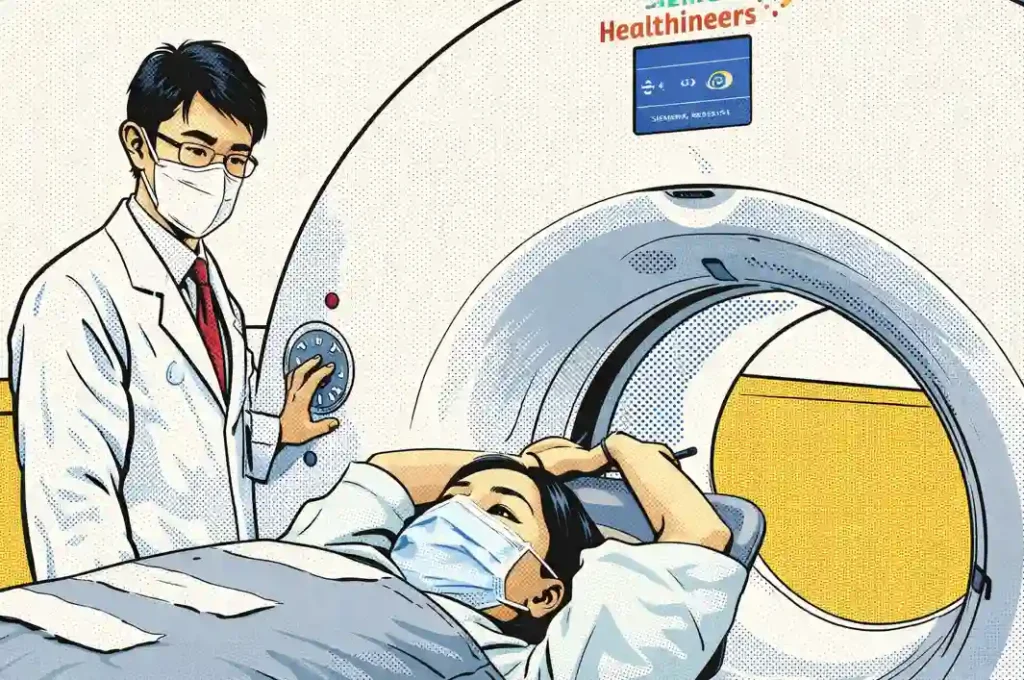
One area where Korea has become exceptionally competitive is preventive healthcare.
Executive health screening packages often include:
- Blood testing
- Cancer screening
- Cardiac evaluation
- Gastrointestinal endoscopy
- CT and MRI imaging
- Genetic risk assessments
Many assessments can be completed within one or two days, providing patients with rapid and detailed health evaluations.
How Korean Hospitals Improved the International Patient Experience
Medical excellence alone is insufficient to attract international patients.
Korean healthcare providers have invested heavily in patient experience improvements.
These include:
Multilingual Services
Hospitals commonly offer:
- English interpreters
- Chinese interpreters
- Japanese interpreters
- Russian interpreters
- Arabic interpreters
This reduces communication barriers and improves patient confidence.
International Patient Centers
Dedicated international departments assist with:
- Appointment scheduling
- Visa support
- Airport transfers
- Hotel arrangements
- Medical documentation
- Follow-up care
Digital Healthcare Systems
Many hospitals use:
- Electronic medical records
- Telemedicine consultations
- Online appointment systems
- AI-assisted patient navigation
These technologies streamline the healthcare journey for overseas visitors.
Challenges Korea Faced While Building Its Medical Tourism Industry
The growth of Korean medical tourism was not without obstacles.
Key challenges included:
Language Barriers
Historically, communication difficulties limited international expansion.
Hospitals addressed this through professional interpreter programs and multilingual staffing.
International Competition
Korea competes against established medical tourism destinations such as:
- Thailand
- Singapore
- India
- Turkey
- Malaysia
To differentiate itself, Korea emphasized advanced technology, safety standards, and specialized expertise.
Regulatory and Ethical Considerations
Healthcare authorities continue to balance:
- Patient safety
- Ethical advertising
- Treatment quality
- Medical transparency
- Data protection
Maintaining trust remains critical for long-term industry growth.
The Future of Korea’s Medical Tourism Industry
Several emerging trends are expected to shape the next phase of growth.
AI-Powered Healthcare
Artificial intelligence is increasingly being used for:
- Diagnostic support
- Imaging analysis
- Personalized treatment planning
- Predictive health monitoring
Precision Medicine
Advances in genomics and biomarker analysis are enabling more individualized treatments.
This is particularly important in oncology, chronic disease management, and preventive medicine.
Digital Health and Telemedicine
Pre-treatment consultations and post-treatment follow-up care are becoming more accessible through virtual platforms.
This helps international patients maintain continuity of care after returning home.
Wellness and Preventive Medicine
Demand is increasing for integrated healthcare experiences that combine:
- Medical checkups
- Nutrition counseling
- Mental wellness
- Longevity medicine
- Preventive health programs
Korea is well positioned to expand in this area due to its strong healthcare infrastructure and technology ecosystem.
FAQ Section

Why do people travel to Korea for medical treatment?
Patients choose Korea because of its advanced healthcare technology, highly trained physicians, competitive costs, short waiting times, and comprehensive patient support services.
Is healthcare in Korea safe for international patients?
Yes. South Korea maintains high healthcare standards, modern hospital infrastructure, strict infection control protocols, and internationally recognized specialists.
What medical procedures is Korea best known for?
South Korea is particularly recognized for cosmetic surgery, dermatology, cancer treatment, fertility medicine, orthopedic procedures, and executive health screenings.
Is Korean medical care cheaper than treatment in the United States?
In many cases, yes. International patients often find significant cost savings while still receiving high-quality care and advanced medical services.
Final Takeaway
South Korea’s emergence as a global medical tourism hub represents the successful convergence of healthcare excellence, technological innovation, government support, and patient-centered service design. Through sustained investment in medical infrastructure, specialist training, digital healthcare systems, and international patient programs, Korea has built one of the world’s most respected healthcare destinations.
As healthcare becomes increasingly globalized and patients seek greater access to specialized, efficient, and cost-effective treatment options, Korea is expected to remain at the forefront of medical tourism. Its combination of advanced medicine, trusted clinical expertise, cultural appeal, and continuous innovation positions the country as a leading destination for international patients well into the future.

Korea Med Tour – Trusted Blog for Medical Tourism in Korea
Korea Med Tour is a trusted medical tourism content platform providing accurate, research-based healthcare information for international patients considering treatment in Korea.
Our editorial team specializes in global patient guidance, treatment insights, clinic selection, and medical travel planning. All content is developed using verified medical sources and structured editorial review processes to ensure clarity, safety, and reliability.
We are committed to helping international patients make informed and confident medical travel decisions when choosing Korea as their healthcare destination.