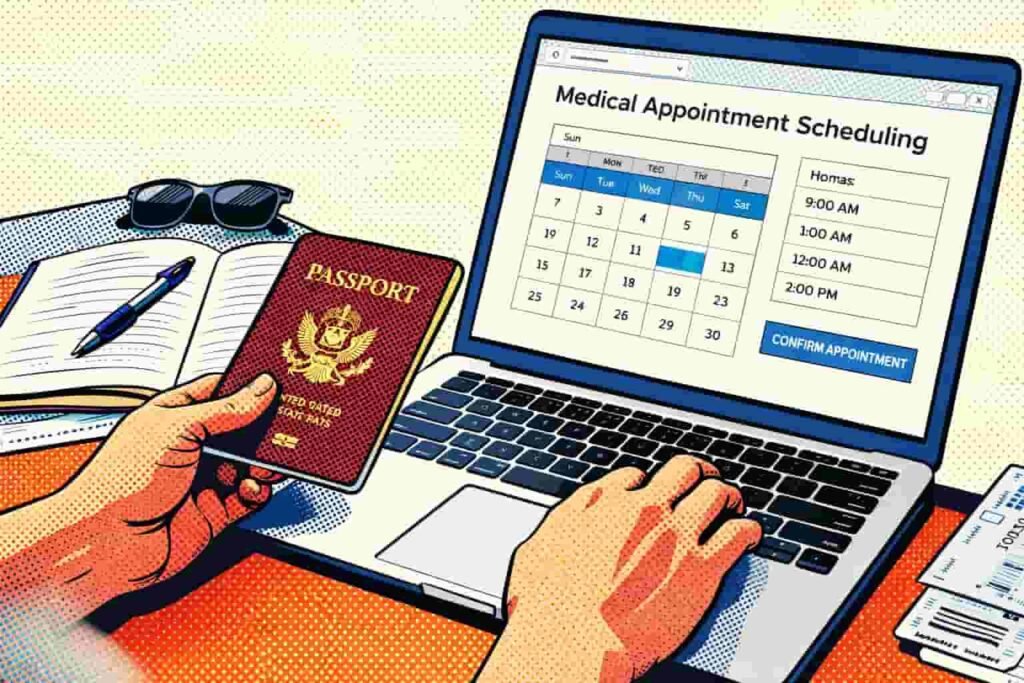


Medical tourism agencies in Korea help international patients access world-class healthcare by coordinating hospital selection, medical consultations, treatment scheduling, translation services, travel arrangements, and post-treatment support. These agencies simplify the medical travel process and improve patient experience while receiving treatment in South Korea.
KoreaMedTour.com
Quick Summary
Medical Tourism Agencies in Korea help international patients access South Korea’s world-class healthcare system by coordinating medical consultations, hospital selection, treatment planning, travel logistics, and post-treatment support. These agencies simplify the healthcare journey and provide personalized assistance for patients seeking safe, efficient, and high-quality medical care in Korea.
Key Advantages:
- Personalized hospital and specialist matching based on medical needs
- Multilingual patient coordinators and professional interpretation services
- Assistance with medical records, treatment planning, and cost estimates
- Airport transfers, accommodation arrangements, and travel support
- Access to internationally recognized hospitals and advanced medical technologies
- Ongoing follow-up care and telemedicine support after returning home
Common Use Cases:
Cosmetic surgery, dermatology treatments, comprehensive health screenings, cancer care, orthopedic and spine procedures, fertility treatments, ophthalmology services, second medical opinions, surgery planning, rehabilitation programs, and medical tourism services for international patients visiting Korea.
Table of Contents
Medical Tourism Agencies in Korea: What Are They and Why Are They Important?
Medical tourism agencies in Korea help international patients plan, coordinate, and manage their healthcare journey in South Korea. These specialized organizations act as a bridge between overseas patients and Korean hospitals, assisting with everything from hospital selection and appointment scheduling to interpretation, transportation, accommodation, and post-treatment follow-up.
As South Korea continues to strengthen its position as one of Asia’s leading healthcare destinations, medical tourism agencies have become an essential part of the patient experience. They help simplify complex healthcare systems, reduce language barriers, and ensure patients receive appropriate medical care tailored to their needs.
For many international visitors, working with a reputable medical tourism agency can significantly improve treatment outcomes, reduce stress, and enhance overall satisfaction throughout the medical travel process.
Why South Korea Has Become a Global Medical Tourism Destination
South Korea has emerged as one of the world’s most sought-after destinations for international healthcare due to several factors:
Advanced Medical Technology
Korean hospitals are recognized for their investment in cutting-edge medical technologies, including:
- Robotic surgery systems
- AI-assisted diagnostics
- Advanced imaging technologies
- Precision cancer treatments
- Minimally invasive surgical techniques
Many tertiary hospitals maintain international accreditation and follow globally recognized healthcare standards.
Highly Skilled Medical Specialists
South Korea has a strong reputation for specialist-driven healthcare. Physicians often undergo extensive subspecialty training and regularly participate in international research and clinical collaborations.
Areas of excellence include:
- Cosmetic and plastic surgery
- Dermatology
- Oncology
- Orthopedics
- Spine surgery
- Ophthalmology
- Fertility treatment
- Health screening programs
Competitive Treatment Costs
Compared with healthcare costs in the United States, Canada, Australia, and parts of Europe, many medical procedures in Korea remain competitively priced while maintaining high-quality standards.
Patients often seek treatment in Korea to access:
- Faster appointment availability
- Reduced waiting times
- Advanced treatment options
- Cost-effective healthcare solutions
What Does a Medical Tourism Agency in Korea Do?
A medical tourism agency functions as a healthcare concierge for international patients.
Their services generally include:
1. Hospital and Doctor Matching
One of the most important responsibilities is identifying the most suitable hospital and specialist based on:
- Medical condition
- Treatment goals
- Budget
- Nationality
- Language preferences
- Recovery requirements
Rather than contacting multiple hospitals independently, patients receive expert guidance through a single point of contact.
2. Medical Record Review
Most agencies assist patients in gathering and translating:
- Medical reports
- Imaging scans
- Laboratory results
- Previous treatment history
These documents are then submitted to Korean hospitals for evaluation before travel.
3. Treatment Planning
Agencies help create personalized treatment itineraries that may include:
- Consultation appointments
- Diagnostic tests
- Surgical procedures
- Recovery schedules
- Follow-up visits
This planning minimizes delays after arrival.
4. Language Interpretation Services
Language remains one of the biggest challenges for international patients.
Professional agencies provide:
- Medical interpreters
- Multilingual coordinators
- Translation of medical records
- Assistance during consultations
Common supported languages include:
- English
- Chinese
- Japanese
- Russian
- Arabic
- Vietnamese
- Thai
5. Travel and Accommodation Support
Many agencies coordinate:
- Airport transfers
- Hotel reservations
- Local transportation
- Recovery accommodations
- Family travel arrangements
This integrated support is especially valuable for patients undergoing surgery or long-term treatment.
6. Post-Treatment Follow-Up
Quality agencies continue supporting patients after they return home.
Services may include:
- Telemedicine consultations
- Medical report delivery
- Ongoing communication with physicians
- Recovery monitoring
Popular Medical Treatments Sought by International Patients in Korea
Cosmetic and Plastic Surgery
South Korea is widely recognized for aesthetic medicine and cosmetic surgery.
Popular procedures include:
- Rhinoplasty
- Eyelid surgery
- Facial contouring
- Breast surgery
- Liposuction
- Facelift procedures
Patients often choose Korea because of surgeon specialization and extensive procedural experience.
Dermatology and Skin Treatments
Korea’s dermatology sector attracts patients seeking:
- Laser treatments
- Acne treatment
- Pigmentation management
- Anti-aging procedures
- Skin rejuvenation
Comprehensive Health Checkups
Preventive healthcare programs are among the fastest-growing segments of Korean medical tourism.
Executive health screenings commonly include:
- Cancer screening
- Cardiovascular assessment
- Gastrointestinal evaluation
- Advanced imaging scans
- Genetic testing
Cancer Treatment
Several Korean hospitals offer advanced oncology services including:
- Proton therapy
- Targeted therapy
- Immunotherapy
- Precision medicine programs
International patients often seek second opinions and specialized treatment plans.
Orthopedic and Spine Care
Patients with musculoskeletal conditions frequently travel to Korea for:
- Joint replacement surgery
- Sports injury treatment
- Minimally invasive spine surgery
- Rehabilitation programs
Benefits of Using a Medical Tourism Agency
Reduced Complexity
Navigating a foreign healthcare system can be overwhelming. Agencies streamline communication and coordination.
Better Treatment Matching
Experienced coordinators understand hospital strengths and physician expertise, helping patients identify appropriate providers.
Improved Patient Experience
From arrival to recovery, agencies help eliminate logistical challenges that can negatively impact treatment journeys.
Enhanced Safety
Professional medical tourism agencies can assist patients in:
- Understanding treatment risks
- Reviewing hospital credentials
- Verifying specialist qualifications
- Receiving transparent treatment information
Risks and Challenges to Consider
Although medical tourism offers many benefits, patients should evaluate potential risks carefully.
Choosing an Unqualified Agency
Not all agencies maintain the same standards.
Patients should verify:
- Business registration
- Healthcare partnerships
- Industry experience
- Transparency of fees
- Patient testimonials
Unrealistic Marketing Claims
Be cautious of agencies that guarantee:
- Specific medical outcomes
- Zero-risk procedures
- “Best doctor” claims without evidence
Ethical medical providers should discuss both benefits and risks.
Communication Issues
Poor communication can result in:
- Misunderstood treatment expectations
- Scheduling problems
- Incomplete medical histories
Agencies should provide qualified interpreters and clear documentation.
How to Choose the Right Medical Tourism Agency in Korea
Evaluate Hospital Partnerships
Look for agencies that work with established hospitals rather than relying on a single clinic.
A broader network generally indicates greater flexibility in matching patients with suitable specialists.
Review International Patient Experience
Consider:
- Number of international patients served
- Supported languages
- Case management process
- Response times
Ask About Transparency
A trustworthy agency should clearly explain:
- Treatment costs
- Agency fees
- Cancellation policies
- Follow-up services
Hidden fees should raise concerns.
Check Patient Support Services
Comprehensive agencies often provide:
- Dedicated coordinators
- Airport pickup
- Accommodation assistance
- Emergency support
- Post-treatment communication
Typical Medical Tourism Process in Korea
Step 1: Initial Inquiry
Patients contact the agency and describe their healthcare needs.
Step 2: Medical Record Submission
Relevant medical documents are collected and reviewed.
Step 3: Hospital Consultation
Partner hospitals assess the case and provide recommendations.
Step 4: Treatment Proposal
Patients receive a treatment plan, estimated costs, and timeline.
Step 5: Travel Arrangements
Flights, accommodations, and appointments are coordinated.
Step 6: Treatment in Korea
The patient receives consultations, procedures, or surgery.
Step 7: Recovery and Follow-Up
Recovery is monitored before and after returning home.
Future Trends in Korean Medical Tourism (2026 and Beyond)

Several trends are reshaping the industry:
AI-Powered Patient Coordination
Artificial intelligence is increasingly being used to:
- Match patients with specialists
- Translate medical documents
- Improve appointment scheduling
- Support patient communication
Telemedicine Integration
Virtual consultations are helping patients:
- Receive pre-arrival evaluations
- Obtain second opinions
- Continue follow-up care remotely
Personalized Medicine
Genomics, precision diagnostics, and individualized treatment planning are becoming more common in leading Korean healthcare institutions.
Growth of Wellness and Preventive Healthcare
Many international visitors now combine medical treatment with:
- Health screenings
- Wellness programs
- Rehabilitation services
- Long-term preventive care
FAQ Section

What do Medical Tourism Agencies in Korea do?
Medical Tourism Agencies in Korea assist international patients with hospital selection, treatment planning, appointment scheduling, medical translation, travel arrangements, and post-treatment support. These Korea medical tourism services help patients receive quality healthcare while reducing language and logistical barriers.
How do I choose the best Medical Tourism Agencies in Korea?
When selecting Medical Tourism Agencies in Korea, evaluate their hospital partnerships, international patient experience, transparency in pricing, multilingual support, and patient reviews. A reputable medical travel agency Korea should provide personalized guidance throughout the treatment journey.
Are Medical Tourism Agencies in Korea worth using?
Yes. Medical Tourism Agencies in Korea can save time, improve communication with healthcare providers, and help patients access the most suitable specialists. Many international patient services Korea programs are specifically designed to support overseas visitors before, during, and after treatment.
Which medical treatments are most popular through Medical Tourism Agencies in Korea?
Medical Tourism Agencies in Korea commonly assist patients seeking cosmetic surgery, dermatology treatments, cancer care, orthopedic procedures, fertility treatment, eye surgery, and executive health screenings. Korea medical tourism services are recognized globally for their advanced technology and specialist expertise.
Can Medical Tourism Agencies in Korea help after treatment?
Yes. Many Medical Tourism Agencies in Korea provide follow-up care coordination, telemedicine consultations, medical record support, and communication with hospitals after patients return home. These international patient services Korea programs help ensure continuity of care and long-term treatment success.
Final Takeaway
Medical tourism agencies in Korea play a critical role in connecting international patients with world-class healthcare services. By coordinating hospital selection, medical consultations, travel logistics, interpretation, and follow-up care, these agencies make healthcare access significantly easier for overseas visitors.
As South Korea continues to advance in fields such as cosmetic surgery, oncology, dermatology, orthopedics, and preventive medicine, the demand for experienced medical tourism facilitators is expected to grow. Patients who carefully select a reputable agency can benefit from a more efficient, transparent, and supportive healthcare journey while accessing some of Asia’s most advanced medical services.

Korea Med Tour – Trusted Blog for Medical Tourism in Korea
Korea Med Tour is a trusted medical tourism content platform providing accurate, research-based healthcare information for international patients considering treatment in Korea.
Our editorial team specializes in global patient guidance, treatment insights, clinic selection, and medical travel planning. All content is developed using verified medical sources and structured editorial review processes to ensure clarity, safety, and reliability.
We are committed to helping international patients make informed and confident medical travel decisions when choosing Korea as their healthcare destination.