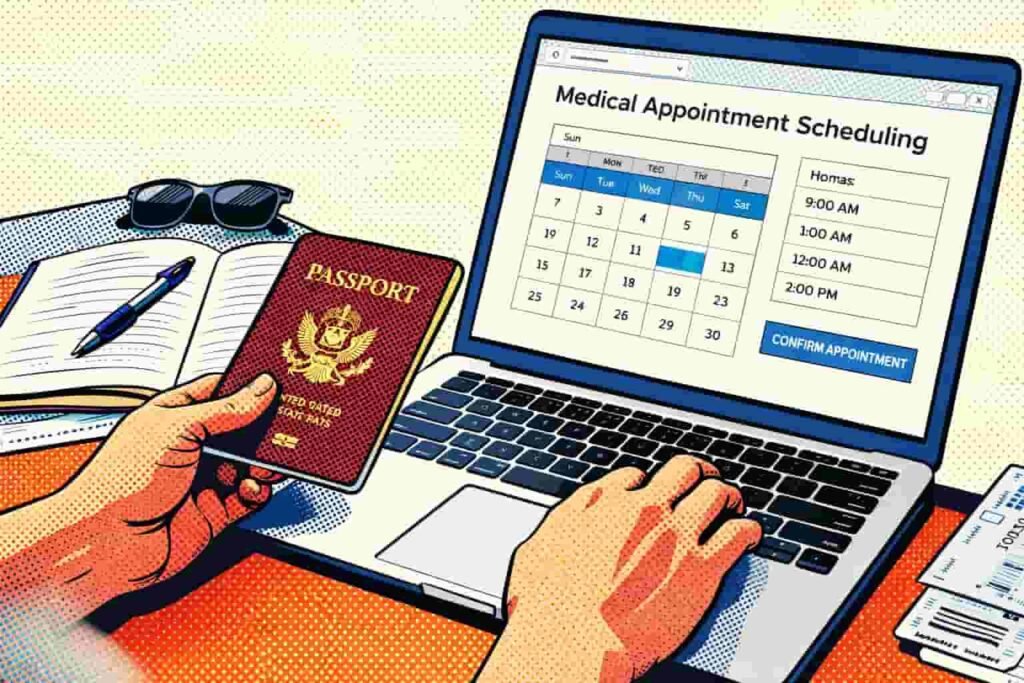


International Patient Centers in Korean hospitals are dedicated departments that help overseas patients access medical care through multilingual communication, appointment coordination, medical record translation, visa documentation support, billing guidance, and post-treatment follow-up. These services improve patient safety, convenience, and continuity of care throughout the medical journey.
KoreaMedTour.com
Quick Summary
International Patient Centers in Korean Hospitals provide dedicated support services that help overseas patients navigate every stage of receiving medical care in South Korea. Acting as a central coordination hub, these specialized departments assist with multilingual communication, appointment scheduling, medical record translation, treatment planning, billing guidance, visa documentation, and post-treatment follow-up. Their goal is to make healthcare in Korea more accessible, efficient, and patient-centered while improving communication between international patients and medical professionals.
Key Advantages:
- Personalized coordination from the initial inquiry through recovery and follow-up
- Multilingual interpretation and professional medical record translation
- Faster appointment scheduling with appropriate specialists and multidisciplinary teams
- Assistance with treatment planning, estimated medical costs, and payment guidance
- Support with medical visa documentation and pre-arrival preparation
- Coordination of accommodation, transportation, and other travel-related services where available
- Better communication between patients, physicians, nurses, and hospital staff
- Post-treatment follow-up through secure online communication and teleconsultation when available
- Improved continuity of care and a smoother overall medical tourism experience in South Korea
Common Use Cases:
International health check-ups, cancer treatment, cosmetic and plastic surgery, dermatology procedures, orthopedic and spine surgery, fertility treatment (IVF), dental implants, ophthalmology procedures including SMILE LASIK and cataract surgery, cardiovascular care, rehabilitation services, chronic disease management, regenerative medicine, pediatric care, second medical opinions, and comprehensive medical tourism services for international patients seeking advanced healthcare in Korean hospitals.
Table of Contents

International Patient Centers in Korean Hospitals
International Patient Centers are specialized departments within Korean hospitals that provide comprehensive support for overseas patients before, during, and after medical treatment. These centers help international visitors overcome language, cultural, administrative, and logistical barriers by coordinating medical appointments, professional interpretation, medical record translation, payment assistance, visa documentation, airport transfers, accommodation recommendations, and post-treatment follow-up.
As South Korea continues to strengthen its position as one of Asia’s leading medical tourism destinations, International Patient Centers have become an essential part of delivering safe, efficient, and patient-centered healthcare. Rather than acting as travel agencies, these departments function as dedicated healthcare coordinators, ensuring that international patients receive accurate medical information and seamless communication throughout their treatment journey.
What Is an International Patient Center?
An International Patient Center (IPC) is a dedicated hospital department that manages healthcare services specifically for foreign patients. It serves as the central point of contact from the patient’s first inquiry until long after returning home.
Unlike a standard hospital reception desk, an International Patient Center coordinates multiple hospital departments, physicians, interpreters, administrative teams, and overseas communication channels to simplify complex medical processes.
Its primary goals include:
- Eliminating language barriers
- Improving patient safety through accurate communication
- Coordinating multidisciplinary care
- Assisting with international insurance documentation
- Supporting overseas follow-up care
- Enhancing the overall patient experience
For many international patients, the International Patient Center becomes their primary hospital contact throughout treatment.
Why Do Korean Hospitals Have International Patient Centers?
South Korea attracts patients seeking advanced medical care, competitive pricing, highly specialized physicians, and modern hospital facilities.
However, receiving treatment in another country involves challenges such as:
- Language differences
- Different healthcare systems
- Medical terminology
- Appointment scheduling
- Payment procedures
- Visa documentation
- Travel coordination
International Patient Centers were established to reduce these barriers while maintaining high standards of patient safety and communication.
These centers are particularly valuable because they help prevent misunderstandings that could affect diagnosis, informed consent, treatment planning, or post-operative recovery.
Services Typically Offered by International Patient Centers
Although services vary between hospitals, most major Korean hospitals provide comprehensive support.
1. Medical Appointment Coordination
International coordinators arrange consultations with appropriate specialists based on:
- Medical history
- Uploaded imaging
- Laboratory results
- Referral letters
- Previous treatments
This helps patients avoid unnecessary consultations after arriving in Korea.
2. Multilingual Medical Interpretation
Professional medical interpreters assist throughout:
- Outpatient consultations
- Hospital admission
- Surgery discussions
- Informed consent
- Nursing communication
- Discharge education
Many hospitals support languages including:
- English
- Chinese
- Japanese
- Russian
- Vietnamese
- Mongolian
- Arabic
- Thai
Some hospitals also provide remote interpretation for less common languages.
3. Medical Record Translation
Patients frequently need assistance translating:
- MRI reports
- CT scans
- Blood test results
- Operative notes
- Pathology reports
- Discharge summaries
Professional translation reduces the risk of misunderstanding complex medical terminology.
4. Treatment Planning Before Arrival
Many hospitals now review medical documents online before travel.
This may include:
- Preliminary physician review
- Estimated treatment schedule
- Expected hospital stay
- Required diagnostic testing
- Cost estimates
- Recovery timeline
This allows patients to prepare more effectively before international travel.
5. Visa Support Documentation
Hospitals commonly provide documentation that may support medical visa applications, including:
- Appointment confirmation
- Invitation letters
- Medical necessity statements
- Treatment schedules
Patients should always verify current immigration requirements with the relevant Korean embassy or consulate.
6. Cost Estimates and Billing Support
International Patient Centers often explain:
- Expected treatment costs
- Deposit requirements
- Accepted payment methods
- Insurance documentation
- Receipts for reimbursement
Transparent communication helps patients make informed financial decisions before treatment begins.
7. Accommodation and Transportation Assistance
Many centers help patients arrange:
- Airport pickup information
- Hotel recommendations
- Long-term accommodation
- Nearby pharmacies
- Transportation guidance
- Local navigation
While these services vary, they significantly reduce travel-related stress.
8. Follow-Up Care After Returning Home
Modern International Patient Centers increasingly support digital follow-up through:
- Video consultations
- Email communication
- Secure patient portals
- Review of follow-up imaging
- Medication guidance
- Recovery monitoring
Telemedicine availability depends on applicable regulations and each hospital’s policies.
Which Medical Specialties Commonly Use International Patient Centers?
International Patient Centers coordinate care across many specialties.
Common examples include:
| Medical Specialty | Typical International Services |
|---|---|
| Health Check-ups | Executive screening programs |
| Oncology | Multidisciplinary cancer treatment |
| Orthopedics | Joint replacement and sports injuries |
| Plastic Surgery | Cosmetic and reconstructive procedures |
| Dermatology | Laser treatments and skin care |
| Ophthalmology | Vision correction and cataract surgery |
| Cardiology | Cardiac evaluations and interventions |
| Neurosurgery | Spine and brain surgery |
| Gastroenterology | Endoscopy and digestive disorders |
| Fertility Medicine | IVF consultations and treatment coordination |
How the International Patient Journey Works
Most Korean hospitals follow a structured workflow.
Step 1
Patient submits:
- Medical history
- Imaging
- Laboratory reports
- Passport information
- Inquiry form
↓
Step 2
International coordinator reviews documentation.
↓
Step 3
Specialist evaluates records.
↓
Step 4
Hospital prepares:
- Treatment recommendations
- Estimated costs
- Proposed schedule
↓
Step 5
Patient travels to Korea.
↓
Step 6
Medical treatment begins.
↓
Step 7
Discharge planning.
↓
Step 8
Remote follow-up after returning home.
This coordinated process minimizes delays and improves continuity of care.
Benefits for International Patients

An experienced International Patient Center can improve both convenience and clinical coordination.
Potential benefits include:
- Faster appointment scheduling
- Better communication with healthcare providers
- Reduced administrative burden
- Greater understanding of treatment plans
- More efficient coordination among specialists
- Easier access to translated medical documentation
- Improved continuity of care after returning home
These services are especially valuable for patients undergoing complex treatments involving multiple departments.
Common Challenges Without an International Patient Center
Patients traveling independently may encounter difficulties such as:
- Scheduling multiple specialist appointments
- Understanding informed consent documents
- Translating medical terminology
- Coordinating diagnostic testing
- Navigating insurance paperwork
- Communicating medication instructions
Dedicated international coordinators help reduce these risks.
Real-World Example
A patient from Southeast Asia travels to Korea for orthopedic surgery after a sports injury.
Before departure, the International Patient Center reviews MRI scans and previous medical records. An orthopedic surgeon evaluates the case remotely and recommends additional imaging upon arrival. The center prepares an estimated treatment schedule, provides documents to support the patient’s visa application, and arranges interpretation during consultations.
Following surgery, discharge instructions and rehabilitation guidance are translated into the patient’s preferred language. Once the patient returns home, follow-up imaging is shared securely with the Korean medical team, allowing recovery to be monitored remotely when appropriate.
This coordinated approach helps reduce communication barriers and supports continuity of care throughout the treatment process.
Choosing a Korean Hospital with a Strong International Patient Center
Patients should consider several factors when evaluating hospitals.
Dedicated International Department
Look for hospitals with an established team specifically responsible for overseas patients.
Multilingual Staff
Professional medical interpreters are preferable to informal translation methods.
Digital Communication
Hospitals offering secure online consultations and document exchange may improve pre-arrival planning.
Transparent Cost Information
Clear explanations of estimated expenses help patients make informed decisions.
Multidisciplinary Care
Large tertiary hospitals often coordinate specialists more efficiently for complex conditions.
Post-Treatment Follow-Up
Long-term communication after returning home supports recovery and ongoing care.
Future Trends in International Patient Centers (2026)
International healthcare continues to evolve with new technologies and patient expectations.
Key developments include:
- AI-assisted multilingual communication
- Secure digital medical record exchange
- Virtual pre-treatment consultations
- Personalized care coordination
- Remote recovery monitoring
- Integrated patient portals
- Cross-border continuity of care
- Data-driven appointment optimization
These innovations are improving efficiency while maintaining physician oversight and patient safety.
FAQ Section

What are International Patient Centers in Korean hospitals?
International Patient Centers in Korean hospitals are specialized departments that assist overseas patients with appointment scheduling, multilingual interpretation, medical record translation, billing support, visa documentation, and follow-up care. These Korean hospital international services help make medical treatment in South Korea more accessible and convenient for foreign patients.
What services do Korean hospital International Patient Centers provide?
Most International Patient Centers in Korean hospitals offer medical appointment coordination, interpreter services, treatment planning, document translation, insurance guidance, cost estimates, airport assistance, and post-treatment communication. These foreign patient support Korea services improve patient safety while simplifying the healthcare journey.
Do all Korean hospitals have International Patient Centers?
Not every hospital operates a dedicated International Patient Center, but many major university hospitals and leading private medical centers offer comprehensive Korean hospital international services for patients traveling from abroad. Available languages and support services vary by hospital.
Can International Patient Centers help before I travel to Korea?
Yes. Most International Patient Centers in Korean hospitals review medical records before arrival, connect patients with appropriate specialists, prepare treatment schedules, estimate medical costs, and provide documents that may support medical visa applications. These medical tourism Korea services help patients plan their treatment with greater confidence.
Why are International Patient Centers important for medical tourism in Korea?
International Patient Centers in Korean hospitals improve communication, reduce language barriers, coordinate medical care, and support patients throughout every stage of treatment. Their professional foreign patient support Korea services contribute to a safer, more efficient, and patient-centered experience for international visitors seeking healthcare in South Korea.
Final Takeaway
International Patient Centers have become an essential component of modern healthcare delivery in South Korea. By combining multilingual communication, coordinated medical planning, administrative assistance, and post-treatment support, these specialized departments help international patients navigate complex healthcare systems with greater confidence and efficiency.
Whether seeking preventive health screening, advanced surgery, cancer treatment, dermatology, fertility care, or rehabilitation, patients benefit from a centralized team that coordinates every stage of the medical journey. As digital health technologies continue to advance through 2026, International Patient Centers are expected to play an even greater role in improving accessibility, communication, and continuity of care for patients traveling from around the world.

Korea Med Tour – Trusted Blog for Medical Tourism in Korea
Korea Med Tour is a trusted medical tourism content platform providing accurate, research-based healthcare information for international patients considering treatment in Korea.
Our editorial team specializes in global patient guidance, treatment insights, clinic selection, and medical travel planning. All content is developed using verified medical sources and structured editorial review processes to ensure clarity, safety, and reliability.
We are committed to helping international patients make informed and confident medical travel decisions when choosing Korea as their healthcare destination.