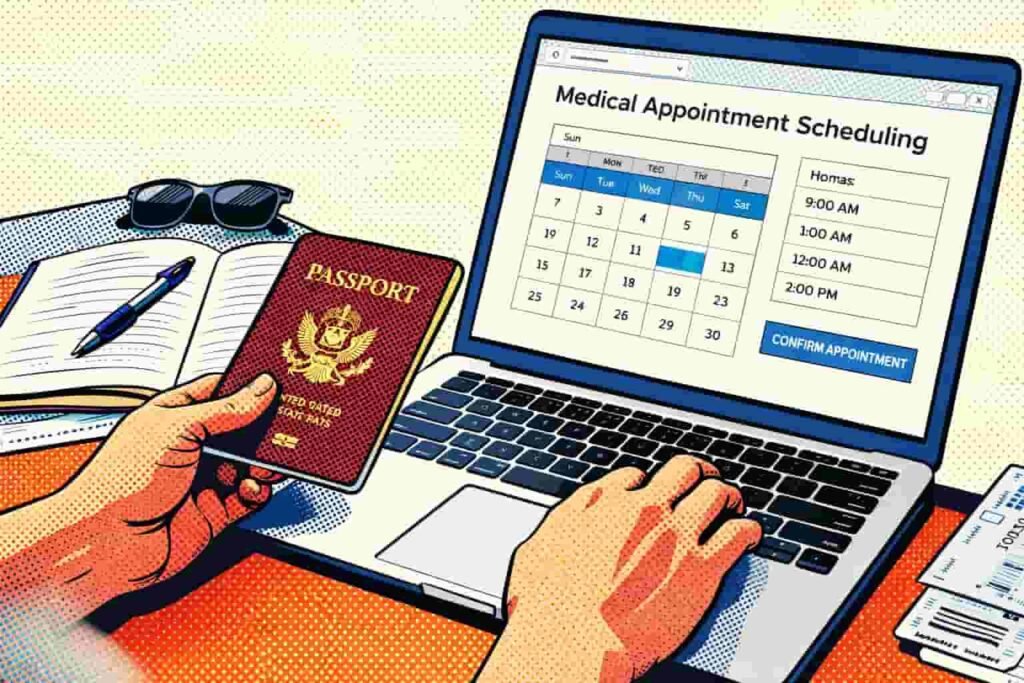
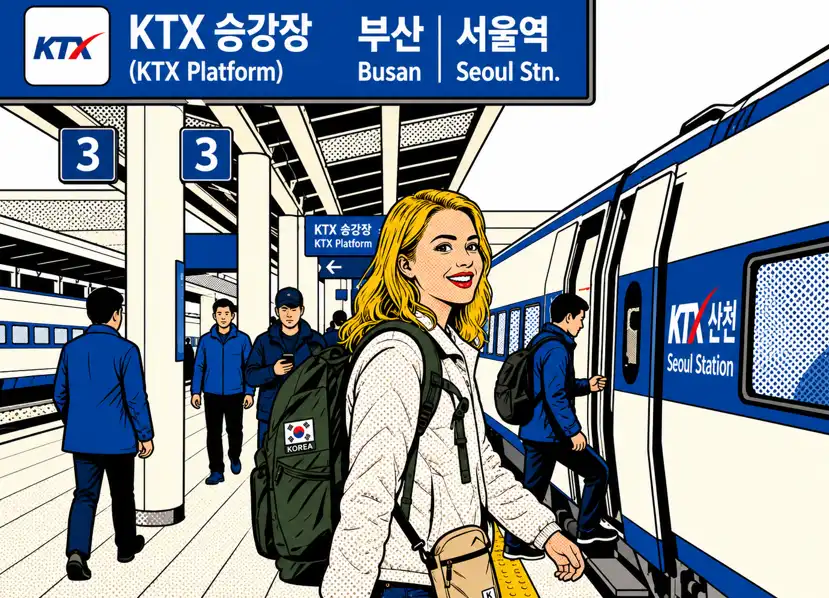

Transportation in Korea for medical travelers is safe, affordable, and highly efficient. The best options include airport limousine buses, taxis, the Seoul subway, and KTX trains. Patients recovering from surgery should prioritize taxis or private hospital transfers for comfort, safety, and convenient access to medical appointments.
KoreaMedTour.com
Quick summary
Transportation in Korea for medical travelers is one of the most important factors in ensuring safe treatment access, comfortable recovery, and successful medical travel. The best transportation options include airport limousine buses, taxis, the Seoul subway, KTX high-speed trains, and hospital-arranged private transfers for patients with mobility limitations or postoperative recovery needs. Most international patients travel through Incheon International Airport and receive treatment in Seoul’s Gangnam and Seocho districts or Busan’s major medical districts, where transportation networks provide convenient access to hospitals, hotels, pharmacies, and recovery facilities. Choosing the right transportation for each stage of treatment helps reduce travel stress, improve follow-up care, minimize physical strain after procedures, and support a safer and more comfortable recovery before returning home.
Key advantages:
- Convenient transportation access to major Korean hospitals, specialized clinics, and international medical centers
- Efficient airport transfers from Incheon International Airport to Seoul and Busan medical districts
- Affordable public transportation including the Seoul subway, airport buses, and local buses
- Safe and comfortable taxi services for postoperative travel and follow-up appointments
- KTX high-speed rail connections between Seoul and Busan for intercity medical travel
- Hospital-arranged transportation services for surgery patients, elderly travelers, and international visitors
- English-friendly navigation through multilingual subway signage, transportation apps, and airport information services
- Reduced transportation stress by staying near treatment centers and minimizing travel time during recovery
- Better mobility support through accessible stations, elevators, wheelchair assistance, and barrier-free transportation
- Improved medical travel planning by matching transportation methods with treatment intensity and recovery requirements
Common use cases:
Transportation in Korea for medical travelers is commonly used by international patients receiving plastic surgery, facial contouring, rhinoplasty, eyelid surgery, facelift procedures, dermatology treatments, laser therapy, pigmentation treatment, skin lifting procedures, orthopedic surgery, joint replacement, spine treatment, rehabilitation therapy, SMILE LASIK, LASIK, cataract surgery, dental implants, full-mouth rehabilitation, oral surgery, IVF treatment, health checkup programs, anti-aging medicine, chronic disease management, and extended medical tourism programs that require airport transfers, multiple hospital visits, postoperative recovery transportation, caregiver support, and safe travel throughout treatment and recovery in South Korea.
Table of Contents
Why transportation matters for medical travelers
Transportation is not just a convenience issue during a medical trip. It directly affects:
- Appointment punctuality
- Physical comfort after treatment
- Infection risk during recovery
- Luggage management
- Travel stress
- Overall medical tourism experience
Patients undergoing plastic surgery, dermatology procedures, eye surgery (LASIK or cataract), dental treatment, orthopedic care, fertility treatment, or health checkups may have different transportation needs.
For example, a patient after facial surgery may not feel comfortable navigating crowded subway stations, while someone visiting for a health screening may easily use public transportation throughout the trip.
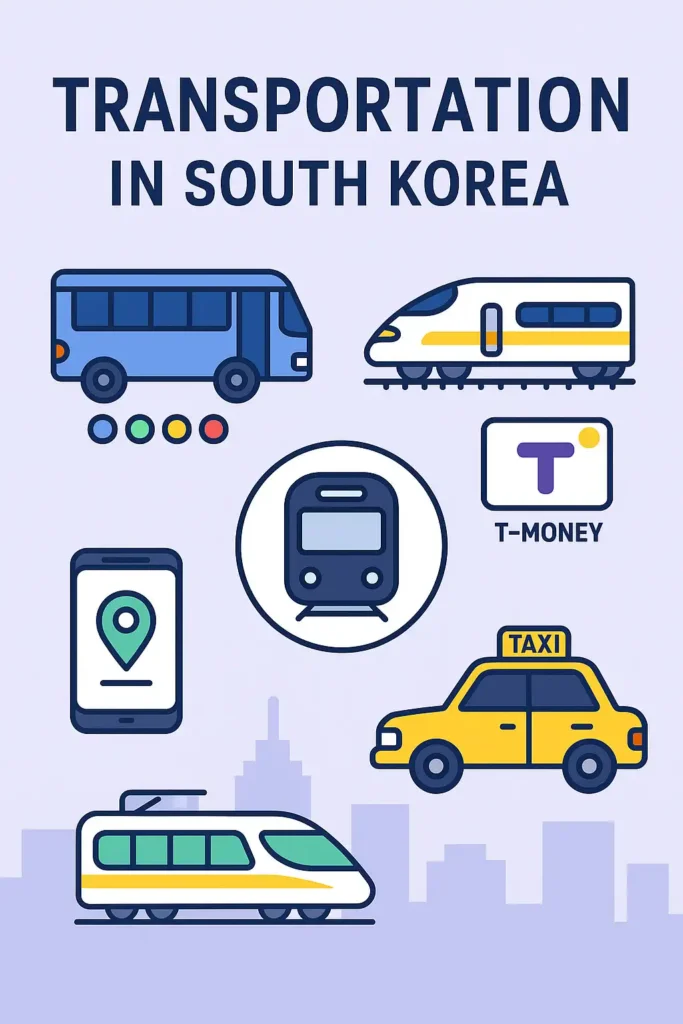
The best transportation options in Korea
| Transportation | Best for |
|---|---|
| Airport limousine bus | Patients with luggage, direct hotel access |
| Taxi | Post-procedure travel, convenience |
| Subway | Independent travelers, low cost |
| KTX high-speed rail | Travel between Seoul and Busan |
| Private hospital transfer | Major surgeries, elderly patients |
Transportation from Incheon International Airport
Most medical travelers arrive through Incheon International Airport (ICN), the primary international gateway to Korea.
Airport limousine buses
Airport limousine buses are often the most practical option for first-time visitors because they provide direct routes to major medical areas and hotels.
Advantages include:
- Comfortable seating
- Large luggage storage
- Fewer transfers
- Direct service to Gangnam, Myeongdong, and other districts
Many buses stop near hospitals that frequently treat international patients.
Taxis from the airport
Airport taxis are available 24 hours a day.
Travel times:
- Incheon Airport to Gangnam: about 60–90 minutes
- Incheon Airport to Myeongdong: about 50–70 minutes
- Incheon Airport to major Seoul hospitals: typically 60–90 minutes
Use official airport taxi stands rather than unsolicited drivers.
Using the Seoul subway system
Seoul’s subway is one of the world’s most advanced urban transit systems.
Benefits:
- Extensive coverage
- Frequent service
- English station names
- Digital maps
- Affordable fares
- Climate-controlled stations and trains
For medical travelers, subway access is particularly useful for consultations, follow-up visits, dermatology appointments, and routine outpatient care.
However, patients recovering from surgery should consider several limitations.
When not to use the subway after treatment
After procedures involving:
- General anesthesia
- Sedation
- Facial surgery
- Body contouring
- Eye surgery
- Orthopedic treatment
crowded subway travel may be uncomfortable or medically inappropriate.
Potential concerns include:
- Standing for long periods
- Stair climbing
- Carrying luggage
- Accidental bumps from crowds
- Fatigue and dizziness
Most hospitals recommend taking a taxi after surgery, even if the subway is normally convenient.
Taxi services in Korea
Korean taxis are generally:
- Safe
- Metered
- Widely available
- Relatively affordable compared with many major international cities
Common taxi types:
- Standard taxis
- Deluxe taxis
- Large taxis (for families or extra luggage)
Many drivers use GPS navigation, and translation apps can help communicate destination information.
A useful strategy is to keep the hospital name and address written in Korean, since pronunciation differences can sometimes create confusion.
Kakao T: the most useful transportation app
For many international patients, Kakao T is the most useful transportation app in Korea.
It allows users to:
- Request taxis
- Estimate fares
- Track routes
- View driver information
- Pay through supported methods
Even when payment is made directly to the driver, the app significantly reduces language barriers.
Transportation between Seoul and Busan
Some medical travelers choose Busan for plastic surgery, dermatology, dental treatment, or wellness care.
The fastest option is KTX high-speed rail.
Travel time:
- Seoul to Busan: approximately 2.5 hours
KTX trains are:
- Comfortable
- Reliable
- Spacious
- Suitable for travelers with moderate luggage
However, patients immediately after major surgery should consult their treating physician before undertaking intercity travel.
Accessibility for patients with mobility limitations
Korea has significantly improved transportation accessibility.
Many subway stations include:
- Elevators
- Escalators
- Accessible restrooms
- Wheelchair-accessible gates
Airport facilities also provide:
- Wheelchair assistance
- Mobility support
- Accessible transportation services
Patients should arrange wheelchair assistance with the airline in advance whenever possible.
Transportation after surgery: practical medical guidance
One of the most common questions is:
How should I travel after surgery in Korea?
The safest approach is usually:
- Hospital discharge
- Taxi or private transfer
- Hotel recovery
- Follow-up visit by taxi if needed
Patients should avoid:
- Heavy luggage lifting
- Long walks immediately after surgery
- Crowded public transportation during early recovery
- Driving themselves
A companion or hospital-arranged transportation is often recommended after procedures involving sedation or anesthesia.
Hospital transportation assistance
Many Korean hospitals serving international patients provide transportation support.
Services may include:
- Airport pickup
- Hotel-hospital shuttle
- Interpreter-assisted transportation
- Recovery transportation
- Coordination with medical travel agencies
This is particularly valuable for patients who:
- Do not speak Korean
- Are traveling alone
- Have limited mobility
- Are undergoing extensive treatment
Payment methods for transportation
Transportation payments are straightforward in Korea.
T-money card
The T-money card is the most convenient option for:
- Subway
- Bus
- Some taxis
- Convenience store purchases
Cards can be purchased and reloaded at:
- Airport stations
- Subway stations
- Convenience stores
Credit cards
Most taxis accept major international credit cards, although carrying a small amount of Korean currency is still advisable.
Estimated transportation costs
Approximate 2026 ranges:
| Route | Estimated cost |
|---|---|
| Airport limousine bus | ₩17,000–₩25,000 |
| Airport to Gangnam taxi | ₩70,000–₩110,000 |
| Typical subway ride | ₩1,500–₩2,500 |
| Local taxi ride (Seoul) | ₩6,000–₩20,000 |
| KTX Seoul-Busan | ₩60,000–₩90,000 |
Costs vary by distance, traffic, and taxi type.
Transportation planning by treatment type
Plastic surgery
Best transportation:
- Airport pickup
- Taxi
- Private transfer
Avoid crowded transit immediately after surgery.
Dermatology
Best transportation:
- Subway
- Taxi
- Airport bus
Most outpatient dermatology patients can use public transportation comfortably.
Eye surgery
Best transportation:
- Taxi after the procedure
Vision may be temporarily affected, making independent subway navigation difficult.
Dental treatment
Best transportation:
- Subway for consultations
- Taxi after extensive procedures
Health checkups
Best transportation:
- Subway
- Airport bus
- Taxi if fasting or fatigued
A typical transportation plan for medical travelers
A practical itinerary might look like this:
Day 1
- Arrive at Incheon Airport
- Take airport limousine bus to Gangnam hotel
Day 2
- Subway to hospital consultation
- Taxi back to hotel
Day 3
- Taxi to surgery
- Taxi or hospital transfer after discharge
Days 4–7
- Taxi for follow-up appointments
- Limited walking during recovery
Departure day
- Taxi or airport limousine bus to Incheon Airport
This approach balances cost, comfort, and medical safety.
Common mistakes to avoid
Medical travelers frequently underestimate transportation logistics.
Avoid these mistakes:
- Booking accommodation far from the hospital
- Planning multiple subway transfers with luggage
- Traveling alone immediately after sedation
- Carrying heavy shopping bags during recovery
- Scheduling long-distance travel too soon after surgery
Staying within 10–20 minutes of the hospital often reduces stress and improves recovery convenience.
FAQ Section

What is the best transportation in Korea for medical travelers?
The best transportation in Korea for medical travelers is usually a combination of airport limousine buses, taxis, and the Seoul subway. For patients recovering from surgery, Korea medical tourism transportation experts generally recommend taxis or private hospital transfers for greater comfort and safety.
How do I get from Incheon Airport to a hospital in Seoul?
Most international patients use airport transfer Korea medical travel services, airport limousine buses, or taxis from Incheon International Airport. These options provide convenient access to major medical districts such as Gangnam, Myeongdong, and other areas with leading hospitals.
Is the Seoul subway suitable for medical travelers?
Yes, the subway is a reliable option for consultations and routine appointments. However, patients recovering from surgery should consider a taxi instead. A Seoul hospital transportation guide usually recommends avoiding crowded subway travel immediately after procedures involving anesthesia or sedation.
Are taxis in Korea safe for international medical tourists?
Yes, taxis are generally safe, metered, and widely available. Many drivers use GPS navigation, and apps such as Kakao T make transportation in Korea for medical travelers easier by reducing language barriers and simplifying hospital transportation.
Can hospitals arrange transportation for international patients?
Many hospitals that treat international patients offer Korea medical tourism transportation services, including airport pickups, hotel-hospital transfers, interpreter-assisted transportation, and private recovery transportation. These services are especially helpful for elderly patients and those undergoing major medical procedures.
Final Takeaway
For medical travelers in Korea, transportation is generally easy to navigate, highly reliable, and well suited to international patients. The safest strategy is to use airport limousine buses for arrival, taxis during treatment and recovery, and the subway for routine outpatient visits when physically comfortable.
Patients undergoing surgery should prioritize comfort and medical safety over transportation cost savings, especially during the first several days after treatment. Choosing accommodation near the hospital, using a T-money card, installing Kakao T, and arranging hospital transportation assistance when available can significantly improve the overall medical travel experience.
References
- Korea Tourism Organization (KTO)
- Incheon International Airport transportation information
- Seoul Metro multilingual transportation resources
- Korea Railroad Corporation (KORAIL) KTX passenger information
- Korean Ministry of Land, Infrastructure and Transport transportation guidance

Korea Med Tour – Trusted Blog for Medical Tourism in Korea
Korea Med Tour is a trusted medical tourism content platform providing accurate, research-based healthcare information for international patients considering treatment in Korea.
Our editorial team specializes in global patient guidance, treatment insights, clinic selection, and medical travel planning. All content is developed using verified medical sources and structured editorial review processes to ensure clarity, safety, and reliability.
We are committed to helping international patients make informed and confident medical travel decisions when choosing Korea as their healthcare destination.