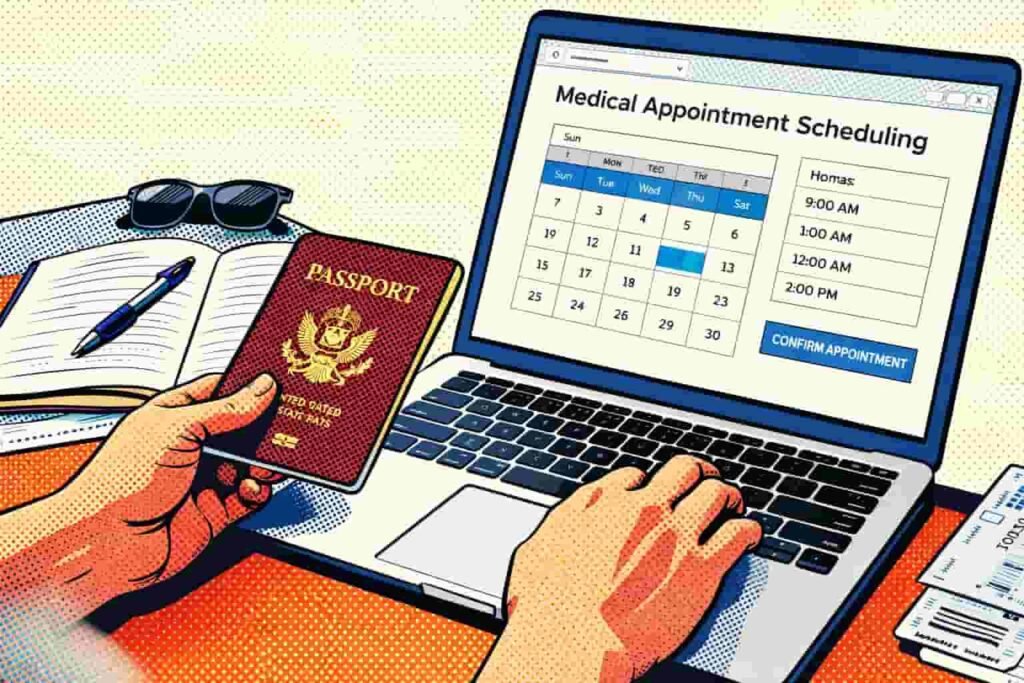
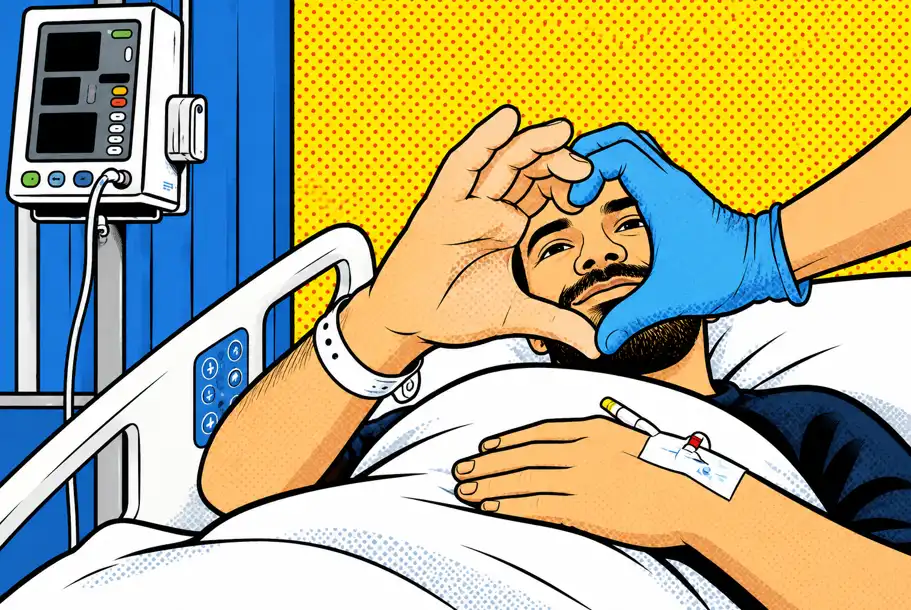

Post treatment recovery in Korea typically involves structured follow-up care, medication management, wound or skin care, and recovery monitoring before international travel. Most international patients stay several days to several weeks depending on the procedure, ensuring safe healing, medical clearance, and better long-term treatment outcomes.
KoreaMedTour.com
Quick summary
Post treatment recovery in Korea helps international patients heal safely and achieve the best possible medical outcomes through structured follow-up care, medication management, wound and skin care, recovery monitoring, and coordinated discharge planning. Most major Korean hospitals and specialized clinics provide International Patient Centers, multilingual coordinators, professional medical interpreters, personalized recovery instructions, scheduled follow-up appointments, pharmacy access, rehabilitation support, and telemedicine options when appropriate. By following Korea’s evidence-based recovery protocols before returning home, international patients can reduce complications, improve healing, maintain continuity of care, and achieve safer, more predictable long-term treatment results.
Key advantages:
- Structured recovery planning for every stage of healing, from immediate postoperative care to long-term follow-up
- Access to experienced specialists, advanced recovery protocols, and internationally recognized Korean medical centers
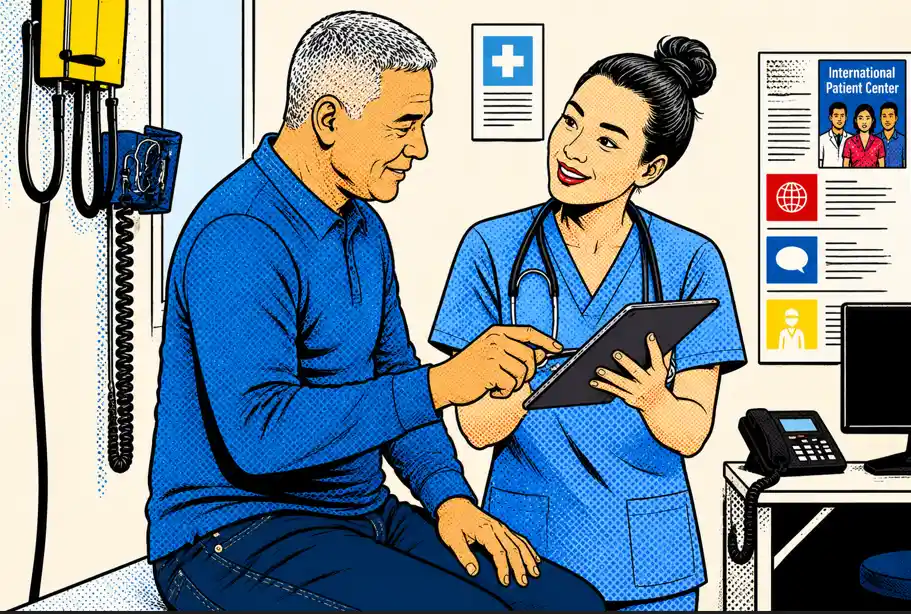
- Dedicated International Patient Centers with multilingual coordinators and professional medical interpreter support
- Personalized follow-up care including wound assessment, swelling management, medication adjustment, and recovery monitoring
- Clear discharge instructions covering activity restrictions, nutrition, hydration, skincare, scar management, and travel precautions
- Comprehensive medication management including antibiotics, pain control, anti-inflammatory treatment, eye drops, and topical therapies
- Evidence-based recovery timelines that help international patients plan accommodation, transportation, and return travel safely
- Coordinated rehabilitation and recovery support for surgical, orthopedic, ophthalmologic, dermatologic, and dental procedures
- Medical documentation and English-language recovery records to support continuity of care after returning home
- Telemedicine and international follow-up services that allow patients to communicate with Korean medical teams during ongoing recovery
Common use cases:
Post treatment recovery in Korea is valuable for international patients recovering from plastic surgery, facial contouring, rhinoplasty, eyelid surgery, facelift procedures, dermatology treatments, laser resurfacing, pigmentation therapy, skin lifting procedures, orthopedic surgery, joint replacement, spine surgery, sports medicine treatment, SMILE LASIK, LASIK, LASEK, cataract surgery, glaucoma treatment, dental implants, full-mouth rehabilitation, oral surgery, thyroid surgery, oncology treatment, regenerative medicine procedures where appropriate, rehabilitation programs, cosmetic recovery management, and comprehensive medical tourism programs that require coordinated postoperative care and safe international travel planning in South Korea.
Table of Contents
What is post-treatment recovery?
Post-treatment recovery refers to the period after a medical procedure during which the body heals, inflammation decreases, and normal function gradually returns.
Recovery is not only about rest. It also includes:
- Follow-up medical examinations
- Medication management
- Wound or skin care
- Activity restrictions
- Nutrition and hydration
- Monitoring for complications
- Planning safe travel home
In Korea, recovery protocols are generally standardized and may include scheduled follow-up visits, digital communication with medical staff, and personalized recovery instructions in English or other languages for international patients.
Why recovery planning matters for international patients
One of the most common questions medical tourists ask is: “How long should I stay in Korea after treatment?”
The answer depends on the type of treatment, but leaving too early can increase the risk of:
- Infection
- Delayed wound healing
- Swelling-related complications
- Vision problems after eye surgery
- Poor cosmetic outcomes
- Difficulty managing unexpected symptoms abroad
Most Korean hospitals recommend staying long enough for at least one or more follow-up assessments before international travel.
Typical recovery timelines in Korea
| Treatment type | Typical stay in Korea |
|---|---|
| Laser dermatology | 3–7 days |
| Skin lifting procedures | 5–10 days |
| Double eyelid surgery | 7–14 days |
| Rhinoplasty | 10–21 days |
| Facelift | 14–30 days |
| SMILE/LASIK surgery | 3–7 days |
| Dental implants | 5–10 days (initial phase) |
| Orthopedic procedures | 2–6 weeks |
These timelines vary depending on the individual patient, the extent of treatment, and the treating physician’s protocol.
The three stages of recovery
Immediate recovery (24–72 hours)
This is the period when swelling, discomfort, redness, or temporary functional limitations are most noticeable.
Common experiences include:
- Facial swelling
- Bruising
- Mild pain or soreness
- Temporary vision changes
- Skin sensitivity
- Fatigue from anesthesia or sedation
During this stage, Korean clinics usually emphasize:
- Cold compresses (when appropriate)
- Medication adherence
- Adequate hydration
- Sleeping with the head elevated
- Avoiding strenuous activity
Patients are typically advised to remain near their clinic or hospital during this period.
Early recovery (first 1–2 weeks)
This is when visible healing begins.
Typical improvements include:
- Reduced swelling
- Decreased bruising
- Improved comfort
- Wound stabilization
- Return to light daily activities
Many follow-up visits occur during this stage.
For surgical patients, doctors may remove:
- Sutures
- Dressings
- Splints
- Protective coverings
This period is particularly important for international patients planning flights home.
Ongoing healing (weeks to months)
Although many patients feel better within two weeks, complete healing often continues for much longer.
Examples:
- Scar maturation may take 3–12 months
- Final rhinoplasty results may require 6–12 months
- Skin collagen remodeling after lifting procedures may continue for 3–6 months
- Dental implant integration may require several months
Understanding this longer healing process helps patients maintain realistic expectations.
What follow-up care in Korea usually includes
Korean hospitals generally provide structured post-treatment monitoring.
A typical follow-up visit may include:
- Physical examination
- Assessment of swelling
- Wound inspection
- Photography for progress comparison
- Medication adjustment
- Activity recommendations
- Travel clearance evaluation
International departments often coordinate:
- Interpreter assistance
- Appointment scheduling
- Medical documentation
- Communication with overseas physicians when needed
Medications commonly prescribed after treatment
Depending on the procedure, patients may receive:
- Antibiotics
- Pain medication
- Anti-inflammatory medication
- Eye drops
- Scar management products
- Topical ointments
- Moisturizing or barrier repair products
Patients should always verify:
- Medication names
- Dosages
- Duration of use
- Possible interactions with existing medications
Requesting an English medication list before leaving Korea is highly recommended.
Recovery after dermatology treatments in Korea
Korean dermatology clinics perform a large volume of laser and skin procedures, so post-treatment protocols are often highly standardized.
Common procedures include:
- Pigmentation laser treatment
- Fractional laser resurfacing
- Ultherapy
- Thermage
- Radiofrequency lifting
- Acne scar treatment
- Skin boosters
Typical recovery recommendations include:
- Strict sunscreen use
- Avoiding heat exposure
- Gentle cleansing
- Moisturizing frequently
- Avoiding exfoliation
- Temporary avoidance of alcohol and smoking
Patients with darker skin tones may receive additional instructions to reduce post-inflammatory hyperpigmentation risk.
Recovery after plastic surgery in Korea
Plastic surgery recovery is usually more intensive and requires closer follow-up.
Common recommendations include:
Swelling management
- Head elevation
- Compression garments
- Limited sodium intake
- Regular walking
- Adequate hydration
Scar management
- Silicone gel
- Silicone sheets
- Sun protection
- Massage (when approved)
Activity restrictions
Patients are commonly advised to avoid:
- Heavy lifting
- Intense exercise
- Swimming
- Saunas
- Facial massage
- Smoking
Following these restrictions can significantly influence cosmetic outcomes.
Eye surgery recovery in Korea
Procedures such as SMILE, LASIK, and cataract surgery often have relatively rapid recovery.
However, patients should be especially careful about:
- Using prescribed eye drops
- Avoiding eye rubbing
- Limiting dust exposure
- Wearing protective eyewear
- Following flight timing recommendations
Vision may fluctuate temporarily during the early recovery period.
Nutrition and hydration during recovery
Recovery is supported by adequate nutrition.
Helpful dietary priorities include:
- Protein-rich foods
- Fruits and vegetables
- Vitamin C sources
- Zinc-containing foods
- Sufficient fluids
Excessive alcohol intake can worsen:
- Swelling
- Dehydration
- Sleep quality
- Wound healing
Smoking is associated with delayed wound healing and increased surgical complication risk.
Can international patients recover in hotels?

Many patients recover comfortably in hotels or serviced apartments near their clinic.
A good recovery accommodation should provide:
- Elevator access
- Minimal stairs
- Comfortable bedding
- Refrigeration for medications
- Easy access to food delivery
- Transportation availability
- Nearby pharmacy access
For major surgery, some patients choose postoperative recovery facilities or hotels recommended by their hospital.
When is it safe to fly home?
Fitness to fly depends on:
- The type of procedure
- Risk of bleeding
- Swelling severity
- Vision stability
- Infection status
- Mobility
General principles include:
- Obtain physician clearance
- Complete recommended follow-up visits
- Carry medications in hand luggage
- Keep medical records accessible
- Stay hydrated during flights
- Walk periodically on long flights
Patients should seek immediate medical attention before travel if they develop:
- Fever
- Severe pain
- Increasing redness
- Pus drainage
- Sudden vision changes
- Chest pain
- Shortness of breath
Practical recovery checklist before leaving Korea
Before departure, international patients should obtain:
- Medical summary
- Procedure details
- Medication list
- Follow-up instructions
- Emergency contact information
- Digital copies of imaging or photographs
- English-language documentation
Ask your doctor specifically:
- When can I exercise?
- When can I wear makeup?
- When can I swim?
- What symptoms require urgent care?
- How should I contact the clinic from abroad?
A realistic recovery example
Consider an international patient undergoing laser pigmentation treatment and skin lifting in Seoul.
A typical recovery course may look like this:
- Day 1: redness and mild swelling
- Days 2–3: increased tightness, skin sensitivity
- Days 4–5: swelling begins to decrease
- Days 6–7: follow-up visit, treatment assessment
- Days 8–10: comfortable for international travel
- 1–3 months: gradual collagen improvement and pigmentation reduction
This illustrates why many patients remain in Korea for approximately one week after moderate dermatologic procedures.
FAQ Section

How long should I stay for post treatment recovery in Korea?
For post treatment recovery in Korea, most international patients stay between 3 days and 3 weeks, depending on the procedure. Minor dermatology treatments may require only a few days, while facial surgery, orthopedic procedures, or complex treatments often require longer follow-up care before international travel.
What is included in post treatment recovery in Korea?
Post treatment recovery in Korea usually includes follow-up appointments, medication management, wound or skin care, swelling monitoring, and recovery assessments. A comprehensive Korea medical recovery guide also helps international patients prepare for safe travel and continued healing after leaving Korea.
Is recovery after surgery in Korea safe for international patients?
Yes. Recovery after surgery in Korea is generally considered safe because hospitals provide structured postoperative care, scheduled follow-up visits, and clear discharge instructions. Many international patient centers also offer interpreter services and recovery support to improve safety and treatment outcomes.
Can I fly home during post treatment recovery in Korea?
International travel during post treatment recovery in Korea should only be planned after medical clearance from your doctor. The timing depends on the procedure, swelling, wound healing, infection risk, and overall recovery progress to ensure a safe flight and reduced complication risk.
How can I speed up international patient recovery in Korea?
The best way to improve international patient recovery in Korea is to follow your doctor’s instructions carefully, take prescribed medications, stay hydrated, avoid smoking and excessive alcohol, protect treated areas from sun exposure, and attend all recommended follow-up appointments before returning home.
Final Takeaway
Post-treatment recovery in Korea is generally characterized by organized follow-up care, accessible medical services, and detailed recovery protocols, making it well suited for international patients.
The most important factors for a successful recovery are staying in Korea for the recommended observation period, attending follow-up appointments, following medication and wound care instructions carefully, and obtaining medical clearance before international travel.
For most medical tourists, recovery should be viewed as an essential part of the treatment itself, not simply the period after the procedure. Careful recovery planning can improve safety, reduce complications, and help patients achieve the best possible long-term results.
References
- Korean Ministry of Health and Welfare. International healthcare and medical tourism guidance.
- International Society of Aesthetic Plastic Surgery (ISAPS). Patient safety and postoperative care recommendations.
- American Society of Plastic Surgeons (ASPS). Postoperative recovery and wound care guidance.
- American Academy of Ophthalmology (AAO). Recovery after refractive and cataract surgery.

Korea Med Tour – Trusted Blog for Medical Tourism in Korea
Korea Med Tour is a trusted medical tourism content platform providing accurate, research-based healthcare information for international patients considering treatment in Korea.
Our editorial team specializes in global patient guidance, treatment insights, clinic selection, and medical travel planning. All content is developed using verified medical sources and structured editorial review processes to ensure clarity, safety, and reliability.
We are committed to helping international patients make informed and confident medical travel decisions when choosing Korea as their healthcare destination.