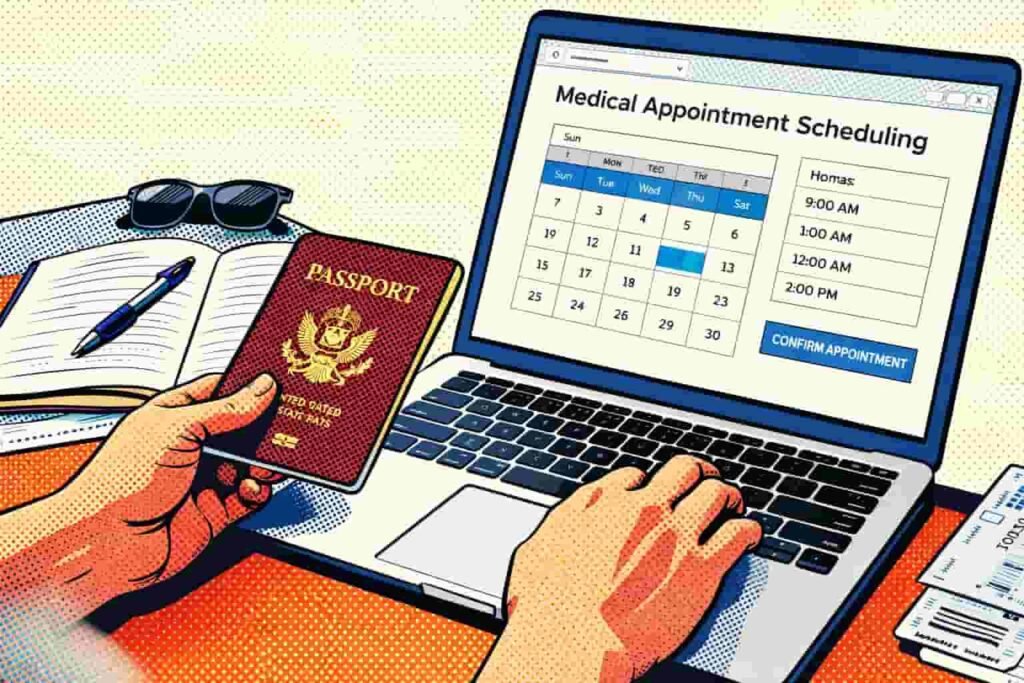


Preparing for surgery in Korea involves choosing an experienced hospital, completing a preoperative medical evaluation, reviewing medications, arranging travel and accommodation, and planning post-operative recovery. International patients should prepare medical records, follow fasting instructions, and confirm interpreter support to ensure a safe and smooth surgical experience.
KoreaMedTour.com
Quick summary
Preparing for Surgery in Korea helps international patients safely navigate every stage of the surgical process, from selecting the right hospital and surgeon to completing preoperative evaluations, managing medications, planning travel, and organizing post-operative recovery. Most major Korean hospitals provide International Patient Centers, multilingual coordinators, professional medical interpreters, advanced diagnostic testing, anesthesia assessments, personalized surgical planning, and structured follow-up care. By preparing thoroughly before surgery, international patients can reduce medical risks, improve communication with their healthcare team, shorten recovery-related delays, and achieve safer, more predictable surgical outcomes in South Korea.
Key advantages:
- Comprehensive preparation for every stage of surgery in Korea, from consultation and medical evaluation to recovery and follow-up care
- Access to experienced surgeons, specialized surgical centers, and internationally recognized Korean hospitals
- Dedicated International Patient Centers with multilingual coordinators and professional medical interpreter services
- Thorough preoperative assessments including blood tests, imaging studies, anesthesia evaluations, and individualized surgical planning
- Careful medication review to reduce risks related to blood thinners, diabetes medications, supplements, and anesthesia interactions
- Clear explanations of surgical procedures, expected outcomes, potential complications, recovery timelines, and postoperative care requirements
- Personalized travel planning that includes arrival timing, accommodation selection, transportation, and medical follow-up scheduling
- Evidence-based anesthesia safety protocols and infection prevention measures that support safer surgical outcomes
- Coordinated postoperative monitoring, wound care guidance, medication management, rehabilitation planning, and discharge support
- Telemedicine and international follow-up services that help maintain continuity of care after returning to the patient’s home country
Common use cases:
Preparing for Surgery in Korea is valuable for international patients undergoing plastic surgery, facial contouring, rhinoplasty, eyelid surgery, facelift procedures, dermatologic surgery, orthopedic and joint surgery, spine surgery, sports medicine procedures, robotic surgery, minimally invasive surgery, gastrointestinal surgery, bariatric surgery, ophthalmology procedures such as SMILE LASIK, LASIK, LASEK, cataract surgery, glaucoma treatment, dental implants, full-mouth rehabilitation, oncology surgery, thyroid surgery, women’s health procedures, fertility-related surgery, cardiovascular procedures, regenerative medicine treatments where appropriate, rehabilitation programs, executive medical evaluations before surgery, second medical opinions, and comprehensive medical tourism programs that require coordinated preoperative preparation and postoperative recovery planning in South Korea.
Table of Contents

Why preparation matters before surgery
Surgery places physical stress on the body. Good preparation helps reduce the risk of complications such as infection, bleeding, delayed wound healing, medication interactions, and anesthesia-related problems.
A well-prepared international patient typically has:
- a complete medical history,
- recent laboratory and imaging records,
- a medication review,
- a realistic recovery plan,
- and clear communication with the Korean medical team.
For overseas patients, preparation also includes visa timing, accommodation, transportation, and follow-up arrangements after returning home.
Choosing the right hospital in Korea
The first step is selecting a hospital that has experience treating international patients. Major Korean hospitals often provide:
- English-speaking coordinators,
- multilingual interpretation services,
- international payment assistance,
- medical document translation,
- and post-operative support.
When comparing hospitals, focus on surgeon experience, hospital accreditation, complication management, and international patient infrastructure, rather than price alone.
Useful visual aid: Comparison table of hospital services, interpreter availability, and international patient support.
Medical records to prepare before traveling
One of the most common causes of delays is incomplete medical documentation.
Prepare the following before leaving your home country:
| Recommended document | Why it matters |
|---|---|
| Medical history summary | Provides baseline health information |
| Recent blood tests | Evaluates anemia, infection, kidney and liver function |
| Imaging (CT, MRI, X-ray, ultrasound) | Helps surgical planning |
| Medication list | Prevents drug interactions |
| Allergy history | Essential for anesthesia and medications |
| Previous operative reports | Important for revision or complex surgery |
Digital copies are useful, but many hospitals also appreciate organized PDF files or printed summaries.
The pre-operative consultation
The pre-operative consultation is one of the most important parts of preparing for surgery in Korea.
During this visit, the surgeon and anesthesiology team usually evaluate:
- diagnosis,
- surgical indications,
- expected outcomes,
- alternatives to surgery,
- anesthesia options,
- risks,
- recovery timeline,
- and whether additional testing is required.
International patients should ask specific questions, including:
- What type of anesthesia will be used?
- How long will hospitalization be?
- When can I fly home?
- What complications should I watch for?
- How will follow-up be managed after I leave Korea?
Request written instructions whenever possible.
Medical tests commonly required before surgery
Most hospitals perform a pre-operative assessment.
Common tests include:
- complete blood count,
- coagulation profile,
- kidney and liver function tests,
- blood glucose,
- electrocardiogram (ECG),
- chest X-ray,
- pregnancy testing when appropriate,
- and additional imaging depending on the procedure.
Patients over a certain age or with chronic medical conditions may require additional cardiac or pulmonary evaluation.
Medications that may need adjustment
Medication management is critical.
Certain medications increase surgical risk.
Common examples include:
Blood thinners
- Warfarin
- Apixaban
- Rivaroxaban
- Dabigatran
- Clopidogrel
These often require individualized management before surgery.
Diabetes medications
Insulin and oral diabetes medications may need adjustment because of fasting requirements.
Herbal supplements
Many patients forget to report supplements.
Some may affect:
- bleeding,
- blood pressure,
- anesthesia,
- or recovery.
Common supplements that should be discussed include:
- ginkgo,
- garlic,
- ginseng,
- turmeric,
- omega-3 products,
- and certain weight-loss supplements.
Never stop prescription medications without instructions from the treating physician.
Smoking, alcohol, and recovery outcomes
Smoking significantly affects:
- wound healing,
- skin blood flow,
- infection risk,
- and anesthesia safety.
Many Korean surgeons strongly recommend stopping smoking several weeks before surgery.
Excessive alcohol intake can also increase:
- bleeding risk,
- liver complications,
- and withdrawal-related problems during hospitalization.
Being honest about smoking and alcohol use helps the medical team manage risk appropriately.
Fasting before surgery
Most surgeries require fasting before anesthesia.
Typical instructions may include:
- no solid food for 6–8 hours,
- clear liquids only until a specified time,
- and complete fasting after the hospital’s designated cutoff.
Failure to follow fasting instructions can lead to surgery cancellation because food in the stomach increases the risk of aspiration during anesthesia.
Always follow the hospital’s exact instructions rather than general internet advice.
Preparing for anesthesia
Patients often worry more about anesthesia than the surgery itself.
The anesthesiologist should know about:
- previous anesthesia reactions,
- difficult intubation history,
- sleep apnea,
- heart disease,
- lung disease,
- obesity,
- and medication allergies.
If you have a history of severe nausea after anesthesia, tell the anesthesiology team in advance because preventive medications are available.
Travel planning for surgical patients
International patients should avoid extremely short trips.
A realistic timeline is often:
- arrival several days before surgery,
- surgery,
- early recovery,
- follow-up visits,
- and medical clearance before departure.
Flying too soon after surgery may increase risks such as:
- bleeding,
- swelling,
- wound problems,
- and venous thromboembolism.
The appropriate waiting period depends on the procedure.
Major operations generally require a longer stay than minimally invasive procedures.
Accommodation after surgery
Many international patients underestimate recovery logistics.
Consider accommodation that offers:
- elevator access,
- minimal stairs,
- easy transportation,
- nearby pharmacies,
- nearby convenience stores,
- and proximity to the hospital.
For facial surgery, mobility is usually less limited.
For orthopedic or abdominal surgery, accessible accommodation becomes much more important.
Useful visual aid: Recovery accommodation checklist for international surgical patients.
Arranging post-operative support
Do not plan to recover completely alone if undergoing major surgery.
Ideally arrange:
- a family member,
- a friend,
- a caregiver,
- or a recovery assistant.
Support is especially important during the first 24–72 hours after discharge.
Assistance may be needed for:
- medications,
- meals,
- transportation,
- communication,
- and emergency contact with the hospital.

What to pack for surgery in Korea
A practical packing list includes:
- passport,
- visa documents,
- medical records,
- medication list,
- prescription medications,
- phone charger,
- comfortable loose clothing,
- slip-on shoes,
- wound care supplies if recommended,
- and a notebook for post-operative instructions.
Avoid bringing unnecessary valuables to the hospital.
Understanding informed consent
Before surgery, Korean hospitals require informed consent.
This process should explain:
- the procedure,
- expected benefits,
- alternatives,
- risks,
- possible complications,
- and recovery expectations.
If you do not fully understand the explanation, request an interpreter.
Do not sign consent forms that you cannot read or adequately understand.
Communication with the medical team
Clear communication is one of the strongest predictors of a positive international patient experience.
Practical tips include:
- using written questions,
- confirming medication instructions,
- asking for translated discharge instructions,
- saving emergency contact numbers,
- and using hospital-approved messaging channels.
Many international centers provide WhatsApp, email, or dedicated coordinator communication.
A practical 30-day preparation timeline
4 weeks before surgery
- Choose the hospital.
- Obtain a surgical consultation.
- Gather medical records.
- Discuss medications.
2 weeks before surgery
- Complete required testing.
- Stop smoking if possible.
- Confirm travel arrangements.
- Arrange accommodation.
1 week before surgery
- Review fasting instructions.
- Confirm medication changes.
- Prepare recovery supplies.
- Organize transportation.
Day before surgery
- Follow fasting instructions.
- Avoid alcohol.
- Confirm arrival time.
- Rest adequately.
FAQ Section

What is the most important step when preparing for surgery in Korea?
The most important step in preparing for surgery in Korea is completing a thorough preoperative evaluation with your Korean medical team. This includes reviewing your medical history, medications, imaging, blood tests, and anesthesia risks to create a safe surgical plan.
How early should international patients arrive in Korea before surgery?
For surgery in Korea for international patients, most hospitals recommend arriving several days before the procedure. This allows time for preoperative testing, consultations, document review, and any necessary adjustments to your treatment plan.
What medical records should I bring when preparing for surgery in Korea?
When preparing for surgery in Korea, bring recent blood test results, imaging studies (MRI, CT, or X-ray), your medication list, allergy information, previous operative reports, and a summary of your medical history. These records help the Korean hospital preoperative guide process your case efficiently.
Do I need to stop medications before surgery in Korea?
Some medications may need adjustment during Korea surgery preparation, including blood thinners, diabetes medications, and certain herbal supplements. Never stop prescription medications on your own; always follow your surgeon’s and anesthesiologist’s instructions.
How long should I stay in Korea after surgery?
The recovery period after surgery in Korea for international patients depends on the procedure. Minor surgeries may require only several days, while major operations often require one to three weeks or longer for follow-up care, wound monitoring, and medical clearance before flying home.
Key Takeaways
Preparing for surgery in Korea requires more than booking a procedure. The safest approach includes careful hospital selection, complete medical documentation, medication review, travel planning, communication support, and a realistic recovery strategy. International patients who invest time in preparation are generally better positioned for a smoother surgical experience and a safer return home.
For most overseas patients, the goal should not be simply to have surgery in Korea. The goal should be to have surgery safely, recover appropriately, and maintain continuity of care after returning home.
References
- Korea Health Industry Development Institute (KHIDI). Medical Korea: Guide for International Patients. KHIDI provides official information on Korea’s healthcare system, international patient services, hospital accreditation, and medical tourism support programs. Available at: https://www.khidi.or.kr
- Ministry of Health and Welfare (Republic of Korea). Healthcare Policy and International Patient Services. Government guidance on medical institutions, patient safety, and healthcare regulations in South Korea. Available at: https://www.mohw.go.kr
- World Health Organization (WHO). Patient Safety: Safe Surgery. WHO recommendations on surgical safety, preoperative preparation, infection prevention, and perioperative care. Available at: https://www.who.int

Korea Med Tour – Trusted Blog for Medical Tourism in Korea
Korea Med Tour is a trusted medical tourism content platform providing accurate, research-based healthcare information for international patients considering treatment in Korea.
Our editorial team specializes in global patient guidance, treatment insights, clinic selection, and medical travel planning. All content is developed using verified medical sources and structured editorial review processes to ensure clarity, safety, and reliability.
We are committed to helping international patients make informed and confident medical travel decisions when choosing Korea as their healthcare destination.