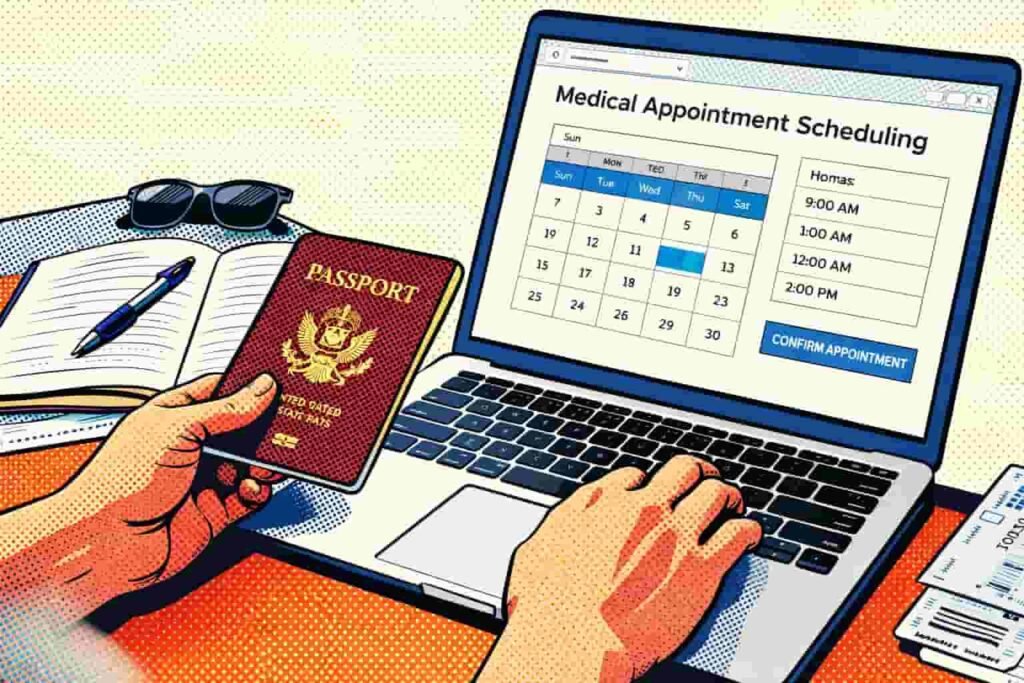


The Korean Hospital Appointment Process allows international patients to book medical consultations through online systems, phone reservations, or international clinics. Most Korean hospitals offer fast specialist access, digital registration, interpreter services, and advanced healthcare technology, making South Korea one of the leading destinations for efficient medical treatment in 2026.
KoreaMedTour.com
Quick Summary
Korean Hospital Appointment Process (2026 Guide for International Patients) is designed to be fast, technology-driven, and highly accessible, allowing both local and international patients to receive efficient medical consultations, specialist care, and advanced diagnostic services across Korea’s modern healthcare system.
Key Advantages:
- Fast online and mobile appointment booking systems
- Advanced digital hospital registration and patient management
- Access to internationally recognized specialists and hospitals
- Multilingual international patient centers and interpreter services
- Efficient same-day diagnostics and streamlined treatment pathways
Common Use Cases:
Specialist consultations, health screening programs, cosmetic procedures, chronic disease management, second medical opinions, surgery planning, and medical tourism appointments for international patients in Korea.
Table of Contents

What Is the Korean Hospital Appointment Process?
The Korean hospital appointment process refers to the steps patients follow to receive medical care in South Korea, from selecting a hospital and scheduling a consultation to registration, payment, examination, and follow-up care.
The process usually includes:
- Choosing a medical institution
- Booking an appointment
- Submitting medical records if necessary
- Visiting the hospital and registering
- Consulting with a doctor
- Completing tests or treatment
- Receiving prescriptions and follow-up instructions
South Korea’s healthcare system combines public national insurance coverage with highly advanced private medical infrastructure, creating one of the fastest outpatient systems globally.
Types of Medical Institutions in Korea
Understanding hospital categories is important because appointment rules differ depending on the facility type.
1. Local Clinics (의원)
Local clinics handle:
- General illnesses
- Minor injuries
- Routine prescriptions
- Basic diagnostics
Appointments are often same-day or walk-in.
Best for:
- Colds
- Skin conditions
- Mild digestive symptoms
- Prescription renewals
2. General Hospitals
General hospitals provide:
- Multiple specialties
- Imaging services
- Surgery
- Emergency care
Appointments are recommended, especially in urban areas like Seoul and Busan.
3. Tertiary University Hospitals
These are Korea’s largest medical centers and often receive international patients.
Examples include:
- Seoul National University Hospital
- Samsung Medical Center
- Asan Medical Center
- Yonsei Severance Hospital
These hospitals may require:
- Referrals
- Prior medical records
- Longer wait times for specialists
However, they are internationally recognized for cancer care, organ transplantation, cardiovascular surgery, robotics, and precision medicine.
Step-by-Step Korean Hospital Appointment Process
Step 1: Choose the Right Hospital or Clinic
Patients should select facilities based on:
- Medical specialty
- Language support
- Insurance compatibility
- Location
- Waiting time
- International accreditation
International patients often prioritize hospitals with dedicated global healthcare centers offering:
- English-speaking coordinators
- Translation services
- Visa assistance
- International billing support
Practical Example
A patient seeking orthopedic surgery may prefer a tertiary hospital with robotic surgical systems, while someone with seasonal allergies may receive faster treatment at a neighborhood clinic.
Step 2: Decide How to Book the Appointment
There are several appointment methods commonly used in Korea.
Online Reservation
Most major hospitals offer online booking through official websites or mobile applications.
Advantages:
- Fast confirmation
- Specialist selection
- Digital reminders
- Easier international access
Many hospitals now use AI-supported scheduling systems to optimize patient flow and reduce waiting times.
Phone Reservation
Patients can call directly to:
- Ask questions
- Confirm doctor availability
- Arrange interpreter services
This method is still widely used among elderly patients and foreigners needing assistance.
International Patient Centers
Large hospitals often operate international departments specifically for overseas patients.
Services may include:
- Appointment coordination
- Medical document review
- Airport transportation arrangements
- Cost estimates
- Interpreter matching
This system significantly simplifies treatment planning for medical tourists.
Medical Tourism Agencies
Some patients use licensed medical coordinators to arrange:
- Appointments
- Hotels
- Transportation
- Surgery schedules
This is common for:
- Cosmetic surgery
- Cancer treatment
- Health screening packages
Step 3: Prepare Required Documents
Patients should prepare documents before the visit.
Common requirements include:
For Korean Residents
- National ID or ARC (Alien Registration Card)
- National Health Insurance information
- Referral letter if required
For International Patients
- Passport
- Medical records
- Imaging scans
- Laboratory results
- Medication list
- Insurance documents
Translated English medical records help reduce consultation delays.
Step 4: Hospital Registration Process
Upon arrival, patients usually register at a reception desk or automated kiosk.
Registration may include:
- Identity verification
- Insurance confirmation
- Contact information
- Payment deposit
Korean hospitals are highly digitized, and many facilities use:
- Self-service kiosks
- QR check-ins
- Mobile queue systems
- Electronic prescriptions
Average registration times are relatively short compared to many Western healthcare systems.
Step 5: Consultation With the Doctor
During the consultation, physicians review:
- Symptoms
- Medical history
- Test results
- Current medications
Korean doctors are known for efficient consultations, though appointment durations may feel shorter than in some countries.
Common Experience for Foreign Patients
International patients sometimes expect lengthy doctor-patient discussions. However, Korean hospitals often prioritize rapid diagnostics and testing efficiency rather than extended verbal consultations.
To improve communication:
- Prepare questions in advance
- Bring translated medical documents
- Request interpreter support
Step 6: Diagnostic Testing and Examinations
One major advantage of Korea’s healthcare system is rapid access to advanced diagnostics.
Patients may complete:
- Blood tests
- CT scans
- MRI imaging
- Ultrasound exams
- Endoscopy procedures
often on the same day.
This fast diagnostic turnaround is one reason South Korea remains a major medical tourism destination in Asia.
Step 7: Payment and Insurance Processing
National Health Insurance (NHI)
Residents enrolled in Korea’s National Health Insurance usually pay reduced fees.
Covered services often include:
- Basic consultations
- Imaging
- Medications
- Hospitalization
Private Insurance
Foreign residents and travelers may use:
- International insurance
- Travel medical insurance
- Employer-sponsored plans
Patients should confirm:
- Direct billing availability
- Reimbursement procedures
- Coverage limitations
Self-Pay Patients
Uninsured patients pay directly at hospital cashier stations or automated machines.
Most hospitals accept:
- Credit cards
- Debit cards
- Mobile payment systems
Referral System in Korean Hospitals

Korea operates a semi-referral-based healthcare system.
Why Referrals Matter
For tertiary hospitals:
- Referral letters may reduce costs
- Insurance benefits may depend on referrals
- Specialist access may become faster
Patients without referrals can still visit many hospitals but may face:
- Higher fees
- Longer waiting times
Waiting Times in Korea
One notable advantage of Korean healthcare is relatively fast access compared to many countries.
Typical Wait Times
Local Clinics
- Same day to 1–2 days
General Hospitals
- Several days to 2 weeks
Top Specialists
- Several weeks to months
Highly demanded departments include:
- Dermatology
- Orthopedics
- Oncology
- Plastic surgery
Emergency Appointments in Korea
Emergency rooms operate separately from outpatient appointments.
Patients with:
- Chest pain
- Severe trauma
- Stroke symptoms
- Breathing difficulty
should immediately visit an emergency department rather than booking an outpatient consultation.
Large hospitals maintain 24-hour emergency care systems.
Telemedicine and Digital Healthcare in Korea (2026)
South Korea has expanded digital healthcare infrastructure significantly.
Many hospitals now provide:
- Video consultations
- Digital prescriptions
- AI-assisted appointment systems
- Mobile health records
Telemedicine availability varies depending on:
- Residency status
- Insurance rules
- Medical specialty
Remote follow-up consultations are increasingly common after surgery or chronic disease treatment.
Common Challenges for Foreign Patients
Language Barriers
Although major hospitals offer English support, smaller clinics may not.
Helpful strategies:
- Use translation apps
- Bring written symptom descriptions
- Request interpreter services
Understanding Medical Costs
Costs vary significantly depending on:
- Hospital tier
- Specialist level
- Insurance coverage
- Procedures performed
Patients should request estimates before major treatments.
Appointment Delays
Popular specialists may have long waitlists.
Booking early is strongly recommended for:
- Surgery consultations
- Health screening packages
- Cancer treatment
Tips for a Smooth Korean Hospital Appointment Experience
Before the Visit
- Prepare medical history
- Translate important records
- Confirm insurance coverage
- Arrive early
During the Visit
- Keep identification available
- Follow queue instructions carefully
- Ask for clarification when needed
After the Visit
- Save receipts
- Confirm follow-up schedules
- Understand medication instructions
Why Korea’s Hospital System Attracts International Patients
South Korea is globally recognized for:
- Advanced medical technology
- Efficient outpatient systems
- Highly trained specialists
- Competitive treatment costs
- Modern hospital infrastructure
The country is particularly well known for:
- Cancer treatment
- Cosmetic surgery
- Spine surgery
- Organ transplantation
- Health screening programs
Its streamlined appointment and diagnostic system allows patients to move from consultation to testing and treatment far more quickly than in many healthcare systems worldwide.
FAQ Section

How does the Korean Hospital Appointment Process work for foreigners?
The Korean Hospital Appointment Process for foreigners usually involves selecting a hospital, booking online or by phone, submitting medical records, and completing registration upon arrival. Many hospitals in Korea provide international patient centers and interpreter services to simplify the Korean hospital booking guide experience.
Can international patients book Korean hospital appointments online?
Yes, most major Korean hospitals allow international patients to schedule appointments online through hospital websites or global healthcare centers. The Korea medical appointment for foreigners system is designed to support overseas patients with multilingual booking assistance and digital confirmation services.
Do I need insurance for the Korean Hospital Appointment Process?
Insurance is not mandatory, but it can significantly reduce costs during the Korean Hospital Appointment Process. Patients may use Korean National Health Insurance, private international insurance, or travel medical insurance depending on their residency and treatment type.
How long does it take to get a specialist appointment in Korea?
Specialist appointment times vary by hospital and department. Local clinics may offer same-day consultations, while top university hospitals may require several weeks. The international patient hospital process Korea system is generally faster than many global healthcare systems.
Are English-speaking doctors available during the Korean Hospital Appointment Process?
Yes, many major hospitals in Seoul and other large cities offer English-speaking doctors, translators, and international coordinators. This makes the Korean Hospital Appointment Process easier and safer for foreign patients seeking medical treatment in South Korea.
Final Takeaway
The Korean hospital appointment process is designed for speed, efficiency, and advanced medical access. While the system may initially seem complex to international patients, understanding hospital categories, referral requirements, insurance procedures, and appointment methods can make the experience significantly smoother.
South Korea’s combination of digital healthcare systems, internationally recognized specialists, and fast diagnostics continues to strengthen its position as one of the world’s leading healthcare destinations in 2026.

Korea Med Tour – Trusted Blog for Medical Tourism in Korea
Korea Med Tour is a trusted medical tourism content platform providing accurate, research-based healthcare information for international patients considering treatment in Korea.
Our editorial team specializes in global patient guidance, treatment insights, clinic selection, and medical travel planning. All content is developed using verified medical sources and structured editorial review processes to ensure clarity, safety, and reliability.
We are committed to helping international patients make informed and confident medical travel decisions when choosing Korea as their healthcare destination.