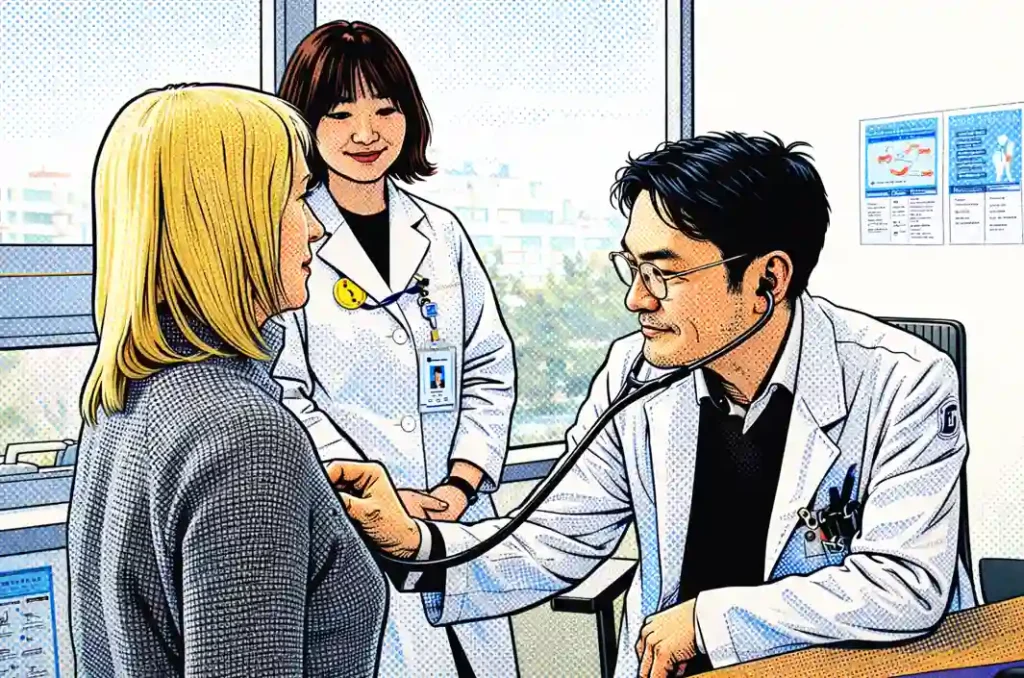


Is South Korea Safe for Medical Tourism in 2026? Yes, South Korea is considered one of the safest destinations for medical tourism in 2026 due to its advanced hospitals, internationally trained doctors, strong healthcare regulations, and modern medical technology. Patients can improve safety further by choosing accredited hospitals, verifying surgeon credentials, and planning proper postoperative care.
KoreaMedTour.com
South Korea is widely considered one of the safest and most advanced destinations for medical tourism in 2026. The country combines internationally accredited hospitals, highly trained specialists, advanced medical technology, strong public safety, and efficient healthcare infrastructure. Millions of international patients visit South Korea annually for procedures ranging from cosmetic surgery and dermatology to cancer treatment, orthopedics, fertility care, and robotic surgery.
For most travelers, medical tourism in South Korea is safe when patients choose properly licensed hospitals, verify physician credentials, and work with reputable medical coordinators. The country maintains strict healthcare regulations, modern infection-control systems, and one of the world’s fastest emergency response networks. However, like any international medical destination, there are still risks involving communication barriers, unrealistic expectations, postoperative care, and unlicensed clinics.
Table of Contents
Why South Korea Became a Global Medical Tourism Hub
Over the past decade, South Korea has evolved into one of the leading healthcare destinations in Asia. International patients are attracted by:
- Advanced medical technology
- Competitive treatment costs
- Short waiting times
- Internationally trained physicians
- Strong cosmetic and reconstructive surgery expertise
- Digitalized hospital systems
- High standards of hygiene and patient safety
According to the Korea Health Industry Development Institute, international patient numbers have continued recovering and growing after the pandemic era, particularly from Southeast Asia, the Middle East, North America, and Japan.
Major medical tourism sectors include:
| Specialty | Popular Treatments |
|---|---|
| Cosmetic Surgery | Rhinoplasty, facial contouring, eyelid surgery |
| Dermatology | Laser treatments, anti-aging procedures |
| Oncology | Proton therapy, robotic cancer surgery |
| Orthopedics | Spine surgery, joint replacement |
| Fertility | IVF and reproductive medicine |
| Dentistry | Implants, orthodontics |
| Health Screening | Executive checkups and diagnostics |
Is Korea Actually Safe for Foreign Medical Patients?
Yes — But Safety Depends on Choosing the Right Provider
South Korea has an excellent overall safety profile for healthcare. The country operates under a highly regulated medical licensing system supervised by the Ministry of Health and Welfare.
Key safety strengths include:
- Strict physician licensing requirements
- Advanced hospital accreditation systems
- Modern ICU and emergency medicine standards
- Digitized patient records
- High surgical volumes in specialized fields
- Low rates of hospital-acquired infections compared to many global averages
- Excellent urban infrastructure and transportation
However, not every clinic operates at the same quality level. Patients should distinguish between:
- Large university hospitals
- Government-certified international clinics
- Small private clinics targeting tourists
- Unlicensed medical brokers
The safest approach is choosing internationally accredited hospitals with multilingual patient support departments.
What Makes South Korea’s Healthcare System Reliable?
1. Internationally Accredited Hospitals
Many major hospitals in Seoul and other cities hold international accreditations such as:
- JCI (Joint Commission International)
- ISO healthcare certifications
- Korean Institute for Healthcare Accreditation standards
Examples include:
- Seoul National University Hospital
- Samsung Medical Center
- Asan Medical Center
- Yonsei Severance Hospital
These hospitals often maintain:
- Dedicated international patient centers
- Interpreter services
- Airport transportation coordination
- Multilingual medical documentation
- International insurance support
2. Advanced Medical Technology
South Korea is recognized globally for adopting cutting-edge healthcare technologies rapidly.
Examples include:
- AI-assisted diagnostics
- Robotic surgery systems
- Advanced imaging platforms
- Precision oncology
- Stem-cell and regenerative medicine research
- Smart operating rooms
Hospitals frequently integrate:
- Electronic medical records
- Real-time patient monitoring
- Automated pharmacy systems
- High-speed laboratory diagnostics
This technological infrastructure reduces delays and can improve treatment accuracy.
3. Strong Public Safety Environment
Medical tourists often ask not only about hospitals, but also personal safety.
South Korea ranks among the safer developed countries for:
- Violent crime rates
- Public transportation safety
- Urban surveillance systems
- Emergency response accessibility
International visitors generally report feeling safe traveling in areas like:
- Seoul
- Busan
- Incheon
This matters significantly for postoperative recovery and solo travelers seeking treatment abroad.
Common Medical Tourism Risks in Korea
Even though South Korea is considered safe overall, medical tourism still involves important risks.
Communication Barriers
Large hospitals typically provide interpreters, but smaller clinics may not.
Potential problems include:
- Misunderstanding procedure risks
- Incomplete informed consent
- Medication confusion
- Postoperative instruction errors
Patients should always request:
- English-language documentation
- Written treatment plans
- Detailed recovery instructions
Cosmetic Surgery Risks
South Korea is globally famous for cosmetic surgery, but this popularity has also led to aggressive medical marketing.
Risks include:
- Clinics prioritizing volume over patient screening
- Unrealistic beauty expectations
- Unlicensed brokers targeting foreigners online
- Inadequate follow-up care after returning home
Common warning signs:
- Deep discount promotions
- Pressure to undergo multiple procedures
- Lack of transparent surgeon credentials
- No hospital affiliation
Patients should verify:
- Board certification
- Surgical experience
- Real before-and-after case reviews
- Emergency response capability
Postoperative Travel Risks
Flying too soon after surgery can increase:
- Blood clot risk
- Swelling
- Infection complications
- Wound healing problems
Doctors often recommend waiting:
- 1–2 weeks after minor procedures
- Several weeks after major surgery
Recovery planning is one of the most overlooked aspects of medical tourism safety.
How Korea Protects International Medical Tourists
Government Oversight
The South Korean government actively promotes medical tourism while regulating healthcare institutions.
Protective measures include:
- Hospital licensing inspections
- International patient registration systems
- Medical dispute mediation programs
- Infection-control regulations
- Advertising restrictions for certain procedures
The Korea Health Industry Development Institute also supports international patient coordination and healthcare quality programs.
Infection Control and Hygiene Standards
Following global pandemic reforms, Korean hospitals strengthened:
- Air filtration systems
- Isolation protocols
- Surgical sterilization monitoring
- Digital infection tracking
Patients visiting major tertiary hospitals generally encounter:
- Strict hygiene protocols
- Temperature and symptom screening systems
- Sanitization stations
- Controlled surgical environments
This contributes to Korea’s reputation for clean and efficient medical facilities.
Is Korea Safe for Cosmetic Surgery Tourism?
Generally Yes — With Proper Research
South Korea remains one of the world’s leading destinations for:
- Rhinoplasty
- Jaw contouring
- Blepharoplasty
- Skin treatments
- Hair transplantation
The country performs extremely high procedure volumes, which can improve surgeon specialization.
However, cosmetic surgery carries unique considerations:
- Beauty standards differ culturally
- Some clinics heavily market to foreigners
- Revision surgeries can be expensive
- Follow-up care after returning home may be difficult
Best Practices for Cosmetic Surgery Safety
Patients should:
- Research surgeons independently
- Avoid choosing based only on price
- Request full consultation records
- Confirm anesthesia qualifications
- Plan adequate recovery time
- Purchase medical travel insurance
Medical Tourism Costs vs Safety
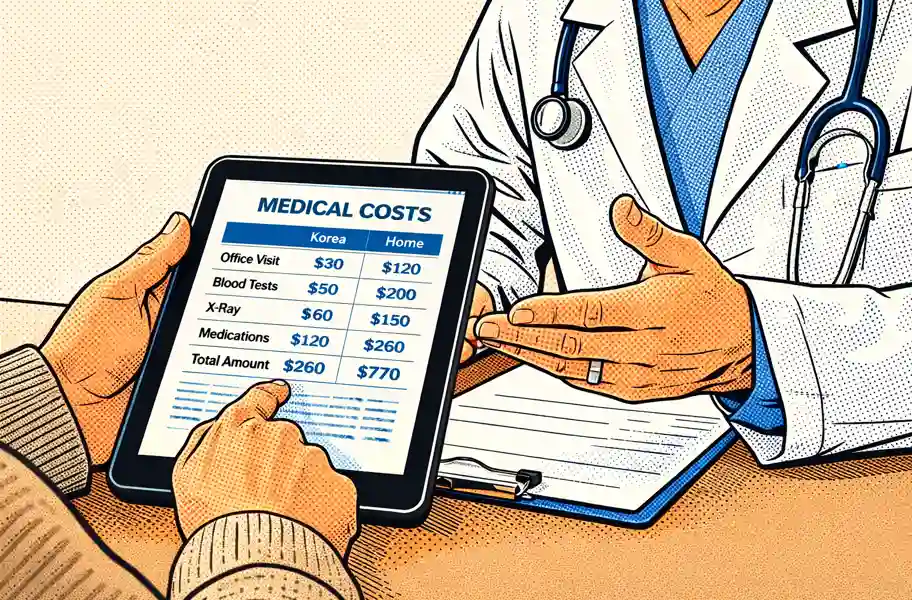
One reason patients choose Korea is value.
Compared with countries like the United States, some procedures may cost significantly less while maintaining advanced standards.
However, lower prices should never be the primary decision factor.
Safer providers typically offer:
- Transparent pricing
- Detailed treatment plans
- Preoperative testing
- Comprehensive aftercare
Extremely low-cost clinics may cut corners in:
- Staffing
- Sterilization
- Emergency preparedness
- Follow-up services
How to Choose a Safe Korean Hospital
Checklist for International Patients
Verify Accreditation
Look for:
- JCI accreditation
- University hospital affiliations
- Government certifications
Confirm Surgeon Credentials
Ask about:
- Board certification
- Years of experience
- Specialty training
- Procedure volume
Evaluate Communication Quality
A safe hospital should provide:
- Professional interpreters
- Written documentation
- Clear risk explanations
Check Emergency Preparedness
Major procedures should occur in facilities with:
- ICU access
- Emergency surgical capability
- Anesthesiology specialists
Review Independent Patient Experiences
Look for:
- Verified reviews
- Medical tourism forums
- Long-term recovery experiences
What International Patients Often Say About Korea
Many medical tourists report positive experiences involving:
- Fast appointment scheduling
- Efficient diagnostics
- Advanced facilities
- High hospitality standards
- Strong postoperative monitoring
Patients particularly praise:
- Digital efficiency
- Hospital cleanliness
- Organized care systems
- Transportation convenience
However, negative experiences usually involve:
- Miscommunication
- Aggressive cosmetic sales tactics
- Insufficient recovery planning
- Hidden costs at smaller clinics
Who Should Be More Careful?
Certain patients require extra caution when considering overseas treatment.
Higher-risk groups include:
- Elderly patients
- People with complex chronic illnesses
- High-risk surgical candidates
- Patients requiring long-term rehabilitation
- Individuals with limited travel mobility
These patients should prioritize:
- Large tertiary hospitals
- Coordinated care teams
- International medical record sharing
- Extended postoperative observation
Future of Medical Tourism Safety in Korea (2026 and Beyond)
South Korea continues investing heavily in:
- AI healthcare
- Smart hospitals
- Digital health records
- Precision medicine
- International patient infrastructure
Emerging trends include:
- Remote postoperative telemedicine
- AI-assisted multilingual translation
- Robotic rehabilitation
- Personalized genomic medicine
As healthcare globalization expands, Korea is positioning itself as a premium medical tourism destination focused on both innovation and safety.
Final Verdict: Is Korea Safe for Medical Tourism?
Yes — South Korea is generally considered one of the safest countries for medical tourism in 2026, especially when patients choose accredited hospitals and qualified specialists.
The country offers:
- Advanced healthcare technology
- Highly trained physicians
- Strong hygiene standards
- Excellent urban safety
- Efficient patient systems
Still, safety ultimately depends on:
- Careful provider selection
- Realistic expectations
- Proper recovery planning
- Transparent communication
Patients who conduct thorough research and work with reputable hospitals can often receive high-quality medical care in South Korea with outcomes comparable to leading global healthcare systems.
FAQ Section

Is South Korea safe for medical tourism in 2026?
Yes, South Korea is widely recognized as one of the safest medical tourism destinations in 2026. Korea medical tourism safety standards are supported by advanced hospitals, experienced specialists, strict healthcare regulations, and internationally accredited medical centers that treat thousands of foreign patients annually.
Why do foreigners choose South Korea healthcare for foreigners?
Many international patients choose South Korea healthcare for foreigners because of advanced medical technology, shorter waiting times, affordable treatment costs, and globally respected specialists. Korean hospitals also provide multilingual coordinators, digital healthcare systems, and modern recovery facilities for overseas visitors.
Is cosmetic surgery in Korea safe for international patients?
Safe cosmetic surgery in Korea is possible when patients choose licensed surgeons and accredited hospitals. South Korea is famous for facial surgery, dermatology, and anti-aging procedures, but patients should avoid unverified clinics, unrealistic discount promotions, and unlicensed medical brokers.
What are the biggest risks of medical tourism in South Korea?
The main risks include communication barriers, inadequate postoperative planning, and selecting low-quality clinics based only on price. To improve Korea medical tourism safety, patients should verify surgeon credentials, request written treatment plans, and schedule proper recovery time before flying home.
How can I safely choose a hospital for medical tourism in South Korea?
To safely use South Korea healthcare for foreigners, patients should look for internationally accredited hospitals, experienced specialists, interpreter support services, transparent pricing, and strong emergency care systems. Researching patient reviews and hospital certifications can also improve medical tourism safety in Korea.

Korea Med Tour – Trusted Blog for Medical Tourism in Korea
Korea Med Tour is a trusted medical tourism content platform providing accurate, research-based healthcare information for international patients considering treatment in Korea.
Our editorial team specializes in global patient guidance, treatment insights, clinic selection, and medical travel planning. All content is developed using verified medical sources and structured editorial review processes to ensure clarity, safety, and reliability.
We are committed to helping international patients make informed and confident medical travel decisions when choosing Korea as their healthcare destination.