
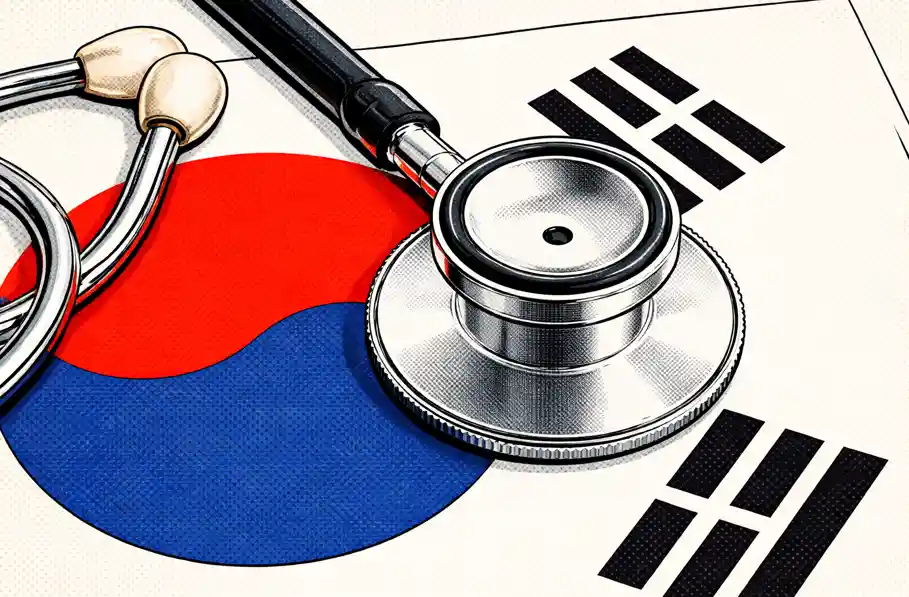

Why are global patients choosing South Korea for medical tourism in 2026? Global patients are choosing South Korea for medical tourism in 2026 because the country offers advanced healthcare technology, AI-powered diagnostics, internationally accredited hospitals, skilled specialists, and faster treatment access. South Korea is especially popular for cosmetic surgery, cancer care, fertility treatment, and preventive health screenings.
KoreaMedTour.com
Quick Summary
Korea medical tourism in 2026 combines advanced healthcare technology, internationally recognized specialists, and efficient patient care, making South Korea one of the world’s leading destinations for cosmetic surgery, cancer treatment, fertility care, and preventive medicine.
Key Insights:
- AI-Powered Healthcare: Advanced diagnostics, robotic surgery, and precision medicine systems
- Specialized Medical Experts: Internationally trained doctors across multiple specialties
- Fast Treatment Access: Short waiting times for consultations, imaging, and surgery
- Comprehensive Patient Services: Multilingual coordinators, digital care systems, and personalized treatment plans
- High-Value Healthcare: Premium-quality medical care at more competitive costs than many Western countries
Treatment costs, recovery time, and medical outcomes can vary depending on hospital accreditation, physician expertise, treatment complexity, and post-operative care requirements.
Table of Contents
What Is Medical Tourism?
Medical tourism refers to traveling to another country to receive medical care, surgical treatment, wellness services, or preventive healthcare. Patients typically seek overseas treatment for one or more of the following reasons:
- Lower medical costs
- Faster access to treatment
- Higher-quality specialized care
- Advanced medical technology
- Privacy and discretion
- Access to procedures unavailable in their home country
South Korea has emerged as a major global medical tourism hub because it combines technologically advanced healthcare with relatively affordable pricing compared with the United States, Japan, and parts of Europe.
Why South Korea Is Leading Medical Tourism in 2026
1. Advanced Digital Healthcare Infrastructure
Korean hospitals are among the world’s most digitally integrated healthcare systems. Many major hospitals now use:
- AI-assisted radiology analysis
- Robotic surgical systems
- Smart patient monitoring
- Cloud-based medical records
- Real-time translation systems
- Digital recovery tracking applications
Hospitals in Seoul increasingly provide integrated international patient apps that allow visitors to:
- Upload medical records before arrival
- Receive treatment plans remotely
- Book translators
- Manage payments digitally
- Monitor post-operative recovery
This streamlined experience reduces administrative complexity for overseas patients.
2. Growth of AI-Powered Diagnostics
One of the most significant 2026 trends is the integration of artificial intelligence into diagnostic medicine.
Korean medical centers now commonly use AI for:
- Early cancer detection
- Lung CT analysis
- Breast imaging support
- Cardiac risk assessment
- Skin lesion screening
- Personalized treatment prediction
AI systems are particularly valuable in preventive health screening programs, an area where Korea has built a strong international reputation.
Example
A patient visiting Seoul for a premium executive health checkup may complete:
- Full blood analysis
- MRI imaging
- CT scans
- Endoscopy
- Genetic screening
- Cardiovascular assessment
within one or two days, with AI-assisted interpretation improving diagnostic speed and consistency.
Most Popular Medical Tourism Treatments in Korea
Cosmetic Surgery and Aesthetic Medicine
South Korea remains globally famous for cosmetic surgery and minimally invasive aesthetic procedures.
Popular procedures include:
- Rhinoplasty
- Double eyelid surgery
- Facial contouring
- Anti-aging treatments
- Laser skin resurfacing
- Hair transplantation
- Skin tightening
- Botox and fillers
The industry has shifted in 2026 toward more natural-looking outcomes and regenerative aesthetics.
New Trend: Regenerative Beauty Treatments
Clinics increasingly offer:
- Stem-cell-based skin rejuvenation
- PRP therapy
- Exosome treatments
- Collagen biostimulation
- Personalized dermatology protocols
International patients are now seeking long-term skin health rather than dramatic cosmetic transformation.
Cancer Treatment and Precision Oncology
South Korea has expanded significantly in oncology tourism.
International patients increasingly travel to Korea for:
- Proton therapy
- Precision radiation treatment
- Immunotherapy
- Robotic cancer surgery
- Genomic cancer profiling
Large Korean hospitals now collaborate with biotechnology companies to deliver personalized oncology plans based on molecular diagnostics.
Why Patients Choose Korea for Cancer Care
Key reasons include:
- Shorter waiting times
- Advanced imaging technology
- Multidisciplinary care teams
- International patient departments
- Lower treatment costs than some Western countries
Orthopedic and Spine Surgery
Aging populations across Asia have increased demand for orthopedic medical tourism.
Korea is seeing strong growth in:
- Knee replacement surgery
- Minimally invasive spine surgery
- Sports injury treatment
- Robotic joint replacement
- Rehabilitation medicine
Hospitals now combine surgery with intensive recovery programs designed specifically for international patients.
Fertility Treatment and Reproductive Medicine
Fertility tourism is also expanding in Korea in 2026.
International patients seek:
- IVF treatment
- Egg freezing
- Fertility preservation
- Hormonal reproductive therapy
- Male infertility treatment
Korean fertility centers are increasingly using AI embryo analysis systems to improve embryo selection and IVF efficiency.
Major Drivers Behind Korea Medical Tourism Growth

Competitive Pricing
Although Korea is not the cheapest medical tourism destination globally, it offers strong value relative to quality.
For example:
| Procedure | Korea | United States |
|---|---|---|
| Rhinoplasty | Lower overall cost | Significantly higher |
| Full health screening | Often bundled | More fragmented |
| Spine surgery | Lower hospitalization cost | Much higher |
| IVF cycles | Competitive pricing | Often expensive |
Patients often perceive Korean healthcare as a premium-but-accessible option.
Faster Access to Care
In many countries, patients face long waiting periods for:
- Specialist consultations
- Diagnostic imaging
- Elective surgery
Korean hospitals frequently provide consultations and treatment scheduling within days or weeks.
This is particularly attractive for:
- Orthopedic patients
- Cancer patients
- International executives
- Medical travelers with limited vacation time
International Accreditation and Safety Standards
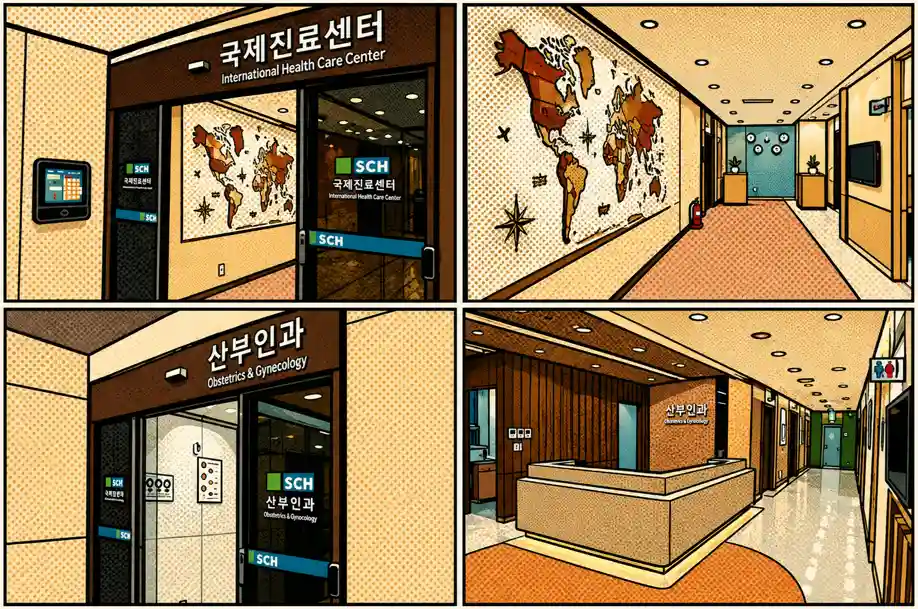
Many leading Korean hospitals hold international accreditations and maintain high surgical safety standards.
International patient centers commonly provide:
- Multilingual coordinators
- Airport transportation
- Visa support
- Medical interpretation
- Hotel partnerships
- Recovery assistance
This reduces barriers for non-Korean-speaking patients.
Seoul Remains the Center of Medical Tourism
Seoul continues to dominate Korea’s medical tourism industry.
Major medical districts include:
- Gangnam for cosmetic surgery and dermatology
- Songdo for international medical services
- University hospital networks for advanced specialty care
Gangnam, in particular, has become internationally associated with beauty medicine and luxury recovery clinics.
The Rise of Wellness and Preventive Medical Tourism
Another important 2026 trend is preventive healthcare tourism.
Patients increasingly travel to Korea for:
- Executive health checkups
- Longevity programs
- Metabolic screening
- Hormonal optimization
- Nutrition analysis
- Sleep evaluation
- Stress management
This reflects a broader shift from reactive medicine to preventive and personalized healthcare.
Why Preventive Screening Is Popular
Korean hospitals can perform extensive diagnostic testing rapidly and efficiently.
A comprehensive screening package may include:
- MRI
- CT
- Ultrasound
- Cardiac testing
- Gastrointestinal endoscopy
- Cancer markers
- Bone density analysis
Many patients complete these evaluations in one or two days.
Medical Tourism and Recovery Hospitality
Korea’s medical tourism industry now overlaps heavily with luxury hospitality.
Recovery-focused services include:
- Private recovery suites
- Wellness hotels
- Post-surgical nutrition programs
- Concierge transportation
- Translator-assisted aftercare
- Personalized skincare recovery systems
Some cosmetic surgery patients remain in Korea for one to three weeks during recovery.
Challenges Facing Korea Medical Tourism in 2026
Despite strong growth, the industry faces several ongoing challenges.
Language and Communication
Although major hospitals provide translators, communication quality can vary across smaller clinics.
Patients should confirm:
- Language support availability
- Emergency communication systems
- Written treatment documentation
before traveling.
Variability Between Clinics
Not all clinics maintain the same safety standards.
Patients should verify:
- Board-certified physicians
- Hospital accreditation
- Surgical complication protocols
- Emergency transfer capabilities
- Verified patient reviews
Choosing clinics based only on social media marketing can increase risk.
Post-Operative Continuity of Care
Follow-up care after returning home remains a challenge for international patients.
Experts recommend:
- Obtaining complete medical records
- Scheduling virtual follow-ups
- Coordinating with local physicians
- Understanding complication management procedures
before undergoing treatment abroad.
How Korea Is Competing Against Other Medical Tourism Destinations
South Korea competes directly with:
- Thailand
- Singapore
- Turkey
- India
- Japan
However, Korea differentiates itself through:
| Strength | Korea’s Advantage |
|---|---|
| Cosmetic surgery | Global reputation |
| Digital hospitals | Highly advanced |
| AI integration | Rapid adoption |
| Health screening | Extremely efficient |
| Dermatology | Strong innovation |
| Urban infrastructure | Highly developed |
Rather than competing solely on price, Korea positions itself as a high-quality technology-driven healthcare destination.
Future Outlook for Korea Medical Tourism
The future outlook remains strong through 2026 and beyond.
Industry analysts expect continued growth in:
- AI-assisted medicine
- Precision oncology
- Longevity medicine
- Robotic surgery
- Digital recovery systems
- Cross-border telemedicine
Korean healthcare providers are increasingly partnering with:
- International insurance companies
- Global concierge medicine networks
- Travel platforms
- Wellness brands
This integration will likely make medical travel easier and more standardized for overseas patients.
FAQ Section

Is South Korea good for medical tourism in 2026?
Yes. South Korea is considered one of the world’s leading medical tourism destinations due to advanced technology, specialized physicians, efficient hospitals, and strong cosmetic and preventive healthcare sectors.
What treatments are most popular among medical tourists in Korea?
Popular treatments include cosmetic surgery, dermatology, cancer treatment, orthopedic surgery, spine procedures, fertility treatment, and executive health screenings.
Is medical treatment in Korea cheaper than in the United States?
In many cases, yes. Procedures in Korea are often significantly less expensive than comparable treatments in the United States while still maintaining high medical standards.
Why is Seoul famous for cosmetic surgery?
Seoul is globally recognized for advanced cosmetic surgery clinics, experienced surgeons, modern medical technology, and strong aesthetic medicine innovation.
What should international patients check before choosing a Korean clinic?
Patients should verify physician credentials, accreditation, patient reviews, language support services, emergency protocols, and post-treatment follow-up options.
Key Takeaways
South Korea’s medical tourism industry in 2026 is evolving far beyond cosmetic surgery. The country now offers a highly integrated healthcare ecosystem that combines:
- Advanced medical technology
- AI-powered diagnostics
- International patient services
- Preventive medicine
- Specialized surgery
- Luxury recovery support
Patients are increasingly choosing Korea because of its balance between quality, efficiency, innovation, and accessibility.
However, successful medical tourism still requires careful clinic selection, realistic expectations, and proper follow-up planning. Patients should prioritize accredited hospitals, qualified specialists, and transparent communication when considering overseas medical care.
As healthcare becomes increasingly globalized and technology-driven, South Korea is positioned to remain one of the world’s leading medical tourism destinations.

Korea Med Tour – Trusted Blog for Medical Tourism in Korea
Korea Med Tour is a trusted medical tourism content platform providing accurate, research-based healthcare information for international patients considering treatment in Korea.
Our editorial team specializes in global patient guidance, treatment insights, clinic selection, and medical travel planning. All content is developed using verified medical sources and structured editorial review processes to ensure clarity, safety, and reliability.
We are committed to helping international patients make informed and confident medical travel decisions when choosing Korea as their healthcare destination.