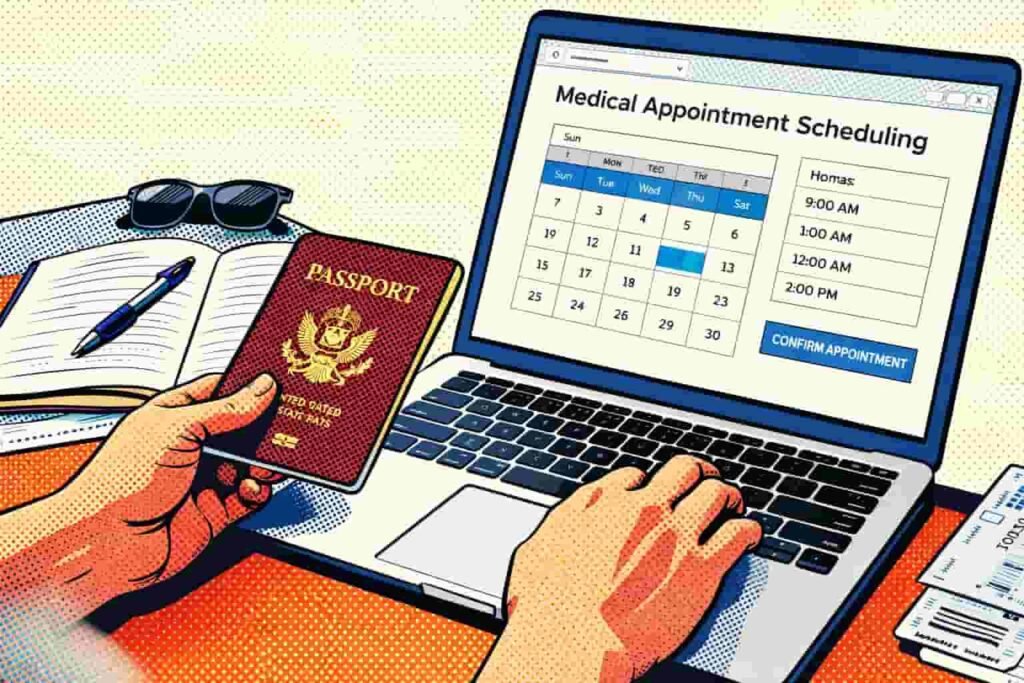


What to Expect When Visiting a Korean Hospital?
KoreaMedTour.com
International patients visiting a Korean hospital can expect an organized healthcare system with efficient appointments, experienced specialists, advanced diagnostic technology, multilingual support, transparent medical costs, and comprehensive follow-up care. Most major hospitals provide dedicated international patient services, making South Korea one of the world’s most trusted destinations for high-quality medical treatment in 2026.
Quick Summary
What to Expect When Visiting a Korean Hospital helps international patients understand every stage of receiving medical care in South Korea, from scheduling appointments and hospital registration to specialist consultations, diagnostic testing, treatment, payment, and follow-up care. Most major Korean hospitals offer International Patient Centers, multilingual coordinators, professional interpreter services, advanced medical technology, and transparent treatment planning, making the healthcare experience efficient, safe, and patient-centered. By understanding the hospital process before arrival, patients can reduce stress, communicate more effectively with healthcare providers, and confidently navigate their medical journey while achieving the best possible treatment outcomes.
Key Advantages:
- Clear understanding of the complete patient journey when visiting a Korean hospital, from appointment booking to post-treatment follow-up
- Streamlined registration and admission process with dedicated International Patient Centers for overseas patients
- Professional multilingual coordinators and certified medical interpreter services to facilitate accurate communication
- Access to highly experienced specialists across dermatology, plastic surgery, ophthalmology, dentistry, oncology, orthopedics, fertility treatment, cardiology, and other medical specialties
- Comprehensive consultations supported by advanced diagnostic imaging, laboratory testing, and personalized treatment planning
- Transparent explanations of treatment options, expected outcomes, potential risks, recovery timelines, and estimated medical costs
- Efficient same-day diagnostic testing and coordinated multidisciplinary care to minimize waiting times
- Secure electronic medical records, digital appointment systems, online patient portals, and convenient payment options
- Assistance with international insurance documentation, medical billing, translated medical reports, and discharge paperwork when applicable
- Safe inpatient care with modern facilities, evidence-based infection prevention protocols, and continuous nursing support
- Convenient pharmacy services with medication counseling, prescription management, and postoperative care instructions
- Telemedicine consultations and remote follow-up services that support continuity of care after patients return to their home country
Common Use Cases:
What to Expect When Visiting a Korean Hospital is valuable for international patients seeking cosmetic and plastic surgery, dermatology treatments, SMILE LASIK, LASIK, LASEK, cataract surgery, glaucoma treatment, dental implants, orthodontics, full-mouth rehabilitation, orthopedic and spine surgery, sports medicine, robotic surgery, cancer diagnosis and treatment, fertility treatment (IVF), women’s health, cardiovascular care, gastrointestinal endoscopy, liver disease management, kidney treatment, regenerative medicine, stem cell therapy where legally available, rehabilitation programs, executive health screenings, preventive health check-ups, chronic disease management, pediatric specialty care, second medical opinions, telemedicine follow-up consultations, anti-aging medicine, wellness programs, and comprehensive medical tourism services for patients seeking advanced, high-quality healthcare in South Korea.
Table of Contents
What to Expect When Visiting a Korean Hospital
South Korea has become one of the world’s leading destinations for international healthcare, attracting hundreds of thousands of patients every year for advanced medical treatment, cosmetic procedures, cancer care, ophthalmology, orthopedics, health screenings, fertility treatment, and dermatology.
If you are planning medical treatment in Korea, understanding how Korean hospitals operate can help reduce anxiety and make your visit much smoother. Most major hospitals have streamlined systems designed for international patients, including multilingual coordinators, interpreter services, digital appointment management, and transparent treatment processes.
This guide explains exactly what you can expect when visiting a Korean hospital—from making your appointment to receiving follow-up care—based on current healthcare practices in 2026.
Why Korea Has Become a Leading Medical Tourism Destination
South Korea has built an international reputation for combining advanced medical technology with highly trained specialists and efficient healthcare delivery.
Many internationally recognized hospitals offer:
- State-of-the-art diagnostic imaging
- Robotic-assisted surgery
- Advanced cancer treatment
- LASIK and SMILE vision correction
- Plastic and reconstructive surgery
- Dermatology and anti-aging medicine
- Comprehensive health screening programs
Another reason many international patients choose Korea is the relatively short waiting time compared with healthcare systems in several other developed countries.
Before You Visit
Preparing in advance can significantly improve your hospital experience.
International patients should ideally prepare:
- Passport
- Appointment confirmation
- Previous medical records
- Imaging studies (CT, MRI, X-rays)
- Laboratory reports
- Current medication list
- Allergy information
- Insurance documentation (if applicable)
Many hospitals recommend sending medical records before arrival so specialists can review your case ahead of your consultation.
Step 1: Arrival and Registration
Upon arriving at the hospital, patients first complete the registration process.
Registration typically includes:
- Passport verification
- Patient information form
- Contact details
- Medical history questionnaire
- Consent forms
International clinics usually assist overseas patients throughout this process.
Practical Example
A patient traveling from Australia for cataract surgery arrives at the international center. The coordinator verifies the passport, confirms the appointment, prints identification labels, and guides the patient directly to the ophthalmology department.
The registration process usually takes only a short time if appointments were scheduled in advance.
Step 2: Meeting Your International Patient Coordinator
Many tertiary hospitals have dedicated International Healthcare Centers.
These coordinators often help with:
- Appointment scheduling
- Department navigation
- Interpreter arrangements
- Cost estimates
- Insurance paperwork
- Medical document translation
- Hotel recommendations
- Airport transportation information
Having one point of contact greatly simplifies the experience for overseas patients.
Step 3: Language Support
One of the biggest concerns for international visitors is communication.
Fortunately, many hospitals provide professional interpreter services.
Languages commonly available include:
- English
- Japanese
- Chinese
- Russian
- Arabic
- Vietnamese
- Mongolian
- Indonesian
- Thai
Professional medical interpreters help ensure accurate communication between physicians and patients, reducing the risk of misunderstandings regarding symptoms, diagnoses, treatment options, medications, or informed consent.
Step 4: Consultation with the Specialist
The consultation is typically thorough and focused on understanding your medical condition and treatment goals.
During the visit, the physician may:
- Review your medical history
- Discuss your symptoms
- Examine previous test results
- Perform a physical examination
- Recommend additional testing
- Explain possible diagnoses
- Outline treatment options
- Answer patient questions
Many Korean physicians caring for international patients are experienced in discussing complex medical conditions with individuals from different cultural backgrounds.
Step 5: Diagnostic Testing
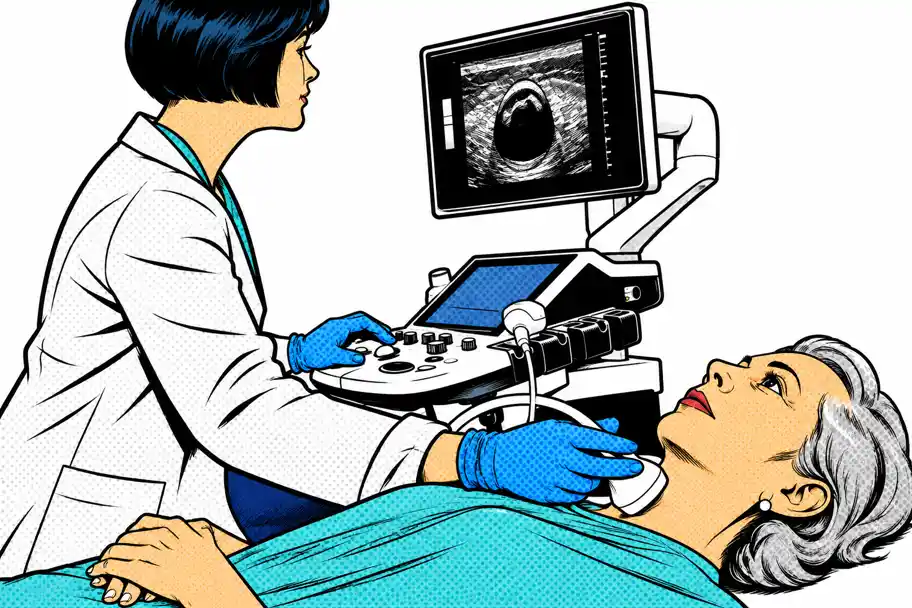
If additional evaluation is needed, hospitals often perform diagnostic testing on the same day whenever possible.
Common diagnostic services include:
- Blood tests
- Urine analysis
- CT scans
- MRI scans
- Ultrasound
- X-rays
- Endoscopy
- ECG
- Pulmonary function testing
- Vision examinations
One characteristic of Korean healthcare is the efficient coordination between departments, allowing patients to complete multiple tests during a single hospital visit.
Step 6: Receiving Your Diagnosis
After reviewing test results, your physician explains:
- The diagnosis
- Disease severity
- Treatment options
- Benefits and risks
- Expected recovery
- Alternative approaches
- Estimated treatment timeline
Patients are encouraged to ask questions before making decisions.
Common questions include:
- Is surgery necessary?
- Are non-surgical treatments available?
- What are the success rates?
- How long is recovery?
- Will additional follow-up be required?
Step 7: Understanding Treatment Costs
Cost transparency is an important aspect of international patient services.
Hospitals typically provide estimates before major procedures.
Costs may include:
- Consultation fees
- Imaging
- Laboratory tests
- Surgery
- Hospital stay
- Anesthesia
- Medications
- Follow-up appointments
Some hospitals prepare comprehensive treatment quotations before patients travel to Korea.
Step 8: Payment Methods
Most hospitals accept multiple payment options.
Common payment methods include:
- International credit cards
- Cash
- Bank transfers
- Medical travel agency arrangements
- International insurance (when accepted)
Patients should confirm payment policies before treatment, as insurance coverage varies significantly between countries and providers.
Step 9: Hospital Admission (If Required)
Patients undergoing surgery or complex treatment may be admitted.
Hospital admission generally includes:
- Identity verification
- Nursing assessment
- Vital signs
- Medication review
- Room assignment
- Preoperative instructions
Hospital rooms range from private suites to multi-patient rooms.
Private rooms generally provide:
- Greater privacy
- Family accommodations
- Additional amenities
- Reduced noise
What Inpatient Care Is Like
Korean hospitals are known for structured inpatient care.
Patients can expect:
- Regular physician rounds
- Frequent nursing assessments
- Continuous vital sign monitoring
- Medication administration
- Nutritional support
- Rehabilitation services (when indicated)
Family visitation policies vary by hospital and infection control requirements.
Medication and Pharmacy Services
After outpatient consultations, patients usually receive prescriptions electronically.
Hospital pharmacies commonly provide:
- Prescription medications
- Usage instructions
- Dosage explanations
- Safety precautions
For international patients, medication labels or counseling may be available in multiple languages depending on the institution.
Follow-Up Care After Treatment

Good medical care continues after discharge.
Follow-up may include:
- Wound evaluation
- Medication adjustments
- Imaging review
- Rehabilitation
- Telemedicine consultation
- Progress monitoring
Many hospitals now offer virtual follow-up appointments for patients who have returned to their home country.
Infection Prevention and Patient Safety
South Korean hospitals maintain strict patient safety protocols.
Common safety measures include:
- Hand hygiene programs
- Sterile surgical procedures
- Patient identification verification
- Medication safety checks
- Infection surveillance
- Equipment sterilization
- Electronic medical records
These protocols are aligned with internationally recognized patient safety practices and hospital accreditation standards.
Digital Healthcare Experience
Many hospitals have embraced digital healthcare technologies.
Patients may encounter:
- Online appointment booking
- Mobile check-in
- Electronic medical records
- Digital prescriptions
- Patient portals
- Automated payment kiosks
- SMS appointment reminders
These technologies help reduce waiting times and improve care coordination.
Cultural Differences International Patients Should Know
Understanding Korean healthcare culture can make your visit more comfortable.
Some differences include:
Efficient Scheduling
Appointments generally begin on time, and hospitals encourage patients to arrive early.
Specialist-Based Care
Patients often see specialists directly rather than first visiting a general practitioner.
Fast Diagnostic Process
Diagnostic testing may be completed much faster than in many countries.
Team-Based Medicine
Complex cases frequently involve collaboration among multiple specialists.
Common Concerns from International Patients
Will I be able to communicate?
Large hospitals commonly provide professional interpreters or multilingual coordinators.
Do I need an appointment?
Appointments are strongly recommended, especially for international patients and specialized departments.
Can I use my overseas insurance?
Some hospitals work directly with international insurance companies, while others require payment first followed by reimbursement through your insurer.
Will I receive copies of my medical records?
Yes. Patients can usually request:
- Consultation summaries
- Imaging reports
- Laboratory results
- Surgical reports
- Medical certificates
- Digital imaging files
FAQ Section

What should I expect when visiting a Korean hospital for the first time?
When visiting a Korean hospital for the first time, international patients typically complete registration, meet with a specialist, undergo diagnostic tests if necessary, receive a personalized treatment plan, and discuss payment options. Many hospitals also provide multilingual coordinators and interpreter services to ensure a smooth experience.
Are Korean hospitals good for international patients?
Yes. Many hospitals specializing in Korean medical tourism operate dedicated international centers with English-speaking staff, professional medical interpreters, modern facilities, and personalized patient coordinators. These services make Korean hospitals for international patients highly accessible and efficient.
Do I need an appointment before visiting a Korean hospital?
Yes. Most hospitals recommend scheduling appointments in advance, especially for international patients. Booking early allows physicians to review your medical history beforehand and helps reduce waiting times during your visit to a Korean hospital.
What documents should I bring when visiting a Korean hospital?
Before visiting hospitals in South Korea, patients should bring a passport, appointment confirmation, previous medical records, imaging results, laboratory reports, medication list, allergy information, and health insurance documents if applicable. Having complete records allows doctors to provide more accurate treatment recommendations.
How long does a typical Korean hospital visit take?
The length of a Korean hospital guide for international patients varies depending on the consultation and required testing. Most outpatient visits are completed within two to four hours, while comprehensive health screenings or specialized procedures may require a full day or multiple appointments.
Key Takeaways
Visiting a Korean hospital is often a highly organized and patient-centered experience. From registration and specialist consultations to advanced diagnostics and coordinated follow-up care, many hospitals have developed systems specifically designed to support international patients.
Preparing your medical records in advance, scheduling appointments before arrival, and working with an international patient coordinator can significantly improve your experience. With access to modern medical technology, experienced specialists, multilingual support, and efficient care pathways, South Korea continues to be a trusted destination for patients seeking high-quality healthcare in 2026.
References
The information in this article is based on established practices and guidance from authoritative healthcare organizations, including:
- World Health Organization (WHO)
- Korean Ministry of Health and Welfare
- Korea Health Industry Development Institute (KHIDI)
- Joint Commission International (JCI)
- Korean Hospital Association
- Centers for Disease Control and Prevention (CDC) guidance on infection prevention and patient safety

Korea Med Tour – Trusted Blog for Medical Tourism in Korea
Korea Med Tour is a trusted medical tourism content platform providing accurate, research-based healthcare information for international patients considering treatment in Korea.
Our editorial team specializes in global patient guidance, treatment insights, clinic selection, and medical travel planning. All content is developed using verified medical sources and structured editorial review processes to ensure clarity, safety, and reliability.
We are committed to helping international patients make informed and confident medical travel decisions when choosing Korea as their healthcare destination.