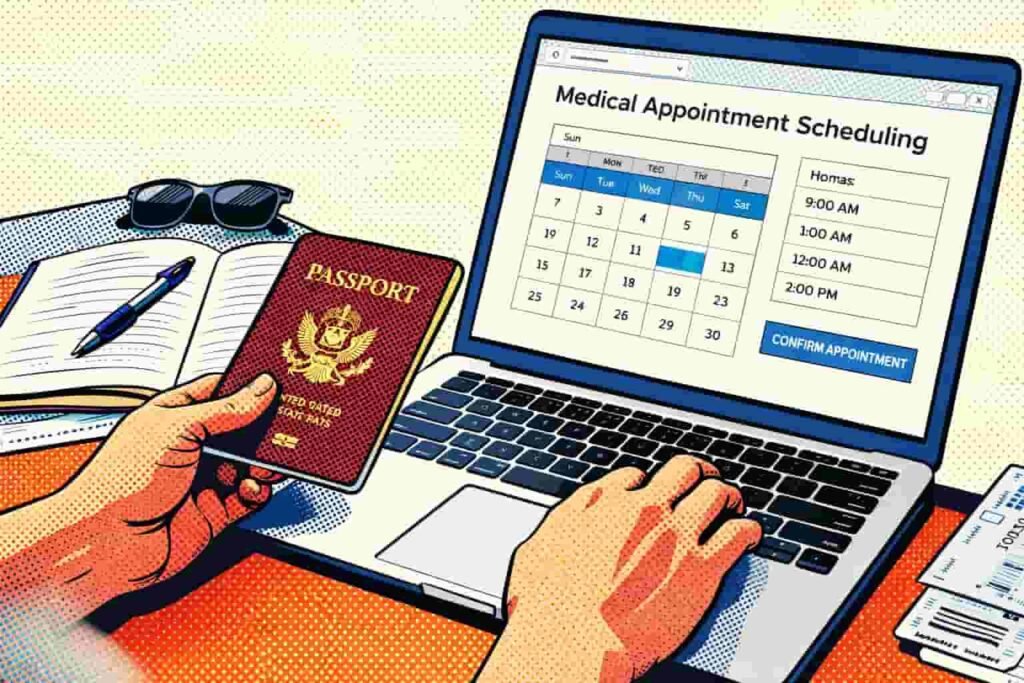


Travel tips for medical tourists in Korea include choosing an accredited hospital, preparing medical records, understanding visa requirements, arranging accommodation near your clinic, budgeting for treatment and recovery, and planning follow-up care. Proper preparation helps international patients enjoy a safer, smoother, and more successful medical journey.
KoreaMedTour.com
Quick Summary
Travel Tips for Medical Tourists in Korea help international patients prepare for a safe, efficient, and stress-free healthcare journey in South Korea. Successful medical travel involves choosing a reputable hospital and experienced specialist, preparing medical records, understanding treatment costs, arranging visas and accommodation, planning sufficient recovery time, and organizing follow-up care after returning home. With support from International Patient Centers, multilingual coordinators, and advanced healthcare facilities, medical tourists can confidently navigate every stage of their treatment while maximizing safety, comfort, and treatment outcomes.
Key Advantages:
- Comprehensive pre-travel planning to ensure a smooth and well-organized medical journey to South Korea
- Guidance on selecting internationally accredited hospitals and experienced specialists based on individual medical needs
- Assistance with preparing medical records, diagnostic imaging, laboratory results, and treatment history before departure
- Dedicated International Patient Centers offering personalized support throughout consultation, treatment, recovery, and discharge
- Professional multilingual coordinators and medical interpreter services for clear communication with healthcare providers
- Transparent treatment plans with detailed cost estimates, expected recovery timelines, and postoperative recommendations
- Support with medical visa information, travel arrangements, accommodation, airport transfers, and local transportation
- Efficient appointment scheduling with access to advanced medical technology and highly specialized physicians
- Clear instructions on medication management, preoperative preparation, postoperative care, and discharge planning
- Assistance with insurance documentation, medical billing, translated medical reports, and payment procedures when applicable
- Telemedicine and remote follow-up consultations to support continuity of care after patients return to their home country
- Practical travel advice covering recovery before flying, emergency contacts, local healthcare access, and safe travel practices to improve overall treatment outcomes
Common Use Cases:
Travel Tips for Medical Tourists in Korea are valuable for international patients planning cosmetic and plastic surgery, dermatology treatments, SMILE LASIK, LASIK, LASEK, cataract surgery, dental implants, full-mouth rehabilitation, orthodontics, orthopedic and spine surgery, sports injury treatment, cancer diagnosis and therapy, fertility treatment (IVF), cardiovascular care, gastrointestinal procedures, robotic surgery, rehabilitation programs, regenerative medicine, executive health screenings, chronic disease management, pediatric specialty care, second medical opinions, telemedicine follow-up, wellness programs, anti-aging treatments, and comprehensive medical tourism services for patients seeking advanced, high-quality healthcare in South Korea.
Table of Contents

What should medical tourists prepare before traveling to Korea?
Before arriving in Korea, international patients should:
- Choose a reputable hospital with international patient services
- Obtain medical records, imaging, and laboratory results
- Verify treatment costs and inclusions
- Arrange accommodation close to the hospital
- Purchase travel insurance (if applicable)
- Confirm visa requirements
- Plan sufficient recovery time before flying home
- Prepare payment methods accepted by the hospital
- Arrange interpretation services if necessary
- Understand follow-up care after returning home
Why Korea Is One of the World’s Top Medical Tourism Destinations
South Korea has earned an international reputation for combining advanced medical technology with highly specialized physicians and efficient healthcare systems.
Patients commonly travel to Korea for:
- Plastic surgery
- Dermatology
- LASIK and SMILE eye surgery
- Dental implants
- Cancer treatment
- Orthopedic surgery
- Spine surgery
- Fertility treatment (IVF)
- Comprehensive health screening
- Anti-aging medicine
Many hospitals also operate dedicated International Patient Centers that coordinate appointments, airport pickup, interpretation, accommodation, and post-treatment follow-up.
Before You Travel: Essential Preparation Checklist
Proper preparation begins several weeks before departure.
1. Gather Your Medical Records
Bring:
- Medical history
- Current medications
- Allergy information
- Previous surgery records
- MRI/CT/X-ray images
- Blood test results
- Physician referral letters (if available)
Electronic copies stored securely online are also recommended.
2. Confirm Your Diagnosis
Some patients travel without a confirmed diagnosis, expecting evaluation in Korea.
However, obtaining preliminary evaluations before departure helps Korean specialists:
- understand your condition
- prioritize necessary tests
- reduce unnecessary examinations
- shorten treatment timelines
3. Check Your Passport Validity
Many countries require at least six months of passport validity.
Ensure your passport remains valid throughout your planned stay.
4. Understand Visa Requirements
Visa policies differ depending on nationality.
Patients should verify:
- visa-free entry eligibility
- medical visa requirements
- maximum permitted stay
- extension options if recovery requires additional time
Hospitals assisting international patients often provide invitation letters when required.
Choosing the Right Hospital
Selecting the right provider is one of the most important decisions.
Consider:
International Accreditation
Look for hospitals accredited by internationally recognized organizations where applicable.
Examples include:
- Joint Commission International (JCI)
- National accreditation programs
- Specialty certifications
Physician Expertise
Rather than focusing solely on hospital rankings, evaluate:
- board certification
- years of clinical experience
- specialization
- published research
- procedure volume
Experienced specialists generally achieve more consistent outcomes for complex procedures.
International Patient Services
Quality international departments often provide:
- multilingual coordinators
- airport pickup
- hotel booking assistance
- interpretation
- overseas consultation
- billing support
- post-treatment coordination
Budgeting Your Medical Trip
Medical tourism expenses extend beyond hospital fees.
Consider the total cost:
| Expense | Examples |
|---|---|
| Medical treatment | Surgery, consultation, diagnostics |
| Accommodation | Hotel, serviced apartment |
| Meals | Daily expenses |
| Transportation | Airport transfers, taxis, subway |
| Medication | Prescriptions after discharge |
| Recovery services | Nursing, rehabilitation |
| Travel companion | Flights, hotel |
| Unexpected stay | Additional recovery days |
Planning a contingency budget helps avoid financial stress.
Booking Accommodation
Choosing accommodation near the hospital reduces travel during recovery.
Patients recovering from surgery often benefit from:
- elevators
- minimal stairs
- nearby pharmacies
- convenience stores
- grocery access
- quiet environments
- flexible checkout policies
Long-term medical travelers frequently select serviced residences with kitchen facilities.
Understanding Korean Healthcare Culture
Korean healthcare is generally characterized by:
- punctual appointments
- efficient scheduling
- digital medical records
- multidisciplinary care
- high patient volumes
- advanced diagnostic technology
Patients are encouraged to arrive early for appointments and bring identification for registration.
Language and Communication
Although major hospitals increasingly employ multilingual staff, language barriers may still occur.
Professional medical interpreters help patients understand:
- diagnosis
- treatment options
- surgical consent
- medication instructions
- discharge planning
Avoid relying solely on automatic translation apps for complex medical discussions.
Transportation in Korea
Korea has one of Asia’s most efficient transportation systems.
Medical tourists commonly use:
- Airport Railroad (AREX)
- subway
- taxis
- ride-hailing applications
- hospital shuttle buses (where available)
For patients recovering from surgery, taxis may be more comfortable than crowded public transportation.
Mobile Internet and Communication
Purchasing:
- eSIM
- prepaid SIM card
- portable Wi-Fi
helps maintain communication with:
- hospitals
- interpreters
- family members
- travel coordinators
Reliable internet access is also useful for telemedicine follow-up after discharge.
Food Considerations During Recovery
Korean cuisine offers many nutritious options, but dietary needs vary by treatment.
Examples:
After oral surgery:
- soft porridge
- soups
- tofu
- yogurt
After gastrointestinal procedures:
- physician-directed diet progression
Patients with allergies should communicate dietary restrictions clearly before hospitalization.
Recovery Planning

One of the most overlooked travel tips is allowing sufficient recovery time before flying home.
Recovery varies depending on:
- treatment type
- surgical complexity
- anesthesia
- individual health
- physician recommendations
Some cosmetic procedures may require several follow-up visits before clearance for air travel.
Never schedule international flights solely based on vacation plans.
Medication Management
Bring:
- original prescriptions
- medication list
- generic drug names
- dosage information
Some medications available in your home country may require alternative prescriptions in Korea.
Always discuss supplements and herbal products with your treating physician before surgery.
Payment Methods
Hospitals commonly accept:
- international credit cards
- bank transfers
- cash (subject to institutional policies)
Patients should confirm:
- deposit requirements
- refund policies
- installment availability (if offered)
- currency conversion fees
Request itemized invoices for insurance reimbursement when applicable.
Infection Prevention
Although Korean hospitals maintain high infection-control standards, patients should continue practicing:
- frequent hand hygiene
- mask use when recommended
- wound care instructions
- medication compliance
- scheduled follow-up visits
Immediately report:
- fever
- severe pain
- excessive swelling
- wound drainage
- breathing difficulty
Prompt evaluation reduces the risk of complications.
Planning Your Return Home
Before departure, obtain:
- discharge summary
- operative report
- pathology reports
- imaging results
- medication prescriptions
- follow-up instructions
- emergency contact information
These documents support ongoing care with physicians in your home country.
Telemedicine Follow-Up
Many Korean hospitals now offer remote consultations after patients return home.
Virtual follow-up appointments may include:
- wound evaluation
- medication review
- symptom monitoring
- rehabilitation guidance
- laboratory review
- imaging interpretation
Telemedicine helps maintain continuity of care while reducing unnecessary international travel.
Common Mistakes Medical Tourists Should Avoid
- Choosing hospitals based only on price
- Booking return flights too early
- Arriving without medical records
- Ignoring visa limitations
- Underestimating recovery time
- Not budgeting for unexpected expenses
- Failing to arrange interpretation
- Skipping follow-up appointments
- Using non-medical translators for informed consent
- Not discussing medications before surgery
FAQ Section

What are the most important travel tips for medical tourists in Korea?
The most important Travel Tips for Medical Tourists in Korea include selecting an internationally accredited hospital, preparing complete medical records, checking visa requirements, arranging accommodation close to your clinic, budgeting for treatment and recovery, and planning follow-up care. These steps help international patients enjoy a safe and successful medical travel experience in Korea.
How do I choose the best hospital for medical tourism in Korea?
When following a Korea medical tourism guide, look for hospitals with experienced specialists, international patient centers, multilingual coordinators, and recognized accreditation. Comparing physician expertise, treatment experience, patient reviews, and support services can help international patients choose the most suitable healthcare provider.
What documents should international patients bring to Korea for medical treatment?
International patients traveling for medical travel Korea should bring a valid passport, visa (if required), medical history, imaging studies, laboratory results, medication list, allergy information, previous surgical records, and physician referrals. Having complete documentation allows Korean specialists to evaluate your condition more efficiently.
How long should medical tourists stay in Korea after treatment?
The ideal recovery period depends on the procedure. Cosmetic treatments may require several days, while orthopedic surgery, cancer treatment, or other major procedures often require one to three weeks or longer. Following these Travel Tips for Medical Tourists in Korea helps ensure a safer recovery before returning home.
Is Korea a safe destination for international medical patients?
Yes. South Korea is considered one of the safest destinations for international patients Korea, offering advanced healthcare technology, highly trained medical professionals, modern hospitals, reliable transportation, and dedicated international patient services. Careful planning and choosing a reputable hospital further improve the safety and success of your medical tourism experience.
Key Takeaways
Traveling to South Korea for medical treatment requires more than booking an appointment—it involves thoughtful preparation before departure, informed provider selection, realistic budgeting, recovery planning, and coordinated follow-up care. Patients who organize their medical records, understand visa and travel requirements, communicate clearly with healthcare teams, and allow adequate recovery time are better positioned for a safe and successful medical journey.
As Korea continues to expand its role as a global medical tourism destination in 2026, international patients can benefit from advanced healthcare services, experienced specialists, and comprehensive support systems by approaching their treatment with careful planning and evidence-based expectations.
References
- World Health Organization (WHO). Patient Safety and Quality of Care.
- International Society of Aesthetic Plastic Surgery (ISAPS). Global Survey Reports.
- Korean Ministry of Health and Welfare. Medical Korea and International Patient Services.
- Joint Commission International (JCI). Accreditation Standards for Hospitals.
- Centers for Disease Control and Prevention (CDC). Travelers’ Health Guidance.

Korea Med Tour – Trusted Blog for Medical Tourism in Korea
Korea Med Tour is a trusted medical tourism content platform providing accurate, research-based healthcare information for international patients considering treatment in Korea.
Our editorial team specializes in global patient guidance, treatment insights, clinic selection, and medical travel planning. All content is developed using verified medical sources and structured editorial review processes to ensure clarity, safety, and reliability.
We are committed to helping international patients make informed and confident medical travel decisions when choosing Korea as their healthcare destination.