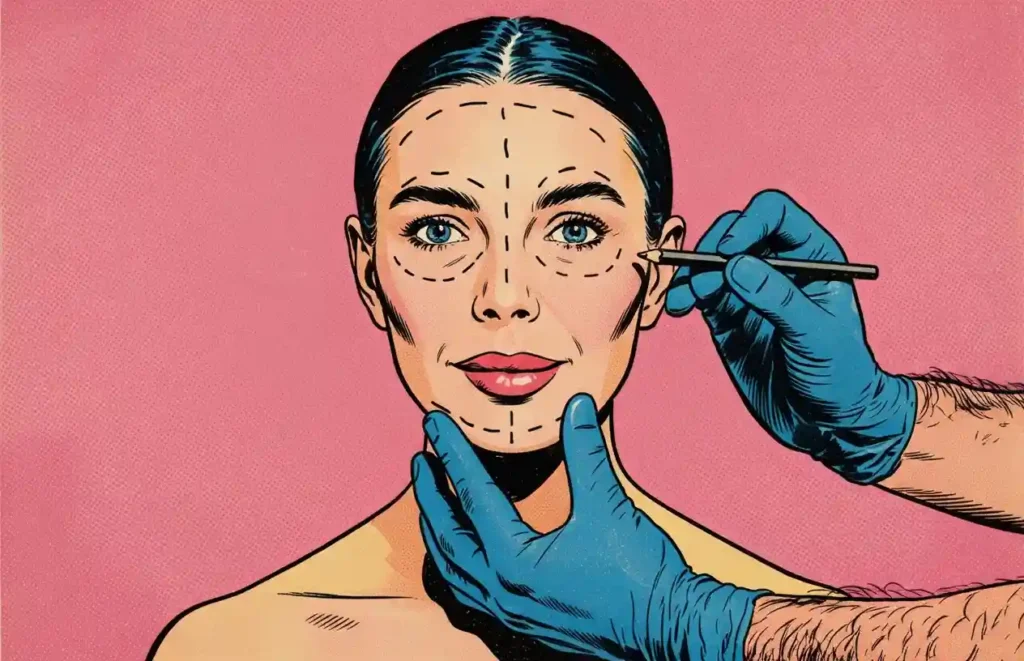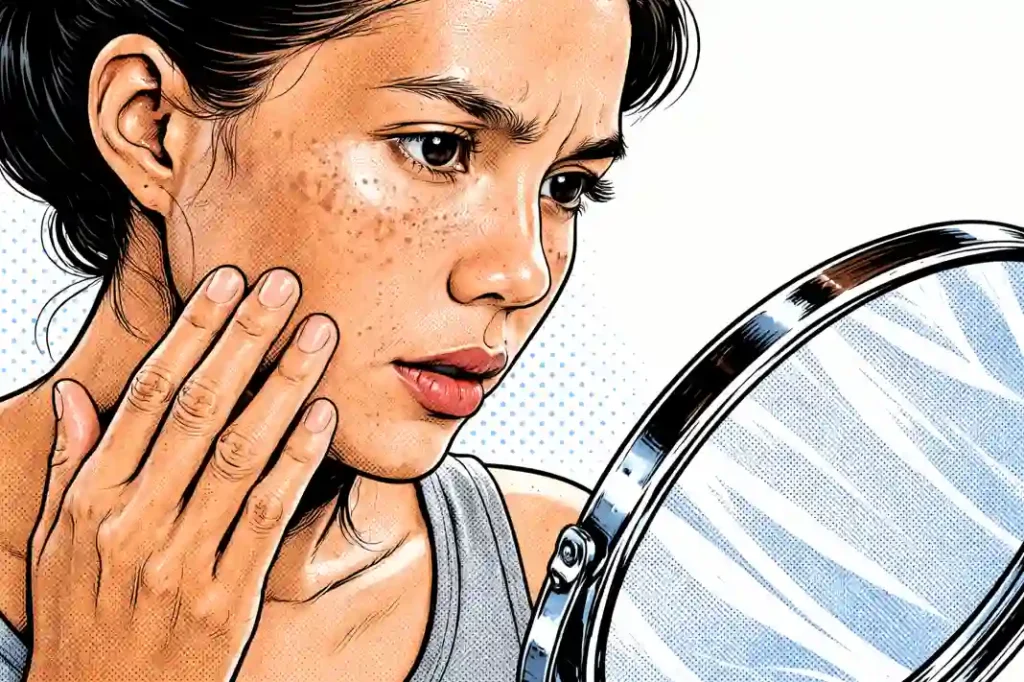
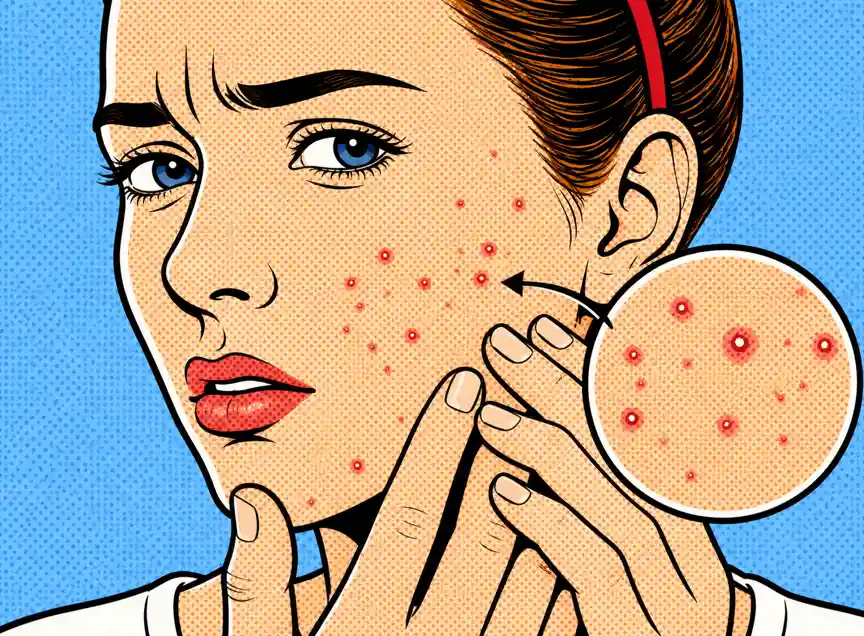

Korean herbal treatment for acne may help reduce inflammation, recurring breakouts, and skin redness when prescribed by a licensed Korean Medicine Doctor. Current evidence suggests it can complement conventional acne treatments for mild to moderate acne, but severe acne should still be managed by a dermatologist.
KoreaMedTour.com
Quick Summary
Korean Herbal Treatment for Acne (2026) offers a personalized, integrative approach that combines Traditional Korean Medicine (TKM) with modern dermatologic assessment to manage mild to moderate acne. Rather than focusing only on surface symptoms, licensed Korean Medicine Doctors (KMDs) evaluate factors such as inflammation, hormonal balance, stress, digestion, sleep, and overall health before prescribing customized herbal formulas. Herbal medicine is commonly combined with evidence-based skincare, lifestyle counseling, and, when needed, conventional dermatology to reduce inflammatory breakouts, improve skin healing, and help prevent recurrence. While promising research supports its complementary role, severe cystic or scarring acne should continue to be managed primarily by a dermatologist.
Key Insights
- Initial Korean Medicine consultation: $30–$100
- Customized herbal prescription: $200–$800 per month
- Follow-up consultation: $20–$70
- Typical treatment duration: 8–12 weeks, with periodic reassessment
- Commonly combined with: Topical acne medications, skincare management, dietary counseling, stress management, acupuncture (when appropriate), and lifestyle modification
- Primary goals: Reduce inflammation, control recurring acne, improve skin healing, minimize redness, and support long-term skin health
- Frequently treated conditions: Inflammatory acne, adult acne, hormonal acne, recurrent acne, acne-prone skin, and post-inflammatory redness
- Modern assessment: Skin examination, medical history, lifestyle evaluation, and individualized treatment planning
- International patient services: Many Korean medicine clinics provide multilingual coordinators and customized treatment programs
- Conventional treatment consideration: Moderate to severe cystic acne, acne causing permanent scarring, or acne associated with endocrine disorders should be evaluated by a dermatologist
Why It’s Safe & Trusted
- Personalized herbal prescriptions based on individual symptoms and overall health
- Licensed Korean Medicine Doctors (KMDs) provide diagnosis and treatment
- Pharmaceutical-grade herbal medicines manufactured under strict Korean quality standards
- Often integrated with evidence-based dermatology rather than replacing it
- Focuses on reducing inflammation and supporting long-term skin balance
- Growing clinical research supports selected herbal formulations as complementary acne therapy
- Regulated herbal products undergo quality control for contaminants and consistency
- Comprehensive care includes lifestyle, diet, stress, and skincare recommendations to improve long-term outcomes
Clinical Advantages
- May reduce inflammatory acne lesions and skin redness
- Supports the body’s natural healing processes through personalized treatment
- Addresses contributing factors such as stress, poor sleep, and digestive health
- Can complement topical retinoids, benzoyl peroxide, and other conventional acne therapies
- May reduce recurrence in selected patients with chronic inflammatory acne
- Non-invasive treatment with individualized herbal prescriptions
- Encourages healthier lifestyle habits that support clearer skin
- Offers holistic management rather than focusing solely on visible pimples
Best Candidates for Korean Herbal Treatment for Acne
- Patients with mild to moderate inflammatory acne
- Adults experiencing recurrent or chronic acne
- Individuals with hormonal acne flare-ups
- Patients with acne associated with stress or poor sleep
- People seeking a complementary approach alongside conventional dermatology
- Individuals unable to tolerate certain oral acne medications
- International patients interested in personalized Korean Medicine
- Patients committed to long-term skincare, healthy lifestyle changes, and regular follow-up
Expected Outcomes
- Reduced inflammatory acne breakouts
- Decreased skin redness and irritation
- Improved overall skin appearance and healing
- Better long-term acne management through individualized care
- Reduced frequency of recurring acne in appropriate patients
- Improved skin confidence and quality of life
- Greater understanding of lifestyle factors contributing to acne
- Personalized treatment adjustments based on clinical progress
Bottom Line
Korean Herbal Treatment for Acne provides a personalized, evidence-informed approach that combines Traditional Korean Medicine with modern dermatologic principles to help manage mild to moderate inflammatory acne. When prescribed by licensed Korean Medicine Doctors using regulated herbal medicines, it may reduce inflammation, improve skin healing, and support long-term acne control as part of an integrated treatment plan. Although current research is encouraging, herbal medicine should complement—not replace—conventional dermatology for severe, cystic, or scarring acne. With high-quality safety standards, individualized care, and increasing international recognition, South Korea remains a trusted destination for integrative acne treatment in 2026.
Table of Contents
What Is Korean Herbal Treatment for Acne?
Korean herbal medicine, known as Hanbang, is part of Traditional Korean Medicine (TKM), a healthcare system practiced alongside conventional medicine in South Korea.
Rather than treating acne as only a skin problem, Korean Medicine practitioners evaluate factors such as:
- Chronic inflammation
- Hormonal balance
- Digestive health
- Sleep quality
- Emotional stress
- Individual constitutional type
- Heat and inflammatory patterns described in Korean Medicine
Instead of prescribing one standard herbal formula for every patient, treatment is typically individualized after a comprehensive consultation.
Is Korean Herbal Medicine Effective for Acne?
Current evidence suggests:
Mild to moderate acne
✔ May improve inflammatory lesions
✔ May reduce redness
✔ May decrease recurrence
✔ May complement dermatologic treatment
Severe nodulocystic acne
Conventional dermatology remains the first-line treatment.
Herbal medicine may serve as supportive therapy but should not delay appropriate medical care.
Why Acne Develops
Modern dermatology identifies four primary mechanisms.
1. Excess Sebum Production
Hormones stimulate sebaceous glands to produce more oil.
2. Blocked Hair Follicles
Dead skin cells mix with sebum, clogging pores.
3. Growth of Cutibacterium acnes
The bacteria multiply inside blocked follicles, triggering inflammation.
4. Inflammation
The immune response produces redness, swelling, and painful pimples.
How Korean Herbal Medicine Approaches Acne
Instead of targeting only bacteria, Korean Medicine attempts to improve the body’s internal balance.
Treatment commonly focuses on:
- Reducing systemic inflammation
- Improving circulation
- Supporting digestive function
- Reducing stress-related flare-ups
- Regulating hormonal imbalance
- Enhancing skin healing
This broader approach may be particularly attractive for patients with recurrent adult acne.
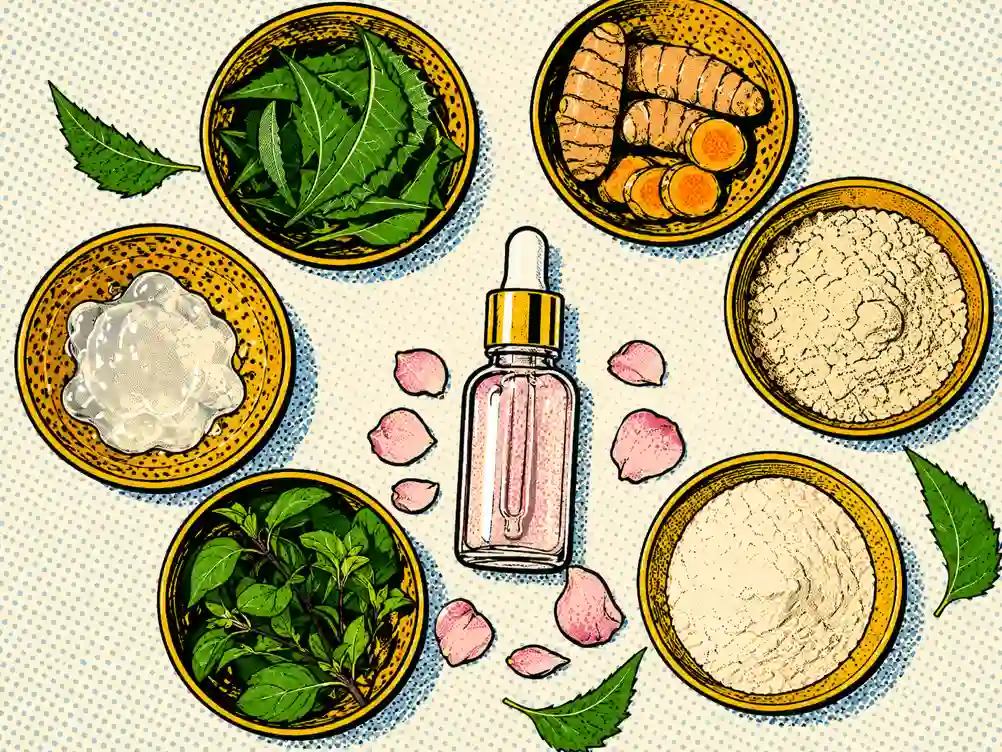
Common Herbal Ingredients Used in Korea
Different formulas are prescribed depending on the patient’s pattern.
Frequently used herbs include:
| Herbal Ingredient | Traditional Purpose | Modern Research Interest |
|---|---|---|
| Scutellaria baicalensis | Reduce inflammatory heat | Anti-inflammatory compounds |
| Coptis chinensis | Skin inflammation | Antimicrobial activity |
| Licorice root | Calm inflammation | Antioxidant effects |
| Angelica gigas | Improve circulation | Tissue repair support |
| Forsythia fruit | Reduce inflammatory lesions | Antibacterial properties |
| Honeysuckle flower | Skin inflammation | Anti-inflammatory effects |
These herbs are usually combined into customized prescriptions rather than used individually.
What Scientific Studies Show
Research published through 2025–2026 indicates that Korean and East Asian herbal medicine may:
- Reduce inflammatory acne lesions
- Improve overall acne severity scores
- Lower skin redness
- Improve quality of life
- Reduce recurrence in some patients
However, experts also note limitations:
- Many studies involve relatively small sample sizes.
- Herbal formulations vary widely.
- More large randomized controlled trials are needed.
- Standardization of treatment protocols remains challenging.
Therefore, current evidence is promising but not definitive.
Patients Who May Benefit Most
Herbal treatment may be appropriate for:
Adults with recurrent acne
Especially those experiencing monthly hormonal flare-ups.
Patients with chronic inflammatory acne
Persistent redness may improve with anti-inflammatory approaches.
People with stress-related breakouts
Stress management is frequently incorporated into Korean Medicine treatment plans.
Patients experiencing medication side effects
Some individuals unable to tolerate oral antibiotics may discuss complementary options with qualified healthcare providers.
Patients Who Need Conventional Medical Treatment First
Herbal medicine alone is generally not recommended for:
- Severe cystic acne
- Nodular acne
- Acne causing permanent scarring
- Acne with widespread infection
- Suspected endocrine disorders
- Rapidly worsening acne
These conditions often require dermatologist-guided therapy.
Is Korean Herbal Medicine Safe?
When prescribed by licensed Korean Medicine Doctors using regulated herbal products, treatment is generally considered safe.
However, “natural” does not always mean risk-free.
Possible side effects include:
- Digestive discomfort
- Allergic reactions
- Drug interactions
- Rare liver toxicity from inappropriate or contaminated herbal products
Patients should always disclose:
- Prescription medications
- Supplements
- Pregnancy
- Breastfeeding
- Liver disease
- Kidney disease
Quality Control in South Korea
One reason international patients seek treatment in Korea is the country’s strict regulation of licensed herbal medicines.
Prescription herbal products are manufactured under pharmaceutical-quality standards and undergo testing for:
- Heavy metals
- Pesticides
- Microbial contamination
- Quality consistency
This helps improve treatment safety compared with unregulated herbal supplements purchased online.
Combining Herbal Medicine with Dermatology
Many Korean clinics integrate both systems.
An example treatment plan might include:
| Conventional Treatment | Korean Medicine Support |
|---|---|
| Topical retinoid | Personalized herbal prescription |
| Gentle cleanser | Dietary counseling |
| Sunscreen | Stress management |
| Acne extraction | Herbal anti-inflammatory therapy |
| LED therapy | Sleep optimization |
This integrated approach aims to address both visible acne lesions and contributing lifestyle factors.
Lifestyle Factors That Matter
Regardless of treatment choice, healthy habits remain essential.
These include:
- Gentle cleansing twice daily
- Non-comedogenic skincare
- Consistent sunscreen use
- Adequate sleep
- Stress reduction
- Balanced nutrition
- Avoiding picking or squeezing pimples
These measures can enhance outcomes alongside either conventional or herbal therapies.
How Long Does Herbal Treatment Take?
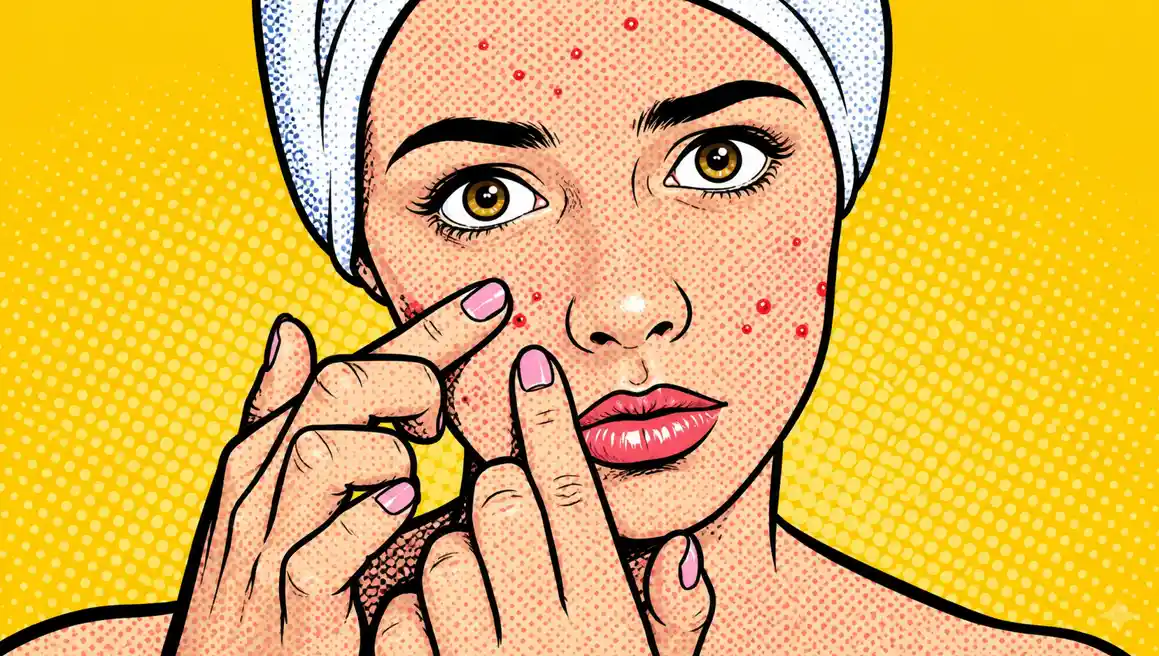
Unlike emergency treatments for severe acne, herbal medicine typically works gradually.
Many patients begin noticing improvements after:
- 4–8 weeks for reduced inflammation
- 2–3 months for clearer skin
- Several months for maintenance in chronic cases
Individual responses vary depending on acne severity, adherence, hormonal influences, and overall health.
Possible Advantages
Potential benefits include:
- Personalized treatment plans
- Whole-body assessment
- Reduced inflammatory activity
- Long-term management strategies
- Complementary use alongside dermatology
Limitations
Patients should also understand the limitations.
Herbal medicine:
- Is not an overnight cure
- Does not guarantee permanent acne clearance
- Cannot reverse established acne scars
- Requires individualized diagnosis
- Has varying levels of scientific evidence depending on the formulation
Practical Example
A 28-year-old office worker experiences inflammatory acne around the jawline that worsens before menstruation despite using topical skincare.
A Korean Medicine Doctor evaluates sleep habits, stress levels, menstrual history, digestive symptoms, and skin condition before prescribing an individualized herbal formula and lifestyle recommendations. At the same time, the patient continues using dermatologist-recommended topical treatments.
After several months, inflammatory flare-ups become less frequent and skin redness improves. This type of integrated care reflects how herbal medicine is commonly used in Korea—as a complement rather than a replacement for evidence-based dermatologic treatment. Individual outcomes vary.
FAQ Section

Is Korean herbal treatment for acne really effective?
Yes, Korean herbal treatment for acne may improve mild to moderate inflammatory acne by reducing inflammation and supporting skin healing. Current studies suggest Korean medicine for acne works best as a complementary therapy alongside dermatologist-recommended treatments rather than replacing conventional care.
Is Korean herbal treatment for acne safe for long-term use?
Korean herbal treatment for acne is generally considered safe when prescribed by a licensed Korean Medicine Doctor using regulated herbal medicines. Patients should avoid self-medicating with unverified Korean acne natural remedies and always discuss existing medications with their healthcare provider.
Can Korean herbal treatment for acne help hormonal acne?
Many patients use herbal acne treatment Korea for hormonal or adult acne because personalized herbal formulas may help reduce inflammation and support hormonal balance. However, treatment outcomes vary, and persistent hormonal acne should also be evaluated by a dermatologist or endocrinologist.
How long does Korean herbal treatment for acne take to show results?
Most patients using Korean herbal treatment for acne begin noticing improvements within 4 to 8 weeks, while more significant results often appear after two to three months. The timeline depends on acne severity, overall health, and adherence to both skincare and prescribed Korean medicine for acne.
Can I combine Korean herbal treatment for acne with prescription acne medications?
Yes. Many Korean clinics successfully combine Korean herbal treatment for acne with topical retinoids, benzoyl peroxide, or other dermatologist-prescribed medications. An integrated treatment plan may improve outcomes while minimizing recurring breakouts, but all therapies should be supervised by qualified healthcare professionals.
Key Takeaways
Korean herbal treatment for acne offers a personalized, holistic approach that may benefit people with mild to moderate inflammatory acne, recurrent adult breakouts, or stress-related skin concerns. Modern research suggests certain herbal formulations have anti-inflammatory and antimicrobial properties, and integrated care combining Korean Medicine with conventional dermatology is increasingly practiced in South Korea.
However, herbal medicine is not a substitute for evidence-based treatment in cases of severe cystic acne, rapidly progressing disease, or acne that risks permanent scarring. The safest approach is to consult qualified healthcare professionals, use regulated herbal products, and maintain realistic expectations about treatment timelines and outcomes.
As of 2026, the strongest strategy for many patients is an individualized plan that combines proven dermatologic therapies, healthy lifestyle habits, and—when appropriate—carefully supervised Korean herbal medicine. This balanced approach aligns with current evidence while prioritizing safety, effectiveness, and long-term skin health.
References
- External Application of Herbal Medicines for Acne Vulgaris: A Systematic Review and Meta-Analysis. Korean Clinical Information Center (KCI).
- Analysis of Randomized Controlled Trials of Herbal Medicine for Acne Treatment. Korean Clinical Information Center (KCI).
- Current Status and Updates of Korean Medicine Clinical Practice Guidelines: A 2024 Review. Innovations in Acupuncture and Medicine.

Korea Med Tour – Trusted Blog for Medical Tourism in Korea
Korea Med Tour is a trusted medical tourism content platform providing accurate, research-based healthcare information for international patients considering treatment in Korea.
Our editorial team specializes in global patient guidance, treatment insights, clinic selection, and medical travel planning. All content is developed using verified medical sources and structured editorial review processes to ensure clarity, safety, and reliability.
We are committed to helping international patients make informed and confident medical travel decisions when choosing Korea as their healthcare destination.