
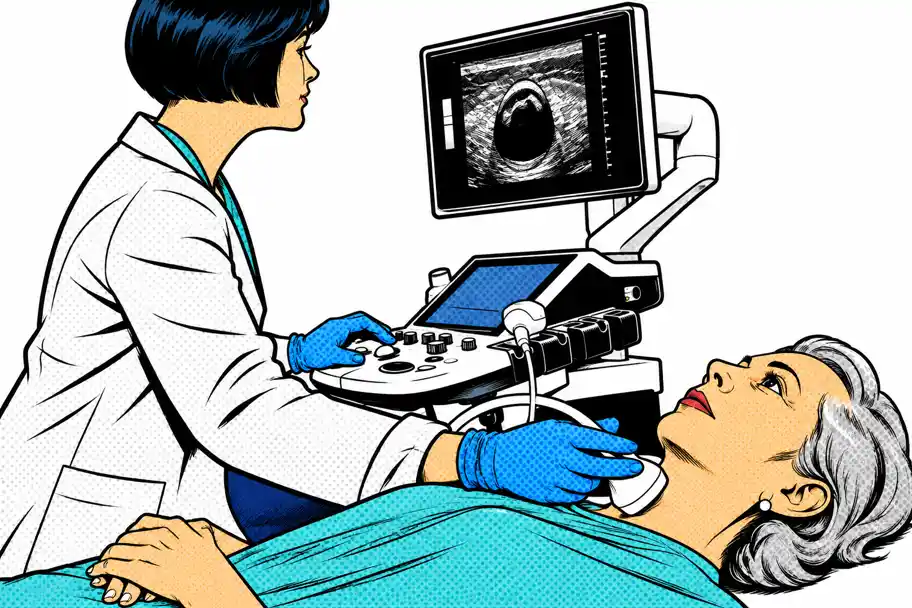

Blood Tests and Ultrasounds in Korea provide fast, accurate, and comprehensive preventive health screening using advanced diagnostic technology and experienced medical specialists. Many Korean hospitals offer same-day laboratory testing, ultrasound imaging, and physician consultations, making Korea one of the world’s leading destinations for early disease detection and personalized healthcare.
KoreaMedTour.com
Quick Summary
Blood Tests and Ultrasounds in Korea (2026) combine advanced laboratory diagnostics, high-resolution medical imaging, and comprehensive preventive healthcare to help detect diseases early and evaluate overall health before symptoms develop. Rather than focusing on a single organ or condition, Korean health screening programs integrate blood analysis, ultrasound examinations, physician consultations, and personalized risk assessments into coordinated medical evaluations. Performed by board-certified physicians, radiologists, and laboratory professionals, these examinations support the early detection of metabolic disorders, cardiovascular disease, liver conditions, thyroid abnormalities, kidney disease, and other common health concerns. For international patients, South Korea offers internationally accredited hospitals, multilingual medical coordinators, efficient same-day diagnostic services, and evidence-based preventive care within one of the world’s most advanced healthcare systems.
Key Insights
- Initial physician consultation: $30–$100
- Standard blood test package: $50–$200
- Comprehensive laboratory screening: $150–$500
- Abdominal ultrasound: $80–$180
- Thyroid ultrasound: $50–$150
- Breast ultrasound: $80–$180
- Comprehensive health screening packages: $300–$2,000+ (depending on included examinations)
- Typical appointment duration: 3–6 hours, with many results available the same day or within 1–3 business days
- Common examinations: Complete blood count (CBC), metabolic panel, lipid profile, diabetes screening, thyroid function tests, liver and kidney function tests, abdominal ultrasound, thyroid ultrasound, pelvic ultrasound, carotid ultrasound, and breast ultrasound
- Primary goals: Early disease detection, preventive healthcare, cardiovascular risk assessment, metabolic health evaluation, cancer risk assessment (where appropriate), and personalized health planning
- Frequently evaluated conditions: Diabetes, fatty liver disease, thyroid nodules, gallstones, kidney disease, high cholesterol, hypertension risk, anemia, metabolic syndrome, and nutritional deficiencies
- Modern assessment: Digital laboratory analysis, high-resolution ultrasound imaging, specialist consultation, personalized risk assessment, and comprehensive health reports
- International patient services: English-speaking coordinators, multilingual interpreters, appointment scheduling, airport transfers, accommodation assistance, and medical tourism support
Why It’s Effective & Trusted
- Combines advanced laboratory medicine with modern diagnostic ultrasound for comprehensive health assessment
- Performed by licensed physicians, radiologists, and certified laboratory professionals
- Emphasizes preventive medicine and early disease detection before symptoms appear
- Uses internationally recognized laboratory standards and high-resolution imaging technology
- Many hospitals provide integrated same-day health screening with specialist consultations
- Personalized screening programs based on age, sex, family history, lifestyle, and medical risk factors
- Korea’s internationally accredited hospitals maintain rigorous quality assurance and patient safety standards
- Efficient healthcare delivery allows many international patients to complete comprehensive evaluations during a single visit
Clinical Advantages
- Detects chronic diseases at earlier, more treatable stages
- Evaluates cardiovascular, liver, kidney, thyroid, and metabolic health simultaneously
- Provides accurate baseline health data for long-term monitoring
- Supports personalized lifestyle and preventive healthcare recommendations
- Non-invasive ultrasound examinations involve no ionizing radiation
- Fast turnaround times with coordinated specialist interpretation
- Comprehensive reports help patients understand individual health risks
- Convenient same-day diagnostic workflow minimizes multiple hospital visits
Best Candidates for Blood Tests and Ultrasounds in Korea
- Adults seeking annual preventive health screening
- Individuals over age 40 undergoing routine medical evaluations
- Patients with a family history of diabetes, heart disease, or cancer
- Executives interested in comprehensive executive health checkups
- Individuals with obesity, hypertension, or metabolic syndrome risk factors
- International patients combining medical care with travel to South Korea
- People seeking early disease detection before symptoms develop
- Patients wanting evidence-based preventive healthcare in a modern medical environment
Expected Outcomes
- Early identification of potential medical conditions
- Improved understanding of overall health status
- Personalized recommendations for disease prevention
- Better management of cardiovascular and metabolic risk factors
- Earlier intervention when abnormalities are detected
- Greater confidence in long-term health planning
- Comprehensive medical documentation for future healthcare providers
- Improved peace of mind through evidence-based preventive screening
Bottom Line
Blood Tests and Ultrasounds in Korea provide a comprehensive, evidence-based approach to preventive healthcare by combining advanced laboratory diagnostics, high-resolution ultrasound imaging, and personalized physician evaluations. Rather than waiting for symptoms to appear, Korean health screening programs emphasize early detection, risk assessment, and proactive health management. Supported by internationally accredited hospitals, experienced specialists, multilingual patient services, and efficient same-day diagnostic workflows, South Korea continues to be one of the world’s leading healthcare destinations for comprehensive health screening and preventive medicine in 2026.
Table of Contents

What Are Blood Tests?
Blood tests are laboratory examinations that evaluate numerous aspects of human health by analyzing a blood sample. They help physicians assess organ function, nutritional status, metabolic disorders, infections, inflammation, hormone balance, and many chronic diseases.
Blood testing is one of the most important components of preventive medicine because many diseases develop silently before noticeable symptoms appear.
Common blood tests include:
| Test | Purpose |
|---|---|
| Complete Blood Count (CBC) | Detects anemia, infection, blood disorders |
| Comprehensive Metabolic Panel | Evaluates liver and kidney function |
| Lipid Profile | Measures cholesterol and cardiovascular risk |
| Blood Glucose & HbA1c | Screens for diabetes |
| Thyroid Function Tests | Evaluates thyroid hormone balance |
| Vitamin D & Nutritional Markers | Identifies deficiencies |
| Inflammatory Markers | Detects inflammation or autoimmune conditions |
| Tumor Markers (when clinically appropriate) | Supports cancer monitoring, not routine cancer screening |
What Is an Ultrasound Examination?
Ultrasound (ultrasonography) uses high-frequency sound waves to create real-time images of internal organs without exposing patients to ionizing radiation.
Because ultrasound is safe, painless, and non-invasive, physicians frequently use it for routine evaluations as well as diagnostic investigations.
Common ultrasound examinations include:
- Thyroid ultrasound
- Liver ultrasound
- Gallbladder ultrasound
- Kidney ultrasound
- Pancreatic evaluation
- Pelvic ultrasound
- Breast ultrasound
- Carotid artery ultrasound
- Prostate ultrasound
- Obstetric ultrasound during pregnancy
Modern ultrasound systems also provide Doppler imaging, elastography, and high-resolution vascular assessment.
Why Korea Excels in Preventive Health Screening
South Korea has invested heavily in preventive healthcare over the past two decades.
Several factors contribute to its international reputation.
1. Integrated Health Examination Centers
Many hospitals operate dedicated health screening centers where laboratory testing, imaging, specialist consultations, and health counseling occur in one coordinated visit.
This streamlined approach reduces waiting time while improving patient convenience.
2. Advanced Diagnostic Equipment
Leading Korean hospitals use:
- High-resolution ultrasound systems
- Automated laboratory analyzers
- AI-assisted image interpretation (used as clinical support, with physician oversight)
- Electronic medical records
- Digital reporting systems
While AI can help prioritize findings or improve workflow, final diagnoses remain the responsibility of qualified healthcare professionals.
3. Preventive Medicine Focus
Instead of waiting until disease develops, Korean healthcare emphasizes:
- Early detection
- Risk assessment
- Lifestyle intervention
- Personalized prevention strategies
- Long-term health monitoring
This preventive philosophy appeals to both domestic and international patients seeking proactive care.
Conditions Commonly Evaluated Through Blood Tests and Ultrasounds
Blood tests and ultrasound examinations complement each other because they assess different aspects of health.
Together they may help evaluate:
Cardiovascular Disease
Blood tests:
- Cholesterol
- Triglycerides
- Blood sugar
Ultrasound:
- Carotid artery plaque
- Vascular blood flow
Liver Disease
Blood tests:
- ALT
- AST
- Bilirubin
- Albumin
Ultrasound:
- Fatty liver
- Liver cysts
- Liver masses
- Cirrhosis-related changes
Thyroid Disorders
Blood tests:
- TSH
- Free T4
- Thyroid antibodies (when indicated)
Ultrasound:
- Thyroid nodules
- Thyroid enlargement
- Thyroid inflammation
Kidney Disease
Blood tests:
- Creatinine
- eGFR
- Electrolytes
Ultrasound:
- Kidney stones
- Cysts
- Obstruction
- Structural abnormalities
Women’s Health
Blood tests:
- Hormonal evaluation (when clinically indicated)
- Iron studies
- Vitamin levels
Ultrasound:
- Uterus
- Ovaries
- Fibroids
- Ovarian cysts
Men’s Health
Blood tests:
- PSA (for selected patients based on age and risk, following physician guidance)
- Testosterone evaluation when clinically appropriate
Ultrasound:
- Prostate
- Kidneys
- Bladder
What Happens During a Korean Health Checkup?
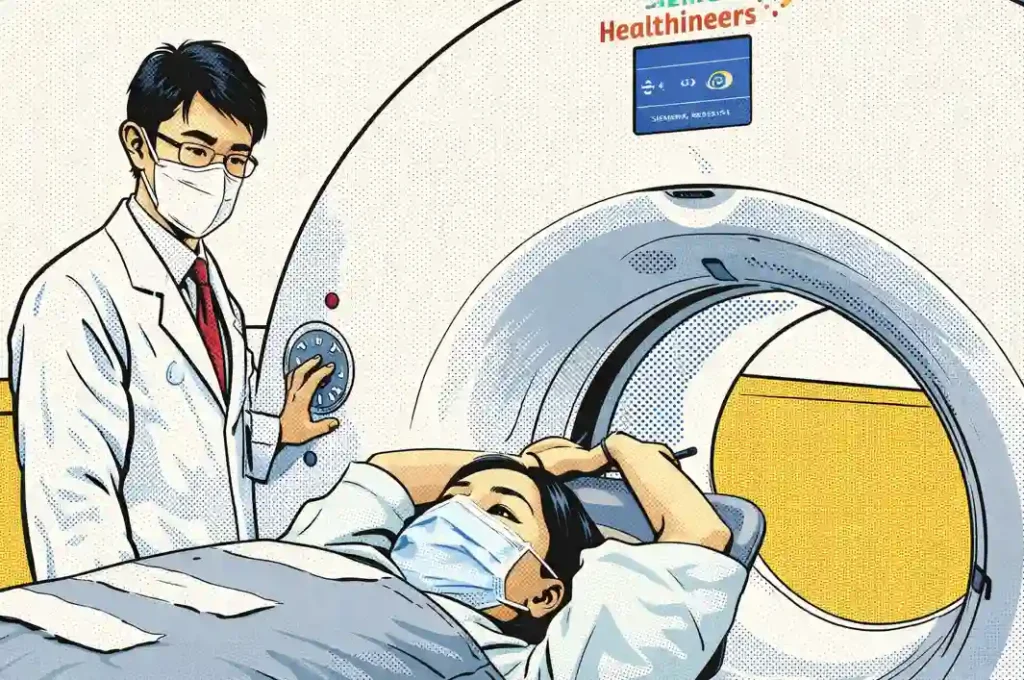
A typical comprehensive examination follows a structured workflow.
Step 1
Medical questionnaire
Patients provide:
- Medical history
- Current medications
- Family history
- Lifestyle habits
Step 2
Physical examination
This often includes:
- Blood pressure
- Height and weight
- Body composition
- Vision and hearing tests
Step 3
Blood collection
Laboratory professionals collect fasting blood samples for requested analyses.
Step 4
Ultrasound imaging
Depending on the examination package, physicians perform targeted ultrasound evaluations of selected organs.
Step 5
Specialist consultation
Doctors review preliminary findings and explain whether additional evaluation or follow-up is recommended.
Step 6
Comprehensive medical report
Many international centers provide reports in English, with some also offering additional language support.
Why International Patients Prefer Korea
International visitors frequently cite several advantages.
Fast Scheduling
Appointments are often available sooner than in many healthcare systems with longer wait times.
Efficient Same-Day Services
Many diagnostic procedures can be completed within a single visit, reducing travel and time away from work.
International Patient Services
Many major hospitals offer:
- English-speaking coordinators
- Medical interpreters
- Assistance with appointments
- Support for overseas patients
Transparent Health Screening Packages
Hospitals commonly provide clearly defined screening programs with optional upgrades based on age, sex, family history, or personal risk factors.
Who Should Consider Blood Tests and Ultrasounds?
Preventive screening may be particularly valuable for:
- Adults over 40
- Individuals with a family history of chronic disease
- People with diabetes or hypertension risk factors
- Smokers or former smokers
- Individuals with obesity or metabolic syndrome
- Executives seeking annual health evaluations
- Medical tourists combining travel with preventive care
The appropriate tests should always be selected in consultation with a qualified healthcare professional rather than through self-selection alone.
Practical Example
A 48-year-old international business traveler schedules a comprehensive health examination during a week-long stay in Seoul.
The visit includes:
- Complete blood testing
- Liver function assessment
- Diabetes screening
- Cholesterol evaluation
- Thyroid ultrasound
- Abdominal ultrasound
- Specialist consultation
The examinations identify elevated cholesterol levels and early fatty liver changes. Although no symptoms are present, the patient receives lifestyle recommendations and follow-up advice, allowing preventive action before more serious complications develop.
This scenario illustrates how combining laboratory testing with imaging can support early detection and informed healthcare decisions.
FAQ Section

Why are Blood Tests and Ultrasounds in Korea popular among international patients?
Blood Tests and Ultrasounds in Korea are popular because Korean hospitals provide advanced diagnostic technology, experienced physicians, rapid test results, and comprehensive Korea health screening programs. Many international patients choose Korea for preventive healthcare, early disease detection, and personalized medical evaluations completed within a single visit.
What is included in a comprehensive Korea health screening?
A comprehensive Korea health screening typically includes Blood Tests and Ultrasounds in Korea, physical examinations, blood chemistry analysis, diabetes and cholesterol screening, liver and kidney function tests, thyroid evaluation, abdominal ultrasound, and physician consultations. Some programs also include CT, MRI, or endoscopy depending on age and medical history.
Are Blood Tests and Ultrasounds in Korea accurate and safe?
Yes. Blood Tests and Ultrasounds in Korea are performed using internationally recognized laboratory standards and modern ultrasound equipment. Ultrasound is a safe, non-invasive imaging method that uses sound waves instead of radiation, making it suitable for routine preventive health checkup Korea programs.
How long does a medical checkup in Korea usually take?
A standard medical checkup in Korea generally takes between three and six hours, depending on the selected screening package. Many hospitals provide same-day blood testing, ultrasound examinations, physician consultations, and detailed reports, allowing international patients to complete most evaluations during a single visit.
Who should consider Blood Tests and Ultrasounds in Korea?
Blood Tests and Ultrasounds in Korea are recommended for adults seeking preventive healthcare, individuals with a family history of chronic disease, executives requiring annual medical examinations, and international travelers interested in comprehensive Korea health screening. Early screening can help identify health risks before symptoms develop and support timely medical intervention.
Key Takeaways
South Korea has established itself as a global leader in preventive healthcare by combining advanced diagnostic technology, efficient clinical workflows, and comprehensive health screening programs. Blood tests and ultrasound examinations play a central role in identifying potential health concerns early, often before symptoms arise.
For international patients, Korea offers an appealing combination of timely access, modern facilities, experienced medical professionals, and coordinated care. While no screening program can guarantee the detection of every condition, evidence-based evaluations performed by qualified healthcare teams can support earlier diagnosis, informed decision-making, and long-term health management.
References
- World Health Organization (WHO). Integrated care and early diagnosis guidance.
- OECD. Health at a Glance: Korea.
- American College of Radiology (ACR). Appropriateness Criteria for Ultrasound Imaging.
- American Association for Clinical Chemistry (AACC). Laboratory Testing Guidelines.
- European Society of Radiology (ESR). Ultrasound Best Practice Recommendations.

Korea Med Tour – Trusted Blog for Medical Tourism in Korea
Korea Med Tour is a trusted medical tourism content platform providing accurate, research-based healthcare information for international patients considering treatment in Korea.
Our editorial team specializes in global patient guidance, treatment insights, clinic selection, and medical travel planning. All content is developed using verified medical sources and structured editorial review processes to ensure clarity, safety, and reliability.
We are committed to helping international patients make informed and confident medical travel decisions when choosing Korea as their healthcare destination.