


Stress & Anxiety Treatment with Korean Medicine combines acupuncture, herbal medicine, lifestyle counseling, and other traditional therapies to help manage stress, reduce anxiety symptoms, improve sleep, and support emotional well-being. It is commonly used alongside conventional medical care under the supervision of licensed Korean Medicine doctors.
KoreaMedTour.com
Quick Summary
Stress & Anxiety Treatment with Korean Medicine (2026) combines the holistic principles of Traditional Korean Medicine (TKM) with evidence-informed integrative healthcare to help manage stress, anxiety, insomnia, and related physical symptoms. Rather than treating emotional symptoms alone, Korean Medicine focuses on restoring the body’s overall balance through personalized acupuncture, herbal medicine, moxibustion, cupping therapy, breathing techniques, and lifestyle counseling. Treatments are provided by licensed Korean Medicine doctors who assess each patient’s physical and emotional condition before creating an individualized care plan. For international patients, South Korea offers modern medical facilities, highly trained practitioners, multilingual support services, and coordinated care that can complement conventional psychological or psychiatric treatment when appropriate.
Key Insights
- Initial Korean Medicine consultation: $30–$80
- Acupuncture session: $25–$70
- Herbal medicine (2–4 weeks): $80–$300
- Moxibustion therapy: $20–$50
- Cupping therapy: $20–$50
- Typical treatment duration: 4–12 weeks, with maintenance sessions based on individual progress
- Common therapies: Personalized acupuncture, herbal medicine, moxibustion, cupping, breathing exercises, stress management counseling, and lifestyle modification
- Primary treatment goals: Reduce stress and anxiety symptoms, improve sleep quality, regulate the autonomic nervous system, relieve muscle tension, and enhance emotional wellbeing
- Frequently addressed conditions: Chronic stress, generalized anxiety, work-related burnout, insomnia, stress-related headaches, neck and shoulder tension, digestive discomfort, and fatigue
- Modern assessment: Comprehensive medical history, symptom evaluation, sleep assessment, pulse and tongue examination (traditional assessment), and medication review
- International patient services: Many Korean Medicine hospitals provide multilingual coordinators, interpreters, appointment assistance, airport transfers, accommodation support, and medical tourism services
- Clinical role: A complementary, integrative treatment approach designed to support conventional medical and mental health care rather than replace evidence-based psychiatric treatment
Why It’s Effective & Trusted
- Combines traditional Korean Medicine principles with modern evidence-informed clinical practice
- Care is provided by licensed Korean Medicine doctors trained in accredited medical institutions
- Individualized treatment plans based on each patient’s symptoms, medical history, sleep quality, and overall health
- Acupuncture has been studied for its potential to regulate the autonomic nervous system and reduce stress-related symptoms
- Emphasizes holistic care by addressing physical, emotional, and lifestyle factors simultaneously
- Integrates lifestyle guidance, nutrition, sleep hygiene, and stress management for long-term wellbeing
- Treatments are generally safe when performed by qualified practitioners using sterile techniques
- Korea’s regulated healthcare system and internationally recognized medical infrastructure provide high standards of patient safety and quality of care
Clinical Advantages
- Helps reduce chronic stress and anxiety symptoms
- Promotes better sleep quality and relaxation
- Relieves stress-related muscle tension and headaches
- Supports emotional resilience through individualized care
- Addresses stress-related digestive discomfort and fatigue
- Provides non-pharmacological treatment options for eligible patients
- Can complement psychotherapy and prescribed medications under medical supervision
- Offers coordinated care through experienced Korean Medicine hospitals and international patient centers
Best Candidates for Stress & Anxiety Treatment with Korean Medicine
- Adults experiencing chronic stress or mild to moderate anxiety
- Individuals with insomnia related to stress or emotional tension
- Professionals experiencing work-related burnout
- Patients with stress-induced muscle pain, headaches, or digestive symptoms
- Individuals seeking complementary treatment alongside psychotherapy or medication
- International patients interested in holistic healthcare in South Korea
- People looking for personalized, non-surgical, integrative treatment options
- Patients seeking licensed Korean Medicine care within a modern medical environment
Expected Outcomes
- Reduced stress and anxiety symptoms
- Improved sleep quality and daytime energy
- Better emotional balance and overall wellbeing
- Reduced muscle tension, headaches, and physical discomfort
- Improved resilience to daily stressors
- Enhanced quality of life through holistic care
- Greater confidence in long-term stress management
- Personalized treatment adjustments based on ongoing clinical assessment and patient response
Bottom Line
Stress & Anxiety Treatment with Korean Medicine offers a comprehensive, patient-centered approach that combines acupuncture, herbal medicine, moxibustion, cupping therapy, and lifestyle counseling to support emotional and physical wellbeing. Rather than replacing conventional psychiatric or psychological care, Korean Medicine is commonly used as a complementary therapy to help reduce stress, improve sleep, relieve tension, and promote overall balance. Delivered by licensed Korean Medicine doctors within South Korea’s advanced healthcare system, these individualized treatment plans integrate traditional healing principles with modern clinical standards, making Korea a trusted destination for evidence-informed, holistic stress and anxiety management in 2026.
Table of Contents
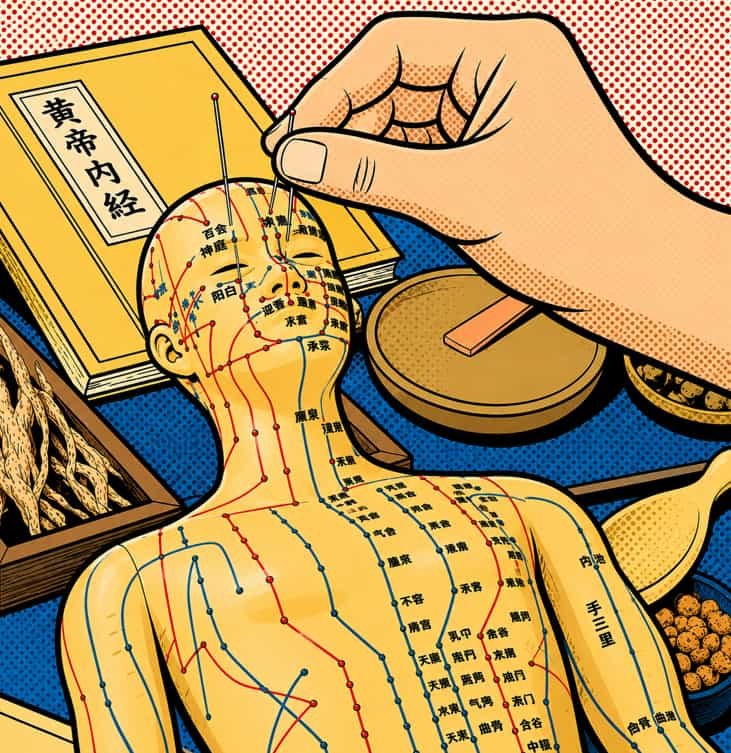
What Is Stress and Anxiety?
Stress is the body’s natural response to physical, emotional, or psychological challenges. Anxiety becomes a medical concern when feelings of fear, worry, or nervousness become excessive, persistent, or interfere with daily life.
Common symptoms include:
- Constant worrying
- Difficulty relaxing
- Poor concentration
- Rapid heartbeat
- Muscle tension
- Digestive discomfort
- Trouble sleeping
- Fatigue
- Irritability
- Panic attacks (in some individuals)
Stress and anxiety often occur together and may contribute to headaches, chronic pain, digestive disorders, hypertension, and insomnia.
How Does Korean Medicine View Stress and Anxiety?
Rather than focusing solely on symptoms, Korean Medicine evaluates the individual’s overall physiological balance.
According to Traditional Korean Medicine theory, prolonged emotional stress may disrupt the harmonious flow of Qi (vital energy), blood circulation, and organ function. Although these concepts originate from traditional medical philosophy rather than modern biomedical science, practitioners use them to guide individualized treatment plans.
Common traditional pattern diagnoses may include:
- Liver Qi stagnation
- Heart and Spleen deficiency
- Yin deficiency with heat
- Phlegm accumulation
- Qi and Blood deficiency
Each pattern may require a different combination of therapies.
How Korean Medicine May Help Manage Stress and Anxiety
Modern research suggests several mechanisms through which Korean Medicine therapies may influence stress responses.
Potential physiological effects include:
- Regulation of autonomic nervous system activity
- Reduction of sympathetic (“fight-or-flight”) overactivity
- Promotion of parasympathetic (“rest-and-digest”) function
- Modulation of inflammatory pathways
- Improved sleep quality
- Release of endogenous pain-relieving chemicals
- Enhanced emotional well-being
While ongoing research continues to clarify these mechanisms, several systematic reviews have found that acupuncture may provide benefits for certain patients with anxiety when used alongside conventional care.
Common Korean Medicine Treatments
1. Acupuncture
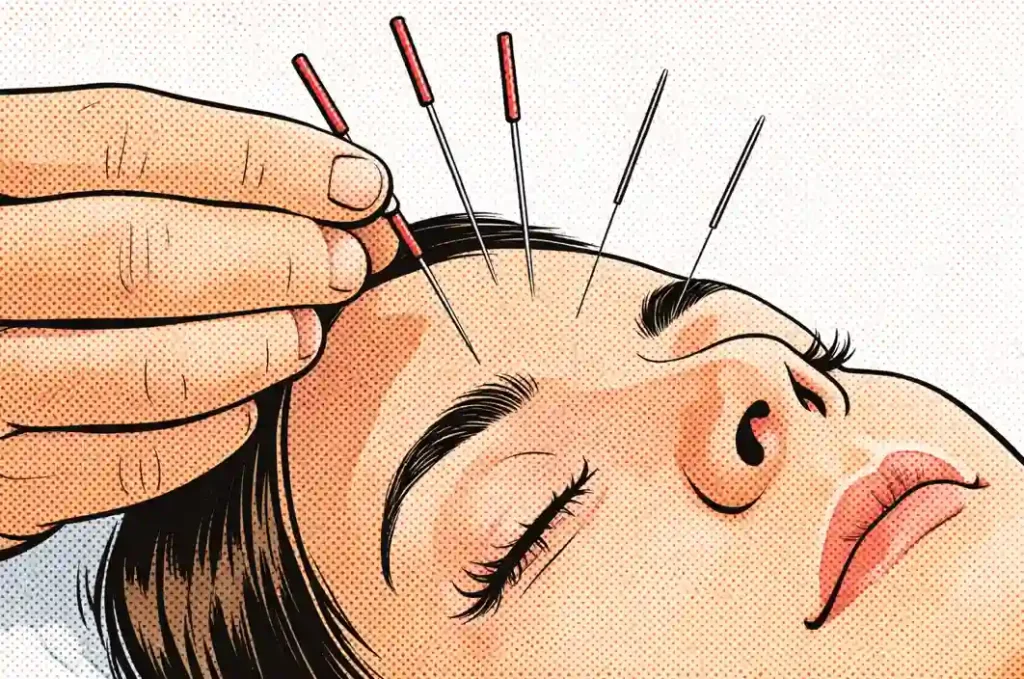
Acupuncture is one of the most frequently used treatments for stress and anxiety.
Very thin sterile needles are inserted into specific points on the body to stimulate neurological, muscular, and connective tissue responses.
Potential benefits may include:
- Reduced anxiety symptoms
- Improved sleep
- Muscle relaxation
- Better stress tolerance
- Reduced tension headaches
Many patients report feeling deeply relaxed during treatment sessions.
2. Herbal Medicine
Licensed Korean Medicine doctors may prescribe customized herbal formulas based on the patient’s individual diagnosis.
Herbal prescriptions may aim to:
- Improve sleep
- Reduce nervousness
- Support digestion
- Improve energy
- Balance emotional symptoms
Because herbal medicines may interact with prescription medications, patients should always inform both their Korean Medicine doctor and primary physician about all medicines and supplements they are taking.
3. Moxibustion
Moxibustion uses the controlled heat of dried mugwort near specific acupuncture points.
Potential goals include:
- Improving circulation
- Supporting energy levels
- Relieving fatigue
- Promoting relaxation
This therapy is often combined with acupuncture.
4. Cupping Therapy
Dry cupping may help reduce muscle tension associated with chronic stress.
Patients experiencing:
- Neck stiffness
- Shoulder pain
- Upper back tension
may receive cupping as part of a comprehensive treatment plan.
5. Breathing and Lifestyle Counseling
Korean Medicine emphasizes daily habits that influence long-term health.
Patients may receive advice regarding:
- Sleep hygiene
- Nutrition
- Physical activity
- Mindful breathing
- Stress management techniques
- Work-life balance
What Happens During Your First Consultation?
A Korean Medicine consultation typically lasts 30–60 minutes.
The doctor may ask about:
- Sleep quality
- Appetite
- Digestion
- Stress triggers
- Medical history
- Emotional symptoms
- Energy levels
- Current medications
Traditional assessments may include pulse and tongue examination alongside conventional medical history.
A personalized treatment plan is then developed.
What Does a Typical Treatment Plan Look Like?
Treatment varies depending on symptom severity.
A typical plan may include:
| Week | Treatment |
|---|---|
| 1–2 | Consultation, acupuncture, lifestyle guidance |
| 3–6 | Weekly acupuncture and herbal medicine (if appropriate) |
| 6–12 | Reassessment and adjustment of treatment |
| Long-term | Maintenance visits as needed |
Many patients also continue psychotherapy or physician-directed treatment during this period.
Who May Benefit?
Korean Medicine may be considered by adults experiencing:
- Chronic stress
- Mild to moderate anxiety
- Work-related burnout
- Sleep disturbances
- Stress-induced muscle pain
- Digestive symptoms associated with stress
- Fatigue related to prolonged emotional strain
Individuals with severe depression, suicidal thoughts, psychosis, or acute psychiatric emergencies require immediate assessment by mental health professionals and should not rely solely on complementary therapies.
Scientific Evidence
Research into acupuncture and anxiety has expanded considerably over the past decade.
Recent systematic reviews and clinical practice guidelines suggest:
- Acupuncture may reduce anxiety symptoms in some patients.
- Acupuncture is generally considered safe when performed by qualified practitioners using sterile techniques.
- More high-quality randomized controlled trials are needed to strengthen evidence for certain anxiety disorders.
- Integrative care combining conventional medicine and complementary therapies may improve patient satisfaction and quality of life.
International organizations generally recommend discussing complementary therapies with healthcare providers before beginning treatment.
Safety Considerations
When performed by licensed Korean Medicine doctors, acupuncture has a low rate of serious adverse events.
Possible mild side effects include:
- Temporary soreness
- Minor bruising
- Light bleeding
- Fatigue after treatment
Herbal medicine should always be prescribed by qualified practitioners due to potential medication interactions.
Korean Medicine vs Conventional Anxiety Treatment
| Korean Medicine | Conventional Treatment |
|---|---|
| Holistic individualized care | Diagnosis based on DSM or ICD criteria |
| Acupuncture | Psychotherapy |
| Herbal medicine | Prescription medications |
| Lifestyle modification | Cognitive Behavioral Therapy (CBT) |
| Stress reduction | Psychiatric evaluation |
| Often used alongside standard care | Evidence-based first-line treatment for many anxiety disorders |
For many patients, an integrated approach provides the greatest benefit.
Why International Patients Choose Korea
South Korea has become a leading destination for integrative healthcare.
Advantages include:
- Licensed Korean Medicine doctors
- Modern medical facilities
- Advanced diagnostic capabilities
- English-speaking international clinics
- Coordinated care with conventional hospitals
- Competitive treatment costs
Many hospitals offer international patient centers that assist with appointments, interpretation, accommodation, and medical documentation.
Estimated Costs in Korea (2026)
| Treatment | Estimated Cost (USD) |
|---|---|
| Initial consultation | $30–80 |
| Acupuncture session | $25–70 |
| Herbal medicine (2–4 weeks) | $80–300 |
| Moxibustion | $20–50 |
| Cupping therapy | $20–50 |
Prices vary depending on clinic, physician expertise, treatment complexity, and prescription requirements.
FAQ Section

Is Korean Medicine effective for anxiety?
Korean Medicine may help reduce anxiety symptoms, improve sleep, and support emotional well-being for some individuals. Current evidence suggests it can be a useful complementary therapy alongside conventional treatment, although results vary between patients.
Is acupuncture safe for stress treatment?
When performed by licensed practitioners using sterile, single-use needles, acupuncture is generally considered safe and has a low risk of serious complications.
Can I take herbal medicine with my anxiety medication?
Some herbal medicines may interact with prescription medications. Always inform both your Korean Medicine doctor and your prescribing physician before combining treatments.
How many acupuncture sessions are usually needed?
Many patients begin with one or two sessions per week for several weeks. The total number depends on symptom severity, treatment goals, and individual response.
Should Korean Medicine replace psychiatric care?
No. Korean Medicine is generally used as a complementary approach. Individuals with severe anxiety disorders, major depression, suicidal thoughts, or psychiatric emergencies should receive prompt evaluation and treatment from qualified mental health professionals.
Key Takeaways
Stress and anxiety are complex conditions influenced by biological, psychological, and social factors. Korean Medicine offers a holistic, patient-centered approach that combines acupuncture, herbal medicine, lifestyle counseling, and other traditional therapies to support stress reduction and emotional balance. While growing research suggests these treatments may benefit some patients—particularly when integrated with evidence-based conventional care—they should be delivered by licensed practitioners and tailored to each individual’s health needs.
For international patients seeking complementary treatment in South Korea, Korean Medicine provides access to experienced clinicians, modern healthcare facilities, and personalized care plans. Before starting treatment, discuss your symptoms and current medications with both your primary healthcare provider and a licensed Korean Medicine doctor to ensure a safe, coordinated approach.
References
- World Health Organization (WHO). Traditional, Complementary and Integrative Medicine resources.
- National Center for Complementary and Integrative Health (NCCIH). Acupuncture: What You Need to Know.
- Korean Medicine Clinical Practice Guidelines (Republic of Korea).
- Cochrane Library. Reviews on acupuncture for anxiety-related conditions.
- Journal of Clinical Medicine. Systematic reviews of acupuncture for anxiety and stress management.
- Frontiers in Psychiatry. Integrative approaches to anxiety disorders.
- International Society for Complementary Medicine Research (ISCMR).

Korea Med Tour – Trusted Blog for Medical Tourism in Korea
Korea Med Tour is a trusted medical tourism content platform providing accurate, research-based healthcare information for international patients considering treatment in Korea.
Our editorial team specializes in global patient guidance, treatment insights, clinic selection, and medical travel planning. All content is developed using verified medical sources and structured editorial review processes to ensure clarity, safety, and reliability.
We are committed to helping international patients make informed and confident medical travel decisions when choosing Korea as their healthcare destination.