
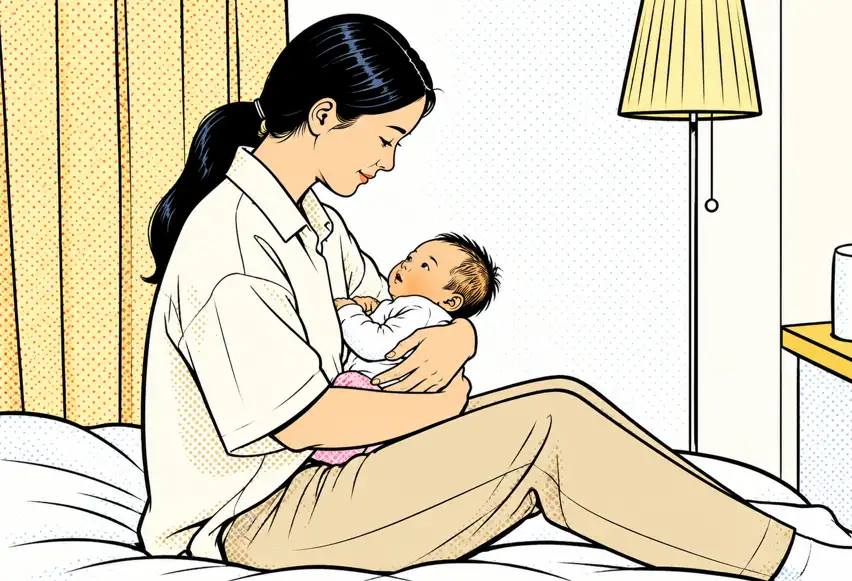

Postpartum recovery in Korea combines modern maternity care with the traditional practice of Sanhujori, helping mothers heal after childbirth through professional medical support, nutritious meals, breastfeeding guidance, rehabilitation, and structured recovery programs. Many international mothers choose Korea for its comprehensive postpartum care centers and personalized recovery services.
KoreaMedTour.com
Quick Summary
Postpartum Recovery in Korea (2026) combines the time-honored philosophy of Sanhujori (산후조리) with advanced maternal healthcare to provide a structured, medically supervised recovery experience for new mothers. Rather than focusing solely on childbirth, Korean postpartum care emphasizes comprehensive maternal healing through rest, balanced nutrition, breastfeeding support, pelvic floor rehabilitation, newborn care education, and emotional wellbeing. Most mothers recover in specialized postpartum care centers (Sanhujoriwon) staffed by nurses, lactation consultants, pediatricians, obstetricians, nutritionists, and rehabilitation specialists. For international mothers, Korea offers a safe, evidence-based environment that integrates traditional recovery principles with modern medical standards, making it one of the world’s leading destinations for postpartum care in 2026.
Key Insights
- Initial obstetric consultation: $40–$150
- Vaginal delivery (hospital): $2,000–$6,000 (varies by hospital and insurance)
- Cesarean section (hospital): $4,000–$10,000
- Postpartum care center (Sanhujoriwon): $1,500–$5,000 for a 2-week stay (premium facilities may cost more)
- Typical postpartum care duration: 2–3 weeks, with recovery continuing for 6–12 weeks
- Common services: Medical monitoring, breastfeeding support, newborn nursery care, lactation consulting, nutritious meals, maternal rehabilitation, mental health support, and parenting education
- Traditional recovery practices: Warm recovery environment, seaweed soup (Miyeok-guk), individualized nutrition, gentle massage, and selected Korean Medicine therapies when clinically appropriate
- Primary recovery goals: Physical healing, uterine recovery, pelvic floor rehabilitation, breastfeeding success, emotional wellbeing, and confidence in newborn care
- Frequently addressed concerns: Postpartum fatigue, pain management, breastfeeding challenges, pelvic floor weakness, sleep deprivation, and postpartum mood changes
- Modern diagnosis and follow-up: Obstetric examinations, newborn pediatric assessments, lactation evaluation, laboratory testing, and imaging when medically indicated
- International patient services: Many hospitals and postpartum centers provide multilingual coordinators, interpreters, airport transfers, accommodation assistance, and medical tourism support
- Clinical role: Comprehensive postpartum care designed to complement hospital delivery and support maternal recovery rather than replace routine obstetric follow-up
Why It’s Effective & Trusted
- Combines evidence-based maternity care with the traditional principles of Sanhujori
- Care is supervised by licensed obstetricians, nurses, pediatricians, and lactation consultants
- Individualized recovery plans based on delivery type, medical history, and breastfeeding goals
- Strong emphasis on maternal rest, nutrition, rehabilitation, and newborn education
- Early detection and management of postpartum complications through regular monitoring
- Structured breastfeeding support improves maternal confidence and feeding success
- Modern infection prevention protocols and regulated healthcare standards
- Korea’s internationally recognized maternal healthcare system offers high-quality care for both local and international mothers
Clinical Advantages
- Supports faster physical recovery after vaginal or cesarean delivery
- Promotes successful breastfeeding through expert lactation guidance
- Encourages pelvic floor recovery and gradual return to physical activity
- Provides professional newborn care while mothers rest and heal
- Reduces physical stress through balanced nutrition and supervised recovery
- Includes emotional wellbeing assessments and postpartum mental health support
- Minimizes unnecessary strain during the critical early postpartum period
- Offers coordinated multidisciplinary care within one recovery program
Best Candidates for Postpartum Recovery in Korea
- International mothers planning childbirth in South Korea
- Women recovering from vaginal delivery or cesarean section
- Mothers seeking structured postpartum rehabilitation
- First-time parents needing breastfeeding and newborn care education
- Women with high-risk pregnancies requiring close postpartum monitoring
- Mothers interested in combining modern maternity care with traditional Korean recovery practices
- Families seeking multilingual medical support during postpartum recovery
- Women looking for a safe, medically supervised recovery environment before returning home
Expected Outcomes
- Improved physical recovery following childbirth
- Better breastfeeding confidence and milk management
- Reduced postpartum fatigue through structured rest and nutrition
- Stronger pelvic floor function and core recovery
- Enhanced emotional wellbeing and maternal confidence
- Safe transition from hospital care to home life
- Improved newborn care knowledge and parenting skills
- Personalized postpartum recovery based on ongoing clinical assessment
Bottom Line
Postpartum Recovery in Korea offers one of the world’s most comprehensive maternal recovery systems by combining the traditional philosophy of Sanhujori with modern obstetric care and multidisciplinary medical support. Through specialized postpartum care centers, mothers receive individualized recovery plans that include medical monitoring, balanced nutrition, breastfeeding assistance, rehabilitation, mental health support, and newborn education. While traditional practices such as warm recovery environments and nutrient-rich meals remain culturally significant, they are integrated within evidence-based clinical care. Supported by Korea’s advanced healthcare infrastructure and internationally recognized maternity services, postpartum recovery in Korea continues to be a trusted choice for both local and international mothers seeking a safe, holistic, and professionally supervised recovery experience in 2026.
Table of Contents
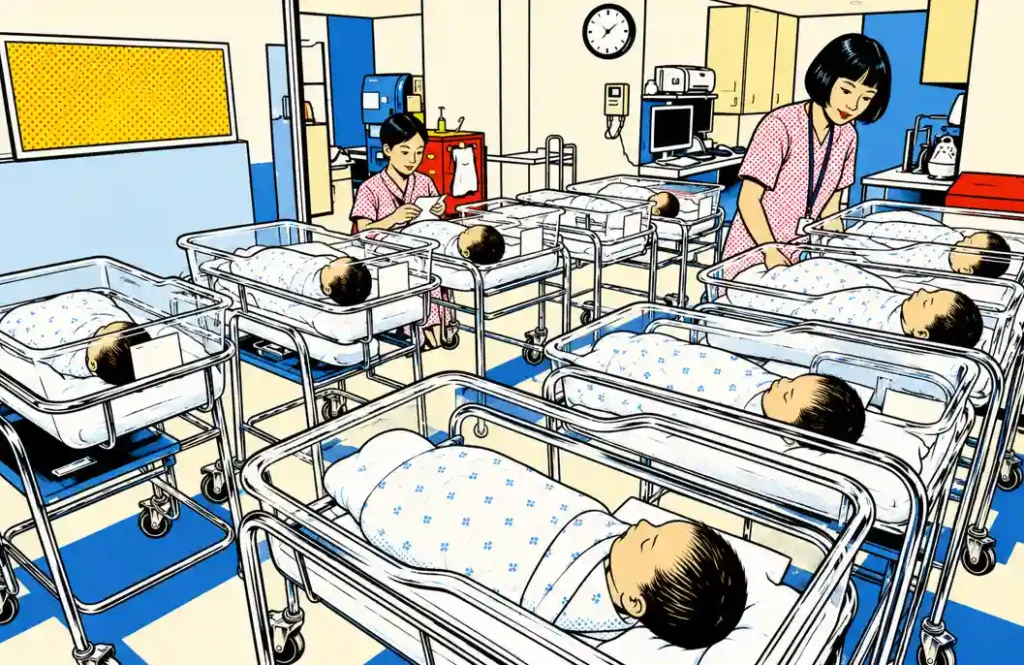
Postpartum Recovery in Korea: Traditional Care for International Mothers
Giving birth is only the beginning of a mother’s recovery journey. In South Korea, postpartum care—known as Sanhujori (산후조리)—is considered an essential part of maternal health rather than an optional luxury. Unlike many countries where mothers return home within a day or two after delivery, Korea has developed a comprehensive postpartum recovery system that combines evidence-based medical care, nutritional support, rest, and traditional wellness practices.
For international mothers seeking a safe, structured, and culturally unique recovery experience, Korea offers one of the world’s most advanced postpartum care environments. Modern postpartum care centers (Sanhujoriwon) work alongside hospitals, lactation specialists, obstetricians, pediatricians, nutritionists, and wellness practitioners to help mothers recover physically and emotionally while supporting newborn care.
This guide explains how postpartum recovery in Korea works, what traditional practices remain relevant today, which therapies are supported by current medical evidence, and what international mothers should expect in 2026.
What Is Korean Postpartum Recovery (Sanhujori)?
Sanhujori refers to the traditional Korean philosophy of restoring a mother’s health during the first several weeks after childbirth.
Rather than focusing solely on newborn care, Korean postpartum recovery emphasizes helping the mother’s body recover from pregnancy and labor through:
- Physical rest
- Balanced nutrition
- Warmth and circulation support
- Emotional wellbeing
- Breastfeeding assistance
- Gradual physical rehabilitation
- Professional newborn education
Today, these principles are integrated into highly modern healthcare systems, creating a unique blend of traditional wisdom and contemporary medicine.
Why Is Postpartum Recovery So Important?
Pregnancy and childbirth affect nearly every body system.
Recovery involves healing of:
- The uterus
- Pelvic floor muscles
- Abdominal muscles
- Hormonal balance
- Blood volume
- Sleep regulation
- Mental health
- Breastfeeding adaptation
Without sufficient recovery, mothers may experience:
- Persistent fatigue
- Pelvic floor dysfunction
- Urinary incontinence
- Chronic back pain
- Breastfeeding difficulties
- Postpartum depression
- Delayed physical recovery
Medical organizations including the World Health Organization (WHO) emphasize that postpartum care should extend well beyond hospital discharge and continue throughout the weeks following birth.
Why Korea Is Famous for Postpartum Care
Korea has developed an entire healthcare sector dedicated to maternal recovery.
The typical recovery journey includes:
- Delivery at a hospital
- Hospital observation (usually 2–5 days depending on delivery type)
- Transfer to a postpartum care center
- Professional support for approximately 2–3 weeks
- Continued outpatient follow-up
This structured transition reduces stress for new parents while allowing mothers to focus on recovery.
What Is a Korean Postpartum Care Center (Sanhujoriwon)?
A Sanhujoriwon is a specialized recovery center designed exclusively for mothers and newborns after childbirth.
Unlike a hotel, it provides medical oversight, professional newborn care, nutritional services, and maternal rehabilitation.
Typical services include:
- 24-hour newborn nursery
- Lactation consulting
- Breastfeeding education
- Maternal health monitoring
- Daily nutritious meals
- Private recovery rooms
- Infant bathing education
- Pediatric checkups
- Obstetric follow-up
- Emotional support
- Hygiene and infection control
Many premium centers also provide multilingual coordinators for international patients.
Traditional Korean Recovery Principles
Although modern postpartum care is evidence-based, several traditional concepts remain influential.
1. Keeping the Body Warm
Traditional Korean medicine suggests avoiding excessive cold exposure after childbirth.
Modern interpretation:
- Maintaining comfort
- Avoiding hypothermia
- Supporting circulation
- Promoting muscle relaxation
Current medical evidence does not require avoiding all cold foods or air conditioning, but staying comfortably warm during recovery may improve comfort.
2. Nutrient-Rich Recovery Diet
Nutrition is considered one of the foundations of postpartum healing.
Common Korean recovery foods include:
Miyeok-guk (Seaweed Soup)
Seaweed soup is traditionally served multiple times daily after childbirth.
It provides:
- Iodine
- Calcium
- Iron
- Magnesium
- Dietary fiber
For breastfeeding mothers, iodine intake should remain within medically recommended limits, so individualized nutritional guidance is important.
High-Protein Meals
Recovery diets emphasize:
- Fish
- Lean meat
- Eggs
- Tofu
- Beans
- Bone broth
- Whole grains
Adequate protein supports tissue repair and muscle recovery.
Iron-Rich Foods
Iron helps restore blood loss following childbirth.
Examples include:
- Beef
- Liver (in moderation)
- Spinach
- Beans
- Seaweed
- Iron-fortified foods
Traditional Herbal Medicine
Some mothers choose herbal medicine prescribed by licensed Korean Medicine doctors.
Common goals include:
- Improving energy
- Supporting circulation
- Enhancing recovery
- Managing postpartum fatigue
Because herbal formulas vary considerably, international mothers should always:
- Inform their obstetrician
- Discuss breastfeeding safety
- Avoid self-prescribing herbal products
Evidence supporting individual herbal formulas remains mixed, and treatment should be personalized.
Korean Postpartum Massage
Many recovery centers offer postpartum therapeutic massage.
Potential benefits include:
- Reduced muscle tension
- Improved circulation
- Swelling reduction
- Stress relief
- Relaxation
Massage should always be performed by trained professionals familiar with postpartum physiology.
Women with blood clotting disorders or specific medical complications may require physician approval.
Pelvic Floor Rehabilitation
One of the biggest advances in Korean postpartum care is evidence-based rehabilitation.
Programs often include:
- Pelvic floor exercises
- Core muscle recovery
- Breathing techniques
- Posture correction
- Gentle stretching
These exercises help reduce long-term complications such as:
- Urinary leakage
- Pelvic organ prolapse
- Chronic pelvic pain
Breastfeeding Support
Certified lactation consultants play a major role in Korean postpartum centers.
Support includes:
- Proper latch technique
- Milk supply management
- Breast engorgement care
- Pump education
- Nipple pain management
- Feeding schedules
Early breastfeeding guidance may improve breastfeeding success and maternal confidence.
Mental Health and Emotional Recovery
Recovery is not only physical.
Hormonal changes, sleep deprivation, and lifestyle adjustments can affect emotional wellbeing.
Professional postpartum programs monitor mothers for signs of:
- Baby blues
- Anxiety
- Postpartum depression
- Severe mood disorders
Early recognition allows timely referral to mental health specialists when necessary.
Infection Prevention
Modern Korean postpartum centers maintain strict hygiene protocols.
Common measures include:
- Visitor restrictions
- Daily health screening
- Newborn infection control
- Hand hygiene policies
- Room sanitation
- Pediatric monitoring
These standards became even more rigorous following the COVID-19 pandemic and continue to be emphasized in 2026.
Typical Recovery Timeline
| Time After Birth | Recovery Focus |
|---|---|
| Days 1–3 | Hospital recovery, pain management, breastfeeding initiation |
| Week 1 | Rest, nutrition, newborn adaptation |
| Week 2 | Mobility improvement, breastfeeding stabilization |
| Week 3 | Physical rehabilitation, confidence building |
| Weeks 4–6 | Follow-up examinations, pelvic floor recovery |
| Months 2–6 | Gradual return to exercise and daily activities |
What International Mothers Should Expect
Most international patients receive assistance with:
- Hospital coordination
- Interpreter services
- Transportation
- Insurance guidance
- Pediatric appointments
- Birth certificate support
- Accommodation planning
- Airport transfers
Premium medical tourism programs may also arrange postpartum stays for accompanying family members.
Is Korean Postpartum Care Safe?
Overall, Korean maternal healthcare ranks among the most technologically advanced in Asia.
Safety is supported through:
- Licensed obstetricians
- Neonatal specialists
- Professional nursing staff
- Emergency hospital access
- Standardized infection control
- Modern monitoring equipment
Patients with high-risk pregnancies should select facilities connected directly to tertiary hospitals.
Possible Limitations
International mothers should also consider:
- Language differences outside major medical centers
- Insurance coverage limitations
- Cultural differences in newborn care
- Dietary preferences
- Travel restrictions after delivery
Planning with an experienced international patient coordinator can reduce these challenges.
FAQ Section

What is postpartum recovery in Korea?
Postpartum recovery in Korea is a comprehensive maternal care system that combines modern healthcare with Korean postpartum care traditions known as Sanhujori. Mothers receive medical monitoring, nutritious meals, breastfeeding support, rehabilitation, and newborn care in specialized postpartum care centers.
Why do international mothers choose Korean postpartum care?
Many families choose Korean postpartum care because it offers professional nursing, personalized recovery programs, breastfeeding assistance, and modern medical supervision. Korea’s postpartum care centers provide a comfortable environment that helps mothers recover physically and emotionally after childbirth.
What is a postpartum care center in Korea?
A postpartum care center Korea (Sanhujoriwon) is a dedicated recovery facility where mothers receive professional postpartum care after delivery. Services typically include newborn care, lactation consulting, nutritious meals, maternal health monitoring, rehabilitation programs, and pediatric support.
How long should mothers stay for postpartum recovery in Korea?
Most mothers stay in a postpartum care center Korea for 2 to 3 weeks, depending on their recovery and medical needs. During this period, postpartum recovery in Korea focuses on physical healing, breastfeeding, nutrition, rest, and newborn care education.
Is Sanhujori supported by modern medicine?
Many aspects of Sanhujori Korea, including rest, balanced nutrition, breastfeeding support, pelvic floor rehabilitation, and medical follow-up, are consistent with modern maternal healthcare recommendations. Some traditional therapies may also be used under professional supervision as part of postpartum recovery in Korea.
Key Takeaways
Korean postpartum recovery represents a unique integration of traditional maternal care and modern healthcare. Rather than focusing solely on childbirth, the Korean model recognizes that a mother’s physical healing, emotional wellbeing, nutritional status, and confidence in newborn care are equally important during the weeks following delivery.
For international mothers, Korea offers access to advanced hospitals, dedicated postpartum care centers, skilled lactation consultants, rehabilitation programs, and culturally rooted recovery practices—all within a medically supervised environment. While some traditional therapies require individualized evaluation, the overall approach aligns with current global recommendations that emphasize comprehensive postpartum care, early rehabilitation, mental health support, and patient-centered recovery.
As of 2026, Korea continues to be a leading destination for mothers seeking a structured, holistic, and professionally supported postpartum recovery experience that bridges evidence-based medicine with long-standing cultural traditions.
References
- Korea Disease Control and Prevention Agency (KDCA). Maternal and Child Health Resources.
https://www.kdca.go.kr - Ministry of Health and Welfare, Republic of Korea. Maternal and Child Health Policy and Postpartum Care Information.
https://www.mohw.go.kr - Korean Society of Obstetrics and Gynecology (KSOG). Clinical guidelines and maternal healthcare resources.
https://www.ksog.org

Korea Med Tour – Trusted Blog for Medical Tourism in Korea
Korea Med Tour is a trusted medical tourism content platform providing accurate, research-based healthcare information for international patients considering treatment in Korea.
Our editorial team specializes in global patient guidance, treatment insights, clinic selection, and medical travel planning. All content is developed using verified medical sources and structured editorial review processes to ensure clarity, safety, and reliability.
We are committed to helping international patients make informed and confident medical travel decisions when choosing Korea as their healthcare destination.