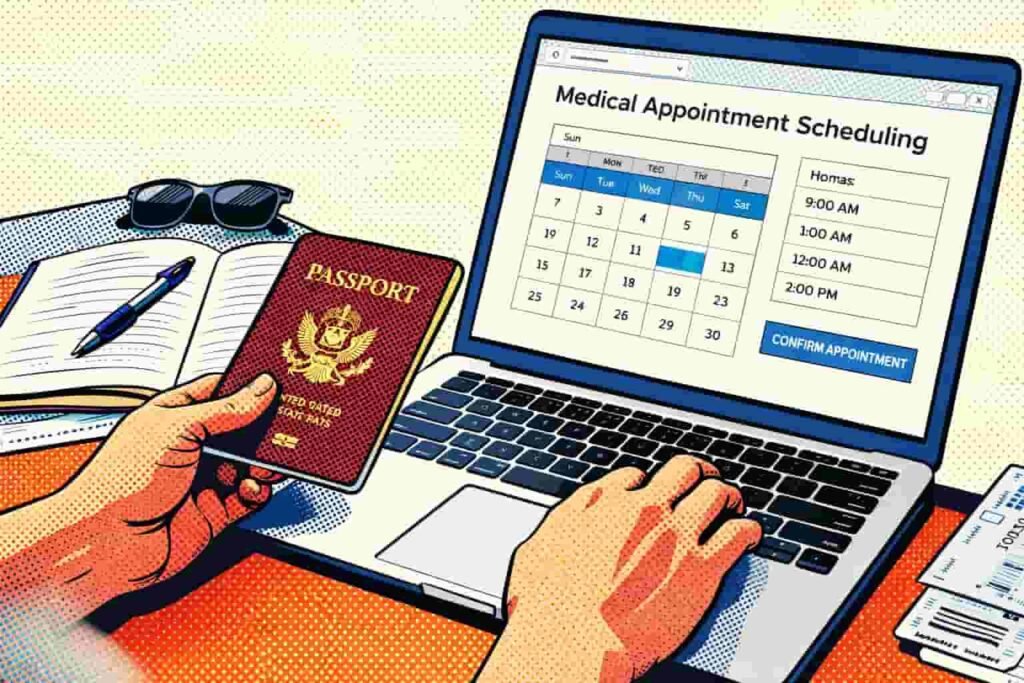


What are medical tourism packages in Korea?
KoreaMedTour.com
Medical tourism packages in Korea combine medical treatment with services such as consultations, hospital appointments, interpretation, transportation, accommodation, and follow-up care. Packages vary by provider and treatment, so international patients should compare medical credentials, treatment plans, total costs, inclusions, risks, and aftercare before booking.
Quick Summary
Medical tourism packages in Korea help international patients combine medical treatment with essential travel and patient-support services, making the healthcare journey more organized, convenient, and manageable. Depending on the provider and treatment, packages may include pre-travel medical consultation, hospital and clinic appointments, airport transfers, accommodation, medical interpretation, local transportation, treatment coordination, medication assistance, and post-treatment follow-up. Major destinations such as Seoul and Busan offer extensive healthcare infrastructure and international-patient services. Choosing the right package should focus not only on price but also on qualified healthcare providers, treatment suitability, transparent costs, recovery requirements, patient safety, and continuity of care before returning home.
Key advantages:
- Convenient access to Korean hospitals, specialized clinics, international medical centers, and healthcare facilities
- Coordinated medical consultations, appointments, treatment scheduling, and international-patient support
- Airport pickup and transportation between Incheon International Airport, hotels, hospitals, and clinics
- Accommodation options located near major medical districts to reduce travel time during treatment and recovery
- Professional medical interpretation and multilingual assistance for international patients
- Transparent package planning that can combine medical, transportation, accommodation, and support services
- Personalized treatment coordination based on the patient’s medical needs, procedure, recovery period, and length of stay
- Easier access to pharmacies, diagnostic centers, follow-up appointments, and postoperative care
- Transportation and mobility assistance for surgery patients, elderly travelers, caregivers, and patients with limited mobility
- Better recovery planning by minimizing unnecessary travel and coordinating appointments around treatment schedules
- Support with medical documents, treatment information, prescriptions, and communication with healthcare providers
- More convenient international medical travel through coordinated services before arrival, during treatment, and after discharge
Common use cases:
Medical tourism packages in Korea are commonly used by international patients seeking plastic surgery, facial contouring, rhinoplasty, eyelid surgery, facelift procedures, breast surgery, dermatology treatments, laser therapy, pigmentation treatment, acne and acne-scar treatment, skin lifting, anti-aging procedures, ophthalmology services such as LASIK, SMILE LASIK, and cataract surgery, dental implants, oral surgery, full-mouth rehabilitation, health checkup programs, orthopedic treatment, joint replacement, spine care, rehabilitation therapy, fertility and IVF treatment, cancer care, cardiovascular treatment, chronic disease management, and other specialized healthcare services. These packages are particularly useful when treatment requires multiple hospital or clinic visits, preoperative examinations, postoperative monitoring, accommodation near the medical facility, airport transfers, medical interpretation, caregiver assistance, recovery transportation, and follow-up care before an international patient returns home.
What a medical tourism package may include:
Before arrival: Online consultation, medical record review, treatment planning, cost estimates, appointment scheduling, visa-related guidance, and travel preparation.
During the medical trip: Airport transfer, hotel accommodation, hospital or clinic transportation, medical interpretation, treatment coordination, diagnostic testing, procedures, medication guidance, and administrative support.
After treatment: Follow-up appointments, postoperative transportation, medical documentation, prescription guidance, communication with the healthcare provider, and recommendations for continuing care after returning home.
Important: Package inclusions vary significantly between providers. International patients should request a written, itemized quotation and confirm the healthcare provider, physician, treatment plan, included services, exclusions, potential additional costs, recovery timeline, cancellation policy, and follow-up arrangements before booking.
Table of Contents

What Are Medical Tourism Packages in Korea?
A medical tourism package is a coordinated service arrangement designed to make receiving medical care in Korea easier for a patient traveling from another country.
Depending on the provider, a package may include:
- Initial online medical consultation
- Medical record and photo review
- Treatment planning
- Hospital or clinic appointment scheduling
- Airport pickup and transportation
- Hotel accommodation
- Interpreter or multilingual coordinator
- Medical procedure or surgery
- Medication or post-treatment supplies
- Local transportation
- Follow-up consultation
- Airport transfer
- Assistance with medical documents
- Visa-related documentation where applicable
The important distinction is that a travel package and a medical package are not the same thing.
A travel package primarily organizes flights, hotels, sightseeing, and transportation. A medical tourism package must place the patient’s clinical needs, informed consent, treatment suitability, safety, and continuity of care at the center of the arrangement.
The Korea Health Industry Development Institute (KHIDI) specifically advises international patients to check healthcare-provider certification, physician licensing, clinical experience, potential additional expenses, required documents, visa requirements, and post-treatment care before traveling. It also recommends working with healthcare providers and medical tourism facilitators that are properly registered and authorized to serve foreign patients.
Why Do International Patients Choose Korea for Medical Tourism?
Korea’s medical tourism market is broad rather than being limited to one specialty.
International patients commonly seek:
- Dermatology
- Cosmetic and reconstructive surgery
- Ophthalmology
- Dental treatment
- Health examinations
- Orthopedic care
- Cancer treatment
- Cardiovascular treatment
- Fertility and reproductive medicine
- Rehabilitation
- Traditional Korean medicine
- Anti-aging and wellness-related medical services
The country’s international-patient market has also changed significantly in recent years. The 2024 government statistics showed particularly strong growth among patients from Japan, China, Taiwan, and other Asian markets, with dermatology contributing substantially to the increase.
This matters when selecting a package because the ideal package for a dermatology patient can be completely different from the ideal package for a surgical patient.
A patient traveling for a laser procedure may need only a short stay and several clinic visits. Someone undergoing major surgery may require preoperative testing, anesthesia assessment, several days of recovery, medication management, wound checks, and a carefully planned return-home timeline.
What Is Usually Included in a Korean Medical Tourism Package?
There is no single standardized national “Korea medical tourism package.” Package contents are determined by the healthcare provider or authorized facilitator.
A useful way to evaluate an offer is to divide it into five stages.
1. Pre-Travel Medical Coordination
A well-designed package begins before the patient boards a plane.
The coordinator may collect:
- Passport information
- Medical history
- Current medications
- Previous treatment history
- Allergies
- Diagnostic reports
- Imaging
- Laboratory results
- Photographs where clinically relevant
- Treatment objectives
The physician then determines whether an in-person consultation or additional testing is necessary.
This stage is especially important for surgery. A patient should not assume that sending photographs automatically guarantees eligibility for a procedure.
Clinical suitability must ultimately be determined by a qualified healthcare professional.
2. Treatment and Hospital Coordination
The package should clearly identify:
- The healthcare institution
- The treating physician
- The planned procedure
- Expected treatment date
- Pre-treatment testing
- Anesthesia requirements, if applicable
- Expected recovery period
- Follow-up schedule
Patients should ask whether the quoted price represents an estimate or a confirmed treatment plan.
Medical treatment can change after an in-person examination. Additional diagnostic testing or a clinically necessary change in treatment may affect the final cost.
3. Accommodation and Transportation
Some medical tourism packages combine medical care with:
- Hotel accommodation
- Airport pickup
- Clinic transportation
- Intercity transportation
- Local transportation
- Airport return transfer
For minor outpatient procedures, transportation may be straightforward.
For surgery or procedures involving sedation or anesthesia, transportation planning becomes more important. Patients should not assume that they can travel independently immediately after treatment.
A package should therefore specify when transportation is provided, who provides it, and whether transportation is medically appropriate after the procedure.
4. Interpretation and International Patient Support
Language barriers can create avoidable risks in medical care.
International-patient support may include:
- Medical interpretation
- Translation of treatment documents
- Appointment coordination
- Communication with the hospital
- Explanation of administrative procedures
- Assistance with prescriptions
- Communication during follow-up
Interpretation should not be treated merely as a tourism convenience.
Patients need to understand:
- Diagnosis
- Treatment alternatives
- Potential risks
- Expected outcomes
- Recovery requirements
- Medication instructions
- Follow-up recommendations
Informed consent remains a clinical process, and patients should have an opportunity to ask questions directly through an appropriate communication channel.
Medical Tourism Package Examples in Korea
Different procedures require different package structures.
Dermatology Package
A typical dermatology-focused medical trip might include:
Day 1: Arrival and hotel check-in
Day 2: Dermatology consultation and skin assessment
Day 3: Treatment
Day 4: Follow-up or additional treatment if clinically appropriate
Day 5: Departure
Possible services may include laser treatment, pigmentation management, acne treatment, scar treatment, injectables, skin rejuvenation, or other physician-selected procedures.
However, patients should be cautious about packages that automatically bundle multiple procedures.
A lower price is not necessarily better if unnecessary treatments are included.
Plastic Surgery Package
A surgical package may require considerably more coordination.
A representative structure could include:
- Remote consultation before travel
- Medical-record review
- Arrival in Korea
- In-person consultation
- Preoperative testing
- Final surgical plan
- Surgery
- Recovery period
- Follow-up examination
- Discharge planning
- Return-home preparation
The package should clearly explain whether the quoted price includes anesthesia, facility charges, medications, postoperative treatment, compression garments, diagnostic tests, and follow-up visits.
Patients should also ask what happens if the physician determines that the planned procedure is not medically appropriate after the in-person examination.
Health Checkup Package
Health screening is another common reason international patients visit Korea.
A health-checkup package may include:
- General medical consultation
- Blood testing
- Urinalysis
- Imaging
- Ultrasound
- Endoscopy
- Cardiovascular assessment
- Cancer screening according to age and risk
- Physician consultation
The appropriate examination depends on the patient’s age, sex, medical history, symptoms, risk factors, and previous screening results.
A package should therefore not imply that “more tests” automatically means better healthcare.
The objective should be appropriate screening based on clinical need.
Dental Medical Tourism Package
Dental packages may involve:
- Consultation
- Dental imaging
- Cleaning
- Fillings
- Crowns
- Veneers
- Implants
- Periodontal treatment
- Prosthodontic treatment
Dental treatment can require multiple visits, especially for implants and complex restorative procedures.
Patients should therefore ask whether the treatment can realistically be completed during one trip or whether a second visit will be required.
How Much Do Medical Tourism Packages in Korea Cost?
There is no single standard price for medical tourism in Korea.
The final cost can vary according to:
- Procedure
- Physician
- Hospital or clinic
- Number of treatment sessions
- Anesthesia
- Diagnostic testing
- Medication
- Accommodation
- Length of stay
- Interpreter service
- Transportation
- Follow-up requirements
- Additional procedures
For this reason, advertised package prices should be treated as starting estimates unless the provider clearly states what is included.
A useful cost comparison should separate the medical bill from travel-related expenses.
| Cost Category | Examples |
|---|---|
| Medical treatment | Consultation, procedure, surgery |
| Diagnostics | Blood tests, imaging, pathology |
| Medication | Prescriptions and postoperative medication |
| Accommodation | Hotel or recovery accommodation |
| Transportation | Airport and clinic transfers |
| Interpretation | Medical interpreter/coordinator |
| Travel | Airfare and local transportation |
| Follow-up | Post-treatment examination |
| Additional costs | Optional or clinically necessary services |
One of the most common budgeting mistakes is comparing one provider’s medical-only price with another provider’s all-inclusive package price.
Always compare like with like.
Are Medical Tourism Packages in Korea Safe?
Safety depends less on the word “package” and more on the quality and legitimacy of the healthcare providers and coordination system behind it.
The Korean government and KHIDI operate systems supporting international-patient healthcare and healthcare-provider evaluation. KHIDI’s foreign-patient medical institution evaluation and accreditation program is intended to identify healthcare institutions with strong international medical services.
Patients should independently verify:
1. Healthcare Provider
Check:
- Facility identity
- Medical specialty
- Physician credentials
- Relevant experience
- International-patient services
- Certification or accreditation where applicable
2. Treatment Plan
Ask:
- What exactly will be performed?
- Who will perform it?
- Why is it recommended?
- What are the alternatives?
- What are the major risks?
- How long is recovery expected to take?
3. Package Terms
Confirm:
- What is included?
- What is excluded?
- Are taxes included?
- Are medications included?
- Are diagnostic tests included?
- What happens if treatment changes?
- What happens if surgery is canceled?
4. Emergency and Follow-Up Arrangements
Ask who will handle:
- Unexpected symptoms
- Postoperative complications
- Medication problems
- Emergency medical care
- Follow-up after returning home
A responsible package should have a clear escalation pathway rather than simply providing a phone number for a travel coordinator.
Medical Tourism Visa Requirements for Korea
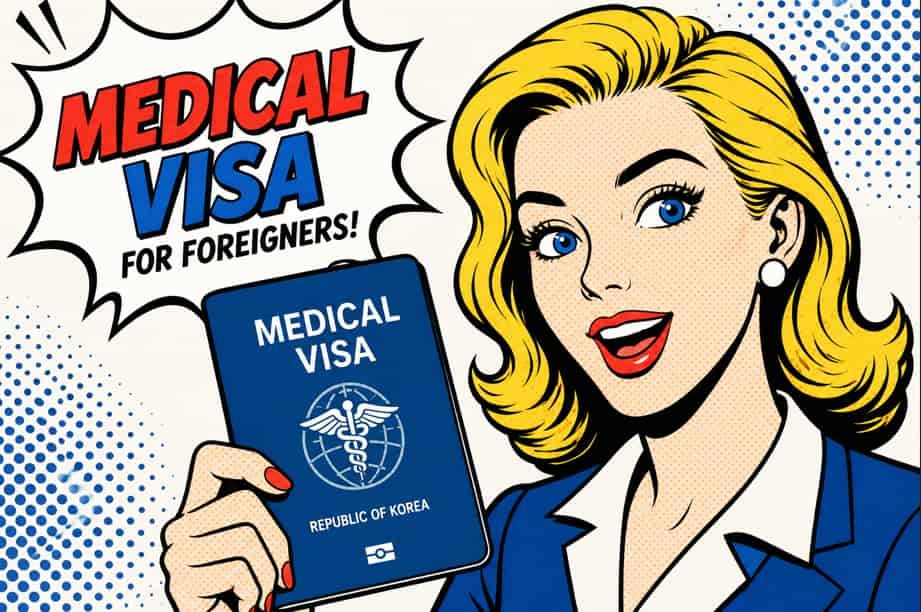
Visa requirements depend on nationality, immigration status, purpose and duration of stay, and other circumstances.
Korea’s official visa information includes medical-tourist and treatment-related visa categories. The Korea Visa Portal identifies C-3-3 Medical Tourist and G-1-10 Treatment and Recuperation categories in relevant circumstances.
KHIDI also provides medical-visa information for international patients invited by registered healthcare providers or facilitators. Depending on the visa category, documentation may include proof of the need for medical treatment, financial documentation, and documentation concerning the registered healthcare provider or facilitator.
Because immigration rules can change, patients should verify their specific requirements through the Korea Visa Portal, Korean embassy or consulate, and authorized healthcare provider/facilitator before purchasing non-refundable travel arrangements.
What Should Be Included in a High-Quality Medical Tourism Package?
From a practical international-patient perspective, the strongest package is not necessarily the one with the most services.
It is the one with the clearest clinical pathway.
A high-quality package should ideally provide:
Before Arrival
- Medical eligibility review
- Treatment explanation
- Transparent quotation
- Required medical documents
- Visa guidance where applicable
- Appointment confirmation
- Travel and recovery planning
During the Visit
- Hospital/clinic coordination
- Medical interpretation when needed
- Transportation appropriate to the patient’s condition
- Clear appointment schedule
- Treatment documentation
- Medication instructions
After Treatment
- Follow-up appointment
- Discharge information
- Contact procedure for concerns
- Medical records or relevant documentation
- Guidance for continuing care after returning home
This three-stage structure—before treatment, during treatment, and after treatment—is one of the most useful ways to evaluate competing medical tourism packages.
Red Flags When Choosing a Korea Medical Tourism Package
International patients should be particularly cautious when a package includes:
- Guaranteed medical outcomes
- Pressure to pay immediately
- No physician consultation
- No explanation of risks
- Unclear clinic identity
- Extremely low prices without itemization
- Large numbers of unnecessary bundled procedures
- No written cancellation policy
- No postoperative plan
- No emergency contact
- Requests for unexplained payments
- Claims that a procedure is completely risk-free
Medical care cannot be evaluated in exactly the same way as a hotel or sightseeing package.
A medical package should sell coordination and access—not guaranteed clinical outcomes.
How to Compare Medical Tourism Packages in Korea
Use this five-step process.
Step 1: Define Your Medical Objective
Instead of searching only for “Korea medical tourism,” define the actual objective.
For example:
- Korean dermatology for pigmentation
- Health screening in Seoul
- Dental implants in Korea
- LASIK consultation in Korea
- Plastic surgery consultation in Seoul
- Orthopedic treatment in Korea
Specific intent makes it easier to identify appropriate providers.
Step 2: Verify the Healthcare Provider
Do not rely solely on a travel agency’s description.
Review the provider’s:
- Specialty
- Physicians
- Facility information
- International-patient experience
- Certification information
- Treatment methodology
Step 3: Request an Itemized Estimate
Ask for separate prices for:
- Medical treatment
- Tests
- Medication
- Accommodation
- Transportation
- Interpretation
- Follow-up
- Optional services
Step 4: Confirm the Recovery Timeline
This is particularly important for surgery.
Your travel itinerary should not be finalized until you understand:
- Expected recovery
- Follow-up timing
- Restrictions on flying
- Medication requirements
- Possible complications
- Need for additional appointments
Long flights and travel activities can affect treatment recovery, which is one reason KHIDI specifically advises international patients to consider post-treatment care and the potential effects of long travel.
Step 5: Plan Follow-Up Before You Leave Home
Ask:
“If I return to my country after treatment, how will my Korean medical provider handle follow-up?”
The answer should be specific.
For example, the provider may offer remote communication, provide medical records, coordinate a scheduled follow-up, or advise the patient to continue care with a local physician.
Seoul vs. Other Korean Destinations for Medical Tourism
Seoul is the country’s largest and most internationally visible medical tourism market, particularly for highly specialized hospitals, dermatology, cosmetic procedures, and health screening.
However, international patients should not automatically assume that Seoul is the only appropriate destination.
Other Korean cities can offer specialized healthcare and may be more convenient depending on the treatment.
The better selection process is:
medical specialty → physician/facility → treatment suitability → international support → location
rather than:
city → clinic → package
This distinction is important because the best medical provider for a particular condition may not necessarily be the closest or most heavily marketed clinic.
FAQ Section

What are medical tourism packages in Korea?
Medical tourism packages in Korea combine healthcare services with travel-related support for international patients. Depending on the provider, Korea medical tourism packages may include medical consultations, treatment coordination, interpretation, airport transfers, accommodation, transportation, and follow-up care. Patients should confirm exactly what is included before booking.
What is included in Korea medical tourism packages?
Korea medical tourism packages may include a medical consultation, treatment appointment, interpretation, transportation, hotel accommodation, airport pickup, medical coordination, medication guidance, and follow-up appointments. The exact services differ by provider and procedure, so international patients should request an itemized quotation showing included and excluded costs.
How much do medical tourism packages in Korea cost?
The cost of medical tourism packages in Korea depends on the treatment, healthcare provider, diagnostic tests, anesthesia, medication, accommodation, transportation, interpretation, and length of stay. Korea medical treatment packages should be compared using total estimated costs rather than advertised starting prices, because additional medical or travel expenses may apply.
Is Korea medical tourism safe for international patients?
Korea medical tourism for international patients can provide access to established healthcare institutions and international-patient services, but safety depends on the specific provider and treatment. Patients should verify the healthcare institution, physician credentials, treatment plan, potential risks, pricing, emergency procedures, and post-treatment care before traveling.
How do I choose the best medical tourism package in Korea?
To choose the best medical tourism package in Korea, compare the healthcare provider’s credentials, physician experience, treatment suitability, total price, accommodation and transportation arrangements, interpretation services, recovery period, and follow-up plan. The best Korea medical tourism package is not necessarily the cheapest; it should provide transparent information and an appropriate clinical pathway for the patient.
Final Takeaway
The growth of medical tourism in Korea reflects a mature international healthcare market, but patients should not confuse a convenient travel package with a clinically appropriate treatment plan.
The safest approach is to evaluate the entire patient journey:
Pre-travel assessment → qualified healthcare provider → informed treatment decision → transparent pricing → coordinated travel → treatment → recovery → follow-up
Korea’s international-patient infrastructure has expanded substantially, with the government reporting a record 1.17 million foreign patients in 2024. At the same time, official guidance emphasizes that patients should verify healthcare-provider credentials, understand their rights and obligations, anticipate additional expenses, prepare appropriate medical documentation, and plan post-treatment care before traveling.
For patients considering medical tourism packages in Korea in 2026, the most important question is therefore not simply “How much does the package cost?”
It is:
“Does this package connect me with the right medical provider, give me enough information to make an informed decision, and provide a safe and realistic pathway before, during, and after treatment?”
That is the standard that should guide every international patient’s decision.
Reference
- Korea Ministry of Health and Welfare — Foreign-patient statistics and national healthcare policy
- Korea Health Industry Development Institute (KHIDI) — International-patient guidance, medical visa information, and healthcare-industry programs
- Korea Visa Portal — Official Korean visa information

Korea Med Tour – Trusted Blog for Medical Tourism in Korea
Korea Med Tour is a trusted medical tourism content platform providing accurate, research-based healthcare information for international patients considering treatment in Korea.
Our editorial team specializes in global patient guidance, treatment insights, clinic selection, and medical travel planning. All content is developed using verified medical sources and structured editorial review processes to ensure clarity, safety, and reliability.
We are committed to helping international patients make informed and confident medical travel decisions when choosing Korea as their healthcare destination.