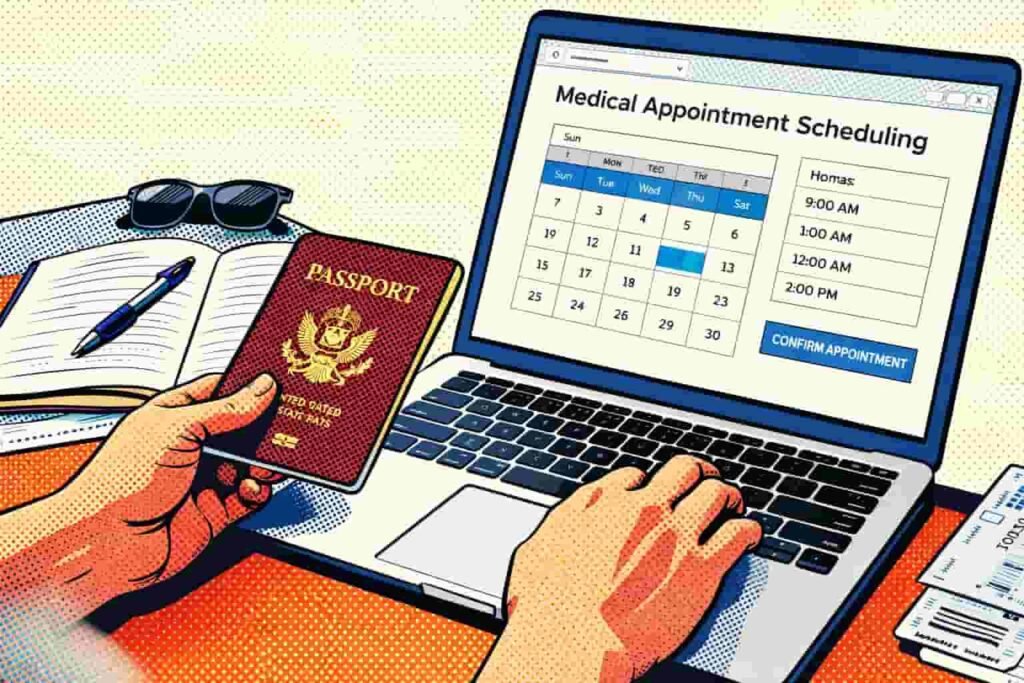


Planning your medical trip to Korea involves choosing a reputable hospital, preparing medical records, understanding treatment costs, arranging visas and accommodation, and scheduling follow-up care. Careful planning helps international patients enjoy safer treatment, smoother travel, and a more successful healthcare experience in South Korea.
KoreaMedTour.com
Quick Summary
Planning Your Medical Trip to Korea helps international patients prepare for a safe, organized, and successful healthcare journey in South Korea. Careful planning includes selecting the right hospital and specialist, preparing medical records, understanding treatment costs, arranging visas and travel, securing accommodation, and organizing follow-up care after returning home. With support from International Patient Centers, multilingual coordinators, and experienced healthcare providers, patients can navigate every stage of medical travel with greater confidence, reduced stress, and improved continuity of care.
Key Advantages:
- Comprehensive pre-travel medical consultations to evaluate treatment options and determine eligibility for care in Korea
- Access to internationally recognized hospitals equipped with advanced medical technology and experienced specialists
- Dedicated International Patient Centers providing personalized support before, during, and after treatment
- Assistance with medical record review, treatment estimates, appointment scheduling, and physician matching
- Clear guidance on medical visas, travel documentation, accommodation, airport transfers, and local transportation
- Transparent treatment planning with detailed cost estimates, expected timelines, and recovery recommendations
- Professional medical interpreter services and multilingual patient coordinators to facilitate accurate communication
- Coordinated care across consultations, diagnostic testing, treatment, surgery, hospitalization, and discharge
- Support with insurance documentation, medical billing, payment procedures, and translated medical records
- Telemedicine and remote follow-up consultations to ensure continuity of care after returning to the patient’s home country
- Efficient healthcare system with relatively short waiting times for many specialized treatments
- Safe travel planning, postoperative recovery guidance, and personalized discharge instructions to reduce complications and improve treatment outcomes
Common Use Cases:
Planning Your Medical Trip to Korea is commonly recommended for international patients seeking comprehensive health checkups, cosmetic and plastic surgery, dermatology treatments, ophthalmology procedures such as SMILE LASIK, LASIK, LASEK, and cataract surgery, dental implants and full-mouth rehabilitation, orthopedic and spine surgery, cancer diagnosis and treatment, fertility care (IVF), cardiovascular procedures, gastrointestinal care, robotic surgery, regenerative medicine, rehabilitation programs, chronic disease management, pediatric specialty care, executive health screening, second medical opinions, telemedicine consultations, and medical tourism services for patients seeking advanced, high-quality healthcare in South Korea.
Table of Contents

Why Choose Korea for Medical Treatment?
South Korea has earned a strong international reputation for delivering high-quality healthcare combined with advanced medical technology. Many hospitals operate specialized International Patient Centers that assist foreign visitors throughout the treatment process.
Common reasons international patients travel to Korea include:
- Highly specialized medical professionals
- Advanced diagnostic imaging and surgical technology
- Competitive treatment costs compared with many Western countries
- Short waiting times for many procedures
- Comprehensive health screening programs
- Modern recovery facilities
- Multilingual interpreter services
- Efficient transportation and excellent public safety
Many Korean hospitals also maintain internationally recognized quality management systems and continuously invest in digital healthcare technologies.
Step 1: Determine Whether Korea Is the Right Destination
Before booking a flight, understand whether traveling abroad is appropriate for your medical condition.
Patients often seek treatment in Korea for:
- Cosmetic and reconstructive surgery
- LASIK and SMILE vision correction
- Cancer treatment
- Spine surgery
- Orthopedic procedures
- Dental implants
- Fertility treatments (IVF)
- Dermatology and skin care
- Health screening
- Plastic surgery revision
- Gastroenterology
- Cardiovascular evaluation
However, patients with unstable emergency conditions should receive immediate care locally rather than traveling internationally.
A consultation with your current physician can help determine whether overseas treatment is medically appropriate.
Step 2: Research Hospitals Carefully
Choosing the right hospital is more important than choosing the lowest price.
When comparing hospitals, evaluate:
Medical Expertise
Consider:
- Physician experience
- Subspecialty expertise
- Annual procedure volume
- Published research
- Clinical outcomes
High-volume centers often develop extensive experience with complex conditions.
International Patient Services
Look for hospitals offering:
- Medical interpreters
- Overseas patient coordinators
- Airport assistance
- International billing support
- Medical record translation
- Telemedicine follow-up
- Concierge services
These services significantly simplify treatment for international visitors.
Hospital Accreditation
Although accreditation alone does not guarantee superior outcomes, it demonstrates adherence to recognized quality and patient safety standards.
Step 3: Prepare Your Medical Records
Providing complete medical information before traveling allows Korean specialists to review your case and recommend the most appropriate treatment plan.
Useful documents include:
- Medical history
- Previous diagnoses
- Imaging studies (MRI, CT, X-ray)
- Laboratory results
- Pathology reports
- Medication list
- Allergy information
- Previous surgical records
Digital copies are often preferred.
If records are not in English or Korean, certified translation may improve consultation efficiency.
Step 4: Receive an Initial Medical Consultation
Many Korean hospitals now offer remote consultations before international travel.
During this stage, physicians may discuss:
- Your diagnosis
- Additional testing requirements
- Expected treatment options
- Estimated treatment timeline
- Possible surgical recommendations
- Recovery expectations
- Estimated hospital stay
Virtual consultations help patients decide whether traveling is worthwhile before making financial commitments.
Step 5: Understand Medical Costs
One advantage of planning ahead is obtaining a detailed treatment estimate.
Costs may include:
| Expense | Examples |
|---|---|
| Medical consultation | Initial specialist appointment |
| Diagnostic testing | Blood work, MRI, CT, ultrasound |
| Procedure | Surgery or treatment |
| Hospital admission | Private or shared room |
| Anesthesia | If applicable |
| Medications | During hospitalization |
| Rehabilitation | Physical therapy or follow-up |
| Interpreter | Sometimes included |
| Accommodation | Before and after hospitalization |
| Transportation | Airport transfers and local travel |
Ask whether quotations include:
- Taxes
- Hospital fees
- Surgeon fees
- Medication
- Follow-up visits
Remember that treatment plans may change after further evaluation.
Step 6: Arrange Your Medical Visa and Travel Documents
Visa requirements depend on:
- Nationality
- Length of stay
- Purpose of travel
Some patients may enter visa-free depending on bilateral agreements, while others require a medical visa.
Prepare:
- Passport
- Hospital appointment confirmation
- Invitation letter (if provided)
- Medical documents
- Financial documentation if requested
Always verify current immigration requirements before booking travel.
Step 7: Book Flights with Recovery in Mind
Selecting the right travel schedule is important.
Patients should avoid:
- Arriving immediately before surgery
- Flying too soon after major procedures
- Scheduling multiple connections immediately after surgery
Whenever possible:
- Arrive several days before treatment
- Allow sufficient recovery time
- Discuss safe travel timing with your surgeon
Certain surgeries increase the risk of blood clots during long flights, making medical clearance essential.
Step 8: Choose Accommodation Near the Hospital
Location matters during recovery.
Many international patients prefer accommodations within walking distance or a short taxi ride from the hospital.
Options include:
- Hotels
- Serviced residences
- Medical recovery apartments
- Family accommodations
Consider:
- Elevator access
- Wheelchair accessibility
- Kitchen facilities
- Laundry
- Quiet surroundings
Some hospitals partner with nearby hotels offering discounted rates for international patients.
Step 9: Plan Transportation in Korea
South Korea has one of Asia’s most efficient transportation systems.
Patients commonly use:
- Airport limousine buses
- Taxis
- Subway
- High-speed rail (KTX)
- Ride-hailing applications
For patients recovering from surgery, private transportation may be more comfortable than public transit.
Step 10: Prepare for Hospital Admission
Bring:
- Passport
- Insurance documents
- Hospital appointment confirmation
- Current medications
- Comfortable clothing
- Mobile charger
- Prescription glasses
- Personal hygiene items
Follow fasting instructions carefully if surgery is scheduled.
Failure to follow preoperative instructions may delay procedures.
What Happens During Your Treatment?
Although every specialty differs, most treatment pathways include:
- Initial consultation
- Diagnostic evaluation
- Treatment planning
- Procedure or surgery
- Hospital recovery
- Follow-up assessment
- Discharge planning
International coordinators often assist throughout each stage.
Recovery After Treatment
Recovery varies depending on:
- Age
- Overall health
- Procedure performed
- Medical history
- Postoperative complications
Patients should carefully follow instructions regarding:
- Medication
- Wound care
- Activity restrictions
- Diet
- Follow-up appointments
Many hospitals now provide virtual follow-up consultations after patients return home.
Practical Example
Imagine a patient from Australia traveling for SMILE laser vision correction.
Their journey may look like this:
- Submit medical history online
- Complete virtual consultation
- Receive cost estimate
- Book flights
- Arrive in Seoul
- Undergo preoperative examination
- Receive surgery
- Attend next-day follow-up
- Remain several additional days
- Return home
- Complete virtual postoperative checkups
Planning every step before departure reduces unexpected delays.
Medical Insurance Considerations

Coverage varies considerably.
Patients should determine:
- Whether overseas treatment is covered
- Reimbursement requirements
- Preauthorization procedures
- Required documentation
Travel insurance and medical complication coverage should also be reviewed before departure.
Communication and Language Support
Many leading Korean hospitals provide:
- Professional medical interpreters
- English-speaking coordinators
- Multilingual appointment scheduling
- Translated consent forms
- Medication instructions
- Discharge summaries
Professional medical interpretation helps reduce misunderstandings during consultations and informed consent discussions.
Safety Tips for International Patients
For a safer medical journey:
- Verify physician credentials.
- Confirm the hospital’s experience with your procedure.
- Request written treatment estimates.
- Bring complete medical records.
- Allow sufficient recovery time before flying.
- Follow postoperative instructions carefully.
- Keep emergency contact information accessible.
- Maintain communication with both your Korean physician and your local healthcare provider.
FAQ Section

How do I start planning my medical trip to Korea?
The first step in planning your medical trip to Korea is choosing a reputable hospital, submitting your medical records for review, obtaining a treatment estimate, and confirming whether you need a medical visa. A well-organized Korea medical travel guide helps international patients prepare for consultations, travel, and recovery with confidence.
How much does planning a medical trip to Korea cost?
The cost of planning your medical trip to Korea depends on your treatment, hospital, accommodation, airfare, and length of stay. Most medical tourism Korea providers can supply detailed cost estimates before travel, allowing international patients to budget accurately and avoid unexpected expenses.
What documents are required for planning a medical trip to Korea?
When planning your medical trip to Korea, you should prepare your passport, medical records, imaging results, laboratory reports, medication list, and any required visa documents. Having complete documentation helps Korean specialists evaluate your condition efficiently before your arrival.
Is Korea a good destination for international medical treatment?
Yes. Planning your medical trip to Korea offers access to advanced hospitals, experienced specialists, modern technology, multilingual international patient centers, and relatively short waiting times. These advantages make medical tourism Korea one of the world’s leading healthcare destinations for international patients.
How long should international patients stay in Korea after treatment?
The ideal length of stay when planning your medical trip to Korea depends on the procedure and your recovery progress. Minor treatments may require only a few days, while major surgeries often require several weeks of follow-up. Your treating physician will recommend when it is medically safe to travel home, ensuring continuity of care for international patients in Korea.
Final Takeaway
Planning your medical trip to Korea requires more than booking an appointment—it involves informed decision-making, careful coordination, and preparation before, during, and after treatment. By selecting a reputable hospital, organizing medical records, understanding costs, arranging travel logistics, and planning follow-up care, international patients can experience a smoother healthcare journey with fewer unexpected challenges.
South Korea’s combination of advanced medical expertise, modern facilities, efficient international patient services, and comprehensive care pathways makes it a leading destination for medical travelers in 2026. Thoughtful preparation not only improves convenience but also supports patient safety, continuity of care, and better overall treatment outcomes.
References
- World Health Organization (WHO). Quality health services.
https://www.who.int/teams/integrated-health-services/quality-services - Korea Health Industry Development Institute (KHIDI). Medical Korea – Official Information for International Patients.
https://www.medicalkorea.or.kr - Ministry of Health and Welfare (Republic of Korea). Healthcare Policy and International Healthcare Services.
https://www.mohw.go.kr - Visit Korea (Korea Tourism Organization). Medical Tourism in Korea.
https://english.visitkorea.or.kr - Korea Disease Control and Prevention Agency (KDCA). Travel Health & Infectious Disease Information.
https://www.kdca.go.kr

Korea Med Tour – Trusted Blog for Medical Tourism in Korea
Korea Med Tour is a trusted medical tourism content platform providing accurate, research-based healthcare information for international patients considering treatment in Korea.
Our editorial team specializes in global patient guidance, treatment insights, clinic selection, and medical travel planning. All content is developed using verified medical sources and structured editorial review processes to ensure clarity, safety, and reliability.
We are committed to helping international patients make informed and confident medical travel decisions when choosing Korea as their healthcare destination.