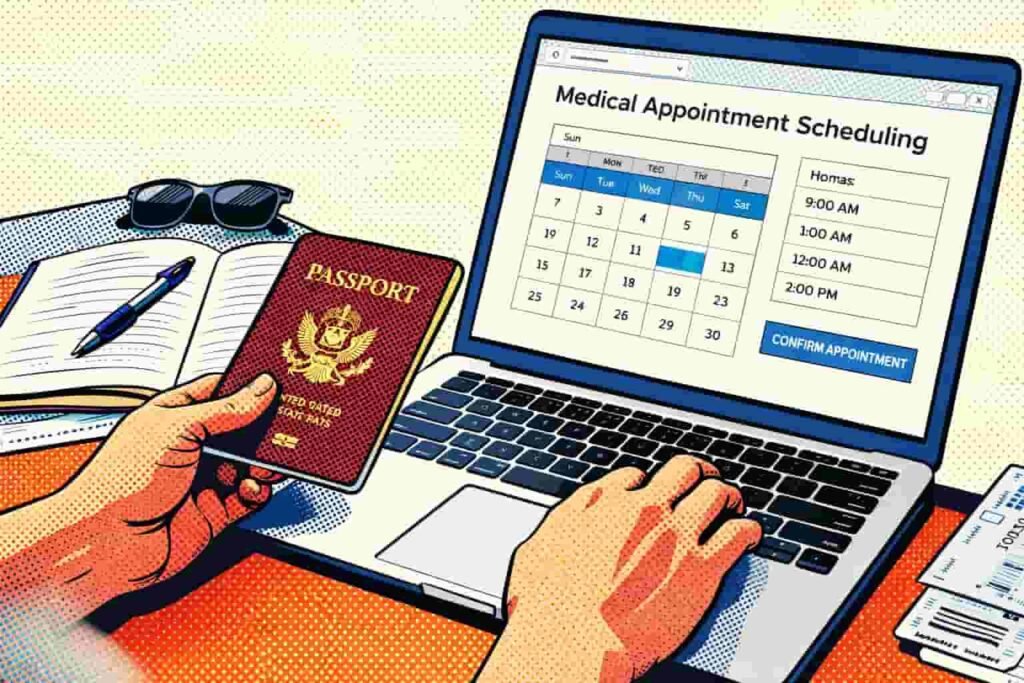


Interpreter services in Korean hospitals help international patients communicate accurately with doctors, nurses, and medical staff. Professional medical interpreters improve patient safety, support informed consent, explain diagnoses and treatments, and ensure clear communication throughout consultations, surgery, hospitalization, and follow-up care.
KoreaMedTour.com
Quick Summary
Interpreter Services in Korean Hospitals help international patients communicate accurately and confidently throughout their medical journey in South Korea. Professional medical interpreters, multilingual International Patient Centers, and dedicated patient coordinators ensure clear communication between patients and healthcare providers during consultations, diagnosis, treatment, surgery, hospitalization, and follow-up care. These services reduce language barriers, improve patient safety, support informed consent, and make Korea’s healthcare system more accessible for overseas patients.
Key Advantages:
- Professional medical interpreters trained in healthcare terminology and patient communication
- Multilingual International Patient Centers providing end-to-end support for foreign patients
- Accurate interpretation during consultations, diagnostic testing, surgery, and hospitalization
- Translation assistance for medical records, imaging reports, prescriptions, consent forms, and discharge instructions
- Clear communication of diagnoses, treatment options, surgical risks, medications, and recovery plans
- Support with appointment scheduling, hospital registration, insurance coordination, billing, and medical documentation
- Remote interpretation services through secure video or telephone platforms when in-person interpreters are unavailable
- Improved patient safety by minimizing communication errors and supporting informed medical decisions
- Better collaboration between international patients, physicians, nurses, and hospital staff
- Ongoing multilingual support for follow-up appointments, rehabilitation, and post-treatment communication
Common Use Cases:
Interpreter Services in Korean Hospitals are commonly used for comprehensive health checkups, cosmetic and plastic surgery, dermatology treatments, ophthalmology procedures such as SMILE LASIK and cataract surgery, dental implants, orthopedic and spine surgery, cancer treatment, fertility care (IVF), cardiovascular procedures, regenerative medicine, rehabilitation programs, chronic disease management, pediatric care, emergency treatment, second medical opinions, telemedicine consultations, and medical tourism services for international patients seeking high-quality healthcare in South Korea.
Table of Contents

What Are Interpreter Services in Korean Hospitals?
Medical interpreter services are professional language support systems designed to facilitate accurate communication between healthcare providers and patients who speak different languages.
Unlike general translation, medical interpretation requires specialized knowledge of:
- Medical terminology
- Human anatomy
- Surgical procedures
- Prescription medications
- Hospital workflows
- Patient confidentiality
- Medical ethics
The interpreter serves as a neutral communication bridge, ensuring that both the physician and the patient fully understand each other.
Why Medical Interpreters Are Important
Clear communication directly affects patient safety.
Without professional interpretation, misunderstandings may occur regarding:
- Symptoms
- Medical history
- Allergies
- Medication usage
- Surgical risks
- Recovery instructions
- Emergency symptoms
Even small translation errors can influence clinical decisions.
Professional medical interpreters help reduce communication errors while improving patient understanding and treatment compliance.
Common Languages Available in Korean Hospitals
Many hospitals serving international patients offer support in multiple languages.
Commonly available languages include:
| Language | Availability |
|---|---|
| English | Widely available |
| Chinese (Mandarin) | Widely available |
| Japanese | Common |
| Russian | Common |
| Vietnamese | Increasing availability |
| Thai | Available at many hospitals |
| Indonesian | Growing support |
| Mongolian | Available at selected hospitals |
| Arabic | Available through appointment |
| Spanish | Limited but possible |
| French | Available upon request |
Some hospitals also arrange interpreters for less common languages through partner agencies.
Who Provides Interpreter Services?
Interpreter support may come from several sources.
1. International Patient Centers
Large tertiary hospitals usually operate dedicated international patient departments.
Their responsibilities include:
- Appointment scheduling
- Medical interpretation
- Visa assistance
- Billing support
- Insurance coordination
- Medical record translation
- Airport transportation coordination
These centers often assign a dedicated coordinator who accompanies patients throughout their visit.
2. In-House Medical Interpreters
Some hospitals employ full-time multilingual staff trained specifically in medical interpretation.
These professionals understand:
- Medical vocabulary
- Hospital procedures
- Patient privacy regulations
- Clinical communication
Because they work within the hospital, they are familiar with physician preferences and department workflows.
3. Professional External Interpreters
Hospitals sometimes collaborate with certified freelance medical interpreters or interpretation agencies when patients require uncommon languages.
These interpreters may accompany patients throughout:
- Consultation
- Diagnostic testing
- Surgery admission
- Hospitalization
- Discharge education
4. Remote Video Interpretation
Many hospitals now use secure video interpretation platforms.
Advantages include:
- Faster access
- Multiple languages
- Lower costs
- Immediate availability
Video interpretation has become particularly useful for emergency consultations and outpatient visits.
What Does a Medical Interpreter Do?
Professional interpreters assist patients during nearly every stage of care.
Typical responsibilities include:
Before treatment:
- Appointment booking
- Registration
- Medical history review
- Insurance explanation
During consultation:
- Symptom interpretation
- Doctor explanations
- Diagnostic discussions
- Treatment recommendations
Before surgery:
- Consent form explanation
- Risk discussion
- Procedure explanation
- Pre-operative instructions
During hospitalization:
- Nurse communication
- Medication explanation
- Pain assessment
- Daily physician rounds
After discharge:
- Medication schedule
- Follow-up appointments
- Rehabilitation instructions
- Emergency warning signs
Medical Situations Where Interpretation Is Essential
Interpreter services become especially valuable during complex medical care.
Examples include:
Cancer Treatment
Patients often need detailed explanations regarding:
- Cancer stage
- Chemotherapy
- Radiation therapy
- Surgery planning
- Prognosis
- Clinical trials
These discussions require precise communication.
Plastic Surgery
International cosmetic surgery patients must understand:
- Expected outcomes
- Risks
- Recovery timeline
- Revision possibilities
- Post-operative care
Clear interpretation also helps surgeons understand patient expectations.
Fertility Treatment
IVF treatment involves:
- Hormone medications
- Egg retrieval
- Embryo transfer
- Laboratory procedures
- Success rates
Patients frequently attend multiple appointments over several weeks, making consistent language support valuable.
Cardiac Surgery
Heart procedures involve complex consent discussions.
Interpreters help patients understand:
- Surgical risks
- Alternative treatments
- Intensive care recovery
- Rehabilitation
Orthopedic Surgery
Joint replacement and spine surgery patients often require interpretation during rehabilitation and physical therapy as well as surgery itself.
Certified Medical Interpreters vs General Translators
Many travelers assume bilingual friends can interpret medical information.
However, professional medical interpreters differ significantly.
| Medical Interpreter | General Translator |
|---|---|
| Medical terminology training | General language skills |
| Healthcare experience | May lack medical knowledge |
| Confidentiality standards | Varies |
| Neutral communication | Personal opinions possible |
| Accurate clinical interpretation | Possible omissions |
Hospitals generally recommend professional interpreters rather than family members for important medical decisions.
How Interpreter Services Improve Patient Safety
Research consistently shows that professional interpretation improves healthcare quality.
Benefits include:
- Better diagnosis accuracy
- Improved medication adherence
- Reduced medical errors
- Higher patient satisfaction
- More informed consent
- Better physician-patient communication
- Increased treatment compliance
Patients who clearly understand their treatment plans are more likely to follow recovery instructions correctly.
Interpreter Services During Surgery
Many patients ask whether interpreters remain available on surgery day.
Typically, interpreters assist with:
Before surgery:
- Final consultation
- Surgical consent
- Nursing assessment
- Anesthesia discussion
After surgery:
- Recovery room updates
- Physician explanations
- Medication instructions
- Family communication
Although interpreters are generally not present inside the operating room during the procedure itself, they play an important role immediately before and after surgery.
Remote Interpretation Technology in 2026
Korean hospitals increasingly combine human interpreters with digital technology.
Modern systems may include:
- Secure video interpretation
- AI-assisted appointment translation
- Digital multilingual consent forms
- Electronic patient education materials
- Multilingual patient portals
However, AI translation is generally used to support—not replace—professional human interpreters for clinical decision-making. Human oversight remains essential for complex conversations, informed consent, and discussions involving risks or treatment choices.
Privacy and Confidentiality
Professional interpreters follow strict confidentiality standards.
Patient information is protected under hospital privacy policies and applicable healthcare regulations.
Medical interpreters are expected to:
- Keep patient information confidential
- Translate accurately without adding opinions
- Remain impartial
- Respect patient dignity
- Communicate everything that is said by both parties
These principles help build trust between patients and healthcare providers.
How to Request an Interpreter

Most Korean hospitals recommend arranging interpreter services before arrival.
The typical process includes:
- Contact the hospital’s international patient center.
- Specify your preferred language.
- Share your appointment details.
- Submit relevant medical records if requested.
- Confirm whether interpretation is included or requires an additional fee.
- Receive confirmation before your visit.
For emergency care, hospitals may use available multilingual staff or remote interpretation services until an appropriate interpreter can assist.
Cost of Interpreter Services
Costs vary depending on the hospital and treatment program.
Some hospitals:
- Include interpretation in international patient packages.
- Provide complimentary support for major procedures.
- Charge hourly fees for extended interpretation.
- Arrange third-party interpreters for uncommon languages.
Patients should verify interpreter availability and any associated costs during the appointment booking process.
Practical Example
A patient from Indonesia travels to Seoul for cataract surgery.
Before arrival, the international patient center assigns an Indonesian-speaking coordinator.
During the visit, the interpreter helps the patient:
- Explain previous eye conditions.
- Understand diagnostic test results.
- Review lens implant options.
- Complete informed consent.
- Follow post-operative medication instructions.
- Schedule follow-up appointments.
This continuous communication reduces misunderstandings and allows the patient to make informed decisions throughout the treatment journey.
Tips for International Patients
To make the most of interpreter services:
- Request an interpreter when scheduling your appointment.
- Bring previous medical records in English if available.
- Prepare a list of medications and allergies.
- Write down questions before meeting your physician.
- Ask for translated discharge instructions if available.
- Confirm follow-up contact information before leaving the hospital.
Good preparation helps ensure smoother communication and a more efficient clinical visit.
FAQ Section

What are interpreter services in Korean hospitals?
Interpreter Services in Korean Hospitals provide professional language assistance that enables international patients to communicate clearly with doctors, nurses, and hospital staff. Unlike general translation, medical interpreter Korea services use trained professionals who accurately explain diagnoses, treatment plans, medications, informed consent, and recovery instructions to improve patient safety.
Are interpreter services free for international patients in Korean hospitals?
Many hospitals offering international patient services Korea include interpreter services as part of their medical tourism programs, especially for major procedures. Some hospitals provide complimentary Korean hospital language support, while others charge separately depending on the language, treatment, or duration of interpretation.
Which languages are available through interpreter services in Korean hospitals?
Most major hospitals offering Interpreter Services in Korean Hospitals provide support in English, Chinese, Japanese, Russian, Vietnamese, Thai, Indonesian, Mongolian, and Arabic. Additional languages can often be arranged through professional medical interpreter Korea agencies with advance notice.
Why should I use a professional medical interpreter instead of a translation app?
Professional Interpreter Services in Korean Hospitals deliver medically accurate communication that AI translation apps cannot consistently guarantee. Certified interpreters understand complex medical terminology, protect patient confidentiality, and provide reliable Korean hospital language support during consultations, surgery, hospitalization, and emergency care.
How can I request interpreter services before visiting a Korean hospital?
To arrange Interpreter Services in Korean Hospitals, contact the hospital’s international patient center when booking your appointment. Specify your preferred language, share your medical records if requested, and confirm interpreter availability. Most international patient services Korea teams will coordinate language support before your arrival.
Final Takeaway
Interpreter services have become an integral part of international healthcare in Korea. By providing accurate communication between patients and medical professionals, trained interpreters help improve patient safety, support informed decision-making, and enhance the overall healthcare experience.
As Korea continues to expand its role as a global medical destination, multilingual support—including in-person, remote, and technology-assisted interpretation—remains essential for delivering accessible, patient-centered care. International patients who arrange interpreter services in advance are better positioned to understand their treatment, communicate their concerns clearly, and navigate the Korean healthcare system with greater confidence.
References
- World Health Organization (WHO). Refugee and Migrant Health – Questions and Answers. Highlights the importance of professional interpreters and culturally competent healthcare to reduce language barriers and improve patient access.
- Medical & Wellness Korea (VISITKOREA). I’m Concerned About Language Barriers at the Hospital That I Plan to Visit. Are There Interpretation Services for Foreign Patients? Explains interpreter availability in Korean hospitals and introduces the Medical Korea Support Center for foreign patients.
- Ministry of Health and Welfare (Republic of Korea) & Korea Health Industry Development Institute (KHIDI). Medical Korea Information Center for Foreign Patients Relocated to Seoul Station. Describes national support services, multilingual medical interpretation, appointment assistance, and counseling for international patients.
- Seoul Medical Tourism Center. Interpretation Service for Foreign Patients. Details Seoul’s trained medical interpretation coordinators, supported languages, remote interpretation services, and interpreter request procedures.
- Asan Medical Center – International Healthcare Center. Outlines one-stop international patient services, multilingual interpretation, billing assistance, and coordination throughout the patient journey.

Korea Med Tour – Trusted Blog for Medical Tourism in Korea
Korea Med Tour is a trusted medical tourism content platform providing accurate, research-based healthcare information for international patients considering treatment in Korea.
Our editorial team specializes in global patient guidance, treatment insights, clinic selection, and medical travel planning. All content is developed using verified medical sources and structured editorial review processes to ensure clarity, safety, and reliability.
We are committed to helping international patients make informed and confident medical travel decisions when choosing Korea as their healthcare destination.